
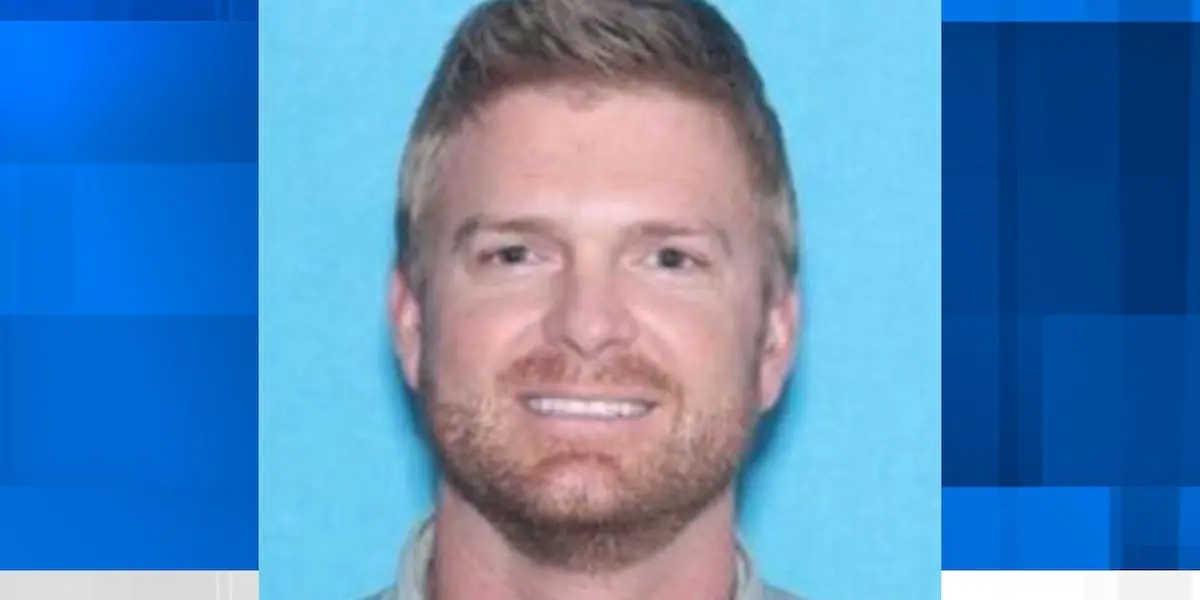

Executive Overview
PORTLAND, Ore. — In a definitive ruling that underscores the inviolable sanctity of the doctor-patient relationship, a Portland podiatrist was sentenced Friday to more than eight years in state prison for the systematic sexual abuse of 13 vulnerable patients.
Brian Bowen, 52, received a total sentence of 100 months following a protracted legal battle that exposed a disturbing pattern of predatory behavior hidden beneath the veneer of routine medical care. The sentencing brings a measure of legal closure to an investigation that unraveled years of covert misconduct, occurring primarily while victims were undergoing treatment or navigating the delicate stages of surgical recovery.
Bowen’s conviction stems from a bench trial concluded on June 17, which resulted in a guilty verdict on one count of first-degree sexual abuse. Facing mounting evidence and the compounding weight of multiple victim accounts, Bowen subsequently entered guilty pleas to 10 misdemeanor counts of third-degree sexual abuse and two counts of sexual abuse involving false representation. In total, the charges accounted for thirteen distinct women whose trust was breached within the sterile confines of a medical office—a space where patients are uniquely vulnerable and entirely reliant on professional ethics.
Beyond the mandatory 100-month prison term, Multnomah County Circuit Court Judge mandated that Bowen register as a sex offender upon his release and serve multiple years of post-prison supervision. The case highlights not only the gravity of Bowen’s specific actions but also the critical role of modern legislative tools in prosecuting medical professionals who weaponize their credentials for personal gratification. As communities grapple with the realities of institutional and professional malfeasance, the prosecution of Brian Bowen stands as a stark reminder of the devastating impact of predatory healthcare providers and the resilience of those who step forward to report them.
Detailed Chronology: Investigation, Trial, and Legal Proceedings
The path to holding Brian Bowen accountable was complex, defined by meticulous police work, strategic prosecution, and the profound courage of the victims who broke their silence. For years, Bowen operated largely unchecked, quietly exploiting the power dynamics inherent in his practice.
The Modus Operandi and Initial Red Flags
According to investigators with the Portland Police Bureau, Bowen’s abusive behavior was characterized by a chillingly calculated subtlety. Unlike predatory scenarios involving overt coercion or explicit verbal propositions, Bowen’s actions often manifested as brief, inappropriate physical contact during routine foot examinations and sensitive post-surgical recovery periods.
Prosecutors noted that because the physical contact was frequently fleeting and unaccompanied by verbal commentary, many victims experienced immediate confusion and self-doubt. In the immediate aftermath of such incidents, patients often questioned their own perceptions, wondering if what they had experienced was an unorthodox medical technique rather than a deliberate violation. This psychological fog manufactured by the perpetrator allowed the abuse to persist undetected for years, creating an environment where victims felt isolated and hesitant to come forward.
The Turning Point and Criminal Charges
The case gained momentum as detectives pieced together multiple independent reports from women who described strikingly similar encounters with the podiatrist. The aggregation of these testimonies revealed a clear behavioral pattern rather than isolated misunderstandings.
Following a comprehensive investigation, the Multnomah County District Attorney’s Office formally charged Bowen. The legal strategy involved a multi-pronged approach:
- First-Degree Sexual Abuse: This felony charge formed the centerpiece of the prosecution during a bench trial, resulting in Bowen’s pivotal June 17 conviction.
- Misdemeanor Counts of Third-Degree Sexual Abuse: Ten additional counts addressed specific acts of non-consensual sexual contact perpetrated against various patients.
- Sexual Abuse Involving False Representation: Two counts specifically targeted Bowen’s abuse of his professional status, leveraging state statutes designed to penalize practitioners who disguise sexual misconduct as medical necessity.
Faced with the evidentiary weight of the bench trial verdict and the specter of additional severe penalties, Bowen altered his legal stance, pleading guilty to the remaining counts to account for all 13 identified victims.
Supporting Context & Metrics: Legal Frameworks and Professional Accountability
The prosecution of Brian Bowen was significantly bolstered by evolving legal standards in Oregon regarding professional misconduct and healthcare exploitation. Understanding the broader context of this case requires examining the legislative tools available to modern prosecutors and the systemic vulnerabilities that allow such abuse to occur within medical settings.
Legislative Impact: The 2023 Oregon Law
A critical cornerstone in securing convictions in cases like Bowen’s is the legislative framework governing healthcare providers. Under a landmark Oregon law enacted in 2023, the legal definition of sexual abuse by a licensed medical professional was explicitly clarified and strengthened.
Prior to the implementation of this legislation, prosecutors frequently encountered hurdles in proving intent when a defendant claimed that physical contact served a legitimate, albeit unorthodox, medical purpose. The 2023 statute closed this loophole by establishing that licensed medical professionals commit a distinct criminal offense if they engage in sexual contact with a patient while falsely representing that the touch serves a legitimate medical objective.
This statute proved pivotal in Bowen’s case, allowing prosecutors to secure convictions under the specific charges of sexual abuse involving false representation. By explicitly stripping away the shield of "medical necessity" when used as a cover for abuse, the law provides a clearer pathway to justice for victims of healthcare-related assault.
The Vulnerability of Post-Surgical Recovery
Medical experts and victim advocates emphasize that podiatric surgery and recovery represent periods of extreme physical and psychological vulnerability. Patients undergoing foot and ankle procedures frequently experience limited mobility, pain management complications, and heightened anxiety regarding their healing process.
During post-surgical care, patients are often positioned in compromised physical states—seated or lying down with exposed limbs—and are entirely dependent on the physician’s expertise and professional boundaries. Bowen systematically targeted patients during these exact windows of vulnerability, subverting the sacred oath of the healer to inflict profound psychological and emotional trauma.
Official Statements and Reactions
The sentencing hearing was marked by powerful expressions of solidarity from law enforcement, prosecutors, and advocacy networks who championed the victims’ cause throughout the arduous legal process.
Deputy District Attorney Quinn Zemel, who prosecuted the case alongside Deputy District Attorney Jesse Hoffman, issued a resolute statement following the sentencing hearing, emphasizing the absolute necessity of maintaining trust in medical environments.
"Patients deserve to feel safe when seeking medical care," Zemel stated. "This defendant took advantage of his position of trust as a doctor and sexually abused patients at a time when they were most vulnerable. This significant sentence sends a clear message that such acts of abuse will not be tolerated."
The Multnomah County District Attorney’s Office extended formal commendations to the detectives of the Portland Police Bureau whose investigative persistence transformed fragmented recollections into an airtight criminal case. Authorities noted that without the extraordinary bravery of the 13 women who stepped forward to recount their experiences, Bowen’s predatory actions might have continued indefinitely.
Legal analysts and medical ethicists have similarly weighed in, pointing out that cases like Bowen’s mandate rigorous institutional oversight. Professional licensing boards face increasing pressure to streamline reporting mechanisms, conduct thorough background investigations, and enforce rapid disciplinary actions when red flags emerge regarding practitioner conduct behind closed doors.
Future Outlook: Healing, Reform, and Ongoing Vigilance
As Brian Bowen begins serving his 100-month sentence within the Oregon Department of Corrections system, the broader community faces the ongoing task of healing, reform, and institutional vigilance.
Supporting Survivors of Healthcare Abuse
For the 13 women who stood against Bowen, the conclusion of the criminal trial marks the beginning of a long journey toward recovery. Mental health professionals specializing in trauma recovery stress that validating survivors’ experiences is vital to dismantling the isolation often inflicted by predatory authority figures. Support networks, local advocacy groups, and specialized therapeutic resources continue to play a crucial role in empowering survivors to reclaim their narratives.
Preventing Future Abuses in Medical Practices
The fallout from Bowen’s conviction is prompting medical practices, clinics, and hospitals across the Pacific Northwest to review and tighten their internal compliance and chaperone policies. Best practices increasingly emphasize:
- Mandatory Chaperones: Requiring the presence of a second licensed medical staff member during sensitive physical examinations or post-surgical assessments.
- Transparent Reporting Channels: Establishing frictionless, confidential avenues for patients to report boundary violations without fear of retaliation or dismissal by clinic management.
- Enhanced Background Checks: Strengthening the screening processes for incoming practitioners to catch historical patterns of misconduct across multiple jurisdictions.
Ultimately, the case of State v. Brian Bowen serves as a sobering reminder of the dark side of professional power, but it also stands as a testament to the power of collective accountability. Through the unwavering resolve of the victims, the diligence of Portland law enforcement, and the application of robust modern legislation, justice has been decisively served, reinforcing the fundamental truth that no professional credential places an individual above the law.

0 Comments