

Executive Overview
In the American South, the word "Coke" transcends the boundaries of a mere trademark. It functions as a linguistic catch-all for any carbonated soft drink—a cultural phenomenon immortalized by the quintessential regional paradox, "I’m craving a Coke; I think I’ll grab a cold Dr. Pepper." Yet, despite generations of intimate familiarity with the ubiquitous brown beverages that line grocery store shelves, ask any consumer to deconstruct the exact flavor profile of a standard cola, and you are likely to be met with a blank stare. To the average palate, it is simply Coke.
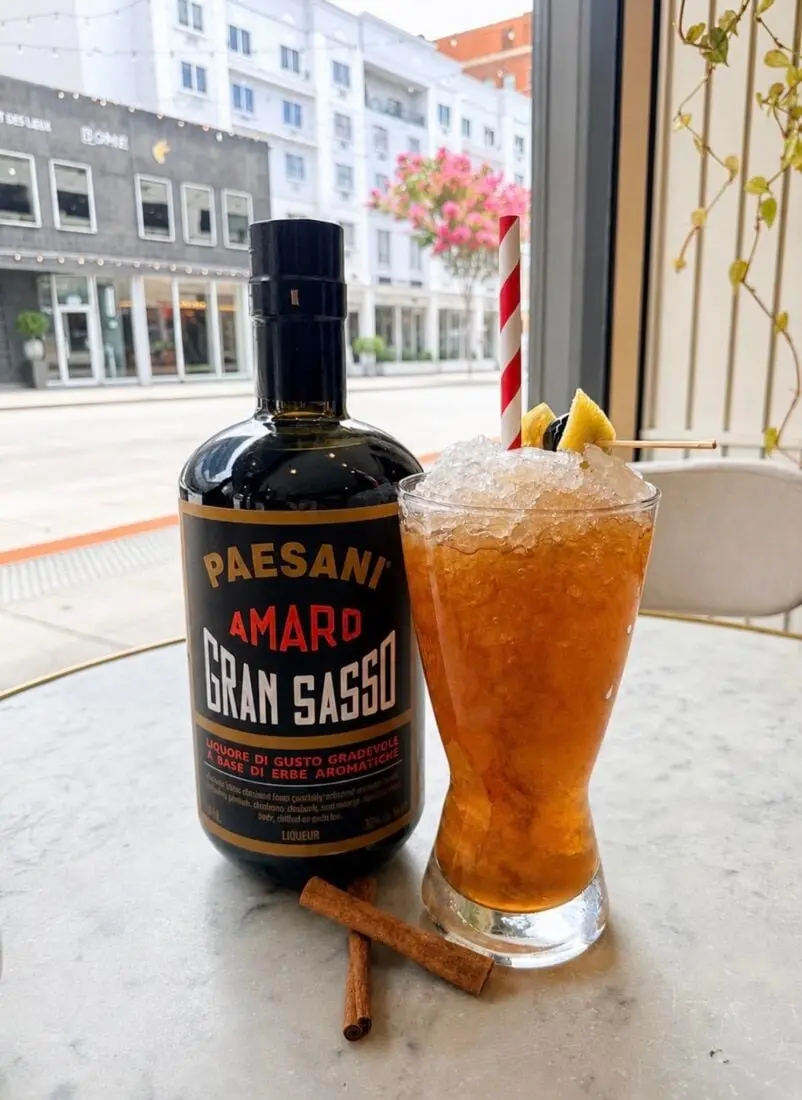
Enter Rylan Thompson, bar manager at Chattanooga, Tennessee’s acclaimed Easy Bistro & Bar. Drawing inspiration from an exploratory visit to a specialized craft cola producer in Tokyo, Thompson has reimagined the foundational beverage of Southern porch culture. By developing a meticulous, scratch-made cola syrup, Thompson has stripped away the opaque industrial mystique of mass-market soft drinks and reconstructed them for the modern craft cocktail lounge. The result is the "Easy Cola"—a sophisticated, grown-up riff on the classic whiskey-and-cola that bridges the gap between historical apothecary tonics and contemporary mixology.
This feature explores the genesis of Thompson’s culinary experiment, the chemistry behind crafting a complex cola syrup from everyday supermarket ingredients, and the broader implications of elevating a nostalgic staple into an art form. Through strategic pairings with Italian amaro and vermouth, Thompson is not merely making a better cocktail; he is decoding a flavor profile that has defined American social life for well over a century.
Detailed Chronology: From Tokyo Inspirations to Chattanooga Innovation
The journey of the Easy Cola did not begin in Tennessee, nor did it spark in the boardroom of a multinational beverage conglomerate. Its roots trace back to an international research expedition undertaken by Rylan Thompson.
The Japanese Catalyst
While traveling through Tokyo, Japan, Thompson stumbled upon an independent craft cola company operating entirely outside the parameters of industrialized soda production. In Japan’s burgeoning artisanal beverage scene, makers were treating cola not as a uniform, shelf-stable commodity, but as a botanical canvas. They were experimenting with raw spices, citrus zests, and natural aromatics, harkening back to the original nineteenth-century patent medicines and soda-fountain tonics.
Observing this meticulous approach profoundly shifted Thompson’s perspective. He realized that the complex, multi-layered bite of a true cola was not an accident of industrial chemistry, but a deliberate orchestration of distinct botanical elements—cinnamon, citrus oils, vanilla, and various structural spices. Upon returning to Easy Bistro & Bar in Chattanooga, Thompson resolved to translate this philosophy behind his own bar.
Deconstructing the Formula
Back in Tennessee, Thompson embarked on a series of kitchen trials aimed at reverse-engineering the elusive cola taste. Working with raw ingredients readily available at standard regional grocers—such as Harris Teeter—he began experimenting with various botanical ratios.
Unlike historic nineteenth-century iterations, Thompson made one notable omission: the kola nut. The bitter, caffeine-bearing seed that originally gave the beverage its name and its signature edge proved exceptionally difficult to source reliably. However, Thompson found himself in pragmatic company. Modern mass-market giants—including Coca-Cola, Pepsi, and RC Cola—long ago phased out or heavily minimized raw kola nut extract in favor of streamlined flavoring agents.
By bypassing the elusive nut, Thompson focused instead on achieving structural complexity through easily accessible kitchen staples. Through iterative tasting, he began isolating individual notes. "It was fun to be able to piece together the flavors and taste, ‘Oh, that’s star anise in there, and that’s black pepper,’" Thompson notes.
The Birth of the Easy Cola
With a rich, amber-colored, house-made syrup perfected, Thompson turned his attention to the cocktail application. A simple pour of his syrup over ice with soda water yielded a non-alcoholic beverage reminiscent of an apothecary ancestor—boasting bright citrus notes and warm holiday spices harmonizing in a familiar yet elevated cadence.
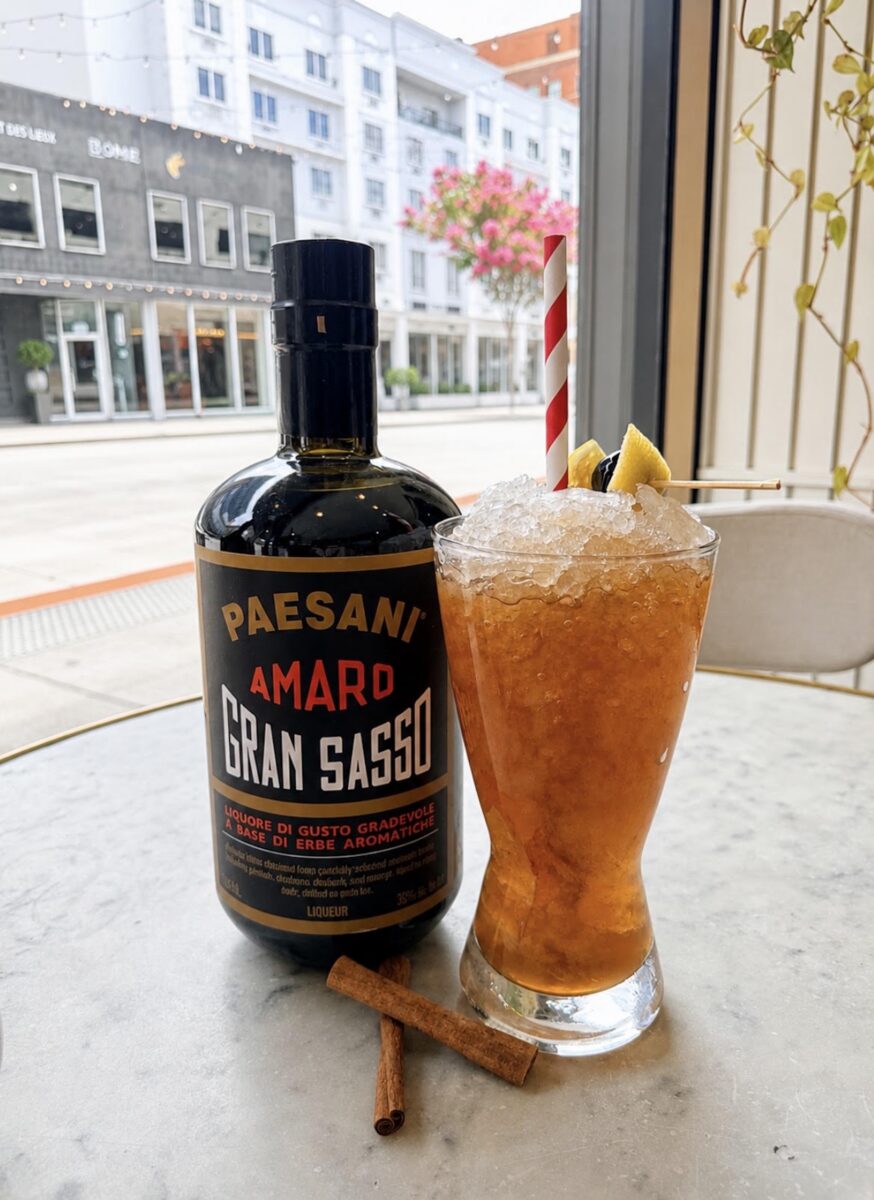
To transition this syrup into a true cocktail worthy of Easy Bistro’s reputation, Thompson sought spirits that would complement rather than mask the botanical depth of his creation. By pairing high-grade whiskey with specific Italian liqueurs, he formulated the Easy Cola: a drink designed to honor the comforting simplicity of the South while delivering the sophisticated structural backbone expected of a destination cocktail program.
Supporting Context & Metrics: The Chemistry and Culture of Craft Cola
To fully appreciate the innovation behind the Easy Cola, one must examine the historical and culinary context of the beverage it seeks to replace.
The Evolution of Cola
Invented in the late 1800s by pharmacists experimenting with medicinal tonics, early colas were marketed as nerve tonics and headache remedies. They derived their complex flavor profiles from a diverse pharmacopeia of ingredients: citrus oils (orange, lemon, lime, and neroli), cinnamon, nutmeg, vanilla, coriander, and, of course, extracts from the tropical kola tree and the coca leaf.
Over the decades, as these tonics transitioned from the pharmacy counter to mass-market bottling plants, the recipe underwent drastic industrial streamlining. Natural essential oils were largely replaced by synthesized flavorings, high-fructose corn syrup supplanted cane sugar, and the beverage was optimized for absolute uniformity across global markets. Consequently, generations grew up consuming a standardized, highly homogenized product, losing touch with the dynamic botanical interplay that originally defined the category.
Anatomy of the Easy Cola Syrup
Thompson’s scratch-made syrup directly counters this industrial homogenization. By returning to whole, recognizable ingredients, the syrup achieves a chemical complexity that mirrors the original apothecary tonics.
- The Citrus Base: Bright, volatile oils from fresh citrus peel provide the crucial top notes that hit the palate immediately upon sipping.
- The Spice Matrix: Elements like star anise, black pepper, and cinnamon introduce middle and base notes, creating warmth and a lingering peppery finish.
- The Sweetness Profile: Unlike the flat, cloying sweetness of commercial sodas, a balanced botanical syrup provides a rich mouthfeel that supports, rather than overwhelms, the accompanying spirits.
The Mixology Strategy: Layering Flavors
In constructing the final cocktail, Thompson avoided the pitfall of simply dumping whiskey into a sugary mixer. Instead, he integrated two distinct Italian liqueurs—an amaro and a vermouth—to echo and expand upon the flavor profile established by the cola syrup.
"The whiskey, the amaro, and the vermouth layer on similar flavors: vanilla, root beer, cinnamon, bitter chocolate," Thompson explains. "The Carpano gives it a bitter backbone, so it’s not just sweet."
This methodological approach transforms a historically casual, sweet-heavy beverage into a sophisticated, balanced cocktail. The botanical bitterness of the amaro cuts through the residual sugars of the cola syrup, while the fortified wine of the vermouth introduces vinous depth, tying the robust whiskey and the spiced syrup into a cohesive, harmonious whole.
Official Statements and Industry Perspectives
The rise of artisanal cola syrups within craft cocktail bars is part of a broader culinary movement that seeks to reclaim everyday industrial flavors through craft execution. Industry experts and hospitality professionals view this trend as a natural evolution of the farm-to-table and scratch-kitchen movements that have dominated the American food scene over the past two decades.
Rylan Thompson emphasizes that the motivation behind crafting a homemade syrup extends far beyond mere culinary pretension. It is an exercise in creative liberation and sensory education.
"Working on the syrup helped me understand the basic elements of the world’s favorite soda and make it my own," Thompson notes. By deconstructing the flavor profile, bartenders gain total control over their ingredients, allowing them to tailor sweetness, acidity, and spice levels to complement specific regional spirits, such as small-batch Tennessee whiskeys or Kentucky bourbons.
Culinary historians and beverage directors point out that consumers are increasingly seeking transparency and authenticity in what they consume. When a bar program invests the time to produce components like house-made cola syrups, it signals to the guest a commitment to craftsmanship that elevates the entire dining experience.
Furthermore, for those home bartenders or establishments lacking the time to execute a multi-hour syrup reduction from scratch, the market has begun to respond. Regional producers—such as North Charleston, South Carolina’s Bittermilk, renowned for their barrel-aged cola syrups and past victors at the prestigious Garden & Gun Made in the South Awards—have commercialized artisan alternatives. These products allow cocktail enthusiasts to achieve a similar depth of flavor at home, validating Thompson’s broader thesis: that cola, properly made, is a worthy vehicle for fine spirits.
Future Outlook: The Next Wave of Nostalgic Modernization
As the craft beverage movement continues to mature, the boundary between lowbrow nostalgia and high-end gastronomy is increasingly porous. The success of Easy Bistro’s Easy Cola points toward several emerging trends in modern American mixology:
1. The Reclamation of Soda-Fountain Classics
Just as craft bartenders successfully rehabilitated vermouth, tonic water, and ginger beer from neglected bar-gun staples into artisanal flagships, cola is poised for a major renaissance. We can anticipate more regional bars and restaurants developing proprietary cola syrups, utilizing hyper-local botanicals, native fruits, and regional sweeteners like sorghum syrup or cane molasses.
2. The Rise of "Grown-Up" Highballs
The classic two-ingredient highball (spirit plus soda) is experiencing a revival due to its simplicity and sessionability. However, as consumers demand more complexity, bars are shifting away from standard commercial mixers in favor of house-made tonics, craft ginger ales, and botanical colas. This allows venues to serve highballs that deliver the effortless drinkability of a casual classic paired with the aromatic depth of an artisanal cocktail.
3. Democratization Through Retail
While scratch-made recipes like Thompson’s require patience and kitchen infrastructure, the commercial availability of craft cocktail syrups ensures that this trend is not confined exclusively to high-end restaurants. As independent producers scale up barrel-aged and small-batch cola syrups, home mixologists will increasingly incorporate these elevated ingredients into their private bars, bridging the gap between professional hospitality and home entertaining.
Ultimately, Rylan Thompson’s work at Easy Bistro & Bar proves that even the most familiar, mass-market flavors can be radically recontextualized through curiosity and care. By looking past the industrial label and exploring the botanical building blocks beneath, the humble Southern "Coke" has been granted a brilliant, sophisticated second act.

0 Comments