

Executive Overview
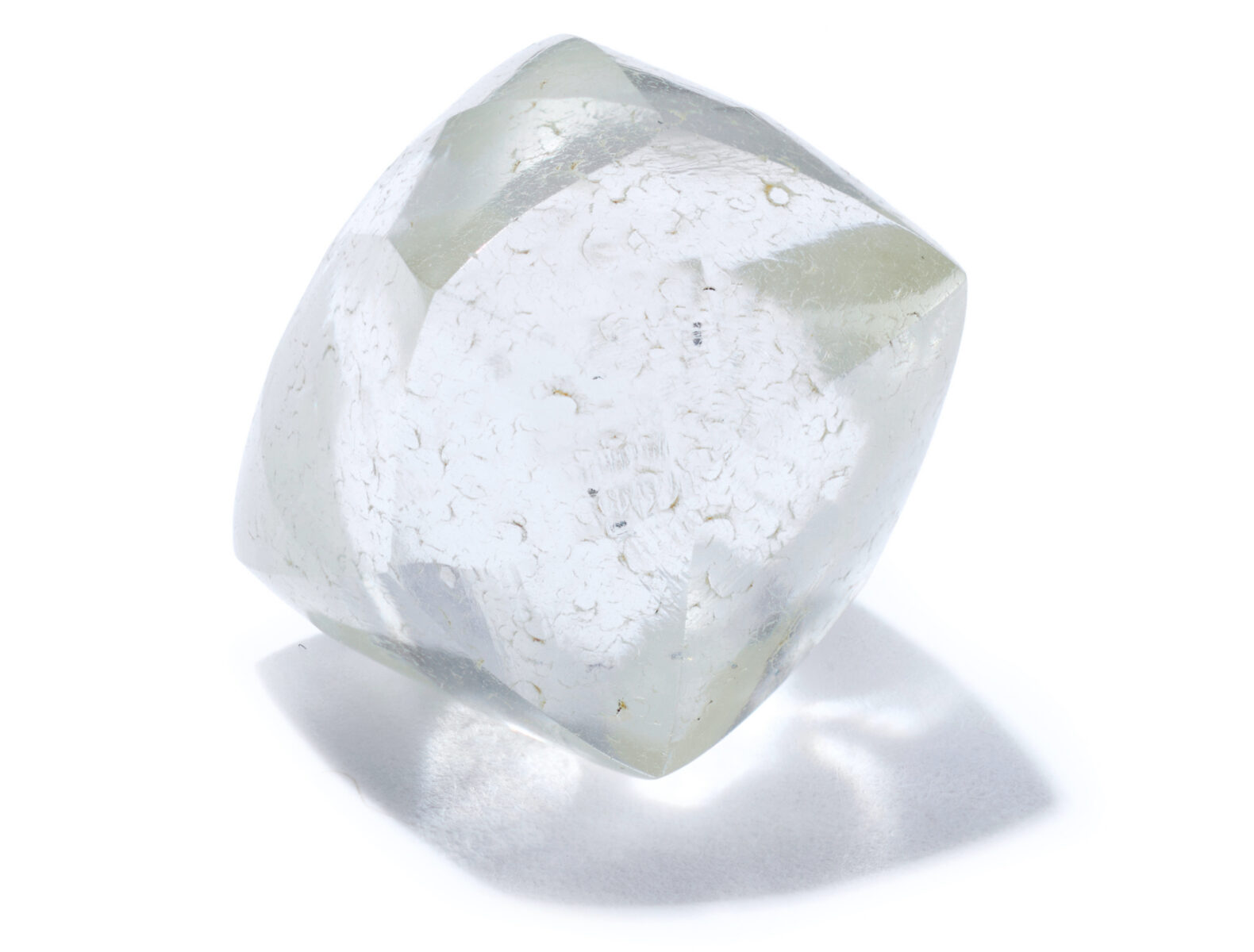
For over a century, the glittering heritage of American gemology has remained inextricably linked to the primordial geological history of Arkansas. Now, in a triumphant cultural homecoming, one of the most significant diamonds ever unearthed in the United States has traveled back to its home state. The legendary 27.21-carat "Arkansas Diamond"—long safely housed within the prestigious Tiffany & Co. Archives in New York City—serves as the centerpiece for a breathtaking new exhibition at the Crystal Bridges Museum of American Art in Bentonville, Arkansas.
Titled “Nature Adorned: The Artistry of Tiffany & Co. and the American Imagination,” the exhibition opened in October 2026 and is slated to run through March 29, 2027. Curated by Jen Padgett, the ambitious showcase brings together rare historic gemstones, masterworks of American fine art, and iconic jewelry pieces from the Tiffany Archives and Crystal Bridges’ permanent collection. By placing these diverse mediums in direct conversation, the exhibition explores how the raw, untamed beauty of the natural world has inspired generations of fine artists, master jewelers, and visionary craftspeople.
Detailed Chronology: The Journey of the Arkansas Diamond
The narrative of the Arkansas Diamond is deeply woven into the geological and social history of the Natural State, tracing a path from prehistoric volcanic activity to early twentieth-century rural discovery, and finally to the pinnacle of American luxury design.
A Volcanic Genesis (Approx. 100 Million Years Ago)
Long before human history began etching stories into the American landscape, deep tectonic shifts set the stage for Arkansas’s unique mineral wealth. Approximately one hundred million years ago, a powerful volcanic intrusion forced magma upward from the Earth’s mantle, carrying untold thousands of diamonds from deep subterranean vaults to the surface. This rare geological event created what is now the only active diamond-bearing site in North America open to the public, laying the groundwork for a rich tradition of amateur prospecting and commercial gemology.
The Turn-of-the-Century Discovery (1906)
For millennia, these subterranean treasures lay undisturbed. That changed in 1906, when an unsuspecting farmer in Pike County made the first authenticated diamond discovery in Arkansas. The find sent shockwaves through the American scientific community and ignited a localized diamond rush, transforming the sleepy rural landscape into a hotbed of eager prospectors and mineralogists hoping to strike it rich in the American South.
The Historic 1926 Find and Tiffany Acquisition
Twenty years after the initial discovery, the legend of Arkansas diamonds reached new heights. In 1926, an eleven-year-old girl walking near Searcy, Arkansas, stumbled upon an extraordinary rough stone. Weighing a staggering 27.21 carats, the crystal immediately captured national attention as one of the largest and most flawless diamonds ever unearthed within the borders of the United States.

Recognizing its historic and aesthetic significance, premier luxury house Tiffany & Co. swiftly acquired the gemstone. Since its acquisition, the so-called "Arkansas Diamond" has resided quietly within the secure vaults of the Tiffany Archives in New York City, serving as a testament to American mineral wealth. Now, a century after its fateful discovery by an Arkansas child, the stone has made its historic return journey to the Natural State.
Supporting Context & Metrics: Exploring the Exhibition Landscape
“Nature Adorned” is far more than a simple display of precious stones; it is a meticulously curated dialogue between fine art, decorative arts, and the natural sciences. The exhibition relies on deliberate pairings to challenge how viewers perceive the relationship between raw nature and human craftsmanship.
Key Highlights and Curated Pairings
- The Arkansas Diamond and Crater of Diamonds State Park: Alongside the headline-grabbing 27.21-carat stone, the exhibition features two additional notable diamonds discovered at Arkansas’s Crater of Diamonds State Park in Murfreesboro. This inclusion highlights the state’s distinct status as the only place in the country where amateur prospectors can legally search for diamonds and keep whatever they unearth.
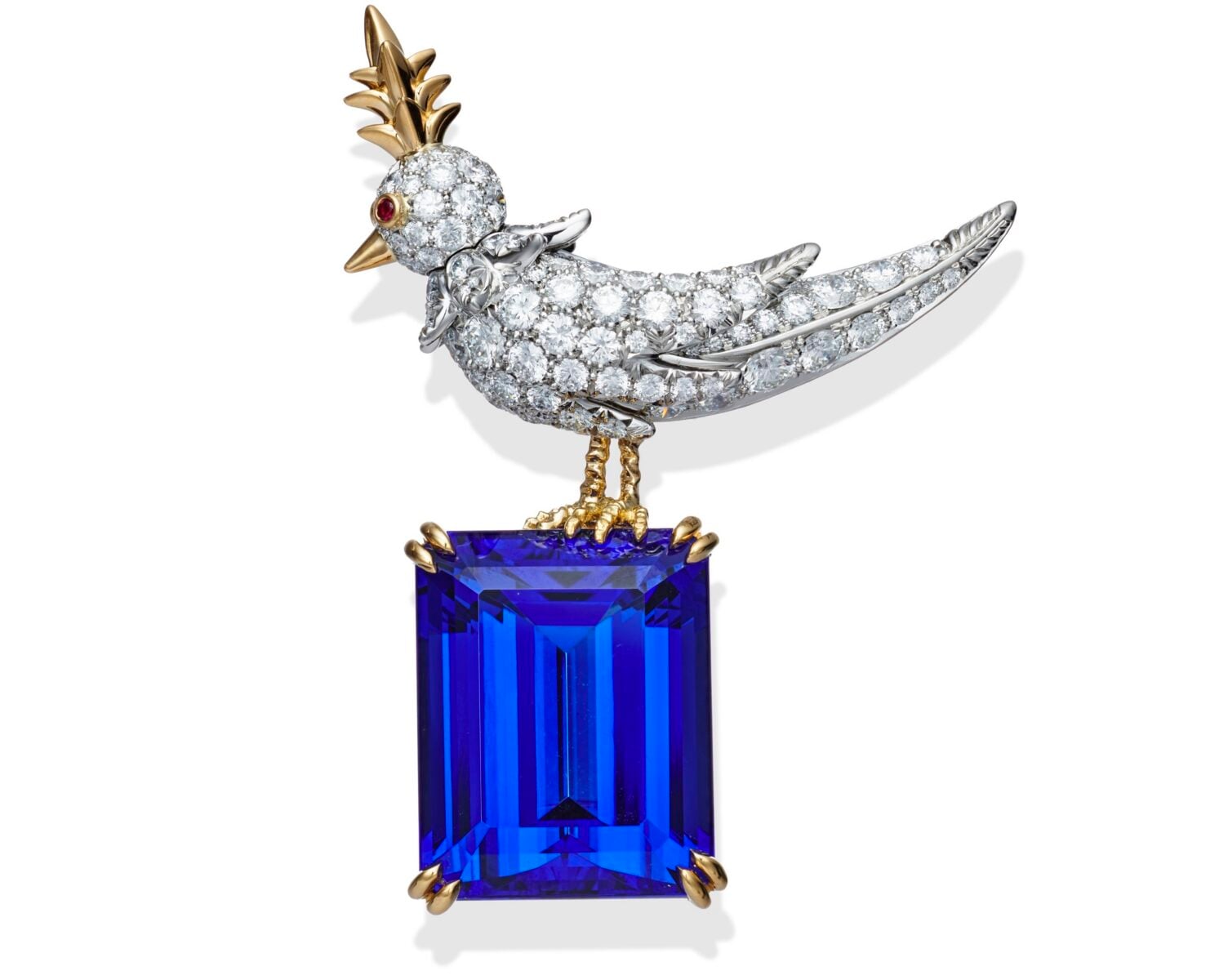
- Jean Schlumberger and Hope Gangloff: The exhibition showcases dazzling organic jewelry designs by legendary French designer Jean Schlumberger for Tiffany & Co., displayed in evocative dialogue with Hope Gangloff’s contemporary painting Queen Jane Approximately. Both works celebrate fluid, organic forms and dynamic energy.
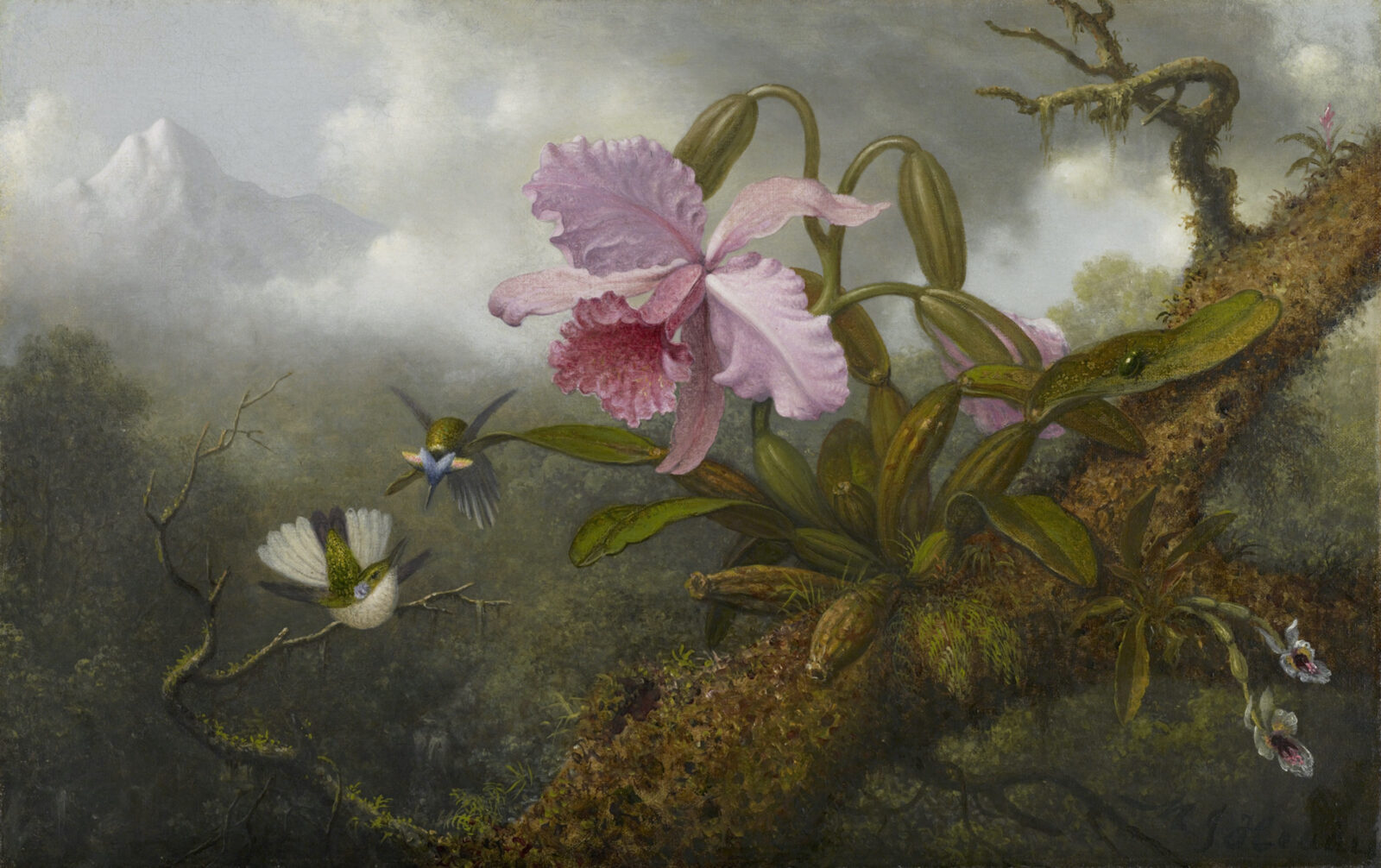
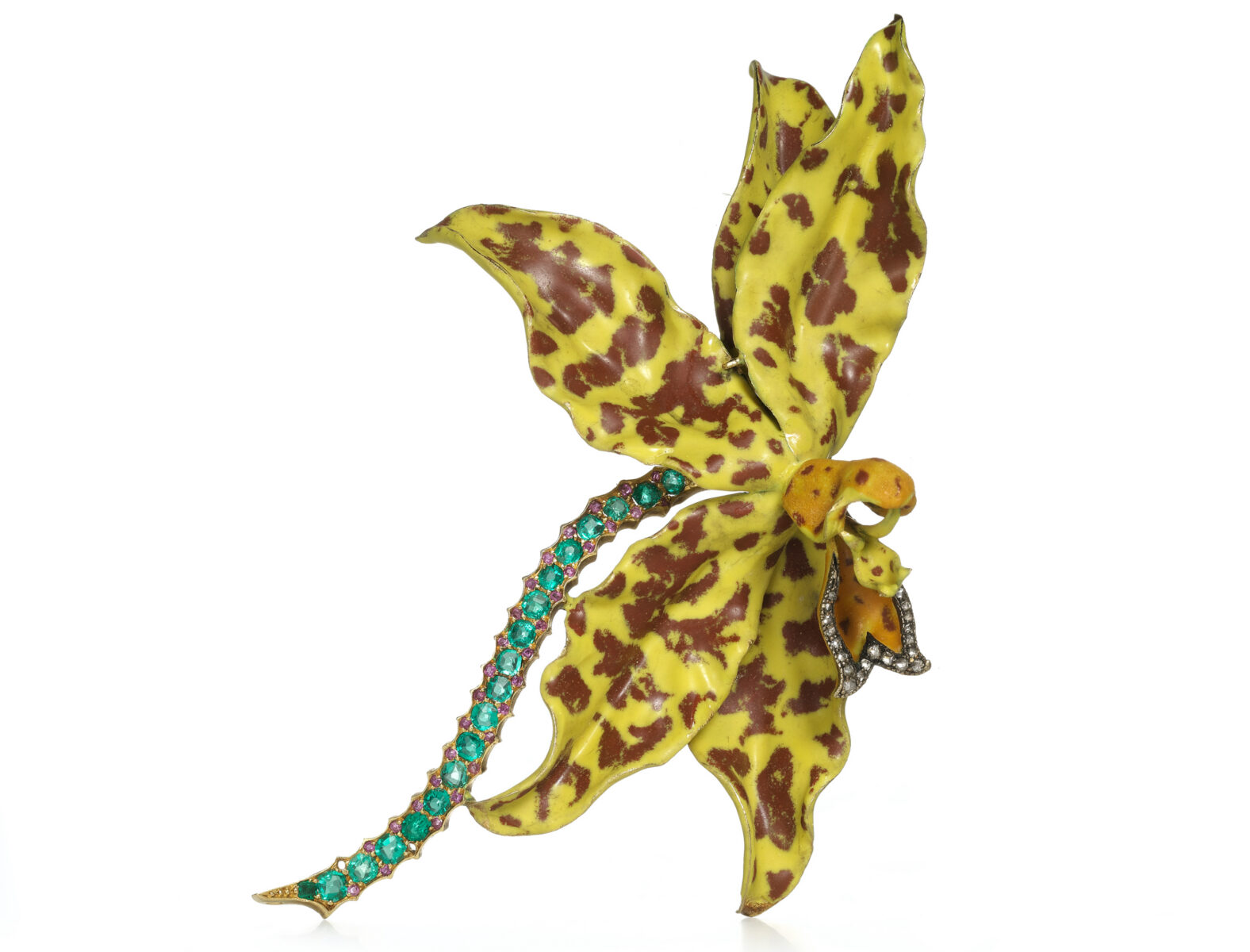
- George Paulding Farnham and Martin Johnson Heade: A masterpiece of late-nineteenth-century jewelry design—the Tiger Orchid brooch crafted by George Paulding Farnham for Tiffany & Co. using sterling silver, diamonds, emeralds, pink sapphires, and enamel—is paired with Martin Johnson Heade’s botanical masterpiece, Cattleya Orchid, Two Hummingbirds and a Beetle (circa late 1800s). The pairing illustrates how jewelers and painters alike sought to capture the exotic, fleeting beauty of tropical flora.
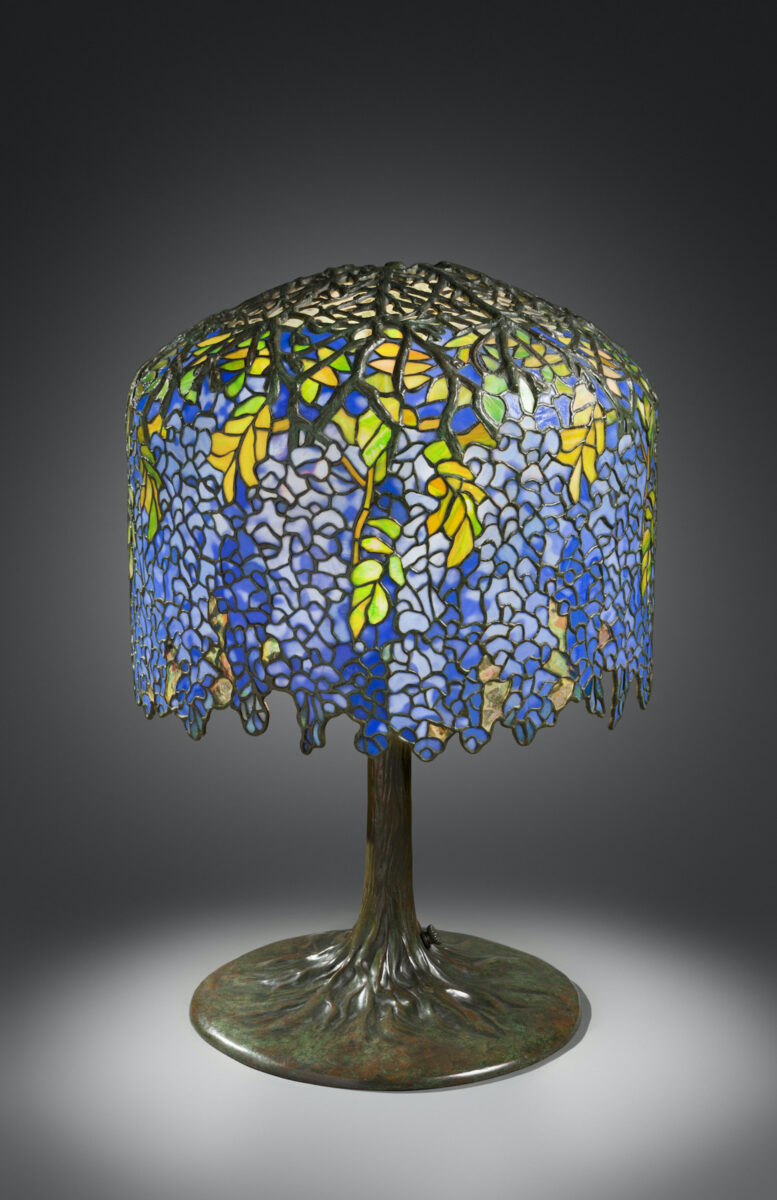
- Clara Driscoll and George Inness: Representing the pinnacle of the Arts and Crafts and Art Nouveau movements, the iconic Wisteria Table Lamp (circa 1905–1906)—designed by Clara Driscoll while leading the groundbreaking "Tiffany Girls" glass-cutting department at Tiffany Studios—is exhibited alongside George Inness’s luminous 1867 landscape painting, Sunset on a River. Both works demonstrate a profound mastery of light, color, and arboreal imagery.
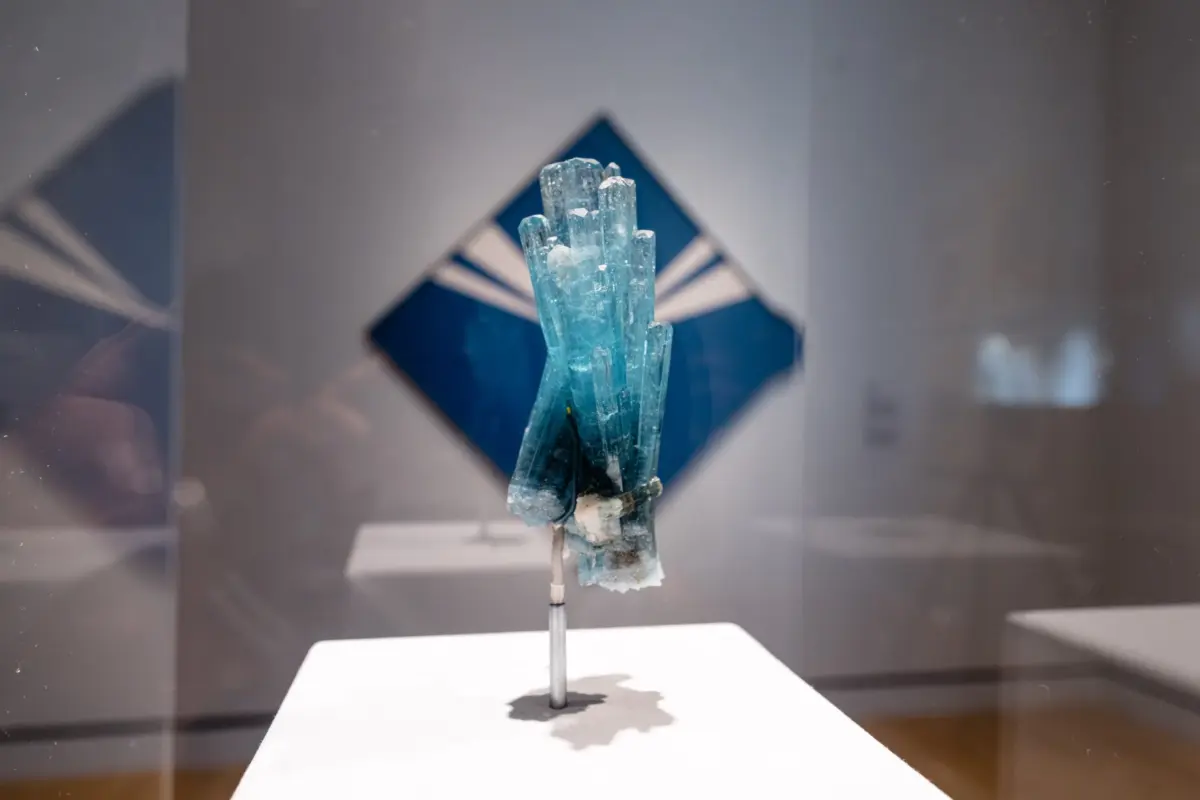
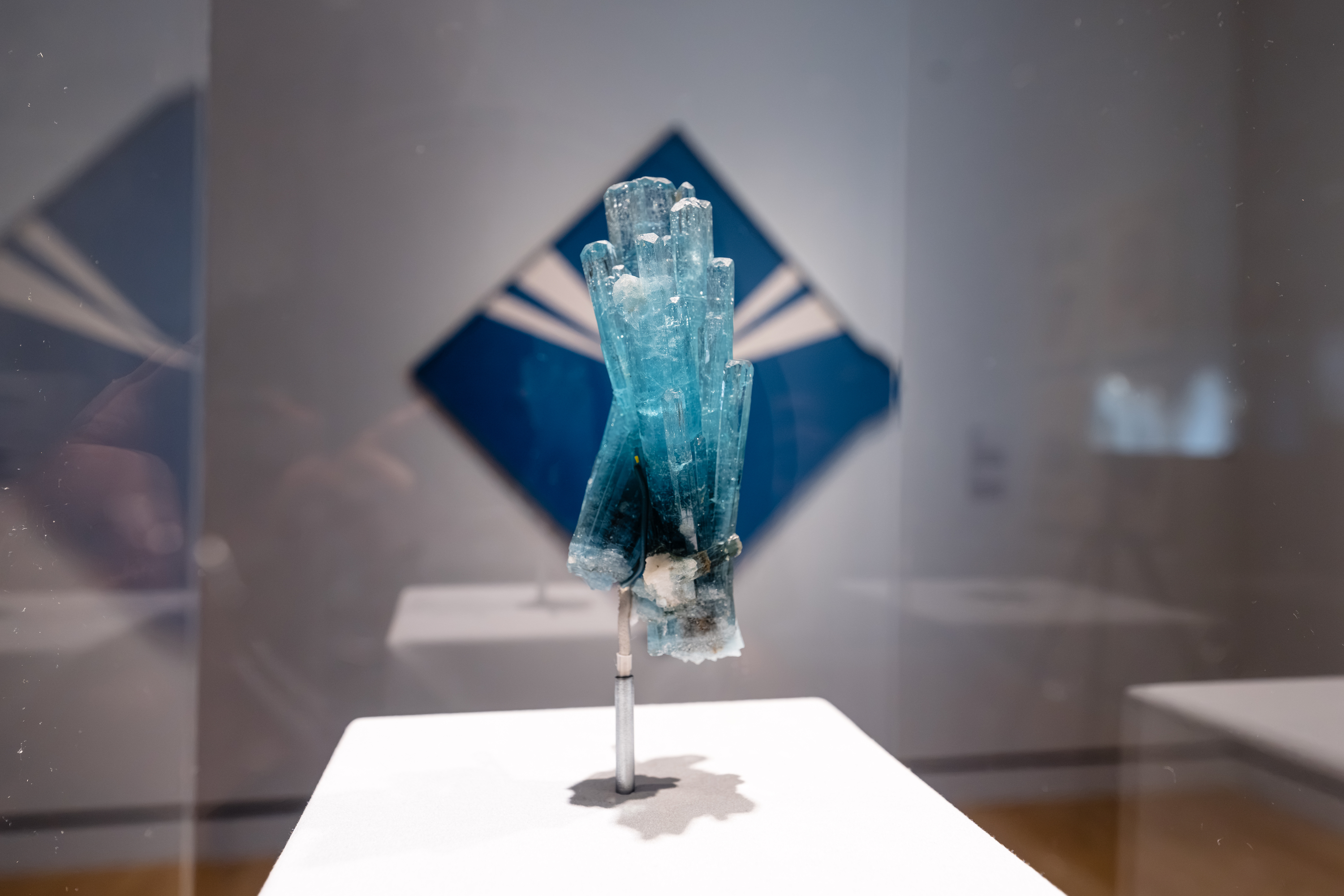
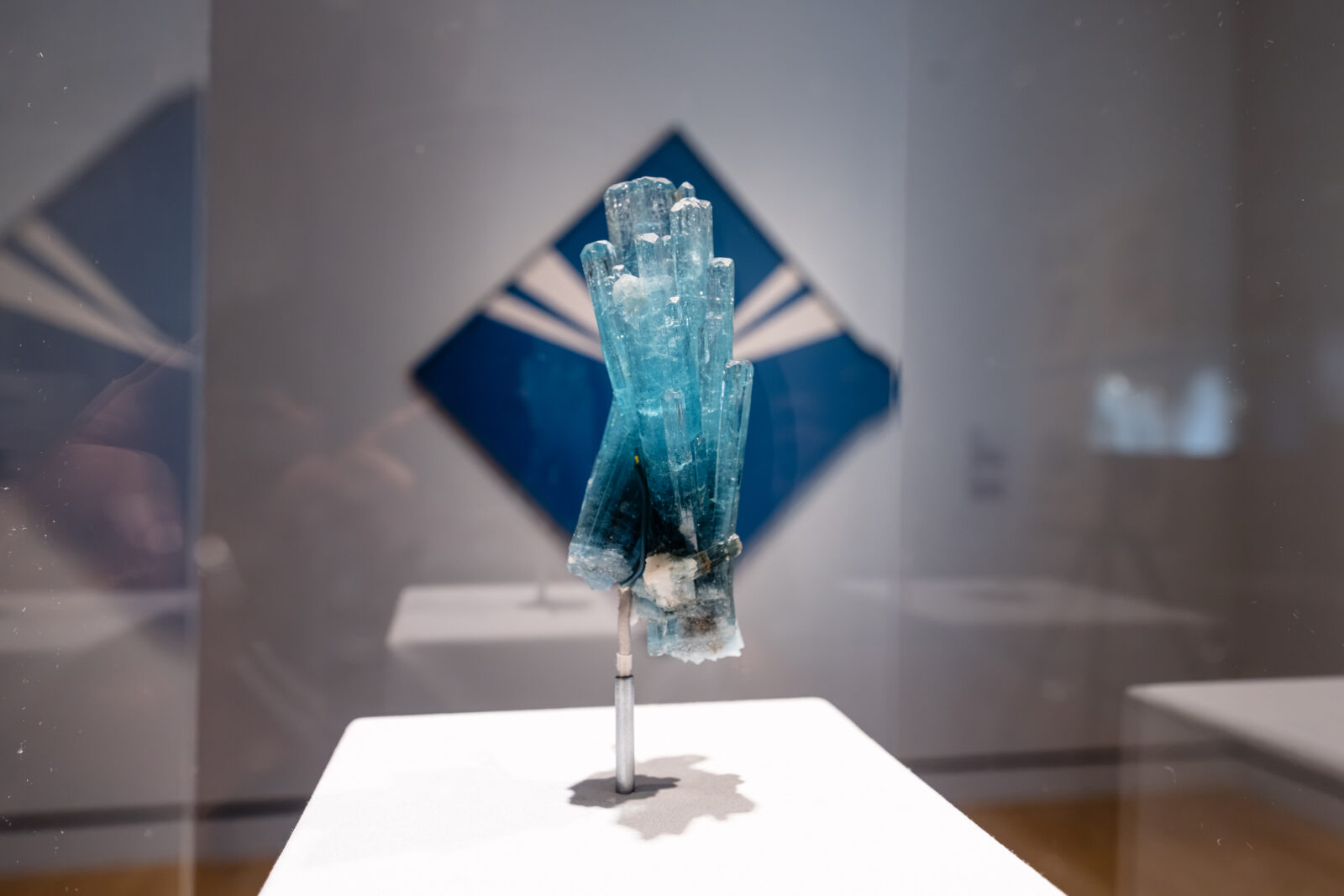
- Mineral Specimens and Carmen Herrera: The exhibition also displays raw earth treasures from Crystal Bridges’ permanent collection, including deep-blue beryl (colored naturally by iron) and a towering, four-inch-tall quartz crystal. These geological artifacts are presented in conversation with Carmen Herrera’s stark, geometric 1965 abstract painting, Cerulean, which visually transforms a familiar square into a diamond through calculated cuts in space.
Official Statements: Perspectives from the Curatorial Team
The conceptual framework of Nature Adorned relies on bridging institutional collections to reveal hidden connections between disparate art forms.
Jen Padgett, the exhibition’s curator, emphasizes the profound educational and aesthetic impact of bringing these elements together under one roof at Crystal Bridges.
"The pairings across the Tiffany Archives and Crystal Bridges help us to see both collections in a new light," notes Padgett. "Comparing how artists draw inspiration from nature—whether depicting an orchid in a painting or transforming its form into a brooch—allows us to appreciate their ingenuity and imagination."
Furthermore, Padgett underscores the importance of honoring the host state’s unique geological legacy through this multi-institutional partnership.
"Having the diamonds here allows us to highlight Arkansas’s natural resources and bring attention to the state’s unique place in the story of American gems," she adds.
By reuniting the monumental Arkansas Diamond with its geographic birthplace, the museum bridges the gap between local heritage and global luxury design, offering visitors a holistic view of America’s natural and creative history.
Future Outlook: A Legacy Set in Stone
As Nature Adorned: The Artistry of Tiffany & Co. and the American Imagination welcomes visitors through its final weeks leading up to March 29, 2027, the exhibition is already leaving a lasting imprint on the cultural landscape of the American South.
By successfully uniting the corporate heritage of the Tiffany Archives with the populist, nature-focused mission of the Crystal Bridges Museum of American Art, the exhibition redefines how regional museums can engage with national treasures. It challenges contemporary artists, historians, and luxury connoisseurs alike to reconsider the thin boundary separating natural geological history from human artistic expression.
Long after the 27.21-carat Arkansas Diamond returns to its archival home in New York City, the echoes of this homecoming will resonate. The exhibition has firmly re-established Arkansas not merely as a site of historical footnotes or occasional mineral finds, but as a vital, glittering cornerstone in the grand tapestry of American art and innovation.

0 Comments