
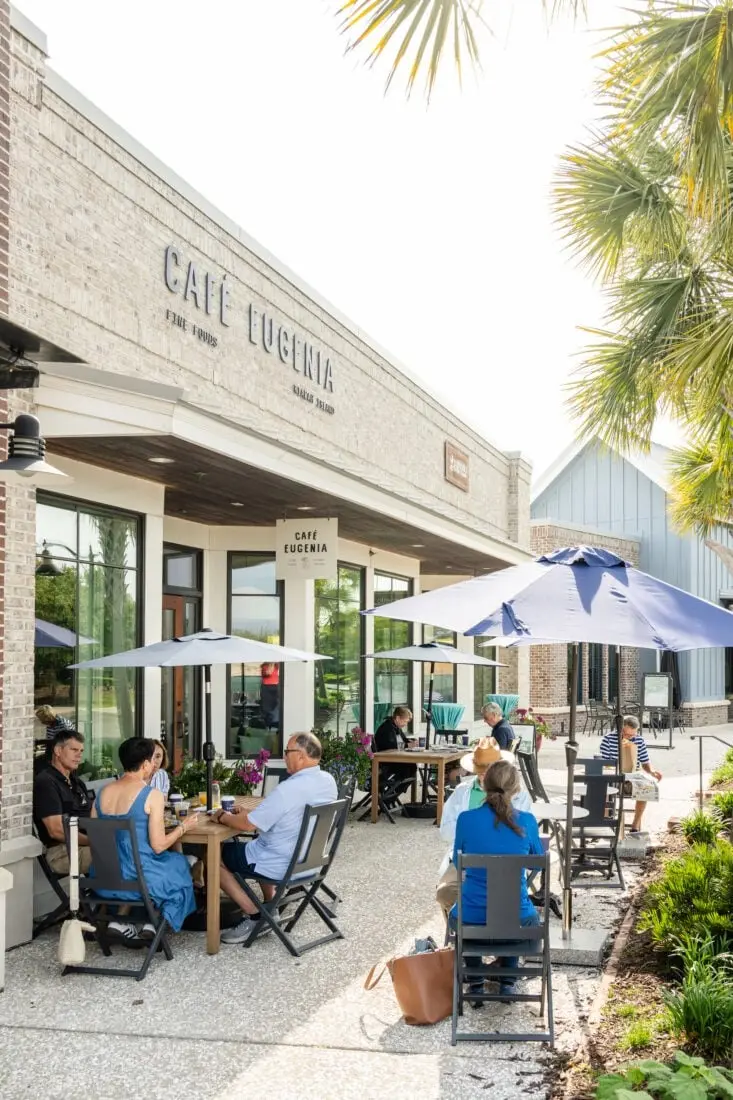

In an era dominated by the algorithmic coldness of e-commerce and the sterile uniformity of conventional suburban strip malls, a rare retail ecosystem thrives along the coastline of South Carolina. Freshfields Village, situated at the nexus of Kiawah and Seabrook islands, defies the nationwide trajectory of brick-and-mortar retail decline. Rather than succumbing to high turnover rates and corporate homogenization, this open-air community hub has cultivated an enduring culture of genuine Southern hospitality, multi-generational entrepreneurship, and hyper-personalized customer engagement.
More than a mere collection of high-end boutiques, artisanal eateries, and curated specialty stores, Freshfields Village functions as the de facto "front porch" for the surrounding Lowcountry barrier islands. Over the past two decades, it has evolved from a nascent master-planned commercial development into a vibrant, socio-economic anchor. Here, retail is not transactional; it is deeply relational. Longtime merchants, familiar local faces, and resident business owners have forged an environment where community consistently supersedes commerce, offering a compelling blueprint for the future of experiential retail in America.
Detailed Chronology: Two Decades of Lowcountry Community-Building
The trajectory of Freshfields Village is anchored by a timeline of dedicated stewardship, grassroots business expansion, and strategic evolution.
- 2005: Freshfields Village officially opens its doors to the public on Kiawah Island, introducing an integrated village concept designed to blend residential proximity with open-air commercial access. Among its earliest pioneers are Chicago transplants Loren and Amy Beadle, who arrive seeking a second act in retirement and launch SeaCoast Sports and Outfitters, establishing a precedent for hands-on, long-term ownership in the district.
- 1978–2010s: While Freshfields reaches its twentieth anniversary milestone, businesses like GDC Home bring decades of deep-rooted regional heritage to the space. Founded by Catharine Gregory’s grandmother nearly half a century ago, the interior design and home furnishings house expands its footprint into the Village, anchoring its reputation as a trusted resource for new island homeowners and local downsizers alike.
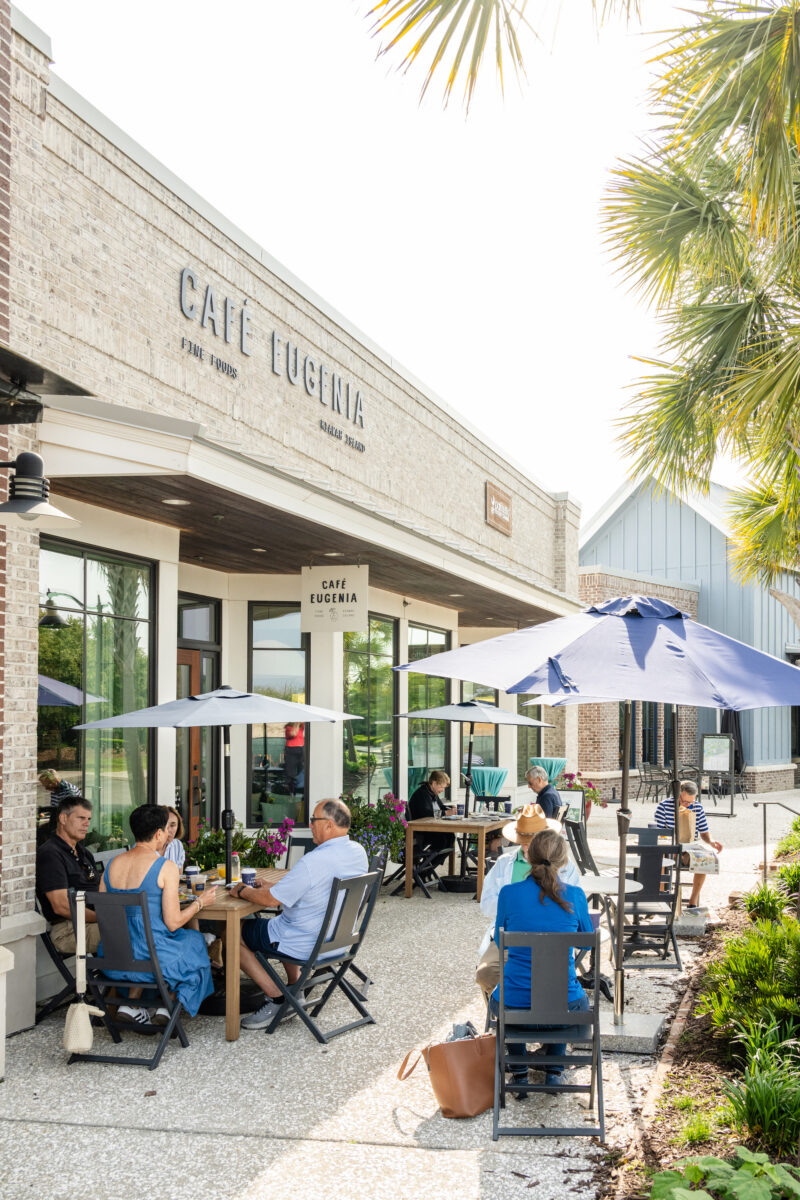
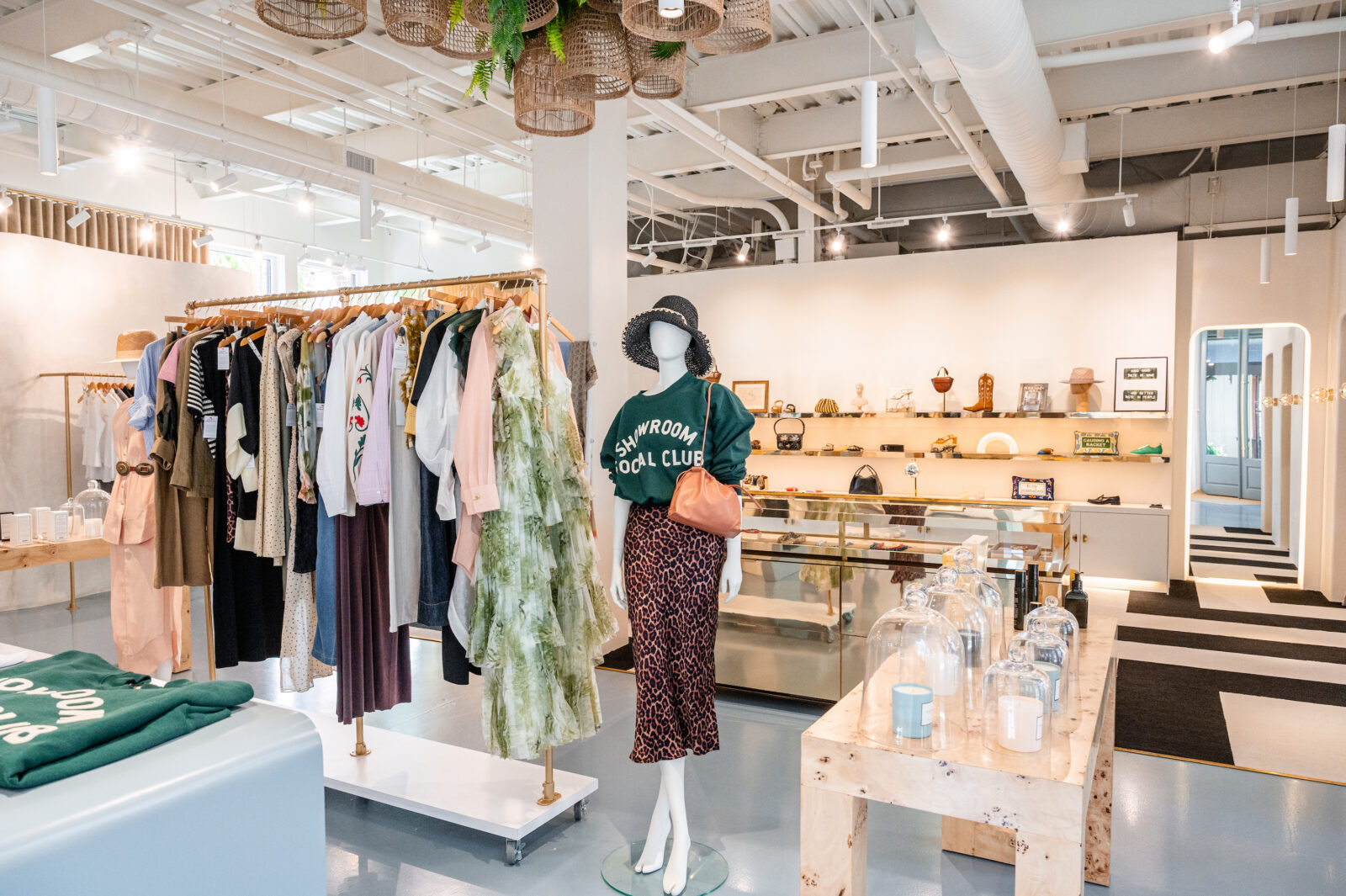
- The 2020s Expansion Era: The post-pandemic retail landscape sees a renewed consumer hunger for human connection, propelling Freshfields into a golden age of community-centric growth. Boutique retail concepts like Erica Hanks’s The SHOWROOM and Bea Shaffer Young’s Café Eugenia take root, shifting the paradigm of shopping toward curated lifestyle experiences, intimate salon-style gatherings, and responsive, customer-driven menus.
- Present Day (2026): Freshfields Village stands as a mature, thriving commercial village. Recent physical expansions—such as Café Eugenia’s sun-filled adjoining space for classes and tastings—demonstrate the destination’s continued adaptability and commitment to fostering shared community experiences.
Supporting Context & Metrics: The Anatomy of Retained Value
To understand the anomaly of Freshfields Village’s success, one must examine the structural metrics that govern modern retail real estate. Nationally, retail employee turnover hovers at notoriously high rates, often exceeding 60% annually in customer-facing sectors. At Freshfields, however, a strikingly different operational model persists: low turnover, high employee retention, and institutional knowledge passed down through decades.
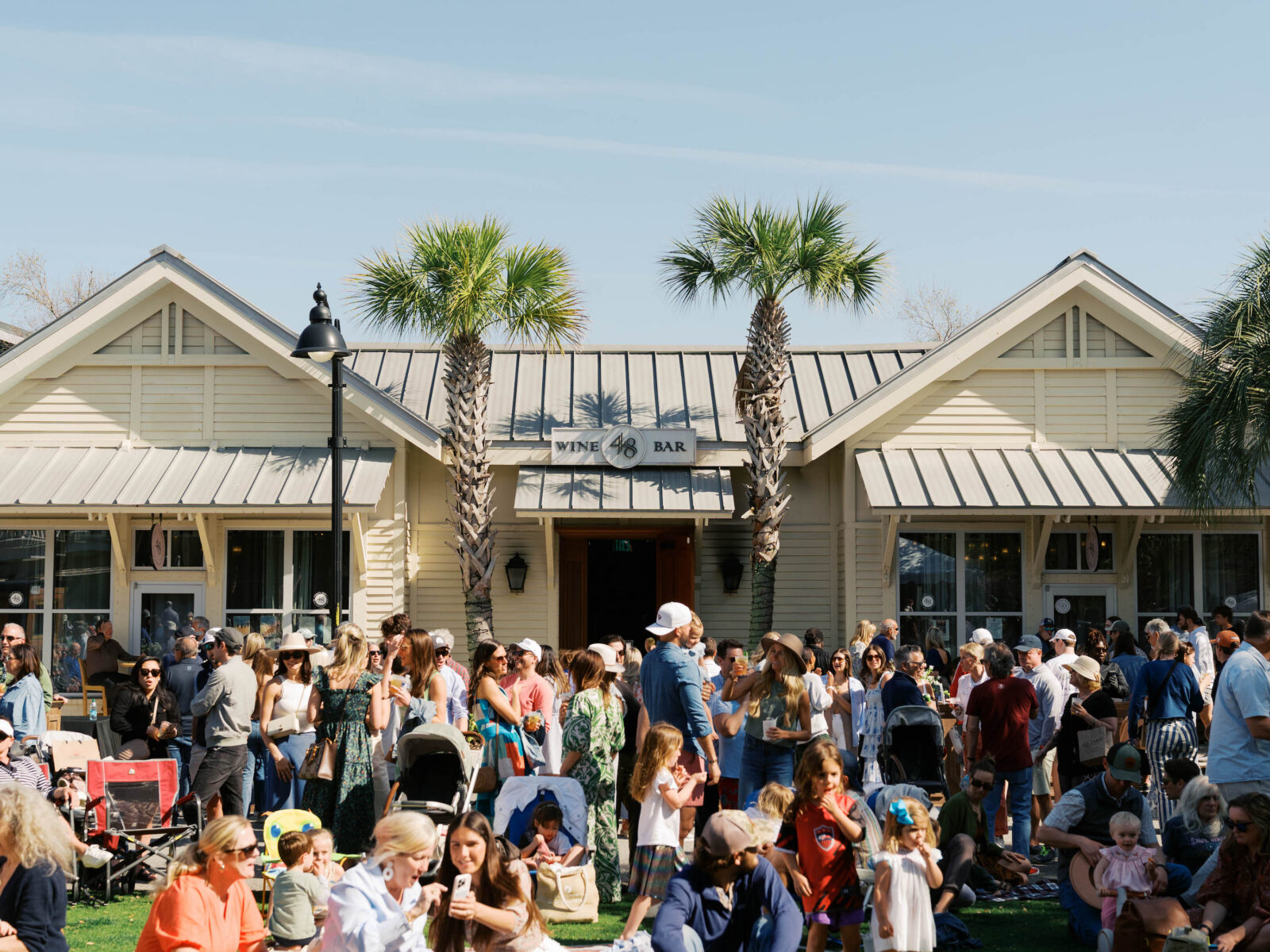
Consider the workforce pipeline cultivated by pioneers like Loren and Amy Beadle. Rather than relying on transient staffing, their enterprise—which has expanded from SeaCoast Sports and Outfitters to include FortyEight – Wine Bar & Kitchen, the FortyEight – Reserve Room, Kiawah Spirits, and Kiawah Wines—employs managers who originally stepped through their doors as college students. These individuals, earning degrees from regional powerhouses such as Clemson University, the University of South Carolina, and the College of Charleston, transition seamlessly into full-time, salaried careers within the Village ecosystem.
Furthermore, the economic fabric of Freshfields is tightly woven with the real estate cycles of Kiawah Island and nearby retirement communities like Seafields. As executives, corporate leaders, and retirees transition from high-stress urban environments to the tranquil Lowcountry, the Village’s merchants act as comprehensive lifestyle navigators. Retail space here is maximized not by square-foot sales volume, but by dwell-time, repeat visitations, and the depth of interpersonal trust established between merchant and patron.
Official Statements & Merchant Perspectives
The heartbeat of Freshfields Village is articulated best by the independent entrepreneurs who have staked their professional reputations on its cobblestone walkways. Their testimonies reveal a shared philosophy: success in modern retail is fundamentally rooted in empathy, active listening, and community stewardship.
Erica Hanks, founder of The SHOWROOM and a former stylist for professional athletes in Charlotte, views her high-end clothing boutique as an incubator for genuine human connection. Catering to women who have traded the relentless demands of the corporate boardroom for the quiet luxury of Kiawah Island, Hanks curates labels such as Alémais, La Ligne, and Xirena. Yet, her most impactful work happens off the sales floor.
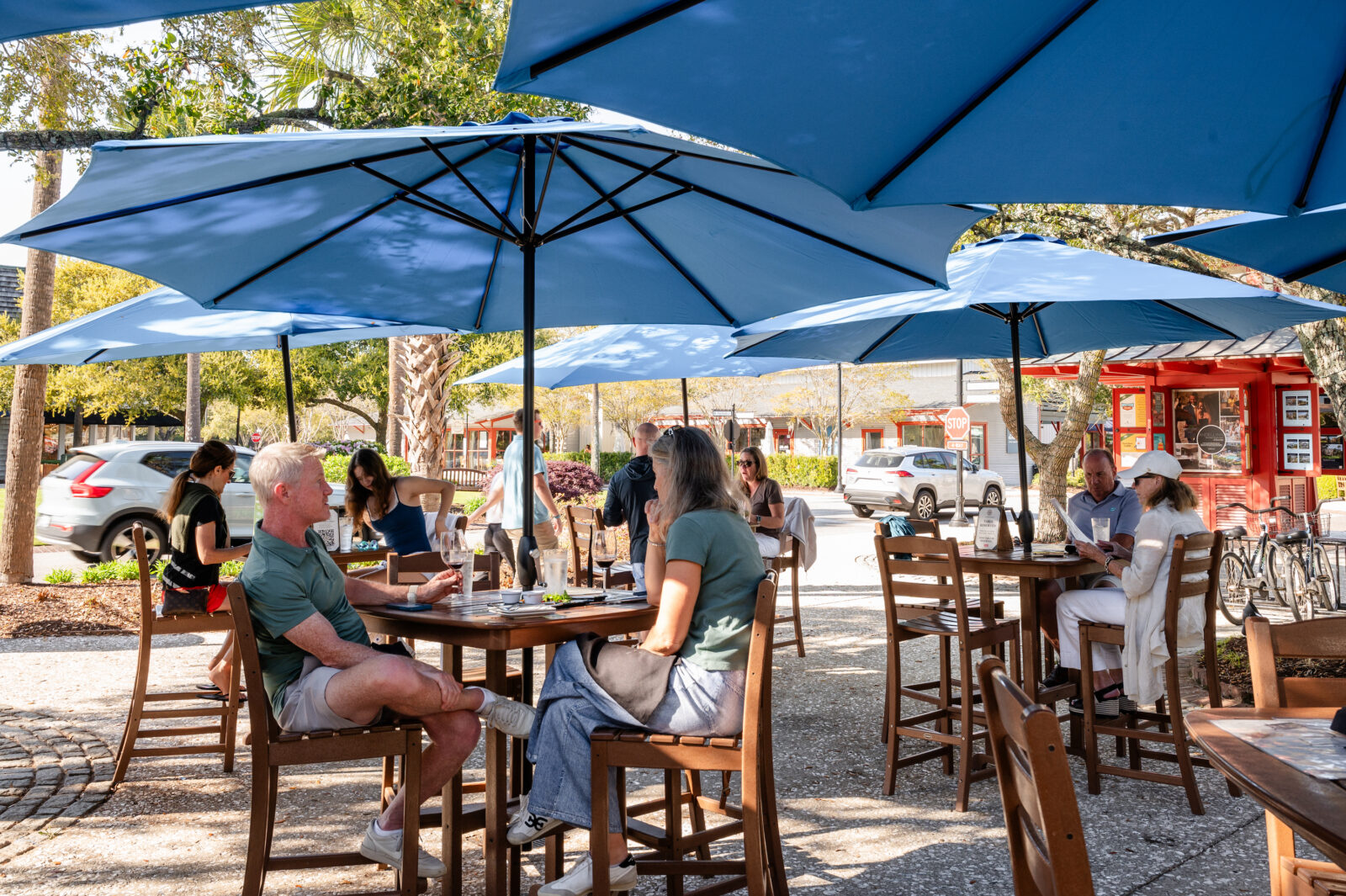
"I love when I see them out at Freshfields after meeting at one of my dinners and discover they’ve become close friends," Hanks notes, reflecting on the intimate salon-style dinner parties she hosts for executives, CEOs, and entrepreneurs. By replacing traditional transactional exchanges with shared evenings of fashion, food, and friendship, Hanks has positioned her boutique as a vital social node.
This sentiment is echoed by Catharine Gregory, operations manager for GDC Home, whose family-run business spans three generations. Representing a legacy initiated by her ninety-two-year-old grandmother, Gregory emphasizes the long-tail nature of client relationships at Freshfields.
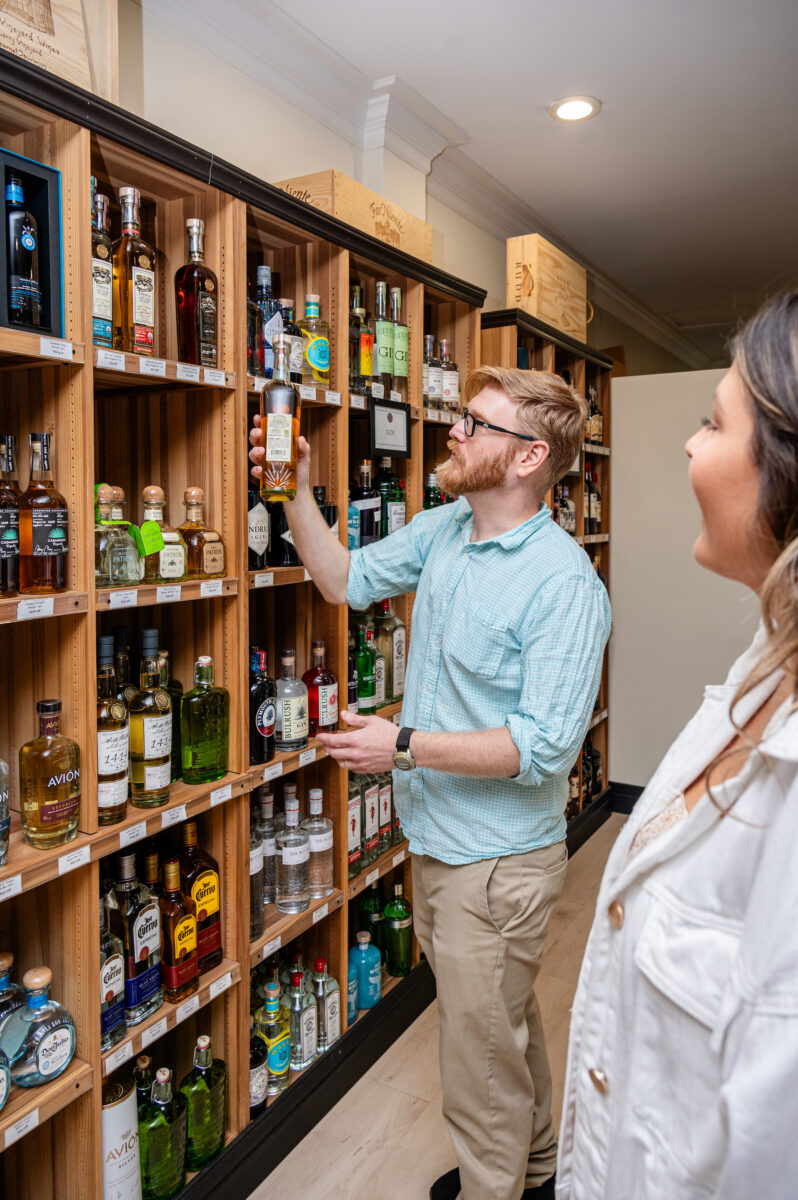
"Freshfields is such a special place," Gregory shares. "We have customers we first worked with years ago who still stop by just to say hello and catch up. We become part of their lives. It’s about helping people create a home, but it’s also about being part of this community."
On the culinary front, Bea Shaffer Young—who honed her operational expertise helping grow the Callie’s Hot Little Biscuit brand alongside founder Carrie Morey—has cultivated an equally collaborative environment at Café Eugenia. Rather than imposing a static menu, Young treats her loyal patrons as de facto business advisors. When regulars requested espresso, it was added; when breakfast sandwiches were demanded, they joined the daily offerings.
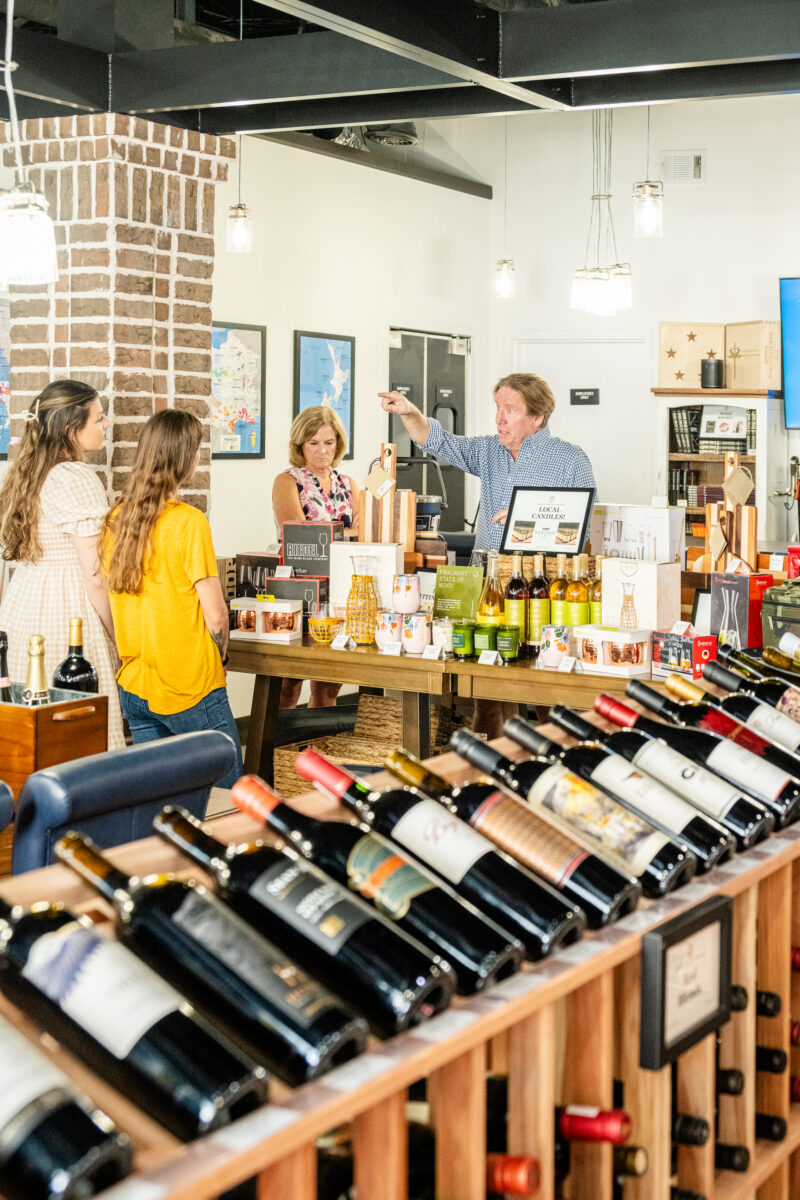
"I have a wonderful community of regulars who have been my cheerleaders since day one," Young says. "It’s become even more than I imagined."
Loren Beadle summarizes the foundational ethos that has allowed his family of businesses to endure and flourish alongside the Village since its inception in 2005:
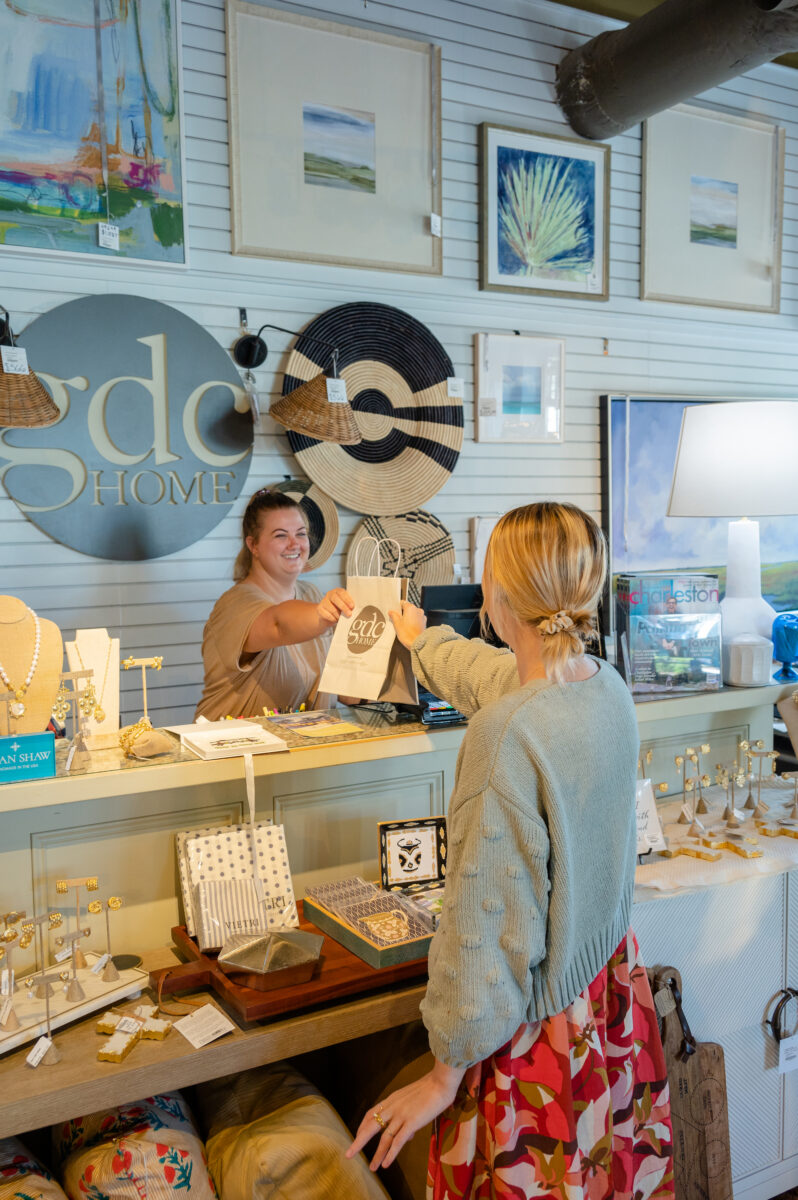
"We have managers who worked for us during college, got their degree from Clemson or from USC or from College of Charleston, and now work for us full-time as salaried managers."
Future Outlook: The Blueprint for Experiential Town Centers
As Freshfields Village looks toward the horizon, its operational model offers a vital lesson for urban planners, real estate developers, and retail strategists across the nation. In a commercial landscape increasingly haunted by empty storefronts and digital fatigue, Freshfields proves that physical retail remains viable—and indeed, highly profitable—when it prioritizes placemaking over passive product distribution.

The Village’s calendar of events—spanning seasonal concerts on the green, outdoor movie nights, vibrant local farmers markets, and festive holiday celebrations—ensures that it functions as a multi-generational destination rather than a single-purpose shopping center. Families who return summer after summer do so not merely to acquire goods, but to participate in a shared regional culture.
Moving forward, the challenge for destination developments will be resisting the temptation toward corporate homogenization. Freshfields Village has insulated itself against this threat by championing independent, fiercely dedicated owner-operators who view their customers not as anonymous metrics, but as neighbors, confidants, and friends. By safeguarding this culture of genuine hospitality, Freshfields Village has not only secured its own enduring legacy along the South Carolina coast, but has also established the gold standard for community-first retail in the twenty-first century.

0 Comments