

Executive Overview
INDEPENDENCE, Kan. — In what local officials have described as one of the most devastating structural disasters in the modern history of Montgomery County, a fast-moving residential fire tore through a family home in the early morning hours, claiming the lives of a beloved grandmother and four of her young grandchildren. The catastrophic blaze, which broke out shortly after sunrise, has left an indelible scar on the tight-knit community of Independence, Kansas, plunging a grieving family into profound sorrow while capturing the sympathetic attention of the entire state.
According to emergency response officials and grieving relatives, the fire erupted at approximately 6:22 a.m. on a fateful Friday, catching the household off guard as family members slept. The flames rapidly consumed the structure, creating an inferno so intense that neighbors reported waking up to a terrifying wall of solid red light illuminating their windows.
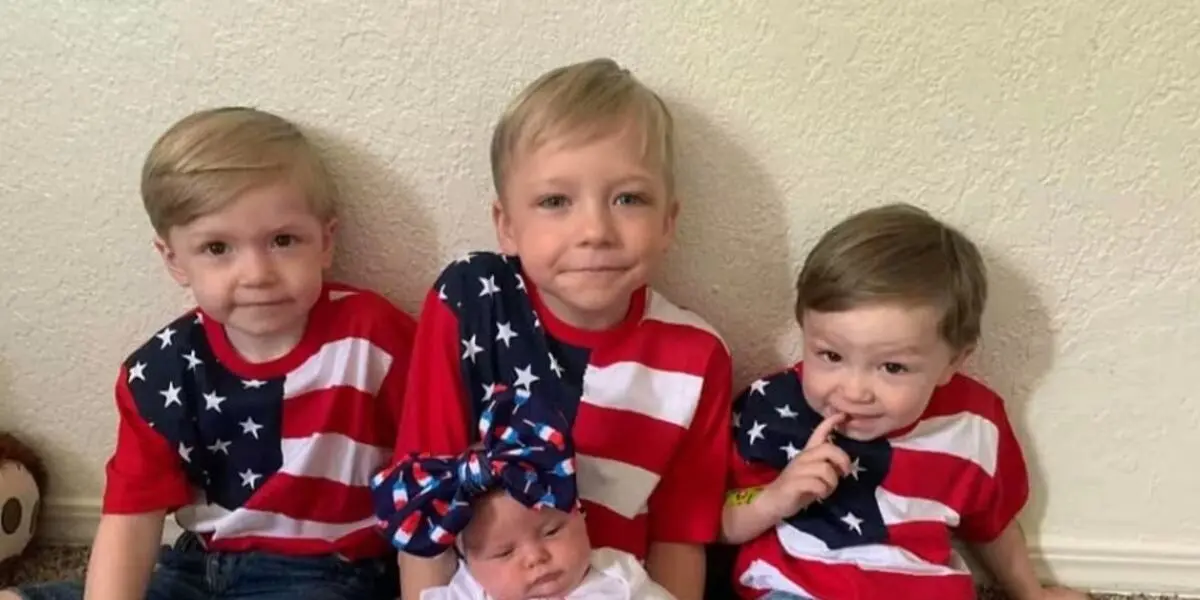
Tragically, five individuals perished in the blaze, including 64-year-old matriarch Johanna Landsaw-Davis and four of her grandchildren, identified by loved ones as Bane, Case, Ahlaya, and Renesmae. Five other occupants managed to escape or were rescued from the burning structure, sustaining serious injuries that required immediate emergency hospitalization. Among the survivors receiving medical treatment are the children’s mother, Destiny, and their eldest sibling, alongside three other unnamed individuals.
As local, county, and state fire investigators sift through the charred debris to determine the exact origin and cause of the conflagration, the community has rallied around the surviving family members. Vigils, fundraising campaigns, and heartfelt public statements from local leaders highlight a city united in grief. This in-depth report examines the chronology of the disaster, the human toll on the affected family, the harrowing accounts of eyewitnesses, official responses from municipal authorities, and the ongoing efforts to support the survivors as they navigate an unimaginable path toward recovery.
Detailed Chronology: The Sequence of Events
The Premature Dawn and the Onset of the Blaze
The morning of the fire began like any other in the quiet residential neighborhood in Independence, Kansas. Meteorological records indicate that early autumn conditions were calm, but the interior of the home quickly transformed into a death trap. At precisely 6:22 a.m., emergency dispatchers at the Montgomery County 911 center received frantic calls reporting a heavy residential structure fire with multiple people trapped inside.
Emergency responders, including engine companies from the Independence Fire Department and mutual aid partners, were dispatched immediately. The first units arrived on the scene within minutes of the initial call, only to encounter a fully involved structure. Flames were already breaching the roofline and windows, and thick, toxic black smoke billowed into the morning sky, reducing visibility and severely complicating rescue operations.
The Desperate Rescue and Medical Triage
Firefighters and law enforcement officers on the scene initiated aggressive interior attack and search-and-rescue protocols despite extreme heat and structural compromise. The intensity of the blaze hampered immediate access to the interior rooms where the victims were believed to be sleeping.
As crews battled the raging fire, emergency medical services (EMS) set up a triage area outside. Five survivors—including the mother, Destiny, and the eldest sibling, alongside three other household members—were pulled from the burning home or managed to escape on their own. Paramedics immediately administered life-saving interventions on the lawn before rushing the injured victims to regional hospitals for critical care, treating burns, smoke inhalation, and traumatic injuries.
Despite the swift and courageous actions of first responders, Johanna Landsaw-Davis and her four young grandchildren—Bane, Case, Ahlaya, and Renesmae—succumbed to the toxic smoke and thermal injuries sustained during the incident. By mid-morning, the fire was brought under control, leaving behind a gutted shell of timber, ash, and personal belongings.
Human Toll and Family Impact: Remembering the Victims
A Matriarch and Four Young Lives Lost
In the wake of any major disaster, statistics often obscure the human reality of the loss. In Independence, the tragedy has deeply affected a family known for its close bonds.
Family members formally identified the victims to local media outlets and through public support platforms. At the center of the loss is Johanna Landsaw-Davis, widely remembered by those who knew her as a dedicated grandmother who anchored her extended family. Alongside her, the four young grandchildren—Bane, Case, Ahlaya, and Renesmae—whose vibrant lives were cut tragically short, have left an empty space in the hearts of their relatives and school communities.
The Survivors and the Long Road to Healing
While mourning the sudden loss of five family members, the surviving occupants face a grueling physical and psychological recovery. Destiny, the mother of the young victims, and the family’s eldest sibling were among the five hospitalized following the blaze.
The physical trauma of severe burns and smoke inhalation requires specialized medical intervention, but family representatives emphasize that the psychological toll is immeasurable. Angela Lybarger, a cousin to several of the victims, spoke candidly about the emotional shock reverberating through the family tree.
"I was saddened. Very saddened," Lybarger expressed in an interview following the incident. Despite the profound grief, Lybarger emphasized the family’s resilience and their deep gratitude for the outpouring of compassion from strangers and neighbors alike. "We are very thankful for everybody’s support."
To assist with the astronomical financial burdens accompanying such a catastrophe—including specialized medical bills for the hospitalized survivors and extensive funeral expenses for five family members—loved ones established an official GoFundMe campaign. The community response was swift, demonstrating how local solidarity can provide a vital lifeline during moments of acute crisis.
Supporting Context & Metrics: Eyewitness Accounts and Community Response
The Visual Scale of the Inferno: Eyewitness Accounts
The sheer velocity and power of the fire left neighbors stunned. Residential fires of this magnitude are rare in Independence, making the sensory shock particularly acute for those living nearby.
Michelle Blankenship, a neighbor whose home was situated dangerously close to the fire, recounted the harrowing moments she realized something was terribly wrong.
"I walked out of my bedroom, and it was just a solid wall of red outside the windows in the front," Blankenship said, describing the blinding glow of the flames reflecting off the glass before emergency crews arrived. "Once I found out how many people died, it was just… awful, awful."
The psychological impact on neighbors and first responders highlights the secondary trauma associated with fatal residential fires. Entire neighborhoods were left shaken, altering the collective sense of safety in the community.
Statistical Context of Residential Fires in the United States
While specific structural details of the Independence home remain under investigation, national safety metrics provided by the National Fire Protection Association (NFPA) offer broader context regarding the dangers of residential fires.
According to NFPA data:
- Time of Vulnerability: Fires occurring during the overnight and early morning hours (such as the 6:22 a.m. incident in Independence) carry a significantly higher risk of civilian fatalities because occupants are typically asleep and unaware of the initial ignition.
- Speed of Spread: Modern home furnishings, synthetic building materials, and open-concept floor plans allow fires to reach flashpoint conditions much faster than homes built decades ago, sometimes providing occupants with less than three minutes to escape safely.
- Multi-Fatality Events: Fires resulting in five or more fatalities represent a small fraction of total residential fire incidents nationwide, classifying them as mass-casualty events that mobilize regional, state, and occasionally federal investigative resources.
Official Statements and Institutional Response
Independence Fire Department Expresses Grief
In the days following the disaster, municipal leaders and emergency services personnel stepped forward to offer public condolences and provide administrative transparency.
Independence Fire Chief Aaron Cook released a heartfelt public statement via social media, reflecting the profound sorrow felt by the men and women of the department who responded to the scene.
"Our hearts are broken, and we hurt alongside you," Cook wrote in a widely shared department post. "There are no words that can adequately express the sorrow we feel for your loss. Please know that our entire department is thinking of you, praying for you, and standing beside you during this unimaginable time. This tragedy will forever leave an emotional mark on all of us."
Chief Cook’s acknowledgment of the emotional toll on first responders underscores the reality that firefighters and emergency medical technicians carry heavy psychological burdens long after the hoses are rolled up and the smoke clears.
Ongoing Multidisciplinary Investigation
As public mourning continues, the technical work of uncovering the truth behind the disaster presses forward. Local fire marshals, working in coordination with state fire investigators and potentially specialized forensic units, have secured the scene to conduct a meticulous origin-and-cause investigation.
Determining why a fire started in a residential setting involves examining multiple hypotheses:
- Electrical Systems: Assessing aging wiring, overloaded circuits, or appliance malfunctions.
- Heating and Cooking: Reviewing potential issues with seasonal heating equipment or kitchen appliances.
- Accidental Ignition: Investigating unintended sources of heat that may have come into contact with combustible materials.
Authorities have urged patience from the public as forensic teams process the scene systematically, noting that comprehensive fire investigations can take weeks to yield definitive, scientifically validated conclusions.
Future Outlook: Recovery, Memorialization, and Fire Safety Advocacy
Rebuilding Lives and Honoring Memories
As the city of Independence moves forward, the immediate future will be defined by memorial services, ongoing medical treatments for the survivors, and the slow process of emotional healing for the surviving family members. Community organizations, local churches, and civic groups have mobilized to provide ongoing counseling services, housing assistance, and material aid to Destiny and her surviving family members as they attempt to piece their lives back together.
The Broader Legacy: Reinforcing Fire Safety
Tragedies of this scale inevitably prompt a renewed focus on public safety and preventative education within rural and suburban communities. Local safety advocates hope that the heartbreaking loss of Johanna Landsaw-Davis, Bane, Case, Ahlaya, and Renesmae will serve as a stark reminder of the critical importance of home safety measures:
- Working Smoke Alarms: Ensuring that interconnected, photoelectric and ionization smoke detectors are installed on every level of the home and inside every sleeping area.
- Family Escape Plans: Practicing regular fire drills with children to ensure everyone knows at least two ways out of every room.
- Clear Pathways: Maintaining unobstructed exits that can be reached quickly in zero-visibility conditions.
While no amount of preparation can completely erase the vulnerability inherent in daily life, the community of Independence remains steadfast in its resolve to honor the memories of those lost by supporting the survivors and looking out for one another in the dark days ahead.

0 Comments