

Executive Overview
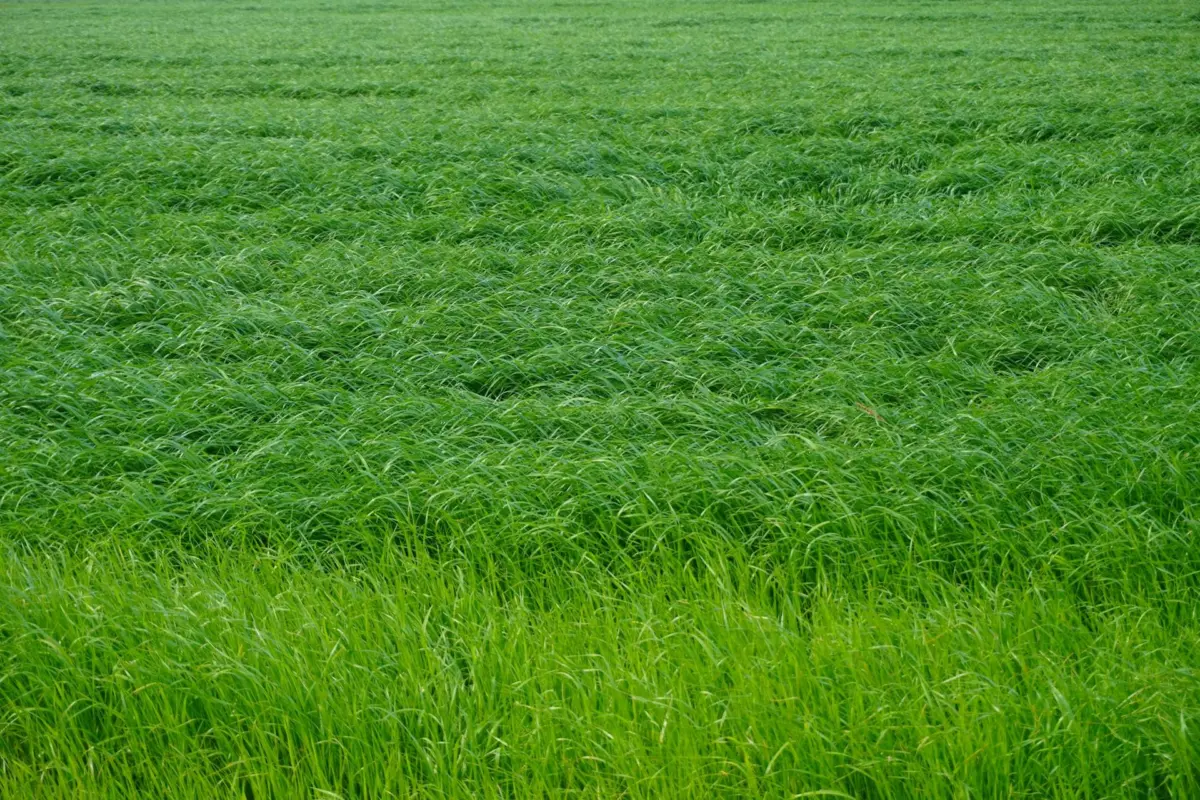
For generations, the period between cash crop harvest and the subsequent spring planting season left agricultural soils vulnerable, exposed, and economically dormant. Vast tracts of American farmland sat bare, open to the harsh scouring of winter winds, the nutrient-stripping impact of torrential rains, and the steady degradation of long-term soil structure. Today, however, a quiet revolution is taking root across the agricultural landscape. Producers are increasingly looking beyond traditional fallow periods, turning instead to the strategic, multifaceted implementation of cover crops.
Far from serving as a mere cosmetic fix or a single-season novelty, cover crops have emerged as an essential tool for modern farm management. According to agricultural leaders and conservation experts—including USDA Undersecretary for Farm Production and Conservation Richard Fordyce—these secondary plantings do far more than simply anchor the earth. They inject vital biological diversity into depleted root zones, supercharge soil organic matter, foster complex subterranean ecosystems, and offer immediate economic relief to livestock producers grappling with tight feed inventories.
This comprehensive report examines the multifaceted benefits of cover cropping, exploring the biological mechanisms at play beneath the surface, the tactical integration of livestock grazing for extended forage supply, and the broader macroeconomic implications for a changing agricultural sector. By analyzing expert testimony, current soil science, and practical farm management strategies, we explore why the future of sustainable, profitable farming relies heavily on what grows when the cash crop is gone.
Detailed Chronology: The Evolution of Cover Cropping in Modern Agriculture
To understand where cover crop management stands today, it is instructive to trace how the practice has evolved from an ancient, localized tradition into a sophisticated, federally recognized component of modern agronomy.
Pre-Industrial Roots and the Green Revolution
For centuries, indigenous and early American farmers instinctively utilized green manures—such as clover, vetch, and rye—to restore vitality to overworked soils. However, the advent of the mid-20th-century Green Revolution, characterized by cheap synthetic fertilizers, powerful chemical pesticides, and heavy mechanization, temporarily sidelined these biological methods. Soils were treated primarily as inert chemical anchoring systems rather than living biological matrices. Nitrogen and phosphorus could be applied in granular bags, seemingly bypassing the need for natural nitrogen fixation or biological organic matter cycling.
The Wake-Up Call: Erosion and Degradation
By the late 20th century, the ecological and economic costs of bare-fallow systems became impossible to ignore. Massive wind erosion events, nutrient runoff contributing to hypoxic dead zones in waterways (such as the Gulf of Mexico), and steadily declining soil organic carbon levels forced the agricultural scientific community to re-evaluate traditional paradigms. Researchers began documenting how continuous tillage and uncovered winter soils were stripping farmland of its most valuable asset: topsoil.
The Contemporary Era: Data-Driven Conservation
Over the past two decades, the narrative has shifted dramatically. Driven by advances in soil microbiology, precision agriculture, and a series of severe weather anomalies, cover crops transitioned from an experimental niche for organic producers to a mainstream recommendation backed by the USDA and various land-grant universities. Federal conservation programs began offering financial and technical assistance to offset the initial seed and management costs associated with adoption.
Today, cover crops are viewed through the lens of whole-farm systems optimization. Producers no longer ask if they can afford to plant a cover crop, but rather how they can tailor species selection to maximize carbon sequestration, weed suppression, moisture retention, and integrated livestock grazing.
Supporting Context & Metrics: The Science of Subterranean Regeneration
To appreciate the value of cover crops, one must look below the surface to understand the intricate biological and physical processes that occur when fields are kept green year-round.
[Cash Crop Harvest] ---> [Plant Cover Crop] ---> [Biological Benefits]
                                                       |
         +---------------------------------------------+---------------------------------------------+
         |                                             |                                             |
[Soil Armor & Protection]                  [Microbial Stimulation]                    [Livestock Integration]
  - Prevents wind/water erosion              - Diverse root exudates                    - Fall forage capacity
  - Preserves topsoil structure               - Boosts beneficial bacteria               - Spring hay-supply relief
1. Soil Armor and Erosion Mitigation
During the inter-seeding months—typically late fall through early spring—unprotected agricultural land is subjected to extreme weather. Raindrops dislodge soil aggregates, creating surface crusts that impede water infiltration and accelerate runoff. Wind storms pick up dry topsoil, carrying away priceless layers of wind-blown silt and clay.
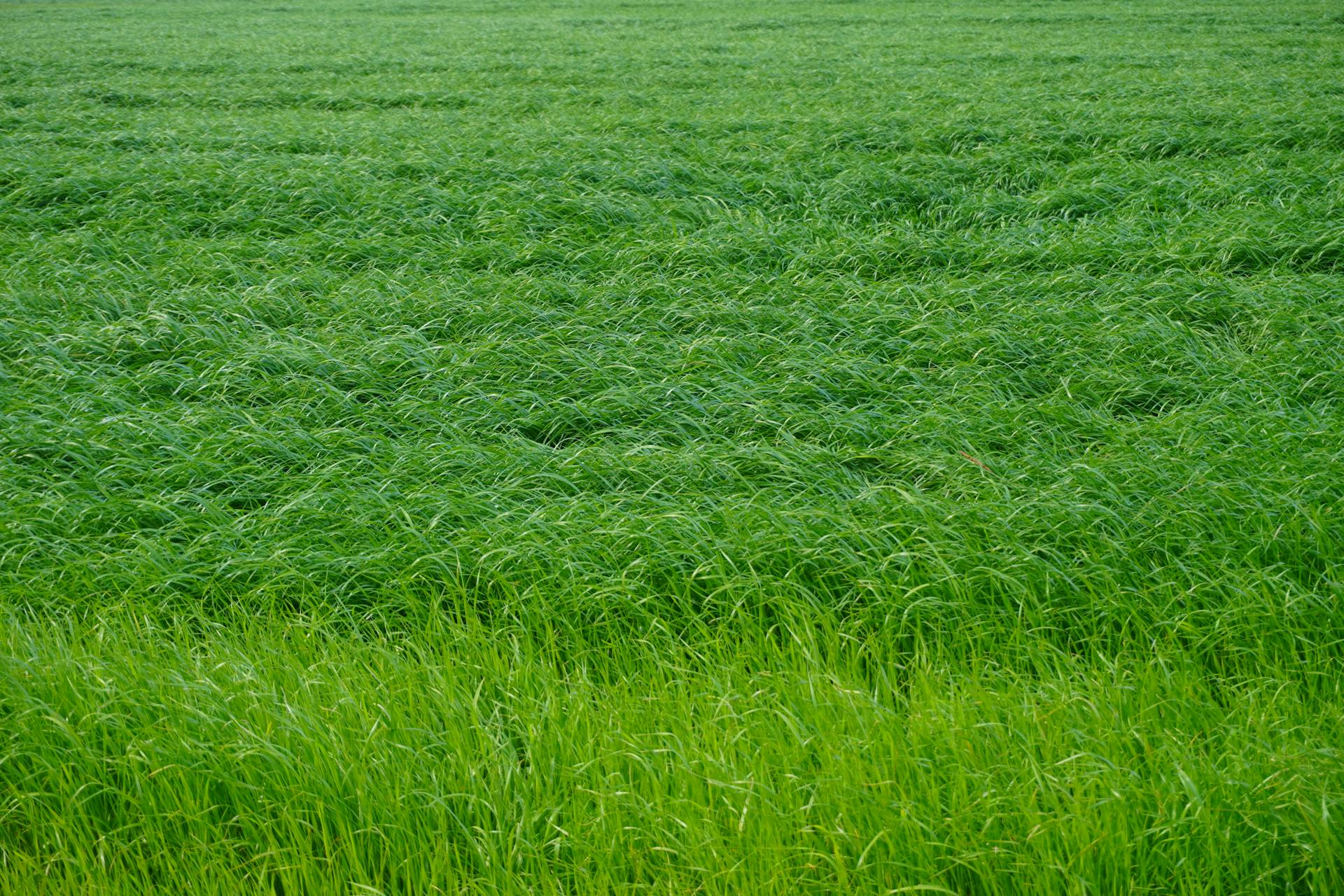
By establishing a living vegetative canopy, cover crops act as an organic shield. The leaves and stems intercept raindrops, dissipating their kinetic energy before they strike the bare earth. Simultaneously, the intricate web of surface residue slows down overland water flow, allowing moisture to infiltrate deep into the soil profile rather than washing away downstream.
2. Biological Diversification and Microbial Stimulation
Biodiversity is the cornerstone of a resilient soil ecosystem. Monoculture cash cropping—such as continuous corn or soybean rotations—often limits the range of microbial species inhabiting the rhizosphere. When a diverse mix of cover crops (combining grasses, brassicas, and legumes) is introduced, the root zone comes alive.
Different plant species release distinct root exudates—complex blends of carbohydrates, amino acids, and enzymes—that act as specific signaling molecules for soil microbes. These exudates feed targeted populations of beneficial bacteria and mycorrhizal fungi. In return, these microorganisms help aggregate soil particles, cycle locked-up nutrients, and protect cash crops from soil-borne pathogens.
3. Nutrient Cycling and Organic Matter Accretion
Leguminous cover crops, such as crimson clover or hairy vetch, possess the remarkable ability to partner with Rhizobium bacteria to fix atmospheric nitrogen, converting it into a plant-available form. This reduces a farmer’s reliance on synthetic nitrogen fertilizers for the subsequent cash crop season. Meanwhile, deep-rooting brassicas like tillage radishes punch through compacted subsoil layers, acting as biological "subsoilers" that improve water infiltration and pull leached nutrients back up toward the surface before they can wash into groundwater tables.
Official Statements: Insights from USDA Undersecretary Richard Fordyce
The strategic value of cover crops has been a focal point for federal agricultural outreach. USDA Undersecretary for Farm Production and Conservation Richard Fordyce has consistently highlighted the practical, multi-dimensional benefits that producers realize when they integrate these practices into their standard operating procedures.
"A cover crop is a crop that’s planted after the cash crop is harvested," Fordyce explained. "They’re species of plants that introduce plant biodiversity into the soil, and it can contribute to increased organic matter, but it also, roots of different types of plants stimulate different bacteria in the soil."
Fordyce emphasizes that the utility of cover crops extends far beyond abstract environmental metrics, translating directly into tangible farm-level protection and economic flexibility:
"Number two, it is a cover, covering cropland that over some months could be exposed to wind erosion, could be exposed to water erosion, and it covers that soil and helps protect the soil when there’s not an active cash crop growing. And then, depending on when they’re established in the fall, producers can get some grazing capacity out of those cover crops in the fall."
Crucially, Fordyce points out the dual-season utility that makes cover crops particularly attractive to integrated crop-livestock operations. By carefully managing the vegetation window, farmers can extract high-value forage without compromising the primary agronomic goals of soil protection and organic matter building:
"Once those cover crops green up in the spring, the ability to graze those for a period of time, and certainly it’s not a long time, but that can help a livestock producer maybe stretch out their hay supply or just be an alternative source of forage."
Future Outlook: Economic Integration, Grazing, and Sustainable Agriculture
As the agricultural sector looks toward the horizon, the conversation around cover crops is increasingly centered on economics and climate resilience. The intersection of crop production and livestock management—often referred to as integrated crop-livestock systems—represents one of the most promising frontiers in modern farming.
Easing the Hay Supply Crunch
For cattle producers and livestock operators, winter and early spring feed costs represent one of the single largest line items on the balance sheet. Hay prices fluctuate wildly depending on regional drought conditions, shipping costs, and seasonal availability.
By utilizing fall-planted cover crops that survive the winter dormancy and green up early in the spring, livestock producers gain a vital bridge. Controlled rotational grazing on these greening cover crops allows cattle to harvest their own feed weeks earlier than would otherwise be possible on permanent pastures. This directly reduces the volume of stored hay required, lowers labor and fuel costs associated with feeding livestock, and provides animals with high-protein, highly digestible forage right when nutritional demands are peaking.
Navigating Challenges and Management Realities
Despite the clear long-term benefits, transitioning to a cover-cropped system is not without its hurdles. Producers must carefully navigate several logistical considerations:
- Termination Timing: Farmers must master the precise timing and method for terminating cover crops in the spring to prevent moisture depletion or competition with the newly emerging cash crop.
- Seed Costs and Selection: Choosing the correct seed mix tailored to local microclimates, soil types, and crop rotations requires agronomic expertise.
- Equipment Adjustments: No-till planting into heavy cover crop residue often requires specialized planter attachments to ensure proper seed depth and optimal soil-to-seed contact.
However, as agricultural extension services, seed companies, and federal agencies continue to refine management recommendations, the learning curve is flattening. Financial incentives from carbon markets, state-level soil health grants, and federal cost-share programs are further tipping the economic scales in favor of adoption.
Conclusion
Cover crops have decisively graduated from a niche conservation practice to a cornerstone of modern, regenerative agriculture. By shielding vulnerable soils from the erosive forces of wind and water, feeding the unseen biological engine beneath the surface, and offering innovative forage solutions for livestock operations, these secondary plantings prove that what happens between growing seasons matters just as much as the harvest itself. As producers continue to innovate and adapt, the humble cover crop stands out as a powerful testament to the fact that ecological stewardship and long-term farm profitability can—and must—go hand in hand.

0 Comments