

Executive Overview
Domestic violence remains one of the most pervasive, underreported, and deeply entrenched public health crises in modern society. Behind closed doors, millions of individuals—predominantly women and children—endure physical, emotional, psychological, and financial abuse that strips away their safety, independence, and dignity. While the statistics are staggering, the human toll is immeasurable. Yet, within the greater St. Louis metropolitan area, a beacon of hope has been shining for decades, offering not just temporary refuge, but a comprehensive pathway toward long-term healing, stability, and self-sufficiency.
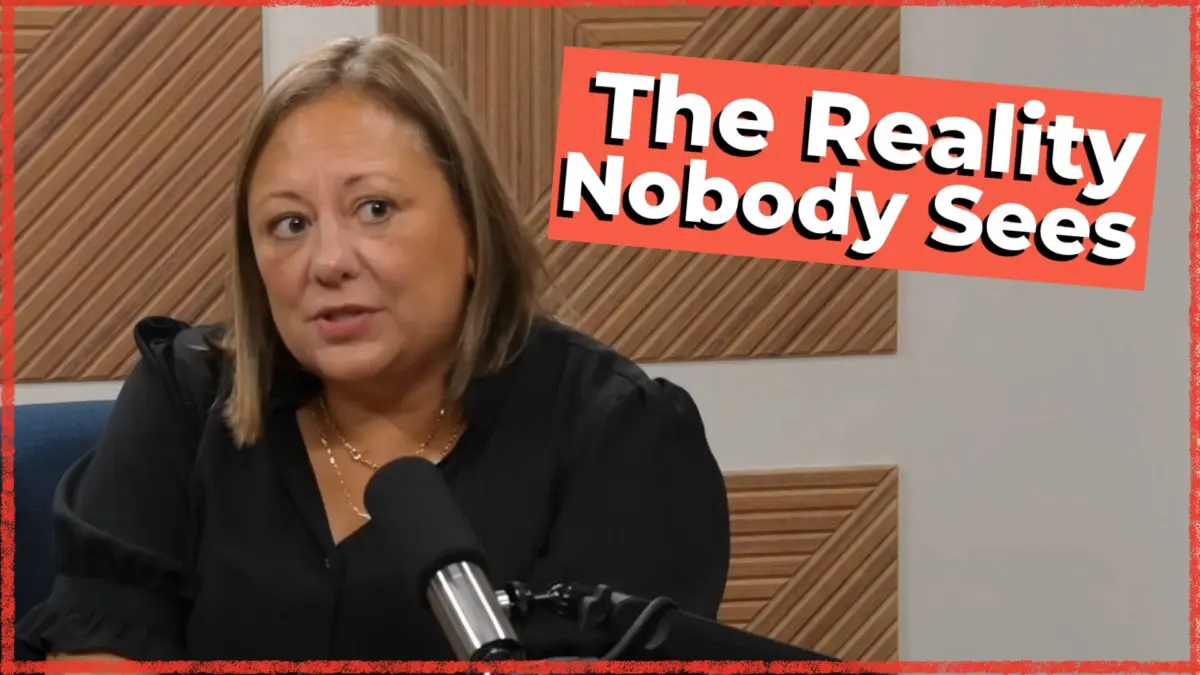
In the latest, highly anticipated episode of Following Leads: The Podcast—a flagship production of The Following Leads Podcast Network and Gray Media—listeners are granted an intimate, unflinching look into this critical world. Host and producers sit down with Jessica Woolbright, LCSW, the Executive Director of Saint Martha’s, a pioneering St. Louis-based organization dedicated to supporting women and children impacted by domestic violence.
This comprehensive deep-dive explores the anatomy of domestic abuse, the systemic barriers that prevent victims from leaving toxic environments, the critical intervention strategies employed by frontline social workers, and the multifaceted approach required to break generational cycles of trauma. Through Woolbright’s expert lens, the conversation illuminates the harsh realities faced by survivors in the Midwest and highlights the transformative power of trauma-informed care.
This article expands upon the themes discussed in the podcast, providing an investigative overview of Saint Martha’s operational framework, the broader socio-economic landscape of domestic violence in St. Louis, and the imperative future outlook for survivor advocacy in an ever-shifting socio-political climate.
Detailed Chronology: The Evolution of Saint Martha’s and Modern Crisis Intervention
To truly understand the impact of Saint Martha’s today, one must examine the chronological evolution of domestic violence intervention over the past several decades. Historically, society viewed domestic violence as a private, domestic matter best kept behind closed doors. Law enforcement responses were often hesitant, and community resources were virtually nonexistent. Victims who managed to flee abusive households frequently found themselves facing homelessness, poverty, and institutional abandonment.
The Paradigm Shift: From Emergency Shelter to Holistic Empowerment
In response to these systemic failures, community advocates, social workers, and mental health professionals began organizing grassroots networks to protect vulnerable populations. Organizations like Saint Martha’s emerged from this movement, initially focused on providing emergency, short-term safe housing for women and children fleeing immediate physical danger.
However, as clinical understanding of domestic violence evolved, so too did the operational models of crisis centers. Leaders like Jessica Woolbright recognize that a safe bed for the night is merely the first step in a long, arduous journey. True liberation requires dismantling the web of control woven by abusers—a web that frequently encompasses financial dependency, social isolation, legal intimidation, and psychological manipulation.
During the conversation on Following Leads: The Podcast, Woolbright outlines the modern chronological framework of client engagement at Saint Martha’s:
- Immediate Crisis Stabilization: Ensuring physical safety, medical attention, and immediate emotional support upon intake.
- Comprehensive Assessment: Evaluating the unique risks, legal needs, and psychological trauma experienced by the survivor and any accompanying children.
- Trauma-Informed Care Integration: Deploying licensed clinical social workers (LCSWs) to address post-traumatic stress, anxiety, and depression.
- Long-Term Resource Navigation: Guiding survivors through stable housing acquisition, employment training, educational advancement, and legal advocacy.
This chronological progression ensures that survivors are not merely surviving transient crises, but are systematically empowered to build sustainable, independent lives free from fear.
Supporting Context & Metrics: The St. Louis Domestic Violence Landscape
To appreciate the gravity of the work performed by Jessica Woolbright and her team at Saint Martha’s, it is essential to contextualize the data surrounding domestic violence within Missouri and the broader St. Louis region.
Understanding the Numbers
According to comprehensive public health reports and law enforcement data:
- Prevalence: Nearly 1 in 3 women and 1 in 4 men in the United States experience some form of physical violence by an intimate partner in their lifetime. In Missouri, rates of domestic violence consistently track at or above the national average.
- The Lethality Factor: The presence of a firearm in a domestic violence situation increases the risk of homicide for women by over 500%. St. Louis, like many urban centers, faces acute challenges regarding gun violence intertwined with domestic disputes.
- Economic Toll: Domestic violence costs the U.S. economy tens of billions of dollars annually in medical expenses, lost productivity, and legal/criminal justice expenditures. Locally, survivors often lose their jobs due to abuser interference (such as harassment at the workplace or forced absenteeism), compounding their financial entrapment.
The Complexity of Child Exposure
Saint Martha’s places a specialized emphasis on supporting children impacted by domestic violence. Children do not merely witness abuse; they absorb its trauma. Developmental psychologists note that growing up in a home characterized by intimate partner violence can lead to:
- Academic decline and behavioral disruptions in school.
- Long-term neurological and emotional alterations akin to those seen in combat veterans suffering from PTSD.
- An increased statistical likelihood of perpetuating or becoming victims of abuse in their own adult relationships.
By providing targeted pediatric therapeutic interventions, Saint Martha’s interrupts this devastating cycle, ensuring that the next generation is equipped with emotional regulation skills, conflict-resolution mechanisms, and healthy relationship models.
Official Statements & Insights from Jessica Woolbright, LCSW
The dialogue between the Following Leads host and Jessica Woolbright offers profound insights into the day-to-day realities, systemic challenges, and emotional triumphs of running a premier domestic violence agency. Below are synthesized key takeaways and philosophies articulated by Woolbright during the episode:
Redefining Strength and Resilience
A central theme of Woolbright’s advocacy is the rejection of victim-blaming narratives. Society frequently asks the misguided question, "Why doesn’t she just leave?" Woolbright reframes this inquiry entirely, explaining that leaving an abusive relationship is statistically the most dangerous time for a victim.
"When a survivor makes the courageous decision to walk away, the abuser’s loss of control often triggers an escalation in violence," Woolbright emphasizes. "Leaving is not a simple event; it is a calculated, perilous process that requires immense strategic planning, resources, and institutional backing."
The Role of the Licensed Clinical Social Worker (LCSW)
As an LCSW, Woolbright brings a clinical rigor to executive leadership. She underscores that domestic violence is not merely a legal or housing issue, but a profound mental health crisis. Traditional shelters that lack clinical infrastructure often struggle to address the deep-seated psychological wounds inflicted by chronic coercive control. At Saint Martha’s, clinical assessment informs every tier of service delivery, ensuring that trauma is treated with specialized, evidence-based modalities such as Cognitive Behavioral Therapy (CBT) and Eye Movement Desensitization and Reprocessing (EMDR).
Community Collaboration and Collective Responsibility
Woolbright is quick to point out that Saint Martha’s cannot operate in a vacuum. Combating domestic violence requires a synchronized, multi-disciplinary approach involving:
- Law Enforcement and Judiciary: Ensuring protective orders are enforced and officers are trained in trauma-informed response protocols.
- Healthcare Providers: Equipping emergency room doctors and nurses to identify hidden signs of domestic abuse and connect patients directly with advocates.
- The Corporate Sector: Creating employment opportunities and flexible workplaces for survivors attempting to rebuild their financial independence.
Future Outlook: Challenges and Innovations in Survivor Advocacy
As we look toward the horizon, the landscape of domestic violence advocacy is undergoing rapid transformation, driven by technological advancements, shifting legal frameworks, and evolving community needs.
The Digital Threat Landscape: Cyberstalking and Digital Coercion
Modern abusers have expanded their arsenals beyond physical intimidation into the digital realm. Cyberstalking, spyware installation, GPS tracking via smartphones, and financial harassment through digital banking platforms have become pervasive tactics.
Looking forward, organizations like Saint Martha’s are investing heavily in digital security training for advocates and clients alike. Helping survivors secure their digital footprints, recognize technological surveillance, and safely navigate online communication is now just as critical as changing the locks on a physical door.
Securing Sustainable Funding and Policy Reform
Nonprofit organizations dedicated to human services perpetually face funding volatility. Government grants, philanthropic donations, and corporate sponsorships fluctuate with economic cycles, yet the demand for domestic violence services remains constant—and often increases during economic downturns.
Woolbright and her peers continue to advocate at the state and federal levels for robust, predictable funding streams for victim services. Legislative priorities include:
- Expanding legal aid access for survivors navigating complex divorce, custody, and protective order proceedings.
- Increasing appropriations for affordable, transitional housing programs specifically designated for domestic violence survivors.
- Enhancing gun-restriction laws for individuals served with domestic violence orders of protection.
Scaling Trauma-Informed Education
Ultimately, the future of domestic violence intervention lies in prevention. Educating youth about healthy boundaries, consent, emotional intelligence, and red flags in relationships is the most effective long-term strategy for eradicating abuse. Saint Martha’s continues to look outward into the St. Louis community, engaging in educational outreach programs that dismantle cultural myths surrounding gender, power, and conflict.
Conclusion
The conversation with Jessica Woolbright on Following Leads: The Podcast serves as both a sobering reminder of the dark realities of domestic violence and an inspiring testament to the resilience of the human spirit. Through the unwavering dedication of organizations like Saint Martha’s, countless women and children in St. Louis are given the tools, safety, and community support required to reclaim their lives.
As listeners tune in to this essential episode across Gray Media station websites, streaming apps, and major podcast platforms, they are invited to move beyond passive observation and become active participants in the movement against domestic violence. Whether through volunteering, financial support, or simply amplifying the voices of survivors, every community member has a role to play in breaking the cycle.
Following Legends, Truths, and Advocacy: Following Leads: The Podcast is a premier production of The Following Leads Podcast Network & Gray Media. All rights reserved © 2026 Gray Local Media, Inc.

0 Comments