

Executive Overview
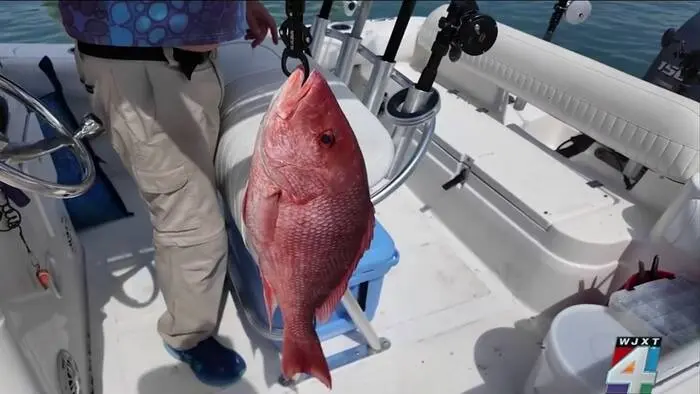
FLORIDA — Following months of complex regulatory maneuvering, legal hurdles, and shifting management proposals, the National Oceanic and Atmospheric Administration (NOAA) Fisheries has officially approved a revised Exempted Fishing Permit granting Florida anglers a continuous 14-day window to harvest red snapper this fall. The upcoming season, scheduled to run from October 9 through October 22, 2026, represents a significant development for both private recreational anglers and for-hire charter operations seeking access to one of the Atlantic’s most coveted and heavily managed reef fish species.
The authorized two-week season will encompass both state and federal waters off the Atlantic coast of Florida, offering participants a daily bag limit of one red snapper per person with no minimum size restriction. However, this hard-won access comes paired with a stringent framework of compliance requirements, mandatory trip declarations, and rigorous data-reporting protocols designed to satisfy federal oversight and prevent overfishing.
While the announcement has been welcomed by local fishing communities eager for predictable access to the fishery, it also underscores persistent tensions between state management desires and federal conservation mandates. Last year’s restricted two-day season left many anglers frustrated, and while initial hopes for an expanded spring and fall framework were derailed earlier this year by a federal court ruling, the newly secured October window offers a critical opportunity for scientists, managers, and fishermen alike to gather vital catch data. Depending on the success and ecological metrics observed during this upcoming two-week period—and subsequent data evaluations conducted by the Florida Fish and Wildlife Conservation Commission (FWC) and NOAA Fisheries—anglers could potentially see an additional fishing window materialize in December 2026.
As the countdown to October begins, the marine community is bracing for heavy maritime traffic, heightened regulatory scrutiny, and a collective responsibility to ensure accurate reporting that will shape the long-term future of the Atlantic red snapper fishery.
Detailed Chronology: The Road to the 2026 Fall Season
The path to the October 2026 red snapper season has been anything but straightforward. Over the past several years, the management of Atlantic red snapper has been characterized by sharp fluctuations in season length, intense legal and administrative battles, and a continuous tug-of-war between recreational fishing advocates and marine conservation regulators.
The Legacy of Restricted Access
For years, Atlantic red snapper populations suffered from historical overfishing, prompting strict federal regulations that virtually closed the fishery for extended periods. In recent seasons, recreational anglers have faced deeply compressed windows to harvest the species. Last year, for instance, the Atlantic red snapper season was restricted to an extraordinarily brief two-day window. For Florida’s angling community, a two-day season was viewed as little more than a tease—insufficient for recreational enjoyment, economically damaging to charter businesses, and virtually useless for generating meaningful recreational catch statistics.
The Spring Proposal and Federal Judicial Intervention
Recognizing the economic and social frustrations of a multi-day closure, the state of Florida pursued a more expansive management strategy earlier this year. In May, state fisheries managers proposed a substantially broadened 39-day season spanning across May and June, which was to be supplemented by three dedicated fishing weekends in October. The ambitious proposal was designed to provide balanced, seasonal access while easing the intense pressure of a single, highly concentrated derby-style fishing event.
However, the state’s plan hit a major roadblock. Conservation groups and federal oversight bodies raised concerns regarding the biological sustainability of an extended 39-day harvest under the existing management framework. Consequently, a federal court intervened, ultimately blocking the state’s proposed spring schedule. The judicial ruling forced state wildlife officials back to the drawing board, leaving the 2026 outlook uncertain and threatening to plunge anglers back into the frustration of severely limited access.
The Revised Permit and the October Breakthrough
Refusing to abandon efforts to secure meaningful fishing opportunities, the FWC collaborated closely with NOAA Fisheries to revise the Exempted Fishing Permit (EFP). By refocusing the management strategy and incorporating tighter accountability measures, state and federal officials struck a compromise: a continuous 14-day season running from October 9 through October 22, 2026.
This revised timeline bridges the gap between total prohibition and over-expansion. By confining the harvest to two consecutive weeks in the fall, regulators hope to balance recreational fishing demands with the strict catch-limit thresholds mandated by federal law. Furthermore, the decision by NOAA to approve this permit provides a clear, enforceable legal framework that avoids the courtroom battles that plagued the earlier spring proposal, offering stability and predictability for the upcoming autumn months.
Supporting Context & Metrics: Navigating the Rules of Engagement
While a 14-day uninterrupted season is a welcome victory for Florida anglers, participating in the 2026 Atlantic red snapper fishery requires strict adherence to a comprehensive set of rules. Both state and federal authorities have emphasized that non-compliance could jeopardize future expansions or trigger emergency closures.
Bag Limits, Size Restrictions, and Gear Requirements
The regulations governing the October 9–22 season are specific:
- Bag Limit: Anglers are permitted to keep one red snapper per person, per day.
- Size Limit: There is no minimum size limit for red snapper harvested during this specific state-managed EFP season, meaning anglers do not need to measure fish before retaining them within their daily bag limit.
- Gear Specifications: Hook-and-line fishing must comply with a single-hook requirement, minimizing deep-hooking mortality and streamlining the release process for non-target species. Additionally, spearfishing is legally permitted during the season.
- For-Hire Restrictions: Captains and crew members operating for-hire vessels (charter boats) are strictly prohibited from retaining red snapper while on a paid trip; the bag limit applies exclusively to paying passengers. Furthermore, all harvested red snapper remain subject to the broader 10-fish snapper-grouper aggregate bag limit, ensuring cumulative pressure on reef fish remains within safe biological boundaries.
Mandatory Compliance and Reporting Protocols
Perhaps the most critical element of the revised Exempted Fishing Permit is the mandatory reporting structure. Because the season operates under an EFP, data collection is not merely encouraged—it is a legally binding prerequisite for participation.
- Licensing: Both private recreational anglers and for-hire captains must possess all appropriate state and federal fishing licenses and permits prior to dropping a line.
- Trip Declarations: All red snapper fishing trips must be officially declared before departure through the Florida Fish and Wildlife Conservation Commission’s Atlantic Red Snapper Reporting app.
- Documentation: Anglers are required to carry a physical or digital copy of their trip declaration, alongside a copy of Florida’s Exempted Fishing Permit, directly on their vessels during the outing.
- Catch Reporting: Following the trip, participants must log their harvest data through the FWC reporting app.
- Surrounding Surveys: Beyond the app, anglers are strongly encouraged to cooperate with ongoing data collection efforts, including the State Reef Fish Survey, specialized for-hire surveys, and dockside interviews conducted by fisheries biologists.
The immense emphasis on data collection stems from past criticisms that recreational catch estimates are prone to high margins of error. By compelling every participant to log their trips and catches, the FWC and NOAA aim to build a robust, empirical dataset that accurately reflects the total removals from the Atlantic stock.
Official Statements and Local Perspectives: Anticipation Meets Apprehension
Reactions to the announcement of the 14-day October season reveal a complex mixture of enthusiasm, logistical anxiety, and cautious optimism from both the angling community and wildlife management agencies.
The Fisherman’s Dilemma: Excitement vs. "Mayhem"
For local fishermen who spend their weekends navigating Florida’s coastal waters, the opening of a federal red snapper season is always a major event. Derrick Clark, an experienced local fisherman, encapsulated the dual sentiments of the angling community upon hearing the news.
"I’m excited to do that, but at the same time I know this is going to be kind of mayhem because everybody sees this window," Clark remarked, reflecting on the psychological effect of concentrated fishing seasons. "So we’re going to have a massive amount of boats out here, right? So that part of it I’m not too enthusiastic about."
Clark’s concerns point to a well-documented phenomenon in fisheries management known as "derby fishing." When access is restricted to a narrow, highly publicized window, thousands of vessels converge on known reef locations simultaneously. This sudden surge in maritime traffic not only creates crowded, highly competitive conditions on the water but also places immense localized pressure on nearshore and offshore reef habitats.
Furthermore, Clark highlighted a persistent reality that plagues closed-season management: encounters with red snapper outside of legal windows. Because red snapper populations have rebounded robustly in certain areas of the Atlantic, fishermen frequently hook the species incidentally while targeting other bottom-dwelling fish, such as groupers or vermilion snapper.
"Fishermen commonly catch red snapper outside the open season and have to release the fish," Clark noted, pointing out the mortality associated with catch-and-release fishing in deep water, where barotrauma often threatens discarded fish even when handled with care. The October season will at least allow anglers to retain a portion of these abundant fish legally, reducing discard mortality during the two-week window.
Agency Strategy: Science-Driven Management
On the regulatory side, the Florida Fish and Wildlife Conservation Commission and NOAA Fisheries have framed the 14-day season not just as a recreational amenity, but as a critical scientific experiment.
In public statements regarding the EFP approval, state wildlife officials stressed that the success of future management hinges entirely on angler cooperation. By providing a controlled, two-week window backed by mandatory app reporting, the FWC can directly measure fishing effort, catch rates, and total removals in real time.
Marine biologists emphasize that conservative, data-backed openings are essential for rebuilding and maintaining healthy fish stocks over the long term. If anglers comply fully with the reporting mandates, the resulting data will provide the empirical foundation required to justify future regulatory relief. Without reliable data, federal regulators default to precautionary closures, making cooperation the single most powerful tool anglers possess to protect their own long-term interests.
Future Outlook: Looking Beyond October to December 2026
As Florida anglers ready their tackle, check their safety gear, and download the FWC reporting applications in anticipation of October 9, the broader implications of this season stretch well beyond the two-week harvest window.
Evaluating the Data
The immediate aftermath of the October 9–22 season will trigger an intensive analytical review. Fisheries scientists from both the FWC and NOAA Fisheries will compile data from the Atlantic Red Snapper Reporting app, cross-reference it with dockside intercept surveys, and analyze logs from the State Reef Fish Survey.
This comprehensive review will assess:
- Total number of participating vessels and active anglers.
- Total weight and number of red snapper harvested.
- Spatial distribution of fishing effort along the Atlantic coast.
- Compliance rates with trip declaration and reporting requirements.
The Potential for a December Encore
Crucially, the outcome of this data evaluation will dictate whether the 2026 fishing calendar holds another surprise. According to state and federal management frameworks, once the October data has been thoroughly reviewed, the FWC will enter consultations with NOAA Fisheries to determine if the stock status and remaining annual catch limit can support a second red snapper season in December 2026.
The prospect of a holiday-season fishing window provides a powerful incentive for anglers to strictly follow reporting protocols during the October season. If the data proves that the fishery absorbed the October harvest sustainably—and if under-reporting or overages are kept to a minimum—regulators will have the scientific justification needed to greenlight a winter fishery. Conversely, poor compliance, incomplete data submissions, or data showing harvest limits were exceeded could permanently slam the door on any additional 2026 opportunities.
A Turning Point for Atlantic Red Snapper Management
The 14-day October season stands as a critical test for cooperative fisheries management in Florida. It represents a delicate balancing act: satisfying the legitimate economic and recreational demands of a passionate fishing community while upholding the strict conservation standards required to protect marine ecosystems.
For the modern Florida angler, success in October is measured by more than just filling a bag limit with a prized reef fish. It is measured by compliance, participation in data collection, and stewardship of the marine environment. As the October 9 start date approaches, the eyes of federal regulators, state scientists, and the entire maritime community will be fixed on the Atlantic—watching to see if Florida fishermen can successfully navigate this high-stakes window and pave the way for a sustainable, predictable future on the water.

0 Comments