

Executive Overview
MADISON, Wis. — The dark underbelly of clandestine Greek life was thrust back into the national spotlight this week following a dramatic late-night police raid in downtown Madison, Wisconsin. Law enforcement authorities arrested two high-ranking student leaders of an unrecognized fraternity chapter after uncovering what officials have described as a severe, degrading, and unlawful hazing ritual. The operation, executed during the height of the University of Wisconsin–Madison’s competitive fall rush week, lays bare the persistent dangers of underground collegiate societies that operate outside the purview of institutional oversight.
On Wednesday evening at approximately 8:20 p.m., Madison Police Department officers descended upon a residential property situated along the historic and heavily student-populated Langdon Street. The target was the chapter house of Alpha Epsilon Pi (AEPi), an organization officially stripped of its university credentials nearly a decade ago, yet permitted to maintain operations through its national headquarters.
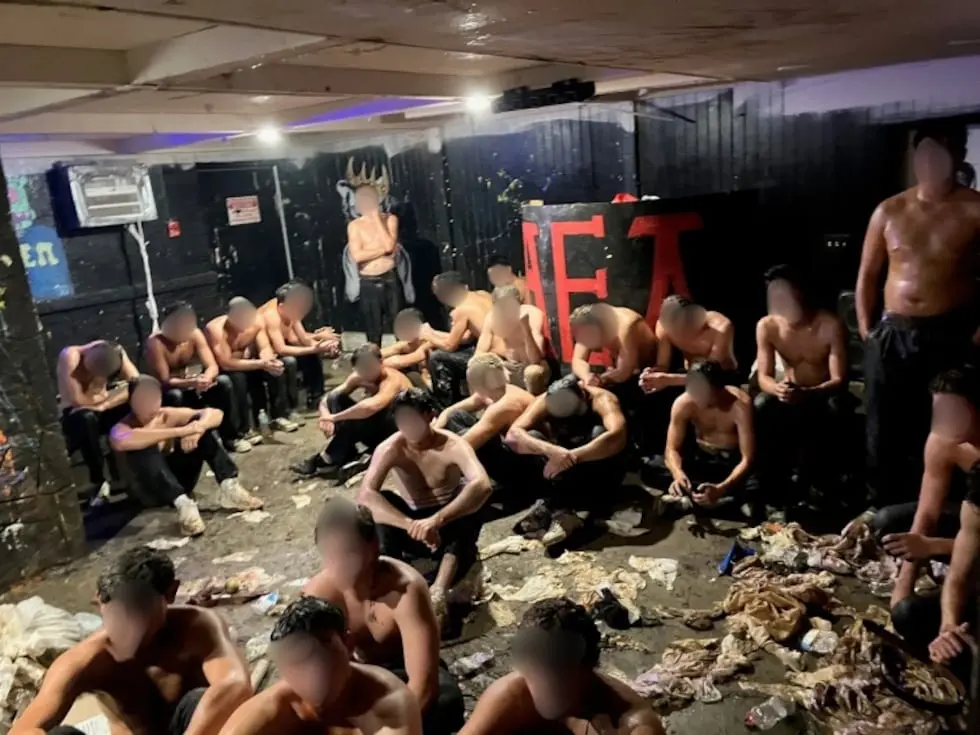
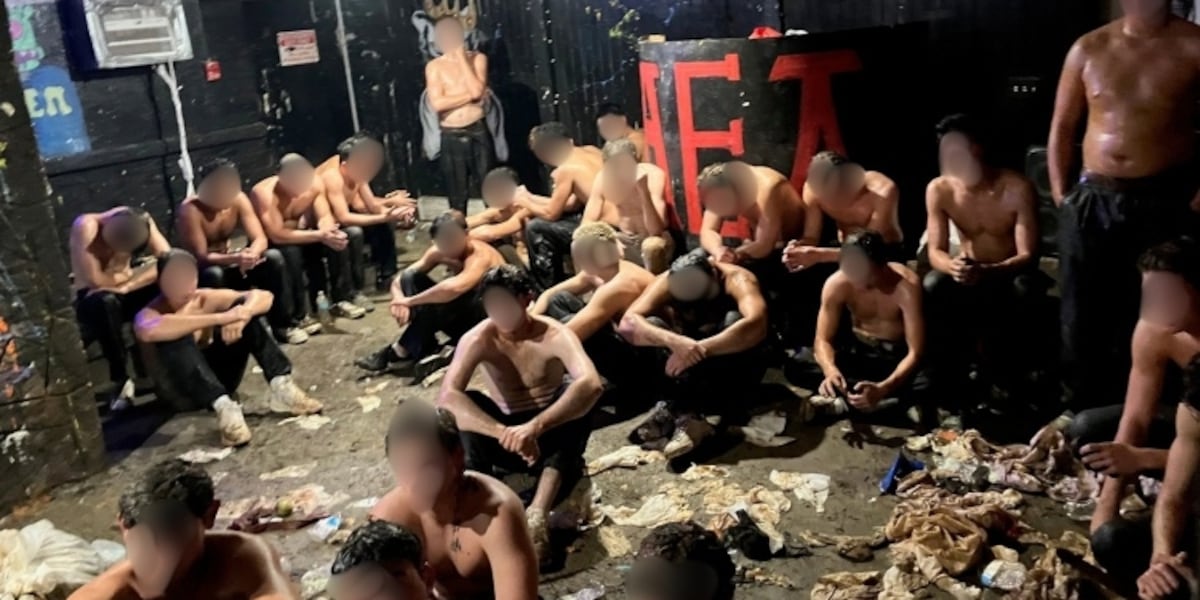
Upon breaching the premises following an anonymous tip, officers were confronted with a disturbing scene reminiscent of psychological and physical torment: roughly 30 partially clothed 18-year-old pledges crammed into a sweltering, artificially heated basement, soaked in various food items, condiments, and unidentifiable liquids. Subsequent inspections revealed that several of the young men bore fresh, acute physical trauma consistent with direct bodily strikes.
The fallout was swift. Fraternity President Brayden Klein and Vice President Samuel Vane, both 20 years of age, were taken into custody and booked into the Dane County Jail on preliminary misdemeanor charges of hazing and disorderly conduct. While the investigation remains fluid and local prosecutors weigh formal charges, the incident has ignited an urgent cross-sector dialogue involving municipal police, university administrators, national fraternity executives, and student advocates regarding accountability, the mechanics of underground Greek life, and the absolute limits of student safety on American campuses.
Detailed Chronology: The Raid and Investigation
The Tip and the Response
The sequence of events leading to the dismantling of the hazing ring began with an anonymous communication reaching the Madison Police Department. Recognizing the severe hazards traditionally associated with hazing rituals—particularly during high-stakes autumn recruitment periods—patrol units were dispatched promptly to the Langdon Street property.
Upon arrival at the Alpha Epsilon Pi chapter house, officers gained entry to investigate potential code and criminal violations. They quickly zeroed in on the building’s subterranean level, where the environment immediately signaled acute distress.
Inside the Basement
According to Madison Police Capt. Kipp Hartman, the basement environment was deliberately manipulated to heighten physical and psychological vulnerability. The internal thermostat had been cranked up to a sweltering 81 degrees Fahrenheit, creating a humid, oppressive microclimate designed to disorient the occupants.
Contained within this space were approximately 30 young men, the vast majority of whom were 18-year-old university freshmen navigating their first weeks away from home. They were found partially clothed, drenched in a chaotic mixture of food products, condiments, and assorted liquids.
When medical and law enforcement personnel systematically checked the pledges for signs of severe medical distress or incapacitation, they uncovered physical evidence of violence. Capt. Hartman noted that multiple victims displayed visible, fresh injuries.
"Something fresh, potentially like a strike to the body, not an old injury," Hartman stated during a media briefing, emphasizing the acute nature of the physical abuse uncovered during the raid.
Officers successfully cleared the basement, escorted all individuals outside into the fresh air, and conducted individual welfare checks. Miraculously, no victims required immediate transport to a hospital for emergency medical intervention, though the psychological and long-term impacts of the ordeal remain an open concern.
Arrests and Legal Proceedings
Following initial interviews on the scene, law enforcement identified the primary architects of the event. Brayden Klein, the chapter’s 20-year-old president, and Samuel Vane, its 20-year-old vice president, were identified as the organizers directing the hazing session.
Both individuals were placed under arrest, transported downtown, and booked into the Dane County Jail. The preliminary charges leveled against them include misdemeanor hazing and misdemeanor disorderly conduct. The case file has since been transmitted to the Dane County District Attorney’s Office, where prosecutors will review police reports, witness statements, and physical evidence before deciding on formal charging documents.
The Wall of Silence and Social Media Misinformation
As investigators attempted to piece together a comprehensive timeline of the evening’s events, they immediately ran into resistance characteristic of insular collegiate subcultures. While police gathered preliminary statements from everyone present inside the house, deep inconsistencies quickly emerged.
"Some statements also did not align with what everybody else’s statements were, so there were some concerns with what was being said," Hartman remarked, characterizing the institutional response as exhibiting "limited cooperation."
This reluctance to cooperate extended beyond the immediate victims. When reporters canvassed the Langdon Street neighborhood the following day, interviewing dozens of students, the prevailing response was a pervasive, palpable fear of retaliation. Many students declined to speak on the record, while those who offered sparse details did so strictly on the condition of anonymity.
Compounding the investigative challenges, law enforcement noted a surge of fabricated narratives and misinformation circulating across various social media platforms regarding the raid and the condition of the pledges. To combat this, police leadership issued a direct appeal to the student body, offering a potential path forward for those willing to tell the truth.
"I think anybody that came forward with additional information may not be prosecuted given the level of cooperation that they could provide," Hartman noted, signaling a strategic prosecutorial willingness to leverage leniency in exchange for dismantling the deeper layers of institutionalized hazing.
Supporting Context & Metrics
To fully understand the gravity of the Madison incident, it must be contextualized within the broader framework of American higher education, the economics of Greek life, and the regulatory gray areas that allow unrecognized fraternities to persist.
The University of Wisconsin–Madison Greek Ecosystem
The University of Wisconsin–Madison hosts a vibrant, sprawling Greek community comprising dozens of fraternities and sororities. For many students, joining these organizations represents a primary pathway for social integration, networking, and leadership development. However, the period of highest vulnerability invariably occurs during "rush week"—the intensive recruitment cycle at the start of the academic year when prospective members, eager for acceptance, are subjected to psychological pressures and physical demands disguised as team-building or tradition.
The Phenomenon of the "Underground" Chapter
A critical dynamic in the Madison case is the legal and administrative status of Alpha Epsilon Pi.
- Institutional Termination: The University of Wisconsin–Madison formally revoked AEPi’s university recognition and campus affiliation in 2015 following prior policy violations.
- National Recognition: Despite being barred from campus facilities, university funding, and official student organization listings, the national Alpha Epsilon Pi organization chose to maintain its charter for the chapter.
This duality creates a dangerous regulatory loophole. Because the national organization recognizes the chapter, the group retains legal ownership or lease control over private off-campus real estate—such as the Langdon Street house—allowing them to operate entirely independently of university rules, student code enforcement, and proactive campus safety checks.
Statistical Overview of Campus Hazing
While public attention often fixes on high-profile fatalities resulting from alcohol poisoning or structural trauma during hazing incidents, research from institutions like the National Study of Student Hazing reveals systemic underreporting:
- Prevalence: Over 55% of college students involved in clubs, teams, and organizations experience some form of hazing.
- Silence: More than 95% of students who experience hazing do not report it to campus authorities or law enforcement, driven by fear of social ostracization, removal from the group, or physical retaliation.
- Misconception of Tradition: A significant majority of students subjected to degrading rituals do not initially label their experiences as "hazing," instead rationalizing them as harmless bonding exercises until physical or psychological limits are dangerously breached.
Official Statements and Institutional Reactions
The raid has triggered a synchronized, high-stakes response from municipal authorities, university leadership, and the national fraternity office.
Law Enforcement Position
The Madison Police Department has drawn a firm line between safe, sanctioned student social events and criminal misconduct that endangers human life. Capt. Kipp Hartman emphasized that local police maintain open lines of communication with recognized Greek organizations to ensure parties and philanthropy events comply with city ordinances and safety codes.
"Our concern is when things are going too far and people’s either life and-or physical harm is at stake, that is definitely when we are going to be stepping in," Hartman said.
University of Wisconsin–Madison Response
University administrators moved quickly to distance the institution from the rogue chapter while asserting jurisdiction over any enrolled students implicated in the unlawful gathering. In an official statement, university representatives reiterated the history of the chapter’s 2015 termination and outlined the proactive measures taken annually to warn families about unrecognized entities.
"Since this chapter continues to be recognized by its national organization, it is legally allowed to operate as a fraternity chapter unaffiliated with the university," school officials noted.
Behind the scenes, university leadership convened emergency meetings on Thursday with representatives from the national Alpha Epsilon Pi organization. According to administrators, the national headquarters is fully cooperating with ongoing reviews.
Concurrently, the university’s Office of Student Conduct and Community Standards has initiated independent disciplinary proceedings against individual students identified as participants or organizers. Under institutional guidelines, students found culpable of violating state laws or campus conduct policies face severe academic penalties, including:
- Formal written reprimands
- Disciplinary probation
- Temporary suspension
- Permanent expulsion
- Mandatory educational sanctions
To address the immediate emotional fallout, the university has mobilized the Office of Student Assistance and Support alongside University Health Services (UHS) to provide confidential counseling, crisis intervention, and support resources to any students impacted by the events on Langdon Street.
Future Outlook and Ongoing Investigations
As the dust settles on Langdon Street, the case is poised to set a critical precedent for how municipalities and universities handle unrecognized student groups operating within city limits.
- Legal Accountability for Leadership: The immediate fate of Brayden Klein and Samuel Vane rests with the Dane County District Attorney. Whether prosecutors pursue standard misdemeanor penalties or seek enhanced charges depending on medical evaluations and forensic evidence will send a clear signal regarding the state’s tolerance for organized campus violence.
- The Battle for Institutional Transparency: University officials face renewed pressure from student safety advocates to enhance public awareness campaigns regarding off-campus, unrecognized entities. While the university publishes lists of terminated organizations at the start of each academic year, the allure of clandestine Greek societies often bypasses parental and administrative radar.
- National Organization Liability: Legal analysts are closely watching the stance of Alpha Epsilon Pi’s national headquarters. Allowing an expelled chapter to operate autonomously in a university town while retaining national branding creates substantial liability questions regarding supervision, risk management, and duty of care.
Call to Action
Law enforcement and campus safety officials continue to urge anyone with verifiable information regarding the events inside the Langdon Street house to step forward. Community members and students possessing firsthand accounts are encouraged to contact Madison Area Crime Stoppers at 608-266-6014, with police offering assurances that cooperative witnesses may receive prosecutorial consideration as the investigation deepens.
As rush week concludes under a cloud of police tape and administrative inquiries, the Madison community is left to grapple with an uncomfortable truth: despite decades of anti-hazing campaigns, policy overhauls, and tragic national warnings, the archaic rituals of physical degradation and underground control remain stubbornly embedded in the margins of collegiate life.

0 Comments