
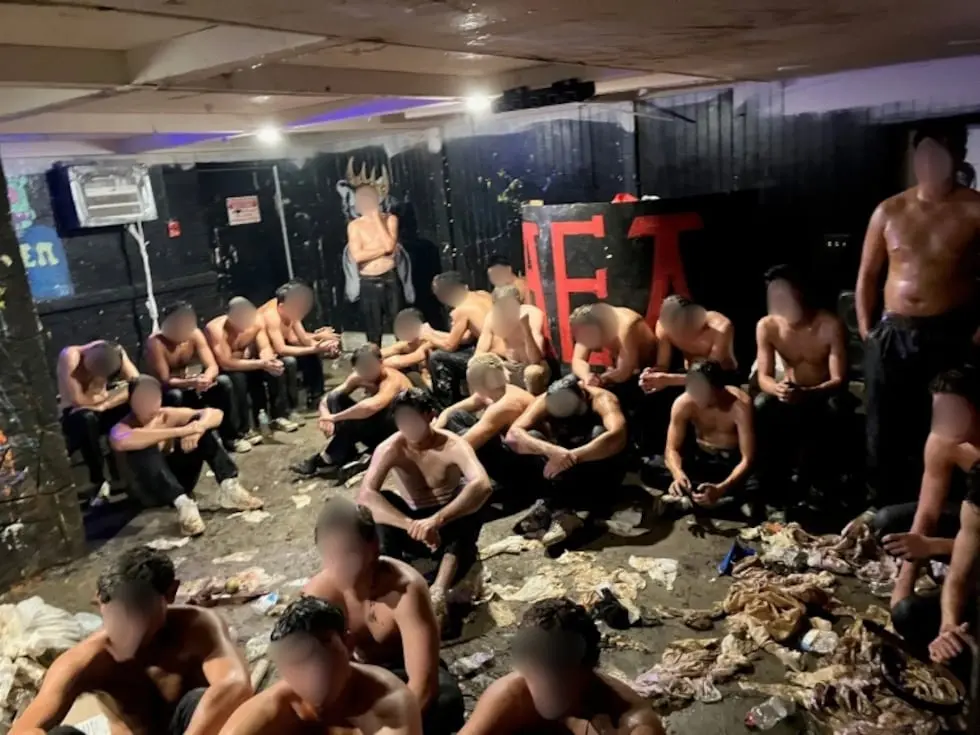

MADISON, Wis. — The idyllic backdrop of fall rush week at the University of Wisconsin–Madison was shattered Wednesday evening when local law enforcement raided an off-campus fraternity house, uncovering what police have described as a degrading and physically abusive unlawful hazing ritual. The operation resulted in the immediate arrest of two top chapter leaders and has reignited intense scrutiny regarding the dangerous underworld of underground Greek life operating just beyond the bounds of institutional oversight.
The raid, triggered by a vigilant anonymous tip, lays bare the persistent dangers of institutional loopholes that allow unrecognized student organizations to thrive near major university campuses. As investigators sift through conflicting statements, combat online misinformation, and weigh potential criminal charges, the incident has sent shockwaves through the academic community, prompting swift action from both municipal authorities and higher education administrators.
Executive Overview
Late Wednesday night, the Madison Police Department executed a response that pierced the veil of secrecy surrounding a notorious Langdon Street chapter house. Officers arrived at the residence of Alpha Epsilon Pi (AEPi)—a fraternity stripped of its official university recognition over a decade ago—at approximately 8:20 p.m. on September 24, 2026.
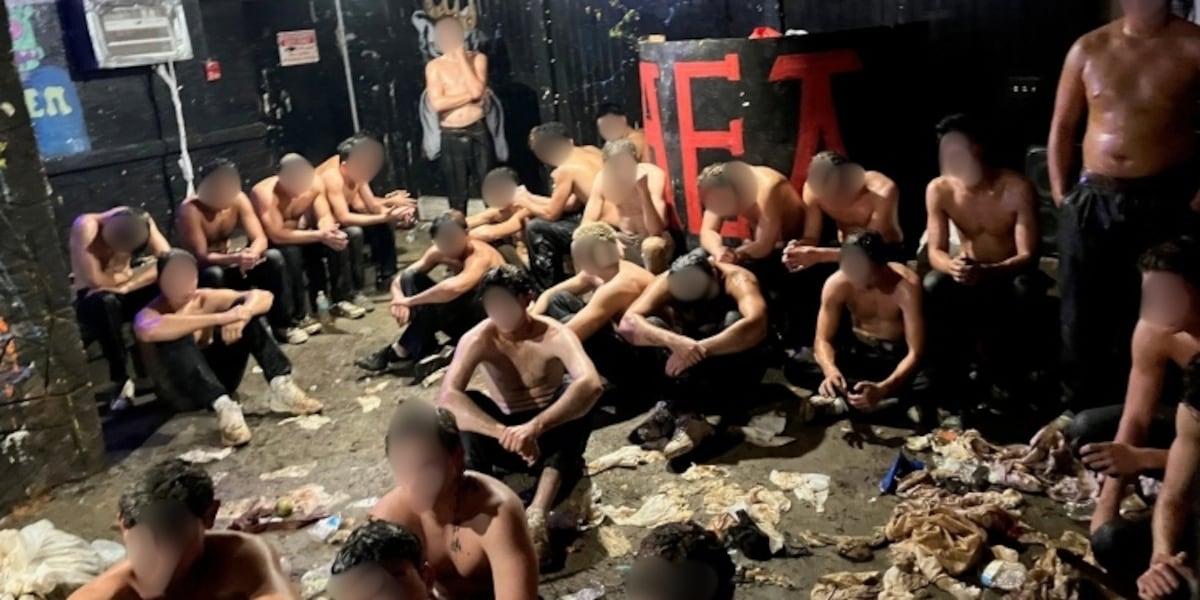
Inside the subterranean depths of the house, responding officers encountered a harrowing scene: roughly 30 partially clothed young men, predominantly 18-year-old college freshmen experiencing their first week of university life, cowering in a stifling, artificially heated basement. Covered head-to-toe in a sticky slurry of food, condiments, and miscellaneous liquids, several of the pledges bore fresh, visible contusions and physical trauma indicative of direct, targeted assaults.
The severity of the environment prompted immediate police intervention. Fraternity President Brayden Klein, 20, and Vice President Samuel Vane, 20, were taken into custody on preliminary misdemeanor counts of hazing and disorderly conduct. Both were subsequently booked into the Dane County Jail, awaiting a formal review by the Dane County District Attorney’s Office.
While no participants required immediate emergency medical transport, the raid highlights an ongoing crisis in collegiate safety. It underscores the vulnerabilities faced by incoming students navigating high-pressure social environments during rush week, where the desire for peer acceptance often eclipses basic human dignity and physical safety.
Detailed Chronology of the Raid and Investigation
The Anonymous Tip and the Breach
The sequence of events leading to the dismantling of the hazing operation began moments before 8:20 p.m. on Wednesday. An anonymous informant, recognizing the potential for severe harm, contacted the Madison Police Department with urgent details regarding active illicit activities inside the Langdon Street property.
Recognizing the acute risks typically associated with fraternity initiation rituals, Madison police units were dispatched immediately. Upon arriving at the Alpha Epsilon Pi house, officers gained entry to investigate the validity of the tip, quickly shifting their focus toward the building’s basement.
Inside the Basement: The Scene
According to Madison Police Capt. Kipp Hartman, the basement environment was intentionally manipulated to maximize physical and psychological distress. The thermostat had been cranked up to an oppressive 81 degrees Fahrenheit, creating a hot, humid, and airless microclimate designed to disorient and exhaust the participants.
When officers breached the lower level, they discovered approximately 30 partially clothed pledges. The young men were visibly degraded, slicked with layers of food and various condiments. Upon closer inspection, officers noted that many of the 18-year-old victims exhibited physical injuries that extended far beyond the realm of messy fraternity games.
"Something fresh, potentially like a strike to the body, not an old injury," Capt. Hartman stated during a subsequent media briefing, confirming that active physical violence had been inflicted upon the pledges.
Evacuation, Triage, and Arrests
Recognizing that the gathering constituted an unlawful hazing event under Wisconsin law, officers immediately halted the proceedings. All individuals present were escorted out of the building into the cool September air. Police conducted a systematic triage of the pledges, checking each individual for signs of severe medical distress, trauma, or incapacitation. Fortunately, no one required immediate hospitalization or emergency transport.
As the investigation unfolded on-scene, officers identified the operational leadership orchestrating the event. Brayden Klein, the chapter president, and Samuel Vane, the vice president, were formally arrested. The two 20-year-olds were transported to the Dane County Jail, facing misdemeanor charges of hazing and disorderly conduct.
Obstruction and the Wall of Silence
In the wake of the arrests, the investigation has faced significant headwinds. Detectives conducted interviews with everyone present inside the house during the raid, but the resulting testimonies proved deeply problematic.
Capt. Hartman revealed that many of the accounts provided by the fraternity members directly contradicted one another, as well as the physical evidence observed by officers. "Some statements also did not align with what everybody else’s statements were, so there were some concerns with what was being said," Hartman remarked, characterizing the overall level of cooperation from the chapter as "limited."
This culture of silence extended beyond the immediate members of the fraternity. In the days following the raid, reporters and investigators canvassed the Langdon Street area, speaking with dozens of students. The vast majority declined to comment on the record. Those who did speak—strictly on the condition of anonymity—admitted to a palpable fear of social and physical retaliation from within the Greek community.
Compounding these investigative challenges, law enforcement has had to actively monitor and combat a wave of misinformation circulating across social media platforms regarding the raid and the condition of the pledges.
Supporting Context & Metrics: The Shadow Greek Problem
To fully comprehend the gravity of Wednesday’s raid, one must examine the complex regulatory status of Alpha Epsilon Pi at the University of Wisconsin–Madison and the broader landscape of unrecognized student organizations.
Institutional Isolation vs. National Recognition
The Alpha Epsilon Pi chapter at UW–Madison is not a newcomer to disciplinary controversy. The university officially terminated the chapter’s recognized status in 2015 following prior policy violations. Consequently, the local chapter is completely unaccredited and unrecognized by the university, receiving no institutional support, oversight, or funding.
However, the chapter exists in a dangerous regulatory gray area. While banned by the university, the local chapter continues to be formally recognized by Alpha Epsilon Pi’s national headquarters. Under current legal frameworks, this national affiliation grants the chapter the legal right to operate as an independent, off-campus entity and maintain control over its physical property on Langdon Street.
This disconnect creates a perilous regulatory vacuum. Prospective students, particularly freshmen arriving on campus during rush week, often struggle to distinguish between officially sanctioned student organizations—which must adhere to strict university safety codes, anti-hazing policies, and alcohol guidelines—and rogue, unrecognized chapters that operate entirely without institutional guardrails.
The Rush Week Pressure Cooker
The timing of the raid during peak fall rush week underscores the vulnerability of incoming students. Statistically, the first few weeks of the fall semester represent the peak period for high-risk campus behaviors, alcohol abuse, and clandestine hazing rituals.
- Demographics Affected: The vast majority of the approximately 30 pledges subjected to the AEPi basement conditions were 18-year-old freshmen experiencing their first weeks away from home.
- Environmental Stressors: The use of elevated temperatures (81°F) combined with physical confinement increases the risk of heat exhaustion, dehydration, and psychological panic.
- Legal Thresholds: Wisconsin hazing statutes prohibit any intentional or reckless act endangering the physical health or safety of a student for the purpose of pledging, initiation, or admission into a legitimate or illegitimate organization.
Official Statements & Institutional Response
The fallout from the Madison police raid has elicited swift, coordinated responses from municipal law enforcement, university leadership, and student support services.
Law Enforcement Position
Capt. Kipp Hartman emphasized that the Madison Police Department’s primary objective during rush week is the preservation of student safety. While police maintain cooperative working relationships with legitimate, recognized Greek organizations to ensure safe social environments, Hartman drew a firm line regarding criminal misconduct.
"Our concern is when things are going too far and people’s either life and-or physical harm is at stake, that is definitely when we are going to be stepping in," Hartman stated.
In an effort to pierce the wall of silence surrounding the AEPi chapter, law enforcement has dangled a significant incentive for cooperative witnesses. Hartman explicitly stated that participants who come forward with firsthand, truthful information regarding the extent of the hazing may be granted immunity from prosecution, depending on the value of their cooperation.
University of Wisconsin–Madison Response
In an official statement released following the incident, UW–Madison leadership reiterated its hardline stance against unrecognized organizations while detailing its immediate collaborative steps with national authorities.
University officials convened an emergency meeting with representatives from the national Alpha Epsilon Pi organization on Thursday. According to the university, the national leadership is fully cooperating with the ongoing review of the chapter’s actions.
Simultaneously, the university’s Office of Student Conduct and Community Standards has initiated an independent investigation into any individual UW–Madison students implicated in the Wednesday night incident. The university possesses jurisdiction to discipline enrolled students regardless of whether the offending organization is campus-recognized. Potential internal sanctions include:
- Written reprimands and disciplinary probation
- Suspension from the university
- Permanent expulsion
- Mandatory educational sanctions and community service
Recognizing the psychological impact of the raid and the underlying hazing culture, the university has mobilized support networks. The Office of Student Assistance and Support, alongside University Health Services (UHS), has made counselors available to provide immediate mental health support to affected students and witnesses.
Furthermore, university officials noted that comprehensive information regarding the dangers of unrecognized and terminated student organizations is distributed systematically to all incoming students and their families at the start of every academic year to prevent precisely this type of exploitation.
Future Outlook & Investigative Next Steps
As the investigation transitions from the initial response phase to deep forensic analysis, several critical milestones lie ahead:
- Prosecutorial Review: The Dane County District Attorney’s Office is currently reviewing the evidence compiled by the Madison Police Department. A formal decision regarding whether to file official criminal charges against fraternity president Brayden Klein and vice president Samuel Vane is expected in the coming weeks.
- Witness Testimony & Immunity Deals: Investigators are actively evaluating whether additional fraternity members or pledges will step forward to take advantage of the offered cooperation agreements, which could potentially expand the scope of the criminal case or lead to additional charges.
- National Fraternal Action: Pressure is mounting on Alpha Epsilon Pi’s national headquarters to reevaluate its local charter. Given the severity of the police findings, the national organization faces intense scrutiny over whether it will independently revoke the chapter’s charter, which could effectively shut down operations at the Langdon Street property.
- University Disciplinary Hearings: The Office of Student Conduct will proceed with its internal judicial process for enrolled students found to have participated in or directed the hazing, with preliminary campus disciplinary decisions anticipated later this semester.
Call for Community Assistance
Law enforcement continues to urge anyone with direct, firsthand knowledge of the events inside the Langdon Street house to assist investigators. Anonymous tips can be submitted directly to Madison Area Crime Stoppers at 608-266-6014, ensuring that individuals fearful of social retaliation can safely report dangerous campus behavior.
This is a developing story. Updates will be provided as new information becomes available from the Madison Police Department and the Dane County District Attorney’s Office.

0 Comments