

Executive Overview
ALPINE, Texas — The Texas collegiate rodeo community has been plunged into deep mourning following the tragic death of Alejandra Franco, a dedicated student-athlete and prominent member of the Tarleton State University rodeo team. Franco succumbed to critical injuries sustained during a competitive event on Thursday at the S.A.L.E. Arena in Alpine, Texas. The incident has sent shockwaves through regional athletic networks, prompting an outpouring of grief, solemn tributes, and renewed discussions regarding the inherent risks associated with competitive rodeo sports.
Franco, who celebrated her birthday just a month prior, was widely recognized by peers, coaches, and university leadership not only for her athletic prowess in the arena, but also for her infectious optimism, leadership qualities, and steadfast dedication to her teammates. Sul Ross State University, which hosted the competitive event where the tragedy occurred, quickly mobilized alongside Tarleton State University to offer counseling resources, coordinate memorial tributes, and support Franco’s grieving family and teammates.
As the collegiate rodeo season presses forward, universities across the region are honoring Franco’s memory. Memorial gestures, including the distribution of purple ribbons—Tarleton State’s signature school color—have become a unifying symbol of solidarity and grief for competitors and spectators alike. While federal and local authorities, alongside university athletic departments, continue to review the mechanics of the tragic incident, the broader community remains focused on remembering a young woman whose life, though cut short, left an indelible mark on everyone she encountered.
Detailed Chronology of Events
The Setting and the Incident
The tragedy unfolded on Thursday at the S.A.L.E. Arena, a prominent facility located in Alpine, Texas, operated and utilized for regional rodeo events, agricultural exhibitions, and collegiate competitions. Sul Ross State University was serving as the host institution for the scheduled rodeo events, drawing elite collegiate equestrian and rodeo athletes from across the region, including the highly competitive contingent from Tarleton State University.
Details regarding the precise mechanics of the incident remain limited out of respect for the family and pending final administrative reviews. However, university officials confirmed that Franco suffered severe trauma while actively performing in her designated event. Immediate medical intervention was administered at the scene by on-site emergency medical personnel and athletic trainers before she was transferred for advanced care. Despite the rapid response of emergency responders and medical staff, Franco succumbed to her injuries.
Immediate Institutional Response
Within hours of the accident, both Sul Ross State University and Tarleton State University released official notifications to their respective campus communities. The swift dissemination of information aimed to quell rumors while acknowledging the profound gravity of the situation.
Tarleton State University’s athletic administration, in coordination with the university’s crisis response teams, immediately reached out to members of the rodeo team to provide grief counseling and psychological support services. Similarly, Sul Ross State University activated its student support networks to assist visiting athletes, event staff, and local students who witnessed or were deeply affected by the tragedy.
By Friday morning, institutional focus shifted from emergency response to memorialization. Organizers at the S.A.L.E. Arena coordinated with university leadership to ensure that the remainder of the weekend’s rodeo events could proceed under a cloud of shared remembrance, transforming what was intended to be a weekend of fierce athletic competition into a collective gathering of mourning and solidarity.
Supporting Context & Metrics: The Risks and Realities of Collegiate Rodeo
Understanding Collegiate Rodeo
Collegiate rodeo is a uniquely demanding sport governed by the National Intercollegiate Rodeo Association (NIRA), which is divided into distinct regions across the United States. Tarleton State University competes within the highly competitive Southwest Region, frequently facing off against powerhouse programs such as Sul Ross State University, Clarendon College, and Texas Tech University.
The sport encompasses a wide array of challenging events, broadly categorized into rough stock events (such as saddle bronc riding, bareback riding, and bull riding) and timed events (such as tie-down roping, steer wrestling, team roping, and barrel racing). Each discipline requires a high degree of specialized athleticism, precise timing, deep trust between human and animal, and immense physical courage.
Safety Metrics and Athletic Risks
While collegiate athletics inherently carry risks of injury, equestrian and rodeo sports possess distinct physical hazard profiles. According to sports medicine data compiled across various collegiate athletic associations, rodeo injuries most frequently involve soft-tissue strains, fractures, and concussions. However, catastrophic injuries—though statistically rare—remain an ever-present risk due to the sheer power and unpredictability of livestock, high velocities, and the physical proximity of heavy equipment and arena gates.
Safety protocols within the NIRA and hosting arenas have evolved significantly over the decades. Modern collegiate rodeo events mandate stringent protective gear, including specialized equestrian helmets and protective vests in designated events, alongside the mandatory presence of professional bullfighters, pickup men, and certified emergency medical technicians (EMTs) stationed directly at the arena perimeter. Despite these rigorous precautions, Thursday’s tragedy in Alpine serves as a sobering reminder of the razor-thin margin between competitive triumph and catastrophic accident in western sports.
Tarleton State University’s Rodeo Legacy
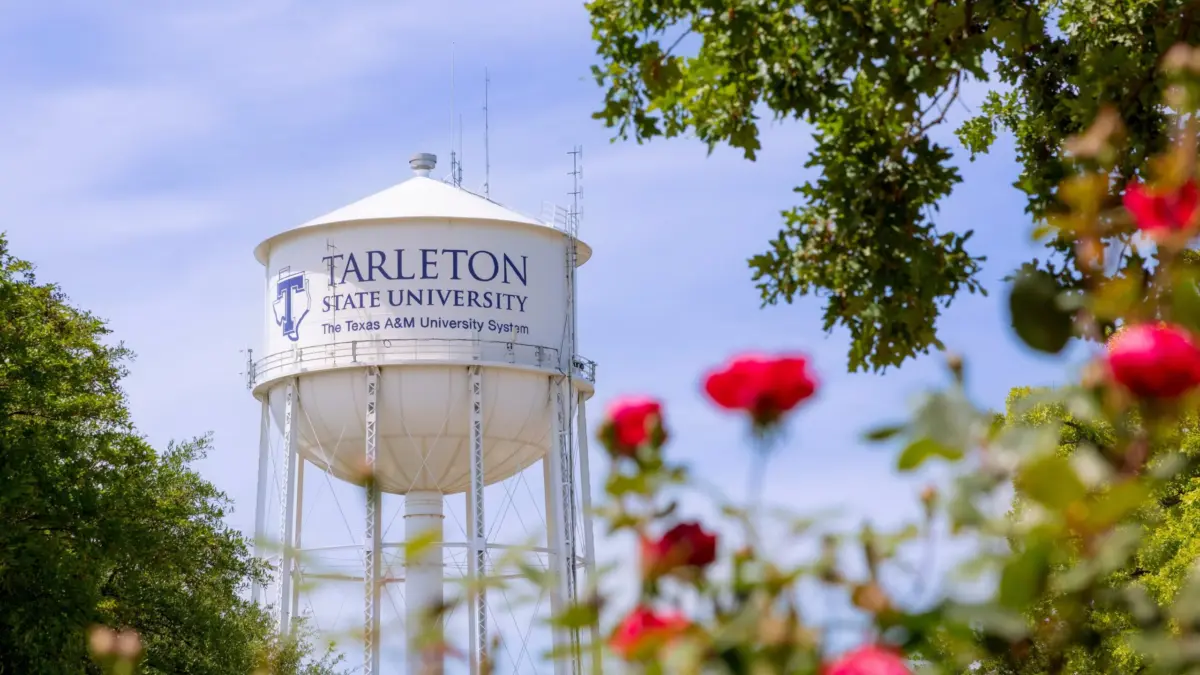
Tarleton State University, based in Stephenville, Texas, holds a storied and legendary reputation within the national collegiate rodeo landscape. Often referred to as one of the premier breeding grounds for professional rodeo champions, the Tarleton rodeo program boasts numerous national team titles and individual championships governed by the College National Finals Rodeo (CNFR).
To wear the purple and white jersey of the Tarleton State rodeo team is considered a profound honor within the agricultural and sporting communities of Texas. Athletes in the program endure grueling practice schedules, balancing rigorous academic workloads with the intense physical demands of caring for livestock, training daily, and traveling hundreds of miles across the state to compete. Alejandra Franco’s presence on this elite team underscores her dedication, skill, and standing as a top-tier collegiate athlete.
Official Statements and Community Tributes
University Leadership Remembers Franco
The outpouring of grief from academic and athletic leaders highlighted the profound impact Alejandra Franco had on her community during her time at Tarleton State University.
Tarleton State University President James Hurley released an emotional and heartfelt statement paying tribute to the fallen student-athlete:
"Alejandra was a cherished student-athlete who touched so many lives through her friendly smile, leadership, kindness, and the love she shared with those around her. Alejandra tragically lost her life yesterday, leaving behind a lasting impact on everyone who had the privilege of knowing her."
The university’s official social media channels, alongside the dedicated Tarleton Rodeo accounts, were immediately flooded with condolence messages from alumni, rival institutions, professional rodeo associations, and current students. Friends and teammates remembered Franco not merely as a fierce competitor in the arena, but as a loyal friend, an encouraging teammate, and a vibrant presence on campus who had only recently celebrated her birthday in late August.
Sul Ross State University’s Hospitality and Solidarity
As the host institution, Sul Ross State University played a central role in managing the immediate aftermath of the accident and setting the tone for the weekend’s memorial observances. In a joint public communication, Sul Ross administrators expressed deep sorrow and extended unconditional support to the Tarleton State delegation.
To honor Franco’s memory throughout the remainder of the weekend competition at the S.A.L.E. Arena, Sul Ross organizers established a visible and deeply meaningful tribute:
"Please feel free to take [a purple ribbon] and wear it throughout rodeo weekend, or WEAR PURPLE to show our love and support."
The initiative was met with overwhelming participation. Throughout Friday and Saturday, competitors from rival universities, arena staff, judges, and spectators could be seen wearing purple ribbons pinned to their vests, hats, and shirts—transforming the arena into a sea of purple solidarity that transcended institutional rivalries.
Future Outlook: Healing, Safety Reviews, and Legacy
Navigating the Road to Recovery
As the weekend rodeo events concluded in Alpine, the immediate focus for Tarleton State University shifted from the competition grounds back to the campus in Stephenville, where administrative and counseling resources remain fully mobilized. Student affairs and athletic department officials have emphasized that mental health support will remain readily available for the foreseeable future to help students, coaches, and staff process the profound grief of losing a teammate.
Collegiate sports programs often experience unique bonds of camaraderie due to the shared hardships of travel, practice, and competition. For the Tarleton State rodeo team, healing will be a gradual process requiring collective support, open dialogue, and intentional remembrance. Memorial services and formal campus tributes are currently being planned by student organizations and university administrators to ensure Franco’s legacy is permanently enshrined within the university’s athletic history.
Industry-Wide Safety Evaluations
Tragedies of this magnitude invariably prompt introspection across the broader sports governance landscape. While the NIRA and regional event organizers maintain rigorous safety standards, officials from various collegiate rodeo programs are expected to review event protocols, emergency response times, and facility safety measures in the wake of the Alpine incident.
Continuous improvement in protective equipment, livestock handling procedures, and rapid-response medical triage remains a paramount priority for athletic directors and association boards. The goal of such evaluations is not to alter the fundamental nature of a historic sport deeply rooted in western heritage, but rather to ensure that every possible safeguard is continuously evaluated and reinforced to protect the lives of young student-athletes.
Preserving Alejandra Franco’s Legacy
Ultimately, the narrative of Alejandra Franco’s life extends far beyond the tragic circumstances of her passing. She is remembered by those who knew her best as a young woman of exceptional character, relentless dedication, and radiant kindness. Her journey from her early milestones to her standing as an elite student-athlete at Tarleton State University reflects the very best of collegiate athletics—passion, community, and pursuit of excellence.
As the purple ribbons continue to be worn in classrooms, arenas, and communities across Texas, Alejandra Franco’s spirit remains woven into the fabric of the Tarleton State rodeo family. Her impact—measured not merely in scores, times, or titles, but in the profound love and fond memories she left behind—will continue to inspire future generations of student-athletes who step into the arena carrying her memory in their hearts.

0 Comments