NEW YORK — In an era defined by transcendent talent, shifting collegiate pipelines, and rapidly expanding global viewership, the Women’s National Basketball Association (WNBA) continues to shatter historical ceilings. This transformation reached a defining milestone as the Associated Press announced its annual WNBA postseason awards.
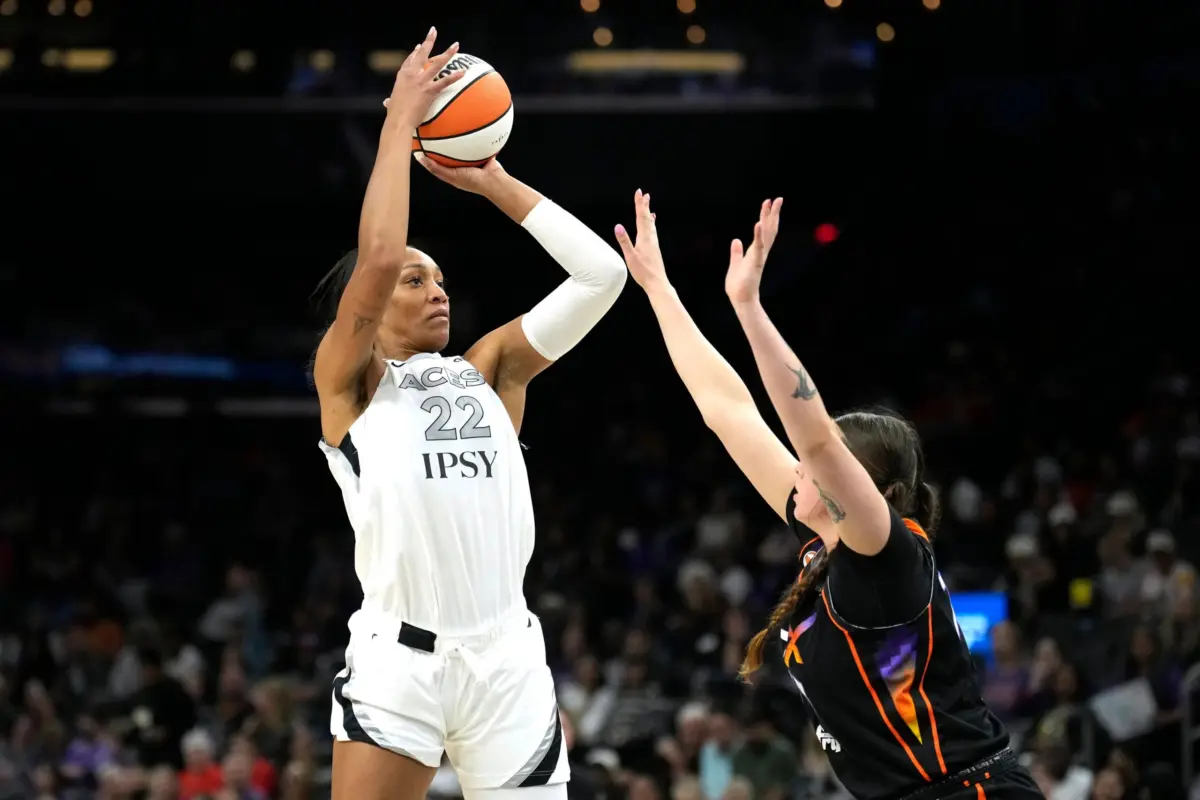
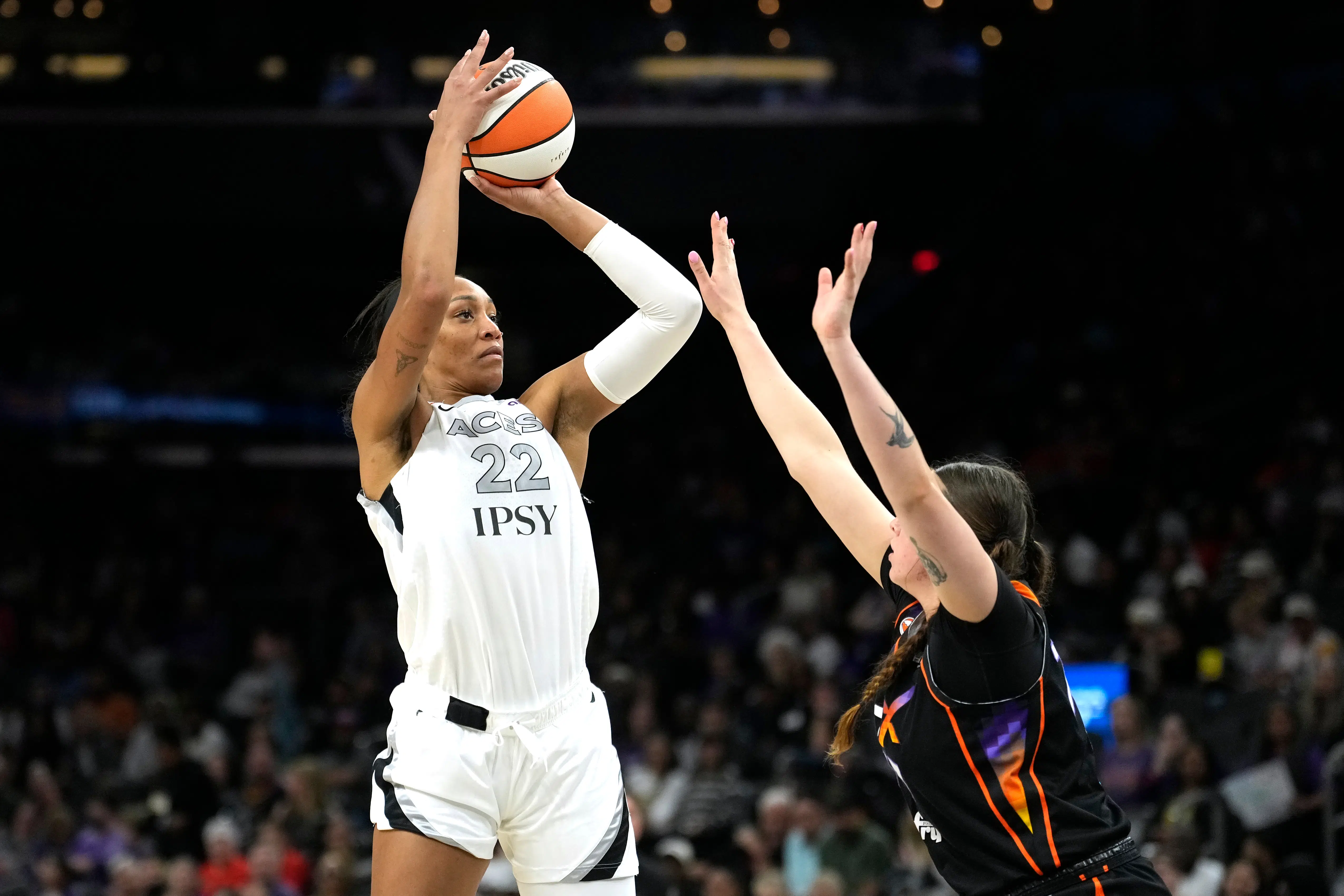
Headlining the accolades is Las Vegas Aces center A’ja Wilson, who secured her third consecutive and fourth overall AP WNBA Player of the Year award—an unprecedented feat in the history of the league. Wilson dominated a national media panel vote, capturing 15 of the 17 first-place ballots. She successfully fended off fierce challenges from Minnesota Lynx sensation Olivia Miles and Indiana Fever superstars Caitlin Clark and Kelsey Mitchell, all of whom delivered monumental campaigns.
While Wilson’s sustained excellence cements her place among the all-time greats of basketball, the broader 2026 awards ballot reflects a seismic generational shift. From Angel Reese earning Defensive Player of the Year honors in a new uniform, to Olivia Miles etching her name into the rookie record books, and Cheryl Reeve engineering a masterful coaching masterclass, the WNBA is experiencing a Golden Age characterized by elite competition from top to bottom.
Detailed Chronology & Award Breakdown
The announcement of the AP honors serves as the official curtain-raiser for the 2026 WNBA postseason. As teams prepare for playoff matchups, the individual honors map out the narrative arc of a grueling, high-octane 40-game regular season.
Player of the Year: A’ja Wilson Stands Alone
A’ja Wilson’s historic run puts her in a class by herself. By capturing her third straight AP Player of the Year award, she breaks a tie with Breanna Stewart for the most honors since the AP initiated the award in 2016.
“It’s big. It’s an honor for me to do it three times in a row. It’s not easy,” Wilson remarked during a post-announcement phone interview. “My counterparts in this league are really good. I don’t take it lightly because of how much talent we do have in this league.”
Wilson’s campaign was nothing short of historic. She once again led the league in scoring with 26.2 points per game while shooting an hyper-efficient 53% from the field. Furthermore, she anchored the paint with 9.4 rebounds, dished out a career-best 3.2 assists, and swatted 1.9 blocks per contest. Her ability to impact games on both ends of the floor keeps her heavily favored to claim her third straight official WNBA MVP award as postseason voting unfolds.
Defensive Player of the Year: Angel Reese’s Atlanta Resurgence
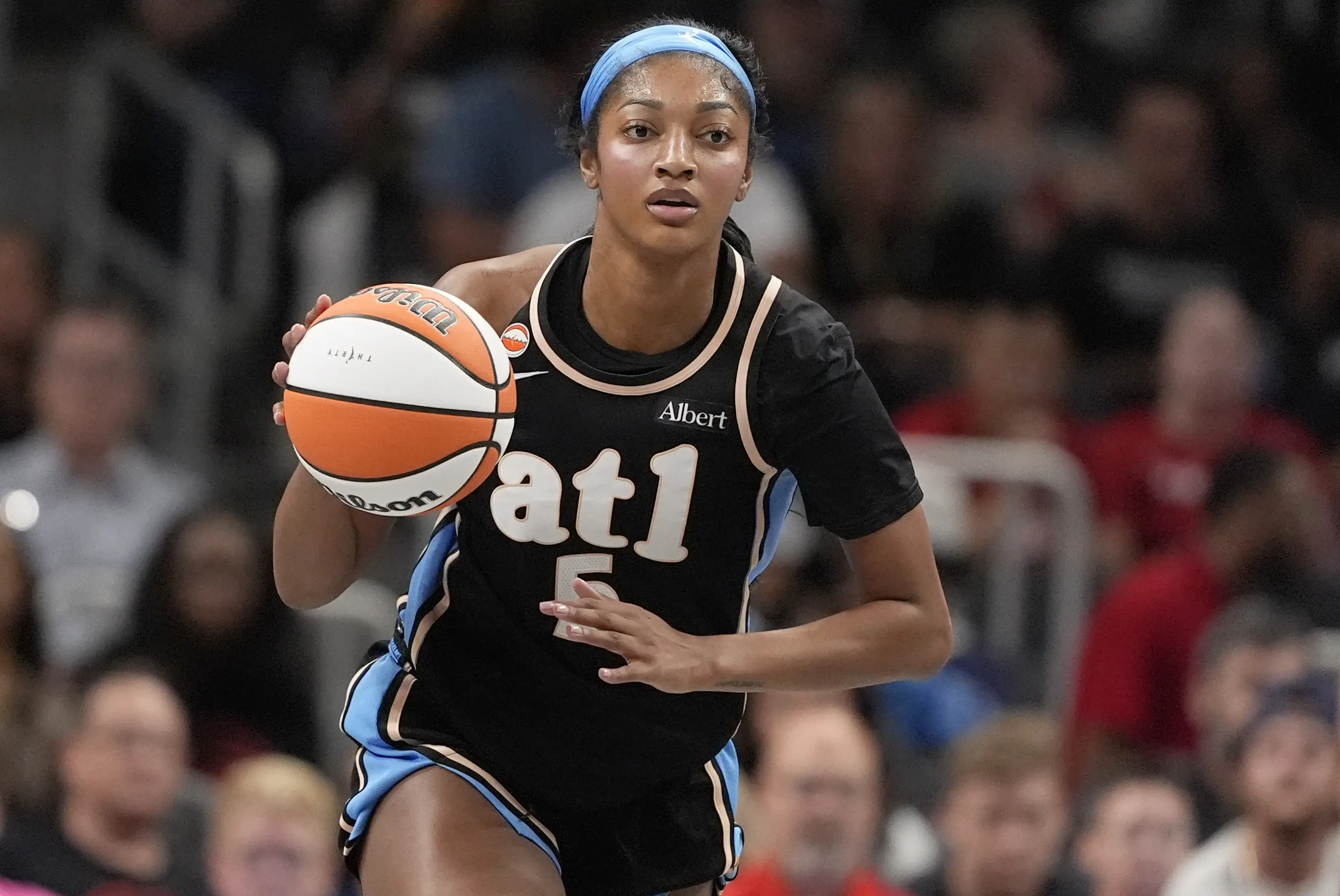
The defensive crown changed hands as Atlanta Dream forward Angel Reese dethroned Wilson to win the AP Defensive Player of the Year award. Wilson had previously claimed the honor in three of the last four seasons.
Reese maximized her high-profile offseason move to the Atlanta Dream, anchoring their defensive scheme with incredible versatility. Capable of switching onto perimeter guards while protecting the rim, Reese finished third in the league in steals. Most notably, she dominated the glass once again, leading the WNBA in rebounds for the third consecutive season. Her relentless motor and defensive IQ transformed Atlanta into a formidable playoff threat.
Rookie of the Year: Olivia Miles Sets the Standard
In a league featuring some of the most anticipated rookie classes in professional sports history, Minnesota Lynx guard Olivia Miles separated herself instantly. The No. 2 overall pick in the draft was a unanimous choice for the AP Rookie of the Year award.
Miles delivered a masterclass in point-guard play, orchestrating the Lynx offense to the league’s best regular-season record. She averaged 19.8 points, 6.0 assists, and 4.7 rebounds per game. Along the way, Miles shattered the WNBA record for total points scored by a rookie—a record previously set by Caitlin Clark during her stellar 2024 campaign.
Miles was joined on the AP All-Rookie team by an electrifying freshman cohort, including Dallas’ Azzi Fudd, Chicago’s Sydney Taylor, Seattle’s Flau’jae Johnson, New York’s Pauline Astier, and Toronto’s Kiki Rice.
Coach of the Year: Cheryl Reeve’s Masterclass in Minnesota
Minnesota Lynx head coach Cheryl Reeve earned her third AP Coach of the Year honor (having previously won in 2020 and 2024). Reeve’s achievement this season stands as a testament to elite tactical coaching and roster management.
The Lynx secured the No. 1 overall seed in the playoffs despite playing the first half of the season without superstar Napheesa Collier. Collier was sidelined recovering from complex offseason surgery on both ankles. Reeve successfully navigated the adversity, integrating rookies like Olivia Miles and restructuring her rotations to keep Minnesota atop the standings. She edged out Golden State’s Natalie Nakase and Washington’s Sydney Johnson in the voting.
Comeback Player of the Year: Caitlin Clark Returns to Form
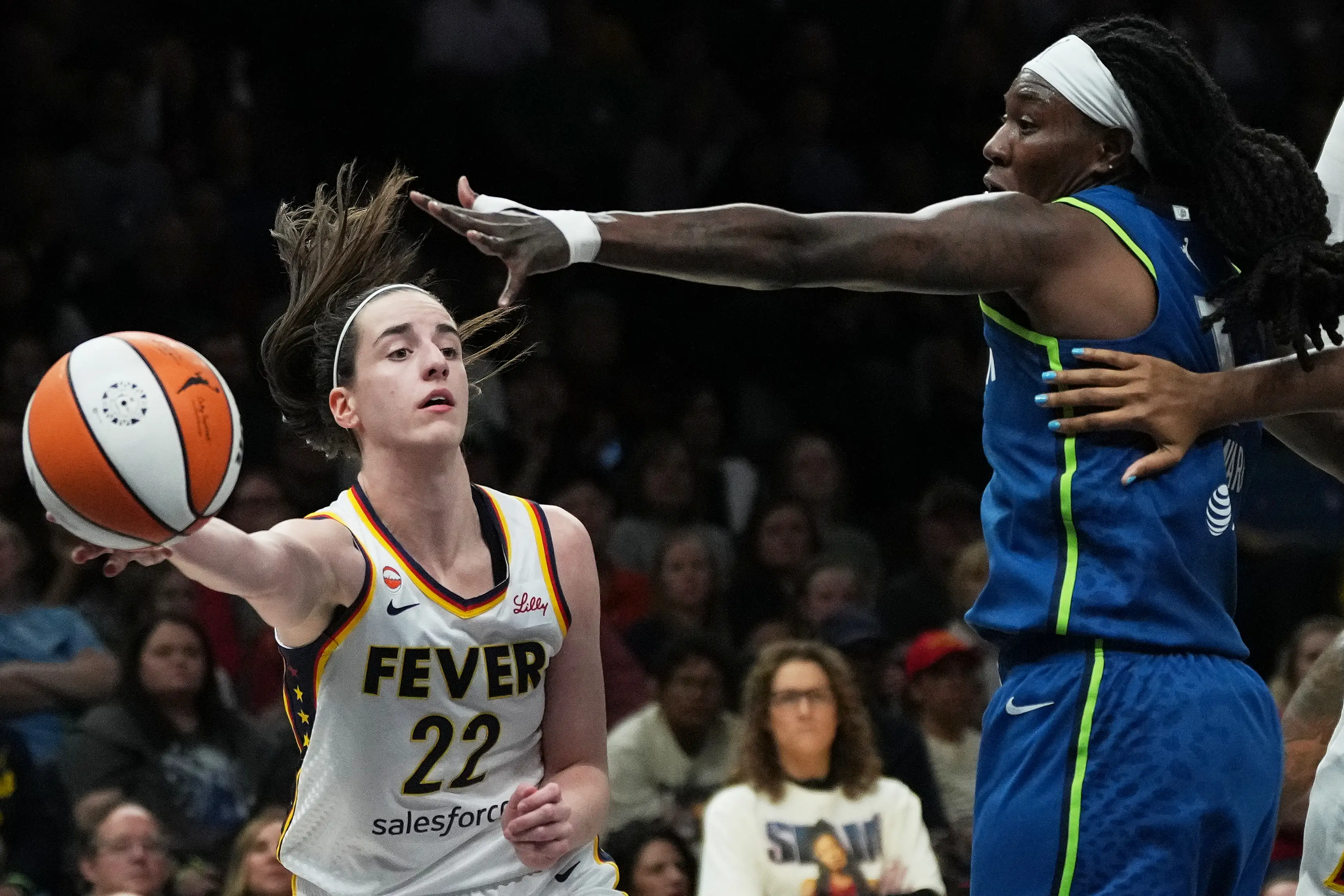
After missing substantial portions of the previous season due to a cascade of injuries, Indiana Fever guard Caitlin Clark staged a triumphant return, earning the AP Comeback Player of the Year award.
Clark played in all 40 games for the Fever, reasserting herself as one of the most dynamic offensive engines in basketball. She posted stellar averages of 22.3 points, 8.3 assists, and 4.0 rebounds per game, dazzling crowds with her signature deep-range shooting and elite court vision. Washington’s Georgia Amoore and Chicago’s Courtney Vandersloot also received strong consideration in the balloting.
Most Improved Player: Jessica Shepard’s Triple-Double Tear
Dallas Wings forward Jessica Shepard claimed the AP Most Improved Player award after a career-defining season following her arrival via free agency.
Shepard became a triple-double machine in Dallas, registering six triple-doubles over the course of the year. She posted career-highs across the board: 14.5 points, 11.1 rebounds, 5.3 assists, and 31.7 minutes per game. Her playmaking from the high post unlocked the Wings’ offense, holding off strong voting pushes from Washington’s Shakira Austin and Seattle’s Dominique Malonga.
Sixth Woman of the Year: Janelle Salaun Sparks Golden State
Golden State Valkyries forward Janelle Salaun made history as the premier bench sparkplug in the league, capturing the AP Sixth Woman of the Year award.
Appearing off the bench in all 40 games, Salaun averaged 12.7 points and 4.0 rebounds while shooting an impressive 39.2% from beyond the arc. She led all league reserves in scoring, fueling a Golden State bench unit that averaged over 36 points per game. New York’s sharpshooter Marine Johannes finished second in the voting.
Supporting Context & Metrics
The 2026 WNBA season has rewritten the statistical record books, driven by a convergence of veteran dominance and explosive rookie integration.
No. 1 overall seed despite missing Napheesa Collier for half the season
Comeback Player of the Year
Caitlin Clark
Indiana Fever
22.3 PPG, 8.3 APG, 4.0 RPG (Played in all 40 games)
Most Improved Player
Jessica Shepard
Dallas Wings
14.5 PPG, 11.1 RPG, 5.3 APG, 6 triple-doubles
Sixth Woman of the Year
Janelle Salaun
Golden State Valkyries
12.7 PPG, 4.0 RPG, 39.2% 3PT
All-WNBA Selections
The media panel also finalized the premier positional lineups for the season:
First Team: A’ja Wilson (Las Vegas), Caitlin Clark (Indiana), Olivia Miles (Minnesota), Kelsey Mitchell (Indiana), and Breanna Stewart (New York).
Second Team: Angel Reese (Atlanta), Rhyne Howard (Atlanta), Paige Bueckers (Dallas), Jackie Young (Las Vegas), and Gabby Williams (Golden State).
Official Statements & Media Reactions
The announcement of the 2026 AP awards generated widespread reaction across the basketball landscape, highlighting the mutual respect among elite competitors.
A’ja Wilson’s reflections on capturing her fourth AP trophy underscore the psychological demands of remaining at the absolute peak of a sport experiencing exponential growth. “That’s got a nice ring to it,” Wilson smiled when informed of breaking Breanna Stewart’s historical benchmark. “That’s pretty cool.” Yet, her commentary quickly pivoted back to team goals as the Aces prepare for a rigorous postseason bracket.
Analysts and media panelists pointed to the sheer depth of the 2026 ballot as proof of the WNBA’s evolution. With transcendent talents like Olivia Miles and Caitlin Clark entering the league and immediately commanding first-team All-WNBA honors, the traditional learning curve for rookies has effectively vanished. Furthermore, Cheryl Reeve’s stabilization of the Minnesota Lynx through major injuries has been widely cited as a masterclass in modern basketball management.
Future Outlook & Postseason Implications
As the ink dries on the regular-season awards, attention shifts entirely to the hardwood as the 2026 WNBA Playoffs tip off.
The storylines heading into the postseason are as compelling as any in league history:
The Aces’ Three-Peat Quest: A’ja Wilson enters the playoffs looking to convert her individual brilliance into another championship banner for Las Vegas, though they face stiff competition from a deep Western Conference.
The Lynx’s Complete Arsenal: With Coach of the Year Cheryl Reeve at the helm, Rookie of the Year Olivia Miles orchestrating the floor, and Napheesa Collier returning to full health, Minnesota enters as the title favorites out of the No. 1 seed.
The Rise of the Next Generation: The postseason spotlight will test young superstars like Caitlin Clark, Angel Reese, and Paige Bueckers on the grandest stage, previewing the decade-long rivalries that will define women’s professional basketball.
With attendance at an all-time high, media rights expanding, and the level of play reaching unprecedented heights, the conclusion of the 2026 season promises an unforgettable postseason climax.



0 Comments