

Executive Overview
Walk down the aisle of any premier package store today, and you will witness an astonishing visual evolution. Long gone are the days when American whiskey was sold exclusively in uniform, utilitarian amber cylinders meant merely to contain the liquid until it reached the glass. Today, the shelves of fine spirit purveyors resemble a modern art gallery. Bourbon bottles range from minimalist, pharmaceutical-style flasks to heavily embellished, showstopping decanters featuring hand-dipped wax, custom glass etchings, and ergonomic grips designed to catch the discerning eye of the collector.
In this fiercely competitive modern marketplace, a bottle is far more than a simple vessel; it is a silent ambassador for the spirit within. Brand identity in the spirits industry relies heavily on haptics—the science of touch—and visual profiling. Long before a consumer reads a label, smells the charred oak, or tastes the caramel and vanilla notes of a well-aged Kentucky straight bourbon, they have already registered the silhouette of the bottle.
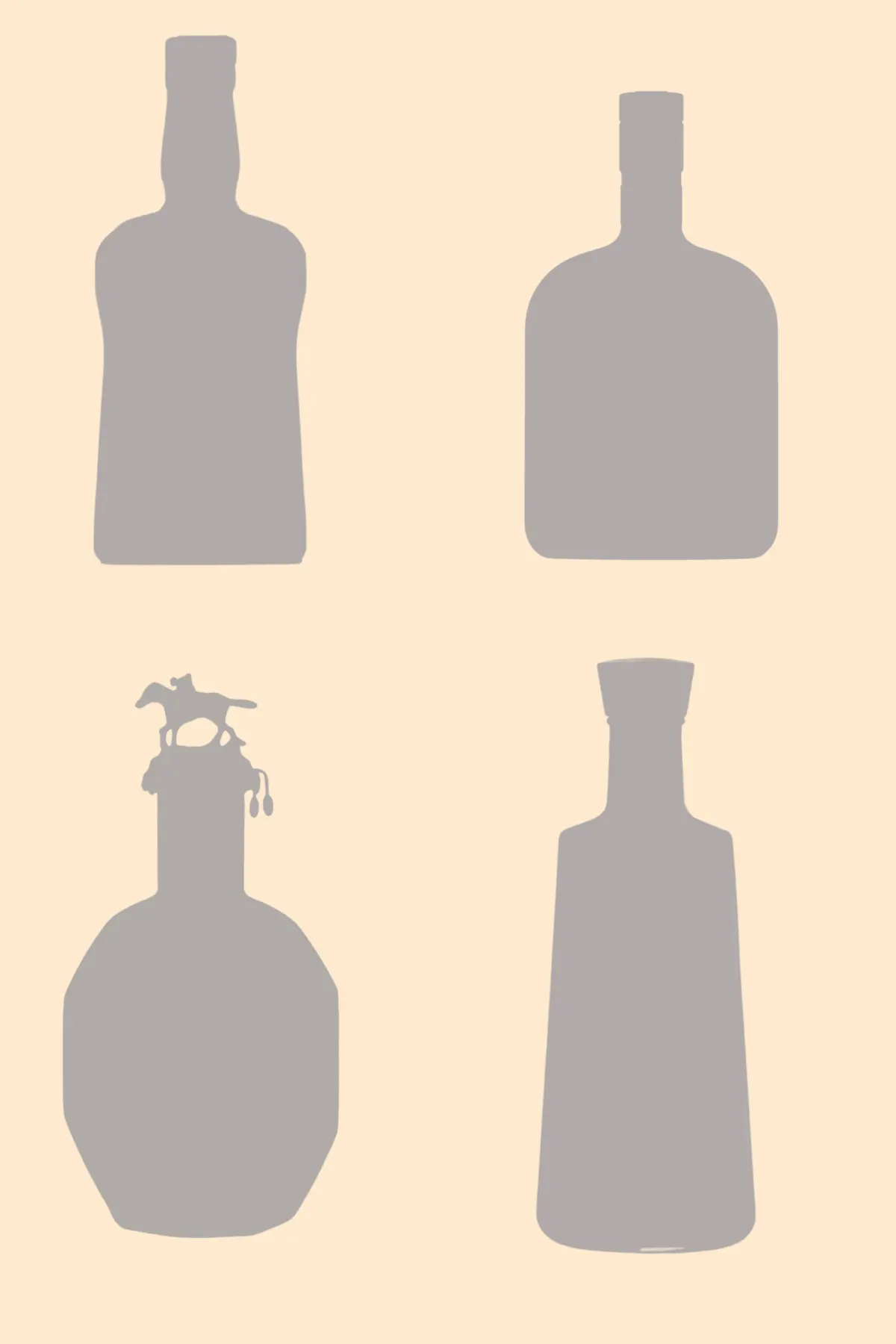
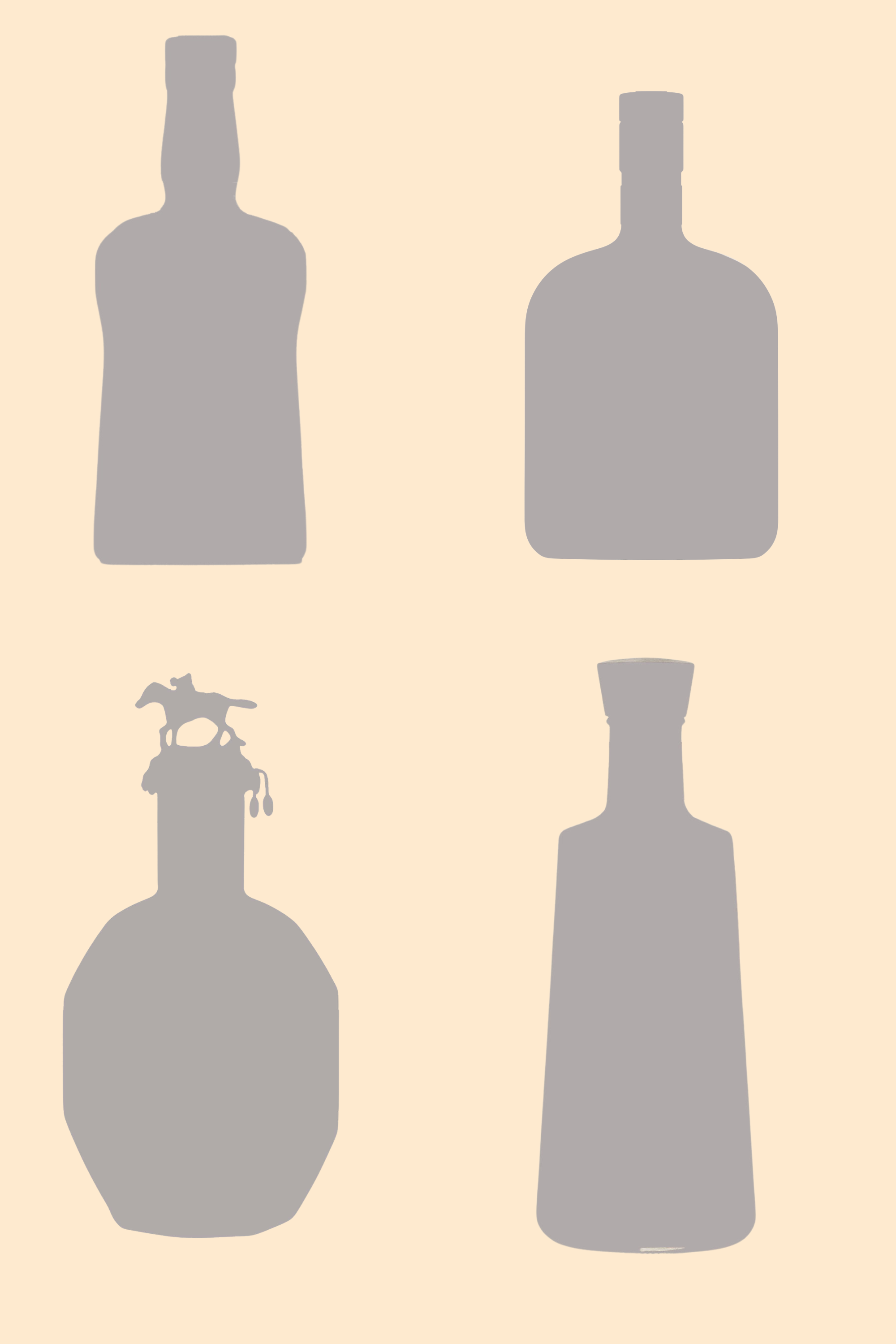
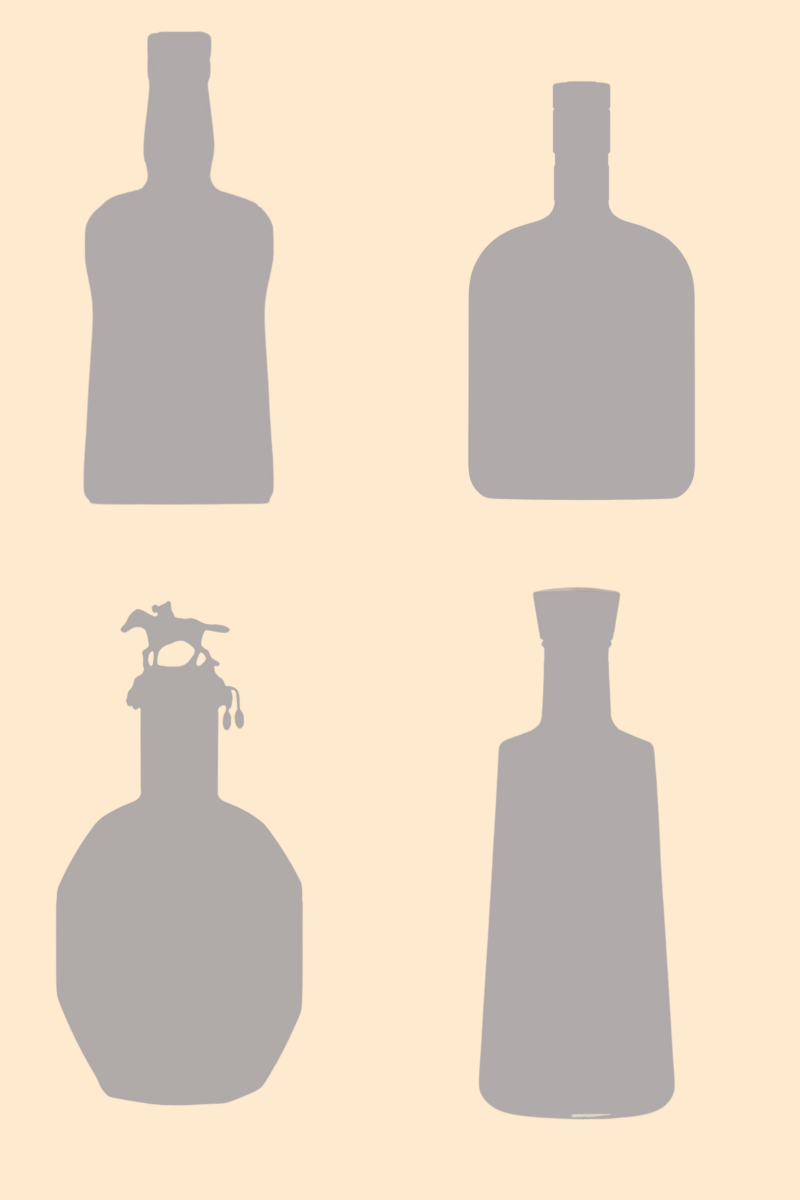
To explore this phenomenon, Garden & Gun recently introduced an engaging diagnostic challenge crafted by spirits writer Steve Russell: a twelve-part visual quiz challenging enthusiasts to identify some of the most iconic bourbon brands in the world based solely on their greyed-out silhouettes, stripped of all logos, typography, and familiar label art.
This deep-dive feature examines the underlying mechanics of that quiz, analyzes the psychology of bourbon bottle architecture, traces the rich history of whiskey packaging, and explores how industrial design dictates modern luxury consumption in the American whiskey renaissance.
Detailed Chronology: From Utility to Iconography in Whiskey Packaging
To understand why bottle silhouettes matter so much to the modern aficionado, one must trace the historical trajectory of how American whiskey has been packaged, transported, and marketed over the past two centuries.
The Era of the Generic Jug (Late 18th to Mid-19th Century)
In the pioneering days of American distilling, bourbon and rye were rarely sold in individual glass bottles. Distillers shipped their product in heavy oak barrels down the Kentucky River and the Ohio River toward major trading hubs like New Orleans. Local merchants and tavern keepers would then pump or pour the whiskey directly into stoneware jugs, clay crocks, or whatever glass flasks consumers brought with them. Brand recognition was almost entirely localized; you bought whiskey based on the reputation of the local distiller or tavern keeper, not because of a corporate logo.
The Rise of Proprietary Glass (Late 19th Century)
The passage of the Bottled-in-Bond Act of 1897 marked a monumental turning point for the industry. By guaranteeing consumers a pure, unadulterated product aged for at least four years under federal supervision, the Act transformed whiskey from an anonymous commodity into a branded consumer good. Distillers quickly realized that to protect their reputations against counterfeiters and cheap imitators, they needed distinctive packaging. This era gave birth to proprietary embossed bottles, intricate glass ridges, and embossed lettering directly into the molds. The silhouette became a primary line of defense against fraud.
Prohibition and the Uniform Flask (1920–1933)
The dark years of national Prohibition temporarily halted legal commercial distillation, resetting the aesthetic landscape. When the Eighteenth Amendment was repealed with the ratification of the Twenty-first Amendment in 1933, distilleries were forced to rebuild from the ground up. In the mid-20th century, post-Prohibition packaging trended toward standardization. Convenience, cost-efficiency, and uniformity dominated corporate boardrooms. Bourbon bottles became predictable, tall, and slender, relying on ornate paper labels rather than unique glass forms to differentiate themselves on crowded backbars.
The Designer Bourbon Revolution (Late 20th Century to Present)
The modern era of custom, artistic bottle design began in earnest during the 1980s and 1990s, pioneered by visionary master distillers and marketing teams who recognized that bourbon was shedding its working-class stigma to become a luxury lifestyle product. Brands like Maker’s Mark staked their entire visual identity on a distinct silhouette capped by dripping red wax, proving that tactile packaging could drive national brand loyalty. Today, industrial designers work hand-in-hand with master blenders to engineer bespoke glass containers that tell a visual story before the cork is even pulled.

Supporting Context & Metrics: Decoding the Twelve Silhouettes
Steve Russell’s silhouette quiz taps into a profound psychological phenomenon known in cognitive science as visual acuity and gestalt perception—the ability of the human brain to recognize familiar objects from minimal visual cues, outlines, or negative space.
When presented with twelve isolated, greyed-out bottle shapes, even casual bourbon drinkers often find themselves surprised by how instinctively they recognize certain profiles. Let us break down the categories of architectural design hidden within the quiz’s twelve architectural archetypes:
1. The Wax-Sealed Classic (The Artisan Profile)
Characterized by a smooth, flared neck completely encased in hand-applied sealing wax, this silhouette immediately evokes traditional craft distilling. Originally popularized to create an airtight seal against evaporation and insect intrusion, the dripping wax has evolved into one of the most recognizable haptic signatures in the spirits world, instantly bringing to mind heritage-driven Kentucky operations.
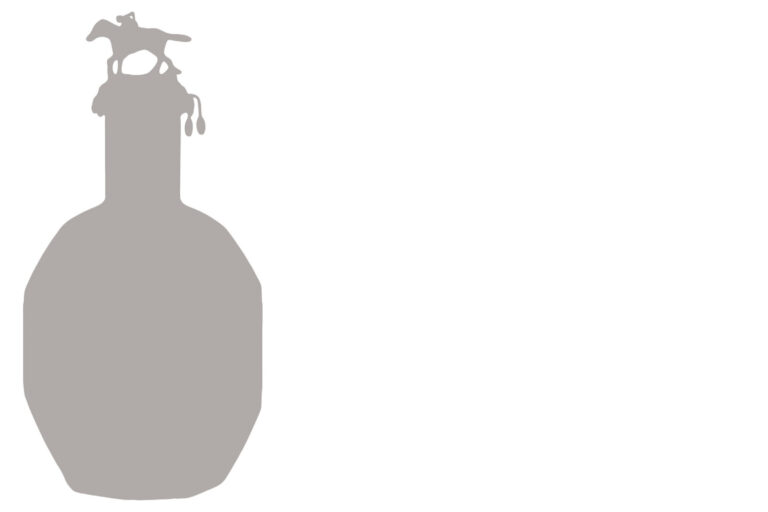
2. The Equestrian Tribute (The Thematic Silhouette)
Some bottles integrate cultural iconography directly into their structural engineering. This profile features a distinctive cap or neck curvature that nods to the rich heritage of Bluegrass state traditions—specifically, thoroughbred horse racing. For collectors, the weight of the stopper and the sweeping lines of the shoulder serve as a direct visual bridge between the paddock and the pour.
3. The Tall, Slender Vanguard (The Modern Minimalist)
Standing tall with clean, elongated lines, this bottle represents the contemporary shift toward sleek, high-end luxury. Often utilized for ultra-aged or small-batch releases, these statuesque profiles demand height on the backbar, communicating elegance, restraint, and an artisanal focus on purity.
4. The Ornate Heritage Decanter (The Vintage Revival)
Echoing the ornate glassware of the mid-century cocktail era, this silhouette features complex geometric facets, heavy glass shams (bases), and textured embossing. It appeals directly to the nostalgic collector who values the tactile weight of heavy crystal and historical reverence.

5. The Heavy-Set "Workhorse" (The Robust Profile)
With a broad, sturdy base and a thick-set body, this silhouette looks unshakeable. Often associated with high-proof, barrel-proof, or frontier-style bourbons, the physical bulk of the glass matches the robust, unapologetic flavor profile of the high-proof spirit contained within.
6. The Top-Heavy Sculptural Form (The Avant-Garde)
Defying traditional tapering, this silhouette swells toward the shoulders before plunging sharply down to a narrower base. It is a masterclass in modern industrial design, engineered to disrupt visual monotony on crowded retail shelves and command immediate attention.
7. The Notched and Angular Icon (The Modern Industrialist)
Featuring sharp angles, recessed panels, or structural notches, this bottle breaks away from traditional cylindrical geometry. It is a favorite of modern craft distilleries looking to project an aura of innovation, precision engineering, and contemporary design sensibilities.

8. The Classic Hourglass (The Timeless Standard)
A subtle indentation at the neck or waist defines this timeless silhouette, offering an ergonomic grip that feels natural in the hand when pouring. It represents a balanced middle ground between traditional utility and refined elegance.
9. The Dripping Column (The Experimentalist)
Whether adorned with unique wax drippings, elongated necks, or unconventional closures, this profile captures the spirit of craft experimentation. It signals to the consumer that what is inside breaks away from the ordinary commercial mainstream.
10. The Long-Snouted Flask (The Historical Revival)
Reminiscent of apothecary bottles and historical medicine flasks used during the 19th century, this long-necked silhouette bridges historical authenticity with modern aesthetic appreciation.
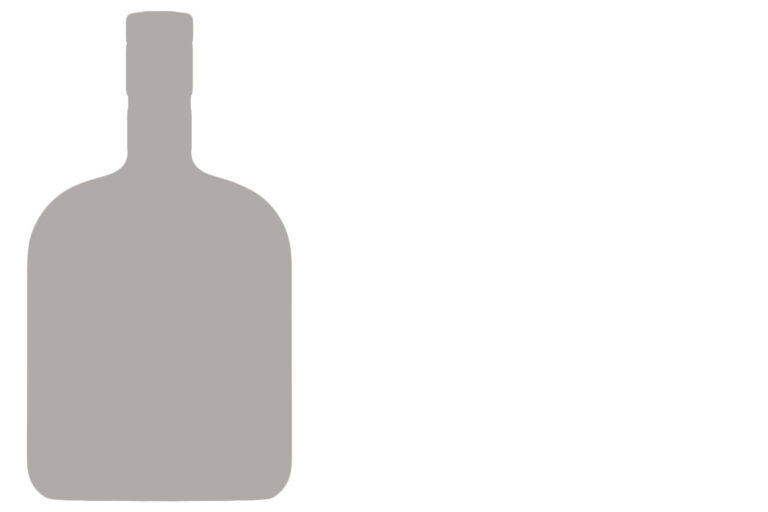
11. The Bottom-Heavy Bell (The Grounded Vessel)
Flaring out widely at the base, this silhouette projects stability and permanence. It anchors the eye at the bottom of the shelf, utilizing gravity as a visual tool to suggest a rich, settled, deeply aged spirit.
12. The Modern Jug Evolution (The Rustic Modernist)
Merging the rustic charm of historical moonshine jugs with modern glassmaking precision, this final archetype rounds out the quiz by proving that rustic heritage can be successfully re-engineered for the modern luxury market.
Official Perspectives: The Philosophy of Bottle Design
To gain a deeper appreciation for the artistry behind these silhouettes, industry insiders, master distillers, and industrial packaging designers emphasize that every millimeter of glass is intentional.

Industry veteran and spirits historian Elizabeth Vance notes:
"When a distiller spends eight, twelve, or twenty years aging a liquid in a charred white oak barrel, the last thing they want is for the container to betray the quality within. The bottle is a promise. Long before the consumer reads the age statement on the label, the shape of the glass must communicate whether the whiskey inside is approachable and sweet, or bold, complex, and historic."
Lead packaging designer Marcus Sterling elaborates on the technical challenges of silhouette recognition:

"Designing a successful whiskey bottle is an exercise in restraint. You aren’t just creating a pretty container; you are solving an ergonomic puzzle. It has to feel balanced in the hand of a bartender pouring a fast cocktail, yet look striking enough to command a hundred-dollar-plus price point on a retail shelf. When you strip away the paper labels and color printing—as Steve Russell did in this quiz—you discover whether your industrial design truly has a soul of its own."
Distillery brand directors frequently report that consumers can accurately identify their favorite brands from across a dimly lit room purely based on the shadow cast by the bottle’s neck or the flare of its shoulders. This level of brand resonance is the ultimate holy grail of marketing in the spirits sector.
Future Outlook: The Next Generation of Bourbon Packaging
As the American whiskey market continues to mature through 2026 and beyond, the intersection of industrial design, sustainability, and consumer psychology is entering an exciting new chapter.

1. Sustainable and Lightweight Glass Engineering
While heavy, ornate decanters have dominated the ultra-premium sector, the broader industry faces mounting pressure to reduce its carbon footprint. Future bottle silhouettes will likely need to balance aesthetic luxury with eco-friendly engineering, utilizing recycled glass matrices and optimized wall thickness without sacrificing the iconic silhouettes that consumers love.
2. Smart Packaging and Interactive Haptics
The rise of near-field communication (NFC) chips embedded in corks and custom seals means that future bottles will bridge the physical and digital worlds. However, design experts emphasize that no digital gimmick can replace the immediate psychological impact of a striking silhouette. The physical shape will always remain the primary anchor of brand identity.
3. The Enduring Appeal of the Unlabeled Challenge
Quizzes like the one featured in Garden & Gun highlight a broader cultural shift among bourbon enthusiasts: a desire for deeper, more authentic engagement with their favorite spirits. Collectors no longer just want to consume; they want to master the lore, appreciate the craftsmanship, and test their expertise.

Ultimately, whether you easily aced all twelve silhouettes or found yourself stumped by the subtle curves of the more elusive craft bottles, this visual exercise serves as a delightful reminder that bourbon appreciation is a multisensory experience. It engages our eyes, our hands, and our memories long before the first drop ever touches the glass.

0 Comments