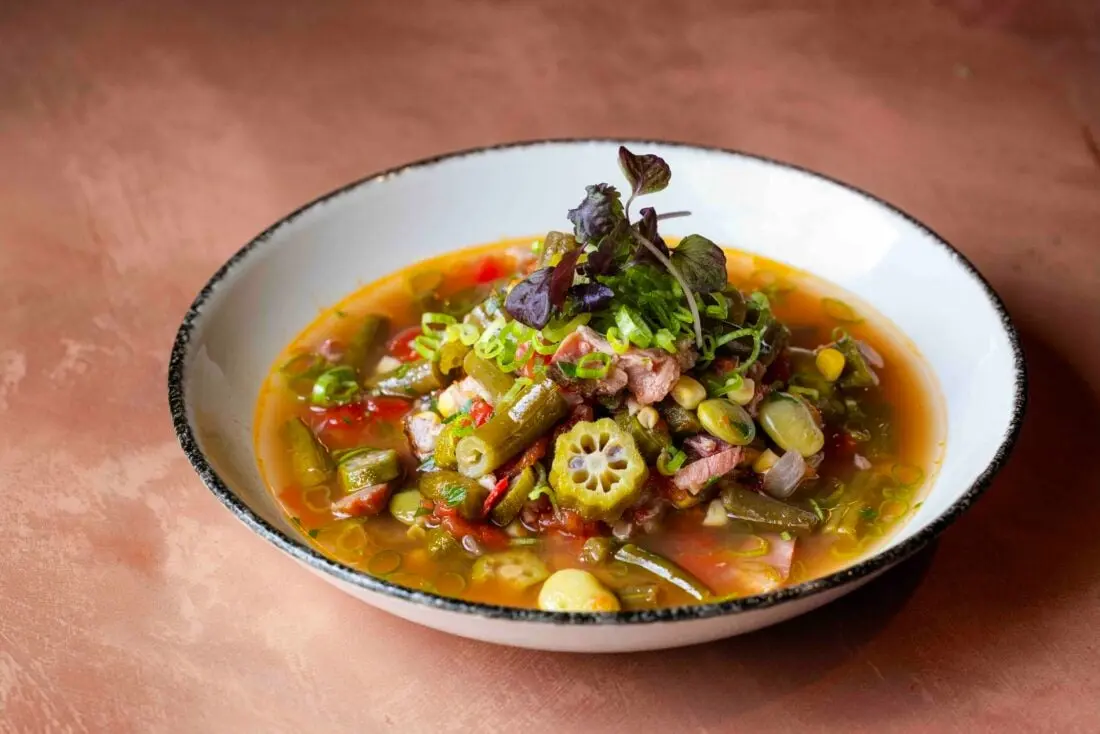
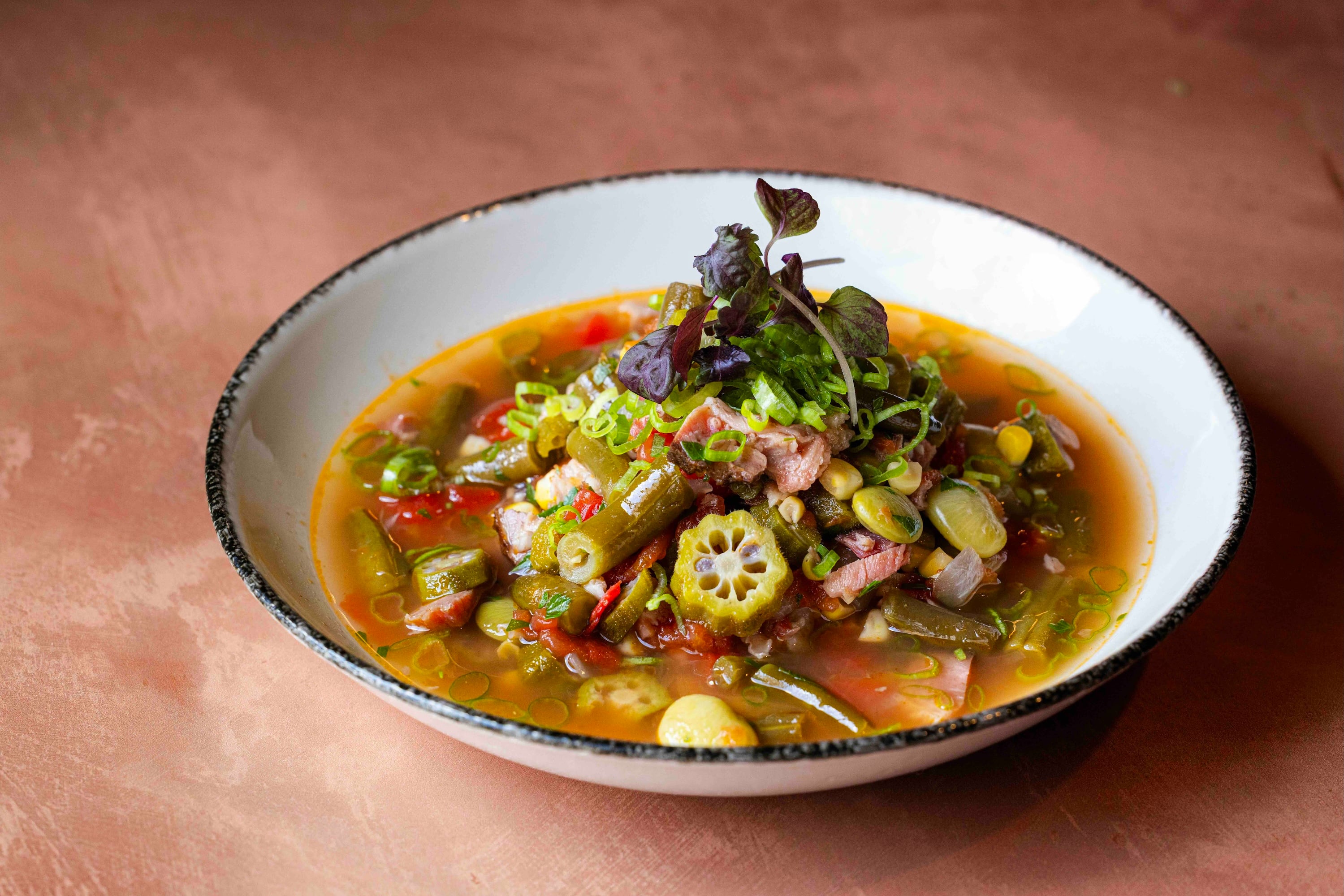
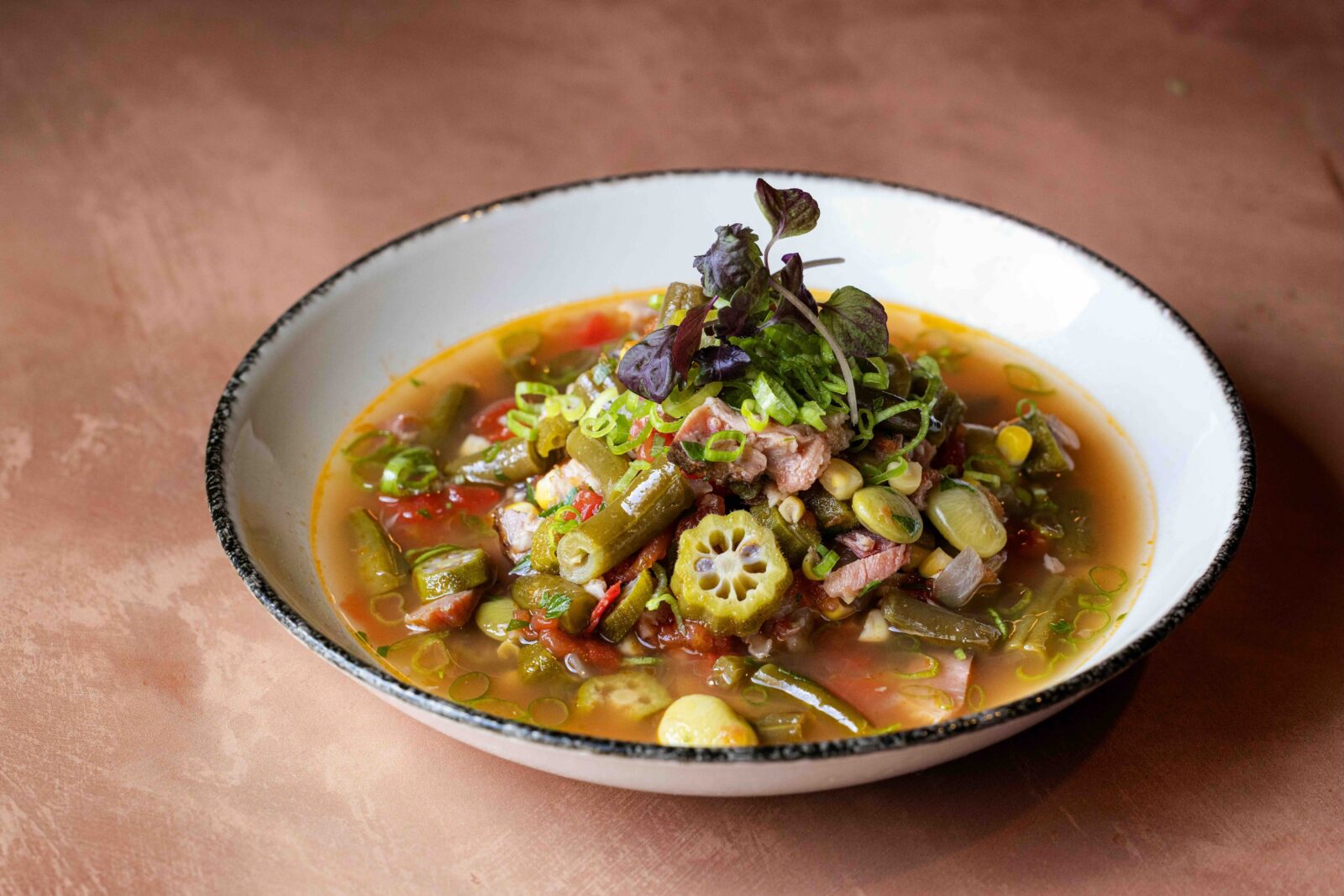
As the culinary landscape shifts dynamically toward hyper-modernism, molecular gastronomy, and digitized dining rooms, a quiet rebellion is taking place in the heart of downtown Greenville, South Carolina. Here, inside the storied kitchens of Soby’s New South Cuisine, Executive Chef Jon Buck anchors his professional ethos not in fleeting trends, but in the immutable, soul-warming traditions of the Southern table. While patrons flock to Soby’s for meticulously elevated renditions of regional staples like fried green tomatoes and house-ground shrimp and grits, Buck’s personal culinary compass points inward—straight toward his mother’s stove, the scent of autumn crispness, and the rich, savory alchemy of a simmering ham bone vegetable soup.
Published as part of a seasonal culinary exploration by writer Steve Russell, Buck’s recipe for Ham Bone Vegetable Soup transcends the boundary of a simple meal. It serves as an edible time capsule, bridging the gap between mid-century domestic traditions and contemporary fine-dining execution. In an era defined by convenience, this dish demands patience, demanding hours of slow extraction where collagen breaks down into velvet, aromatics sweat until translucent, and humble vegetables transform into a harmonious chorus of textures.
This comprehensive report examines the cultural resonance, technical craftsmanship, and emotional architecture behind Chef Jon Buck’s signature cool-weather comfort food. Through an investigation into culinary heritage, the mechanics of broth-making, and the psychology of seasonal eating, we explore why a simple pot of ham bone soup remains the ultimate antidote to the chill of modern life.
Detailed Chronology: From the Gridiron to the Pass
To understand the depth of Chef Jon Buck’s attachment to his signature vegetable soup, one must trace the timeline of his culinary genesis—a journey that began long before white chef’s coats and professional brigade systems entered the picture.
The Formative Years: Aromas of the Upstate
Growing up, Buck’s introduction to the kitchen was instinctive rather than academic. In the traditional American South, waste was historically viewed as a failure of stewardship, and nothing encapsulated this philosophy quite like the holiday ham. Long after the centerpiece of a Sunday dinner or a holiday celebration had been carved and consumed, the residual bone—flecked with ribbons of cured meat, hardened fat, and smoky essence—held the promise of a second life.
Buck’s mother mastered this domestic alchemy. For the young Buck, autumn was not merely marked by changing foliage or the return of school routines; it was defined by sensory markers. Chief among them was the distinct, mouth-watering aroma of rendered pork fat, allium vegetables, and simmering broth greeting him at the front door after grueling high-school football practices.
"This is one of those dishes that my mother taught me how to make, and one of my father’s favorites, so I keep it very close to my heart and thoroughly enjoy preparing it every year," Buck reflects. "Specifically, I remember coming home after football practice in the fall to the house filled with the sweet, rich aromas of the ham bone broth. My mother would always serve it with a big skillet of fresh-baked cornbread, and we’d sit around the kitchen table and enjoy what was always one of our absolute favorite meals."
The Professional Evolution
As Buck transitioned from a home cook into a serious culinary professional, he navigated the rigorous kitchens of the American Southeast. Honing his craft required mastering classical French mother sauces, knife skills, and precise protein cookery. Yet, the best chefs often realize that the most sophisticated techniques exist solely to elevate simple, honest ingredients.
Upon taking the helm at Soby’s New South Cuisine—a foundational pillar of Greenville’s Table 301 restaurant group—Buck inherited the responsibility of defining modern Southern cuisine. Soby’s had spent decades championing the concept that traditional recipes could be reimagined without losing their soul. For Buck, incorporating the lessons of his childhood into this professional environment was a natural progression. While the soup does not routinely occupy a permanent slot on Soby’s high-rotation downtown menu, it remains a legendary private-kitchen staple, occasionally surfacing in seasonal tasting features, family-style catering events, and private dinners where guests clamor for authentic, deeply personal cooking.
Supporting Context & Metrics: The Anatomy of a Masterpiece
To replicate or understand a dish of this magnitude, one must look beyond the emotional narrative and dissect the technical mechanics. A ham bone vegetable soup is deceptively simple on paper, yet it relies heavily on the scientific principles of extraction, seasoning balance, and thermal management.
The Science of the Stock: Collagen, Smoke, and Sodium
The structural integrity of Buck’s soup hinges entirely on the quality of the primary vessel: the ham bone. Commercially cured and smoked hams impart complex flavor profiles involving wood smoke (typically hickory, applewood, or pecan), heavy salting, and residual sweetness from sugar or brown-sugar glazes used during initial roasting.
Collagen Conversion: As the bone simmers over low heat for hours, the connective tissues, cartilage, and marrow break down. Collagen transforms into gelatin, giving the broth a velvety, mouth-coating viscosity that water-based vegetable broths can never replicate.
Sodium Management: Because ham bones are inherently cured and salted, professional chefs must exercise rigorous restraint. Adding salt prematurely can result in an unpalatable, hyper-saline reduction as the liquid evaporates. The salt level must be monitored continuously, adjusting only after the vegetables have released their own moisture and starches to absorb excess salinity.
The Maillard Reaction: Sautéing the mirepoix (onions, carrots, celery) in rendered pork fat or butter prior to introducing the liquid initiates the Maillard reaction, developing complex nutty and savory flavor notes that form the foundation of the soup’s depth.
The Seasonal Shift in American Dining
The publication of Buck’s recipe in late September aligns with a broader macroeconomic and cultural shift in American dining: the transition to comfort foods during the meteorological shift from summer to autumn. According to data from the National Restaurant Association, consumer demand for slow-cooked, warming dishes spikes by over 45% between September and November.
Chefs like Jon Buck capitalize on this biological craving. When temperatures drop, human caloric intake historically shifts toward nutrient-dense, easily digestible, and comforting formats. Root vegetables—such as carrots, parsnips, potatoes, and winter greens—reach their peak seasonal sweetness, making autumn the optimal window for vegetable-heavy soups built upon hearty animal stocks.
Official Statements & Culinary Philosophy
The culinary philosophy of Chef Jon Buck and the broader operational ethos of Soby’s New South Cuisine emphasize respect for provenance, community, and memory.
In discussions surrounding the preservation of traditional recipes, culinary historians and chefs alike emphasize that dishes like ham bone soup are cultural artifacts. Food writer Steve Russell notes that recipes passed down through generations carry a distinct social currency that cannot be replicated by algorithmic recipe development or commercial food manufacturing.
"When a chef of Jon Buck’s caliber opens up his family ledger to share a dish like this, it reminds us why we cook in the first place," observes Russell in his culinary commentary. "It’s not about ego on a plate; it’s about creating an emotional resonance that transports the diner to a specific place, time, and feeling of absolute safety and warmth."
Furthermore, Table 301 and Soby’s leadership have long maintained that the evolution of Southern foodways depends on the preservation of humble, working-class dishes. While fine dining often celebrates expensive proteins like filet mignon, truffles, and caviar, true Southern culinary identity was forged out of resourcefulness—turning scraps, bones, and garden surpluses into feasts of resilience.
"People often ask what makes New South cuisine different from traditional Southern cooking," Chef Buck notes in professional seminars. "The answer is that we aren’t throwing away the past; we’re simply framing it with better technique, better sourcing, and a deeper appreciation for where these flavors originated. The ham bone soup isn’t elevated because we added luxury ingredients; it’s elevated because we respect the time it takes to do it right."
Future Outlook: The Resurgence of Heirloom Cooking
As we look toward the future of the culinary arts, the trajectory of dishes like Jon Buck’s ham bone vegetable soup points toward a promising return to authenticity. In an age dominated by hyper-processed convenience foods and fast-casual dining formats, the labor-intensive act of building a soup from scratch represents a radical form of self-care and cultural preservation.
The Rise of Slow Food and Domestic Craft
The "Slow Food" movement, which originated in Italy as a counter-weight to fast food and the disappearance of local culinary traditions, finds a natural ally in heirloom American home cooking. Younger generations of home cooks and professional chefs are increasingly rejecting packet-seasonings and canned broths in favor of traditional scratch-cooking methods.
Bone broths, in particular, have experienced a massive wellness and culinary renaissance over the past decade. Consumers are rediscovering what grandmothers like Buck’s mother always knew: that simmering bones extracts vital nutrients, amino acids, and minerals while providing unmatched culinary depth.
Preserving Regional Foodways
In regions like the South Carolina Upstate, culinary tourism is increasingly driven by travelers seeking genuine local stories. Restaurants that anchor their menus in personal history and regional identity—such as Soby’s—are positioned to thrive. As corporate chains homogenize the American roadside, the distinct taste of a slow-simmered ham bone broth, paired with a cast-iron skillet of freshly baked cornbread, acts as a powerful cultural anchor.
For Chef Jon Buck, the annual ritual of stirring his mother’s soup is more than a nostalgic exercise; it is a vital act of culinary transmission. By documenting and sharing these recipes through platforms like Garden & Gun, Buck ensures that the smoke, the savory broth, and the memory of high school football nights will continue to warm kitchens across the country for generations to come.
As the autumn leaves fall and the chill of winter creeps into the air, kitchens everywhere would do well to follow Buck’s lead: save the bone, stoke the fire, and let the healing power of slow-cooked comfort do its work.



0 Comments