
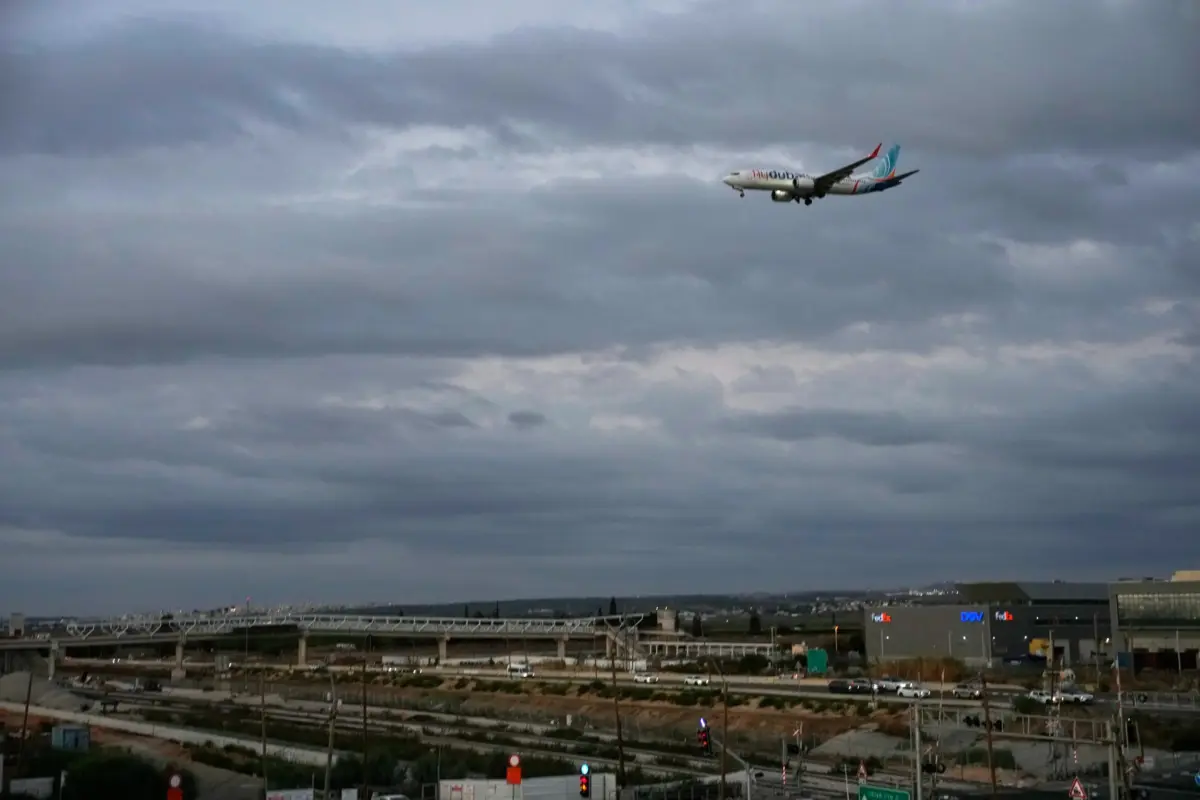

In the annals of modern civil aviation history, few incidents rival the chilling sequence of events that unfolded aboard FlyDubai Flight [Redacted] on Wednesday, September 30, 2026. What was meant to be a routine commercial journey from Dubai to Tel Aviv, Israel, nearly culminated in a catastrophic mass-casualty disaster when the aircraft’s co-pilot allegedly launched a vicious, unprovoked knife attack against the captain mid-flight.
The cockpit assault, which sent the commercial jet into a terrifying, steep nosedive with 182 passengers and crew members on board, has triggered profound international security concerns, heightened diplomatic tensions across the Middle East, and exposed critical vulnerabilities in airline pilot vetting processes. International investigators, operating under the leadership of the United Arab Emirates (UAE) with cooperative support from intelligence and aviation authorities in Israel and other allied nations, have identified the suspect as Hamam al-Hammami, an Omani national.
According to multiple high-ranking diplomatic and intelligence sources speaking on condition of anonymity, al-Hammami had previously been grounded by authorities in Oman over mounting concerns regarding his adoption of extremist ideologies. Despite these red flags, the pilot was subsequently hired by FlyDubai, a prominent UAE-based budget carrier. The revelation has ignited an intense global investigation into how an individual harboring suspected extremist views managed to secure a commercial airline transport license and a seat in the flight deck of a major carrier.
The incident not only tested the structural resilience of modern cockpit security protocols but also strained fragile diplomatic arrangements. The flight ultimately executed a dramatic emergency landing in Saudi Arabia—a nation without formal diplomatic ties to Israel—before traumatized passengers were eventually repatriated via subsequent flights to Ben Gurion International Airport. As governments from Washington to Jerusalem grapple with the security implications, the attack has transformed from a localized in-flight emergency into an international geopolitical flashpoint involving questions of counterterrorism, regional intelligence sharing, and the systemic vetting of commercial airline flight crews.
Detailed Chronology
The Departure and Normal Ascent
The ill-fated journey began in the early morning hours of Wednesday, September 30, 2026. Flight [Redacted], operated by FlyDubai, pushed back from its gate at Dubai International Airport carrying 182 individuals, including passengers of various nationalities and a standard complement of cabin crew. Commanded by an experienced captain and co-piloted by Hamam al-Hammami, the aircraft took off smoothly, tracking a standard westbound trajectory toward its destination at Ben Gurion International Airport near Tel Aviv. For the initial phase of the cruise, the flight proceeded without incident, maintaining standard altitude and communication protocols with regional air traffic control centers.
The Cockpit Assault and Sudden Dive
The atmosphere inside the flight deck shifted from professional routine to mortal peril without warning while the aircraft was cruising at altitude. According to investigative findings and harrowing accounts from the wounded captain, al-Hammami drew an edged weapon—the exact nature and origin of which remain under strict forensic scrutiny by investigators—and launched a sudden, ferocious knife attack targeting the captain.
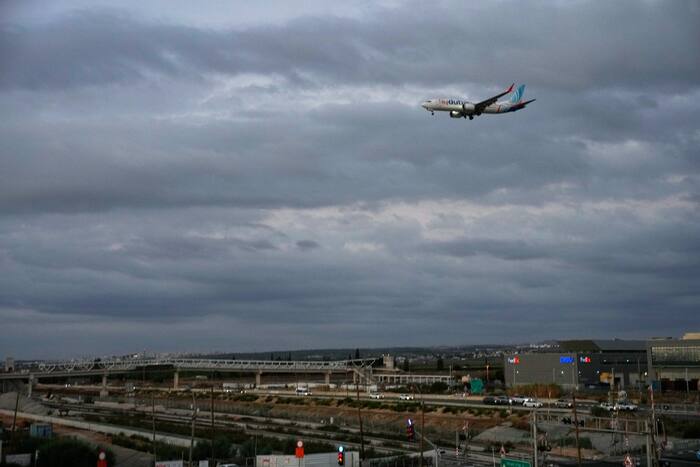
While sustaining severe stab wounds, the captain managed to engage manual override systems and fight back against the sudden aggression. Crucially, the wounded commander used his remaining strength to unlock the cockpit door. This action proved to be the decisive turning point of the crisis; muffled struggle sounds and automated altitude warnings had already alerted nearby flight attendants and intrepid passengers outside the cabin.
Simultaneously, the attack severely compromised flight controls, causing the aircraft to enter a precipitous, terrifying descent. Flight telemetry data later confirmed that the jet experienced a sharp and alarming loss of altitude, plunging rapidly toward the earth as the automated warning systems screamed in the cockpit.
Intervention and Emergency Diversion
Reacting with extraordinary bravery, a group of passengers—including individuals later identified in reports as professionals from various non-aviation backgrounds—alongside cabin crew members rushed the flight deck immediately as the door unlocked. Breaking through the threshold, they physically subdued and restrained the co-pilot, overpowering him before he could further manipulate the flight surfaces or complete what authorities fear was an intentional crash maneuver.
With the attacker neutralized and the captain bleeding heavily, a relief pilot or surviving flight deck personnel managed to stabilize the aircraft, halting the perilous nosedive. Recognizing the gravity of the medical and security emergency, the flight crew declared an emergency and diverted the aircraft toward the nearest suitable major airfield, executing a safe emergency landing in Saudi Arabia.
Repatriation and Immediate Aftermath
Upon landing on Saudi soil, local emergency responders, security personnel, and medical teams swarmed the aircraft. The wounded captain was immediately rushed to a local medical facility for emergency surgery to treat multiple stab wounds. Meanwhile, the passengers were held temporarily while Saudi authorities coordinated with regional diplomats.
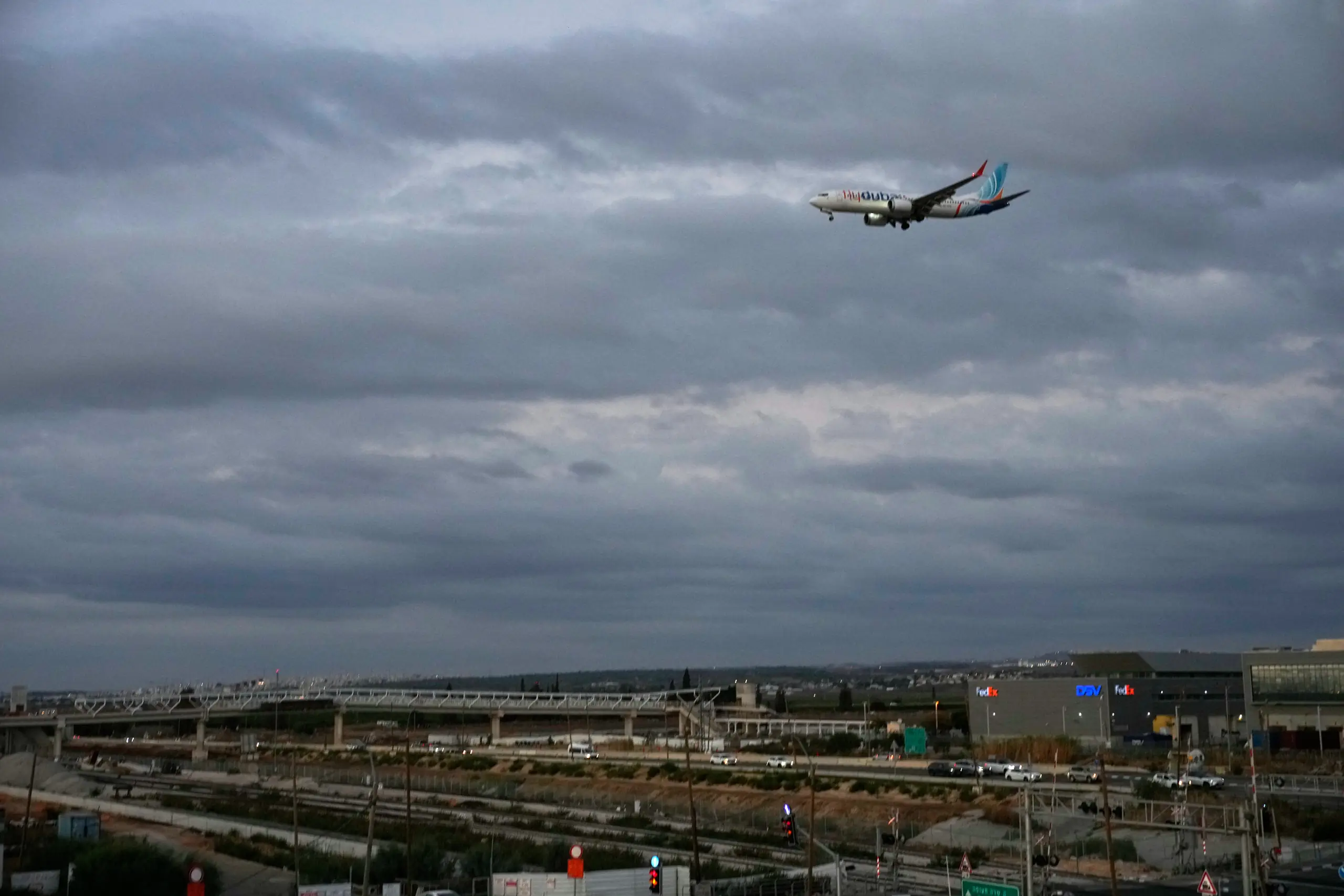
By Wednesday afternoon, arrangements were made to transfer the shaken passengers onto a secondary FlyDubai aircraft. This replacement flight departed for Israel, finally touching down at Ben Gurion International Airport later that day. Images from the tarmac captured the emotional reunions of traumatized passengers, including Israeli traveler Yaniv Hayoun, who arrived visibly shaken with blood stains on his shirt—a stark visual testament to the violence that had occurred thousands of feet above the ground. Both the injured captain and the restrained co-pilot were subsequently transferred under high-security guard to the UAE, which assumed lead jurisdiction over the sprawling multi-national criminal investigation.
Supporting Context & Metrics
The Threat Matrix: Vetting and Red Flags
The core investigative focus centers on how Hamam al-Hammami traversed international aviation safety nets. Intelligence sources revealed that al-Hammami had previously been flagged and barred from flying by civil aviation authorities in Oman. The restriction was levied after security evaluations indicated he had undergone radicalization and adopted extremist views.
Despite this critical disqualification, al-Hammami subsequently secured employment with FlyDubai, a state-backed carrier headquartered in the United Arab Emirates. Aviation experts and security analysts have expressed profound astonishment that an individual explicitly blocked from commercial piloting in his home country due to extremist tendencies could successfully transition to another regional carrier.
The oversight lapse raises critical questions regarding the standardization of background checks, cross-border intelligence sharing among Gulf Cooperation Council (GCC) member states, and the reliability of global aviation registries in tracking pilot safety flags. While commercial airlines perform rigorous background checks, criminal record reviews, and psychological evaluations during hiring, international databases often lack real-time synchronization concerning radicalization markers flagged exclusively by domestic intelligence agencies.
Geopolitical and Diplomatic Complications
The incident occurred within a complex geopolitical landscape. Israel and Oman do not maintain formal diplomatic relations. Under long-standing international aviation agreements, foreign carriers operating flights into Israeli airspace are generally restricted from utilizing flight crews who are citizens of nations that do not recognize the State of Israel—a protocol ostensibly designed to mitigate security risks and political friction.
The fact that an Omani national was permitted to pilot a commercial route terminating in Tel Aviv has prompted Israeli security agencies to demand an immediate audit of foreign carrier compliance. Furthermore, the emergency diversion into Saudi Arabia—a nation that has engaged in normalization talks with Israel but remains formally detached from a full peace treaty—underscores the precarious nature of regional aviation corridors. The willingness of Saudi air traffic control and emergency infrastructure to handle the distressed Israeli-bound flight, however, has been noted by diplomats as a pragmatic response to an acute humanitarian and aviation crisis.
Flight Telemetry and Operational Data
Data recovered from flight tracking systems and preliminary black box readouts underscore the narrow margin between survival and total catastrophe. During the brief window of the cockpit struggle, the aircraft’s altitude dropped precipitously over a matter of seconds. Commercial airliners operating at high cruise levels require precise aerodynamic management; a sudden loss of pilot control combined with aggressive manual inputs to the control column can easily exceed structural load limits or result in an irrecoverable stall. The rapid response of the cabin crew and passengers not only prevented a hijacking or targeted crash but also saved the airframe from structural disintegration under high-speed aerodynamic stress.
Official Statements
The gravity of the incident elicited immediate, high-level responses from world leaders, diplomatic officials, and corporate entities across the Middle East and beyond.
-
Anwar Gargash, Senior Diplomatic Adviser to the UAE President:
Taking to the social media platform X (formerly Twitter) on Friday, October 2, Gargash issued a strongly worded condemnation of the assault. He categorized the incident unequivocally as a "dangerous terrorist act," signaling the UAE government’s determination to address the security breach with zero tolerance. The statement was viewed by regional observers as an acknowledgment of the severe reputational and security test facing Emirati authorities, who have long prided themselves on maintaining a secure, low-crime environment and rigorous counterterrorism standards. -
Benjamin Netanyahu, Prime Minister of Israel:
Addressing the security cabinet and public media outlets on Friday, Israeli Prime Minister Benjamin Netanyahu asserted that the co-pilot had undergone a process of "Islamist radicalization." While Netanyahu’s office did not immediately release direct evidentiary documentation to the press during the preliminary briefing, the Israeli government emphasized that the incident validates their ongoing concerns regarding the vetting of foreign flight crews operating routes into Israeli airspace. -
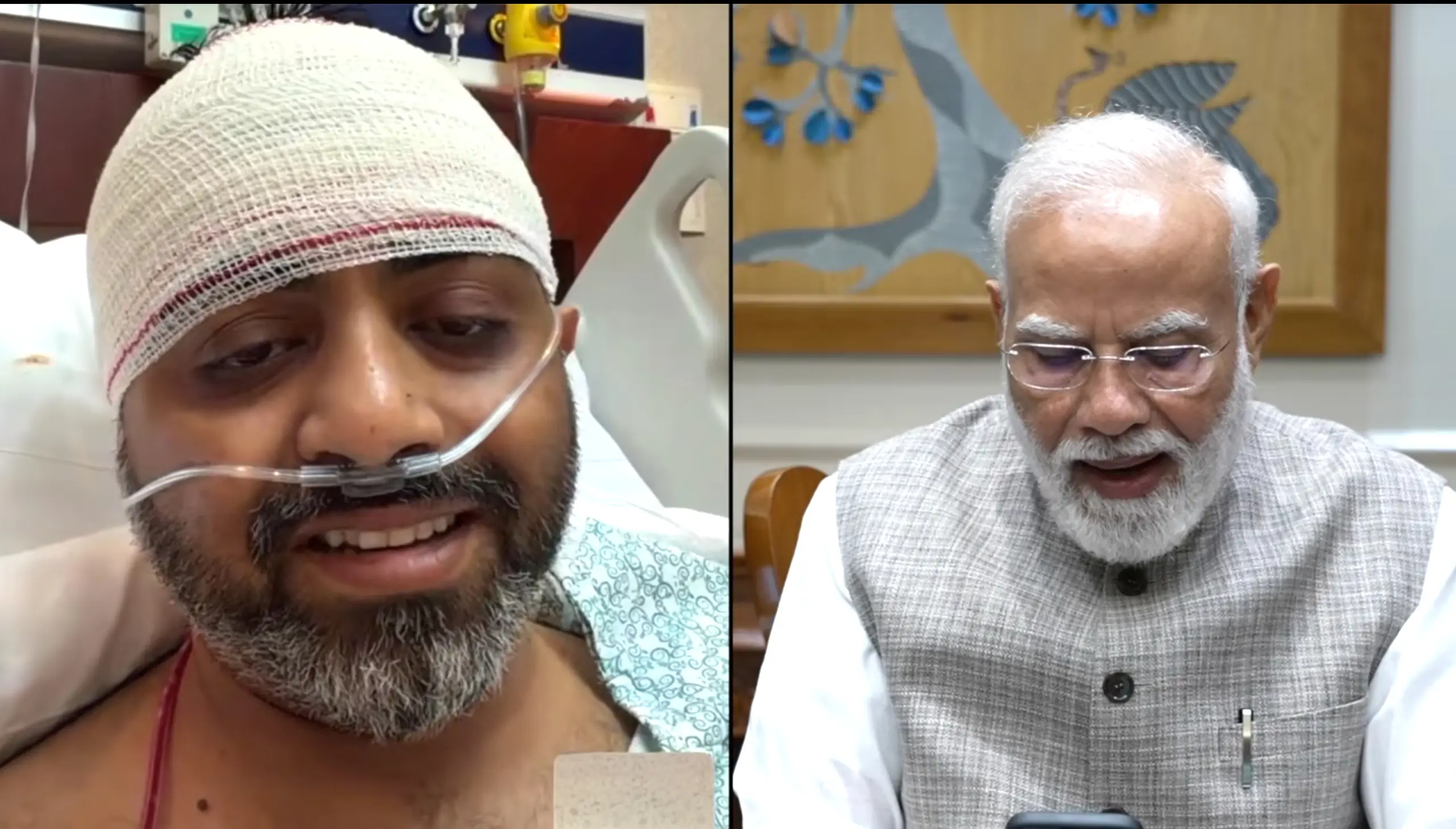
Indian Prime Minister Narendra Modi and Captain Smit Machchhar:
Amid the unfolding global narrative, the human element of heroism received prominent recognition. On Friday, October 2, Indian Prime Minister Narendra Modi held a widely publicized video conversation with FlyDubai pilot Captain Smit Machchhar (and fellow crew members involved in managing the crisis), praising their composure, courage, and decisive actions under extreme duress. The call underscored the multinational makeup of modern commercial aviation crews and the universal acclaim earned by those who averted disaster. -
Corporate and Institutional Silence:
Notably, FlyDubai, the UAE government authorities, and Oman Air maintained a measured public posture in the immediate wake of the disclosures. Repeated inquiries directed toward the Omani government regarding why al-Hammami’s barring was not universally flagged or how he bypassed regional employment screens went unanswered as internal administrative and criminal probes deepened.
Future Outlook
The near-tragedy aboard FlyDubai Flight [Redacted] is poised to reshape international aviation security protocols, regulatory frameworks, and diplomatic protocols for years to come. As investigators in the UAE, Israel, and other cooperating nations continue to parse the digital footprint of Hamam al-Hammami—including his recently deleted Instagram account and communications logs—several long-term systemic shifts are anticipated across the global airline industry:

1. Overhaul of International Pilot Vetting and Intelligence Sharing
The revelation that a pilot barred in one nation for extremism could seamlessly transition to employment in another has exposed a glaring vulnerability in global aviation safety. International bodies such as the International Civil Aviation Organization (ICAO) are expected to face mounting pressure to establish a centralized, secure global database for tracking pilot credentials, security clearances, and administrative groundings. Enhanced vetting will likely incorporate mandatory psychological evaluations focused on radicalization markers, as well as mandatory cross-border intelligence sharing among civil aviation authorities regarding domestic security flags.
2. Reinforcement of Cockpit Security and Access Control
While modern commercial aviation adopted stringent cockpit door hardening standards in the wake of the September 11 attacks, the FlyDubai incident demonstrates that internal threats originating from within the flight deck present a uniquely difficult challenge. Industry analysts predict renewed debates regarding the feasibility of mandatory dual-occupancy rules in the cockpit at all times, enhanced biometric access controls, and improved internal surveillance or alarm mechanisms that alert cabin crew instantly to distress signals originating from the flight controls rather than just the cabin barrier.
3. Diplomatic and Regulatory Friction in Regional Corridors
For airlines operating in the Middle East, the incident has introduced complex regulatory hurdles. Israeli transport authorities have signaled that they will review all bilateral and unilateral operating agreements with foreign carriers, potentially enforcing stricter enforcement of citizenship and background check stipulations for flight crews entering Israeli airspace. This could lead to temporary route suspensions or complicated scheduling adjustments for regional carriers operating multi-national workforces.
4. Psychological and Operational Support for Aircrews
Finally, the physical and psychological toll on the surviving crew members and passengers will necessitate comprehensive support frameworks. The heroism demonstrated by the wounded captain, cabin crew, and intervening passengers has prompted aviation unions worldwide to advocate for enhanced self-defense and crisis-management training for flight personnel, shifting the paradigm of in-flight security training from passive non-resistance during hijackings to active neutralization of internal threats.
As the multi-national investigation progresses, the harrowing events of September 30, 2026, will serve as a permanent, sobering reminder of the fragile boundaries separating commercial routine from catastrophic airborne terror—and the vigilance required to preserve the safety of millions of travelers traversing the global skies.

0 Comments