

Executive Overview
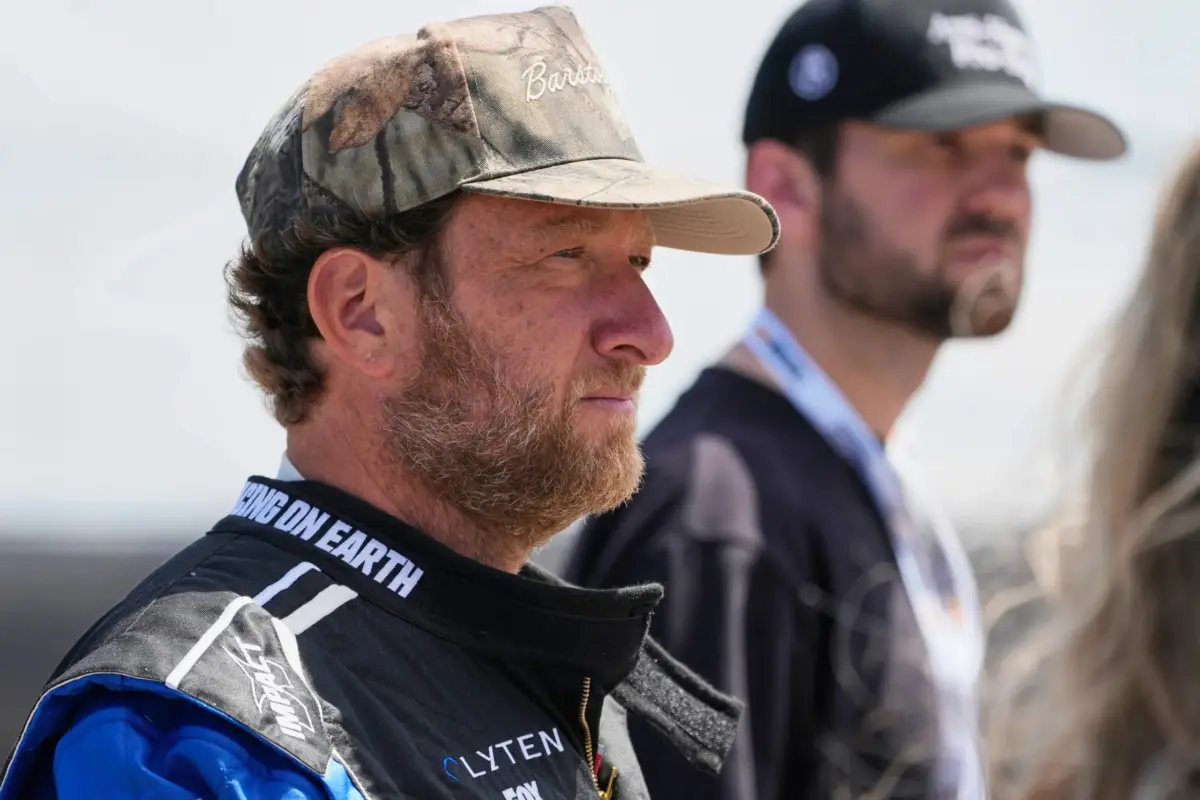
The high-stakes intersection of collegiate athletics, broadcast television, and modern digital media has yielded yet another major casualty. Barstool Sports founder Dave Portnoy and his digital media empire will no longer make recurring appearances on Fox’s popular pregame college football show, Big Noon Kickoff.
According to sources familiar with the situation who spoke to The Associated Press on the condition of anonymity, the decision brings an abrupt end to a controversial partnership that was designed to bridge traditional broadcast networks with a younger, deeply engaged, and often unpredictable internet audience.
The immediate catalyst for the separation points directly to an escalating feud between Portnoy—a proud University of Michigan alumnus and outspoken media personality—and Ohio State University head football coach Ryan Day. What began as standard collegiate trash-talk and digital sparring quickly escalated into behind-the-scenes pressure, culminating in Fox Sports quietly severing ties with Portnoy to protect its massive financial and broadcast investments in the Big Ten Conference.
While Barstool Sports will retain its weekday morning programming slot on FS1, the removal of Portnoy from Big Noon Kickoff highlights the fragile equilibrium between corporate sports broadcasting networks and disruptive digital influencers. As billions of dollars flow into collegiate athletic media rights, networks face mounting pressure from major athletic programs that demand a sanitized, disruption-free environment.
This deep-dive report examines the chronology of the fallout, the underlying tensions between Portnoy and the Ohio State football program, the financial realities driving Fox Sports’ decision, and what this means for the future of sports media partnerships.
Detailed Chronology: From Partnership to Severed Ties
The relationship between Fox Sports and Barstool Sports was always a calculated gamble. When the partnership was officially announced last fall, it was hailed as an innovative attempt to infuse traditional linear television with the raw, unfiltered energy of digital-first sports commentary.
The Honeymoon Phase
Big Noon Kickoff—Fox’s premier college football pregame show featuring host Rob Stone and analysts Brady Quinn, Matt Leinart, Mark Ingram, and Chris “The Bear” Fallica—was looking to capture a broader demographic. Portnoy, whose massive social media following and unapologetic brand of fandom command millions of daily impressions, seemed like a natural lightning rod to draw eyeballs to the broadcast.
Portnoy began making guest appearances on the program, bringing his signature chaotic energy to the desk. However, the blending of Barstool’s irreverent culture with the buttoned-up world of major network sports broadcasting immediately raised eyebrows across the collegiate sports landscape.
The Boiling Point
The friction intensified due to Portnoy’s lifelong allegiance to the University of Michigan, Ohio State’s most bitter and historic rival. Rather than playing the role of an objective or neutral analyst, Portnoy leaned aggressively into his fandom, frequently using Ohio State and coach Ryan Day as prime targets for digital mockery and verbal jabs.
The hostility spilled over into real-world logistics prior to the season. Portnoy publicly claimed that Ohio State officials barred him from entering Ohio Stadium ahead of a high-profile matchup between the Buckeyes and the Texas Longhorns. While Ohio State officials countered that standard planning meetings with Fox stipulated that only the core desk crew—which at the time did not formally include Portnoy as a permanent primary desk anchor—would be granted access inside the venue, the PR battle lines were firmly drawn.
The Breaking Point
As the college football season progressed, Portnoy’s critiques of Ryan Day and the Ohio State program became increasingly pointed. According to sources, the constant friction became a mounting distraction for Fox executives, who maintain multi-billion-dollar commercial and broadcast relationships with the Big Ten Conference and its member institutions.
The final straw came when The Athletic first reported that Fox Sports had quietly decided to drop Portnoy from the rotation. Portnoy, true to form, took to social media to air his grievances and confirm the news. In a post on X (formerly Twitter), he did not mince words regarding who he believed was responsible for his ouster:
"Juice wasn’t worth the squeeze and frankly I don’t blame them. Huge dollars at stake and you have Cryin Ryan throwing temper tantrums and making threats every few days on something I said."
With those few sentences, the curtain was pulled back on the delicate power dynamics governing modern sports television.
Supporting Context & Metrics: The Big Ten Media Landscape
To understand why Fox Sports ultimately chose to part ways with Dave Portnoy, one must examine the staggering financial architecture underpinning modern college football broadcasting.
The Power of the Big Ten Media Rights Deal
Fox Sports is not merely a broadcasting network when it comes to the Big Ten Conference; it is the dominant financial stakeholder. Fox anchors a massive, historic seven-year, multi-network media rights agreement alongside NBC and CBS.
- Financial Scale: The combined media rights package is worth approximately $7 billion over its lifespan, ensuring that every participating university receives unprecedented annual distributions.
- Network Ownership: Beyond its primary broadcast windows, Fox Sports maintains a controlling 61% ownership stake in the Big Ten Network (BTN), intertwining the network’s corporate profitability directly with the health, reputation, and success of Big Ten athletic programs.
Given these immense financial stakes, executive suites in Los Angeles and New York evaluate talent partnerships through a strict risk-reward lens. When a personality like Portnoy generates viral controversy that alienates flagship programs like Ohio State—one of the crown jewels of the Big Ten brand—the calculus changes rapidly. For Fox, alienating a premier university athletic department over recurring personal feuds simply does not make economic sense when billions of dollars in broadcast inventory are on the line.
Official Statements and Corporate Silence
In the wake of the breaking reports, the parties involved adopted starkly different communication strategies, reflecting their corporate postures and public relations playbooks.
Fox Sports Maintains Strict Silence
Fox Sports has issued no official comment regarding the departure of Portnoy from Big Noon Kickoff. Network executives are notoriously protective of their relationships with athletic conferences, and public acknowledgments of internal friction or capitulation to coaching demands are virtually non-existent in corporate media strategy. By remaining silent, Fox aims to quietly sweep the controversy under the rug and pivot viewer attention back to the games on the field.
Ohio State Deflects to the Network
When approached by journalists for comment regarding Portnoy’s allegations that Ryan Day orchestrated his removal, Ohio State University officials declined to engage directly with the claims. Instead, the university issued a concise statement referring all questions regarding Portnoy’s status entirely to Fox Sports. This diplomatic deflection allowed the university to avoid publicly sparring with a media mogul while maintaining institutional boundaries.
Portnoy Doubles Down
True to his reputation as an unfiltered digital provocateur, Dave Portnoy did not let the corporate silence deter him from controlling the narrative. Through his social media channels, he framed the decision not as a firing due to poor performance, but as the result of institutional pressure from a sensitive coaching staff.
By labeling Ryan Day with pejoratives and highlighting the "huge dollars at stake," Portnoy successfully positioned himself as a disruptive force too potent for traditional television to comfortably contain. Crucially, while Portnoy’s weekend college football appearances on Fox have ended, his broader corporate relationship with the network remains partially intact; Barstool Sports continues to produce and air its live, two-hour weekday morning show on FS1, ensuring that the media company maintains a linear TV footprint.
Future Outlook: The Intersection of Digital Influence and Traditional TV
The swift removal of Dave Portnoy from Big Noon Kickoff serves as a defining case study in the ongoing evolution—and friction—between traditional sports broadcasting and the wild west of internet media personalities.
The Limits of "Edgelord" Media in Corporate Boardrooms
In recent years, traditional networks have desperately sought to capture younger, digitally native demographics who have largely abandoned linear television in favor of streaming, TikTok, and YouTube. Partnerships with internet personalities like Portnoy, Pat McAfee, and others were viewed as the silver bullet to inject personality and urgency into aging broadcast formats.
However, this partnership highlights a fundamental structural incompatibility:
- Corporate Risk Aversion: Major networks answer to corporate boardrooms, conference commissioners, and multi-billion-dollar broadcast partners who prioritize brand safety and institutional harmony.
- Disruptive Authenticity: Digital creators build their brands on raw authenticity, unfiltered opinions, and relentless conflict. When that conflict targets the very institutions underwriting the network’s broadcast schedule, a collision is inevitable.
What Lies Ahead for Big Noon Kickoff and Barstool Sports?
For Fox Sports, Big Noon Kickoff will continue to lean on its established, dependable stable of analysts—Quinn, Leinart, Ingram, and Fallica—to drive pregame analysis without the added volatility of outside internet commentators. The show has proven ratings power, and removing Portnoy neutralizes a persistent distraction as the network heads into the high-stakes conference championship and playoff seasons.
For Barstool Sports, the loss of a linear pregame television spot is a notable setback in its broader push into mainstream sports broadcasting, but it is far from an existential blow. With a massive, fiercely loyal direct-to-consumer digital ecosystem, a thriving podcast network, and a retained presence on FS1, Barstool will undoubtedly continue to monetize college football culture on its own terms—unburdened by the editorial constraints of network television producers and sensitive college football coaches.
As the financial stakes in collegiate athletics continue to skyrocket, the boundary between acceptable fan banter and corporate liability will only narrow. For now, the experiment of mixing Dave Portnoy with mainstream network college football has reached its definitive conclusion, proving that when billions of dollars are on the line, the juice is rarely worth the squeeze.

0 Comments