

Executive Overview
NASHVILLE, Tenn. — What was supposed to be a carefree Friday night celebrating a high school football matchup devolved into an unimaginable nightmare for a Davidson County family, leaving a community grappling with the relentless tide of youth gun violence. On August 21, 16-year-old Cameron Frierson—a dedicated student, ambitious entrepreneur-in-training, and the eldest of seven siblings—was cut down in the prime of his adolescence, struck by bullets fired from a passing vehicle just moments after leaving a game at Pearl-Cohn High School.
Months of meticulous police work, community appeals, and investigative persistence culminated in a major breakthrough. Law enforcement officials in Nashville announced the arrest and indictment of four teenagers, ranging in age from 16 to 18, in connection with the horrific slaying. The suspects now face severe felony counts, including criminal homicide and engaging in a criminal conspiracy.
The killing of Cameron Frierson has reignited a painful, urgent dialogue concerning the proliferation of illegal firearms among juveniles, the vulnerability of young people at public gathering spaces, and the profound, irreversible ripples of community trauma left in the wake of such senseless acts. As the legal system begins to process the accused, a grieving family and a shaken neighborhood are left searching for answers, demanding accountability, and asking how a routine night out could end in such devastating finality.
Detailed Chronology
The Fatal Night: August 21
The evening of August 21 began like countless other late-summer weekends across Middle Tennessee. The air was warm, and the local high school football season was underway, drawing students, families, and community members out to support their local teams. For Cameron Frierson, a 16-year-old student at Hunters Lane High School, the game at Pearl-Cohn High School represented a rare and well-deserved break.
Despite balancing the pressures of high school with two separate jobs, Cameron had managed to secure the night off. According to his family, he had spent the entire week looking forward to attending the game alongside his friends and peers, simply eager to enjoy a classic high school ritual.
As the final whistle blew and the crowd began to disperse into the cooling night air, Cameron found himself outside the immediate vicinity of the school grounds, accompanied by his younger brother. It was approximately 10:30 p.m.—a time when streets surrounding school events are typically bustling with departing traffic and youthful chatter.
Without warning, the atmosphere shattered. According to eyewitnesses and preliminary police reports, a white sedan slowed as it approached the area where Cameron and his brother were standing. Without provocation, occupants inside the vehicle opened fire, unleashing a barrage of gunfire into the crowd. Cameron was struck multiple times, collapsing just feet away from his brother, who miraculously escaped physical injury but was forced to witness the harrowing assault.
The Immediate Aftermath and Emergency Response
First responders rushed to the scene following frantic 911 calls from witnesses and family members. Emergency medical personnel arrived to find the teenager gravely wounded. Despite rapid intervention and transport to a local hospital, medical professionals were unable to save him. Cameron Frierson was pronounced dead shortly after arrival, transforming a joyous night of community sports into a crime scene.
The Metropolitan Nashville Police Department immediately launched a comprehensive homicide investigation. Detectives scoured the surrounding neighborhood for physical evidence, gathered surveillance footage from local businesses and residences, and appealed directly to the public for witnesses to come forward. For weeks, the family endured an agonizing wait for justice, haunted by the suddenness of the loss.
The Breakthrough and Arrests
The painstaking investigative efforts ultimately bore fruit. Metropolitan Nashville Police Department officials announced that detectives had identified the vehicle and the individuals believed to be responsible for the shooting.
Warrants were issued, leading to the apprehension of four teenage suspects. The group comprises one 18-year-old, two 17-year-olds, and one 16-year-old—all of whom, according to police statements, were inside the white sedan at the time the fatal shots were discharged. The rapid progression of youth involvement in lethal violence has stunned investigators and community leaders alike, as the suspects themselves stand on the precipice of adulthood while facing life-altering criminal charges.
Supporting Context & Metrics
The Rising Tide of Juvenile Gun Violence
The tragic death of Cameron Frierson is not an isolated incident, but rather part of a broader, deeply disturbing trend affecting metropolitan areas across the United States, including Nashville. Public safety experts, criminologists, and law enforcement agencies have noted a sharp escalation in violent crimes involving underage perpetrators and victims over recent years.
According to data compiled by juvenile justice and public health organizations, the accessibility of firearms remains a central catalyst in these tragedies. Too often, guns easily flow into the hands of minors through illegal trafficking, unsecured residential firearms, or illicit street exchanges. When minor disputes or perceived slights escalate, the presence of readily available firearms transforms non-fatal confrontations into fatal catastrophes.
In Nashville, city officials and community advocacy groups have continually sought to implement targeted violence-interruption programs. These initiatives attempt to identify high-risk youths, mediate escalating conflicts before they turn deadly, and provide mentorship opportunities. However, incidents like the one outside Pearl-Cohn High School underscore the immense challenges facing these programs, particularly when violence strikes impulsively in public spaces.
The Impact on Public Gathering Spaces
High school football games, homecomings, and community festivals have historically served as safe havens for adolescent socialization—places where teenagers can learn independence, build community spirit, and experience normal developmental milestones. However, the encroachment of community violence onto school campuses and athletic events has forced school districts and local police departments to rethink security protocols.
In the wake of Frierson’s death, discussions regarding metal detectors, enhanced perimeter lighting, increased police presence at extracurricular events, and stricter student identification policies have intensified. School administrators face the difficult task of balancing the need for absolute student safety with the desire to maintain welcoming, open environments that do not resemble correctional facilities.
Official Statements and Community Reaction
A Mother’s Agony and Plea
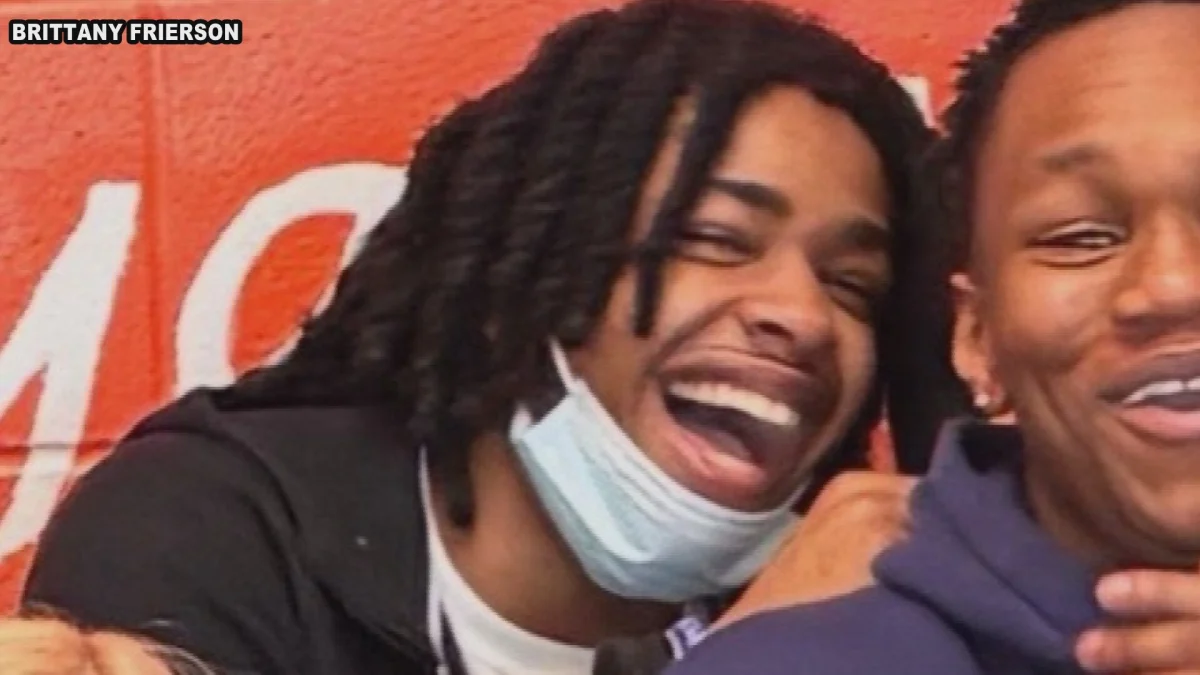
The human cost of this tragedy is captured most clearly in the shattered lives of Cameron’s family. Speaking out through local media in the days following his death, his mother, Brittany Frierson, shared the profound depth of her grief and offered a vivid portrait of a boy who was simply enjoying his youth.
"I miss him so much. I miss the laugh and his smile," Brittany Frierson said, fighting back tears. "He was 16, just like any other 16-year-old. They weren’t doing anything wrong. Gun violence and these kids is serious."
Cameron was the oldest of seven siblings, a position that placed him in a natural leadership role within his large, tight-knit family. Beyond his responsibilities at home and his dedication to his education at Hunters Lane High School, Cameron possessed an entrepreneurial spirit and a clear vision for his future. He balanced two jobs while maintaining ambitious career goals: he dreamed of obtaining an HVAC (Heating, Ventilation, and Air Conditioning) certification and eventually launching and operating his own independent business. He also held a deep passion for cars, fashion, and spending quality time with his extensive network of friends.
Brittany Frierson emphasized the universal vulnerability exposed by her son’s murder, noting that public spaces should remain sanctuaries where parents do not have to fear for their children’s survival.
"It could have been anybody’s child," she remarked during an emotional public appeal for information. "It’s not right for us to live in the city and not enjoy the city. No mother should ever have to worry about their child not coming home from a school football game."
Law Enforcement and Municipal Response
The Metropolitan Nashville Police Department has maintained a firm posture regarding the investigation, expressing condolences to the Frierson family while underscoring their commitment to holding every participant accountable.
Because the suspects include minors, details regarding their specific court appearances and preliminary hearings are managed through the juvenile justice system, though certain older defendants may face adult court transfer depending on statutory guidelines for homicide charges. Prosecutors have indicated that the investigation into the underlying motive—whether rooted in targeted animosity, mistaken identity, or a spontaneous dispute—remains active as they build a comprehensive case for trial.
City leaders and school district officials have also issued statements condemning the bloodshed, emphasizing that community safety requires a collective effort extending far beyond the walls of the courtroom and the patrol cars of the police department. Community forums have been organized to address youth conflict resolution, mental health support for grieving students, and strategies to stem the flow of illegal weapons into neighborhoods.
Future Outlook: Justice, Healing, and Reform
The Legal Road Ahead
As the four teenage defendants navigate the complex web of the judicial system, the legal proceedings promise to be arduous and emotionally charged. All four individuals have been formally charged with criminal homicide and engaging in a criminal conspiracy.
In cases involving multiple teenage defendants, defense strategies often diverge as attorneys attempt to delineate the exact level of participation for each individual—distinguishing between the person who pulled the trigger and those who aided, abetted, or drove the vehicle. Prosecutors, meanwhile, will rely heavily on forensic evidence, ballistics testing, digital communications, and eyewitness testimony to establish a cohesive narrative of premeditation and joint criminal enterprise.
For the Frierson family, the upcoming court dates represent a necessary, albeit painful, step toward accountability. However, legal justice rarely equates to emotional closure. The family faces the lifelong challenge of navigating holidays, milestones, and daily routines without the presence of their eldest son and brother.
Moving Forward: Preventing Future Tragedies
The tragic loss of Cameron Frierson serves as a grim catalyst for sustained introspection within the Nashville community and across the nation. Preventing future iterations of this tragedy will require a multifaceted approach that addresses the root causes of youth violence rather than merely reacting to its symptoms.
Key areas of focus for community stakeholders moving forward include:
- Gun Safety and Secure Storage: Public awareness campaigns aimed at educating gun owners on the critical importance of keeping firearms securely locked and out of the reach of minors and troubled youths.
- Expanded Youth Programming: Increasing funding for after-school programs, mentorship initiatives, and employment opportunities for teenagers, ensuring that young people like Cameron have constructive outlets for their ambition and energy.
- Early Intervention Networks: Strengthening collaboration between schools, mental health professionals, and law enforcement to identify and de-escalate peer conflicts before they migrate from digital spaces and hallways into the streets.
- Community-Police Trust: Fostering deeper communication channels between local neighborhoods and law enforcement agencies to encourage witnesses of crime to come forward without fear of retaliation.
Until these systemic changes take root, the memory of Cameron Frierson—a hardworking 16-year-old with a bright smile, a passion for cars, and a dream of building his own business—will remain a poignant reminder of a life cut far too short, and a stark challenge to a society striving to protect its most vulnerable generation.

0 Comments