The publishing horizon for the latter half of 2026 presents a sweeping, panoramic view of contemporary letters, defined equally by the resurrection of foundational regional canons and the audacious expansion of genre boundaries. Compiled by executive editor Amanda Heckert and the editorial contributors at Garden & Gun, this season’s curated selection of novels, memoirs, historical surveys, poetry collections, and culinary guides moves far beyond nostalgic introspection. Instead, it offers a rigorous examination of identity, place, and historical reckoning.
From the windswept bogs of 1860s Ireland to the surreal, neon-lit underbellies of Hollywood’s golden age, the featured titles bridge the intimate and the epic. Heavyweights of contemporary fiction—including Barbara Kingsolver, John Grisham, and Tananarive Due—return alongside sharp-eyed debut storytellers and exhaustive biographers. Whether interrogating the historical silences surrounding the March on Washington, charting the sensory topography of American whiskey, or deconstructing the complex mechanics of survival and systemic injustice, this literary crop challenges readers to confront the fault lines of the past while navigating the volatile terrain of the present.
Detailed Chronology: Key Releases and Editorial Spotlights
Fiction and Poetry: Epics, Returns, and Reclamations
The fiction and poetry slate for late 2026 is anchored by monumental returns and long-overdue recognitions.
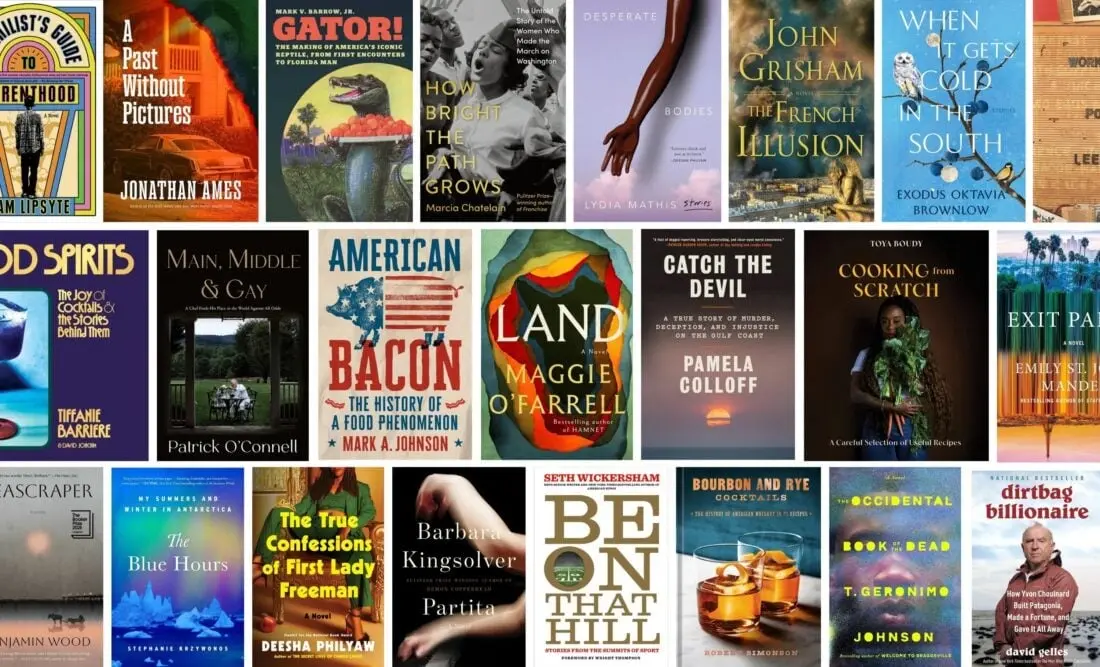
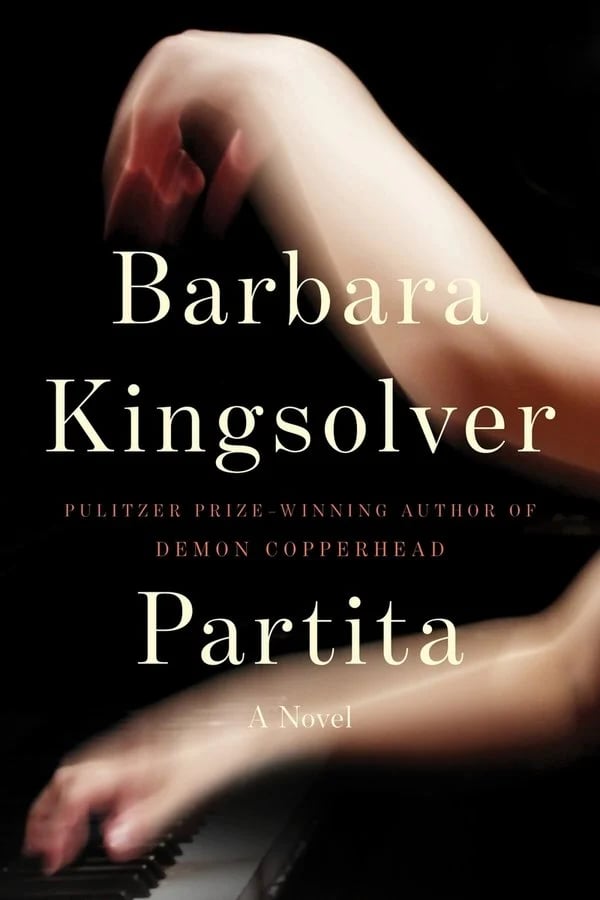
Barbara Kingsolver’s Partita (October): Following the seismic emotional impact of her Pulitzer Prize-winning Demon Copperhead, Kingsolver returns to her native Appalachia. Set on a dairy farm in East Tennessee, Partita centers on a gifted pianist navigating the intricate textures of rural life. Digital reporter Lindsey Liles notes the high emotional stakes, admitting, "Her newest project out in October is Partita: In it, Kingsolver again turns her eye to her home region… I’m buckling up."
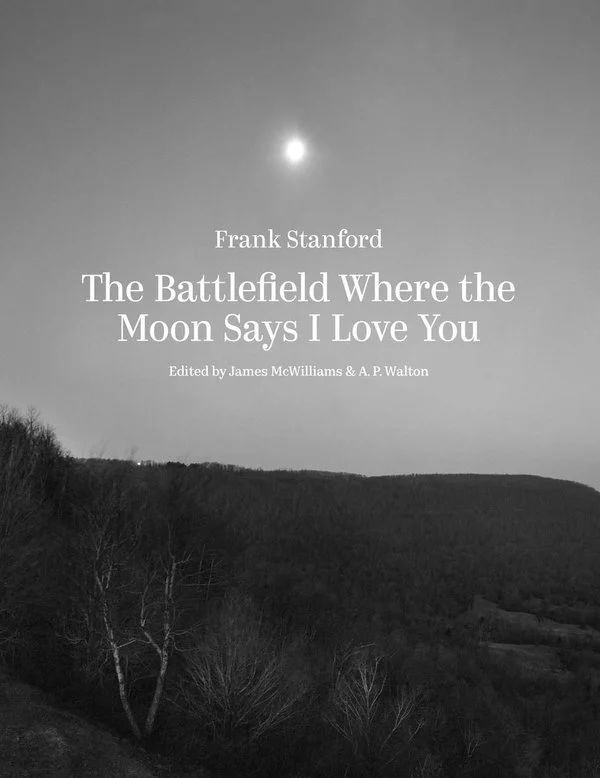
Frank Stanford’s The Battlefield Where the Moon Says I Love You and James McWilliams’s The Life and Poetry of Frank Stanford: The literary cult surrounding Arkansas poet Frank Stanford (1948–1978) receives a massive institutional boost this season. James McWilliams’s 686-page, Pulitzer-finalist biography makes an unassailable case for Stanford’s canonization, while the rerelease of Stanford’s staggering 15,283-line epic poem cements his standing in the pantheon of Southern literary masters.
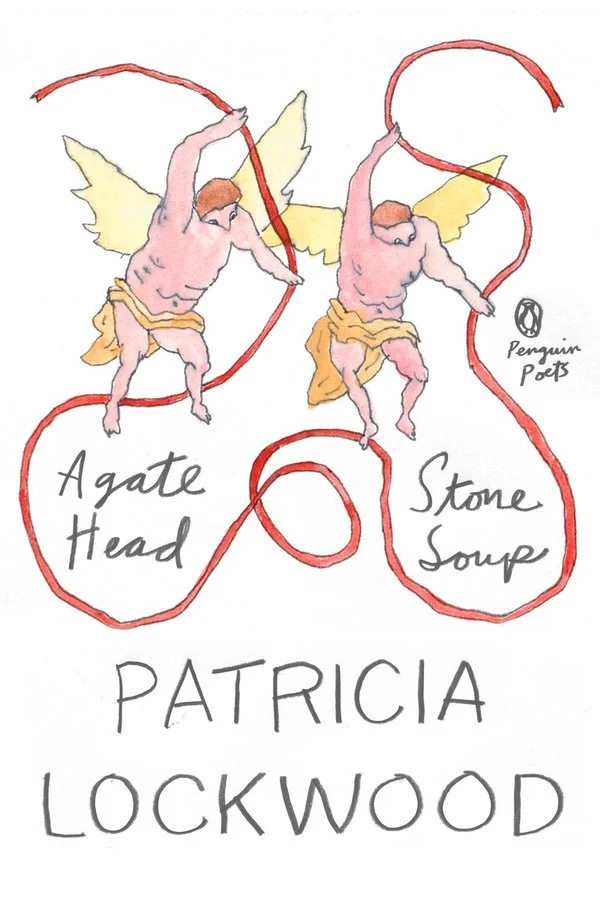
Patricia Lockwood’s Agate Head / Stone Soup: Marking her first poetry collection in over a decade, Lockwood’s return follows a period of family illness, a deliberate hiatus from the internet, and a newfound fascination with lapidary arts—cutting and polishing stones. Executive editor Amanda Heckert observes, "Fitting, as her words typically cause my mind to bend, refracted as though through a prism."
Silas House’s The Tulip Poplars: Inspired by an ancestor committed to an asylum for "unnatural desire," the two-time Southern Book Prize winner delivers a heart-pounding novel of forbidden love set against the complex backdrop of Eastern Kentucky, told through shifting perspectives.
Deesha Philyaw’s The True Confessions of First Lady Freeman: After captivating readers with her acclaimed short story collection The Secret Lives of Church Ladies, Philyaw transitions to long-form fiction. The novel follows Scharisse Freeman within the messy, high-stakes ecosystem of megachurch first ladies, quickly establishing itself as one of the most anticipated literary releases of fall 2026.
Tananarive Due’s Mazywood: Blending supernatural terror with historical weight, Due returns to her fictional North Florida town of Gracetown—the setting of her celebrated 2023 novel The Reformatory—to plunge readers into a harrowing exploration of the golden age of Hollywood and the paranormal.
History, Biography, and Cultural Studies: Correcting the Record
Nonfiction offerings this season focus heavily on unearthing suppressed histories, reevaluating icons, and examining the material culture of the American South and beyond.
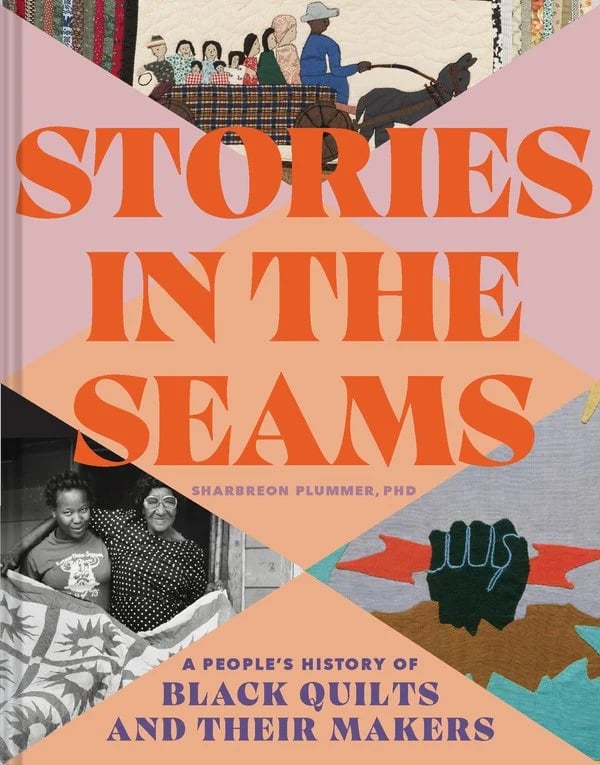
Sharbreon Plummer’s Stories in the Seams: A People’s History of Black Quilts and Their Makers: Digital producer Gabriela Gomez-Misserian champions this comprehensive survey of Black American quiltmaking. Featuring archival images of quilting bees and full-page reproductions, the book rescues anonymous artists from historical obscurity, providing vital documentation of textile artistry.
Marcia Chatelain’s How Bright the Path Grows: The Untold Story of the Women Who Made the March on Washington: Winner of a Pulitzer Prize in history and a James Beard Award for Franchise: The Golden Arches in Black America, Chatelain turns her meticulous research toward correcting the historical narrative of the 1963 March on Washington. By centering the women whose contributions were minimized or erased, the book challenges the male-dominated iconography of the Civil Rights Movement.
Alan Taylor’s Tower Hill: A Plantation on the Edge of Rebellion: Historian Alan Taylor examines the micro-level conditions that sparked Nat Turner’s rebellion. By investigating the friction within a plantation family alongside an enslaved community drawn to the liberating promises of Christianity, Taylor offers a timely examination of the forces leading to structural collapse and secession.
Pamela Colloff’s Catch the Devil: Focusing largely on Florida, investigative journalist Colloff constructs a rage-inducing, clear-eyed account of legal injustice, examining a career police informant shielded by the state while an innocent man languished on death row for decades.
Culinary Arts, Design, and Domestic Craft
The intersection of foodways, design, and cultural history forms a vibrant subcategory in this season’s releases, moving far beyond standard recipe curation into memoir and social commentary.
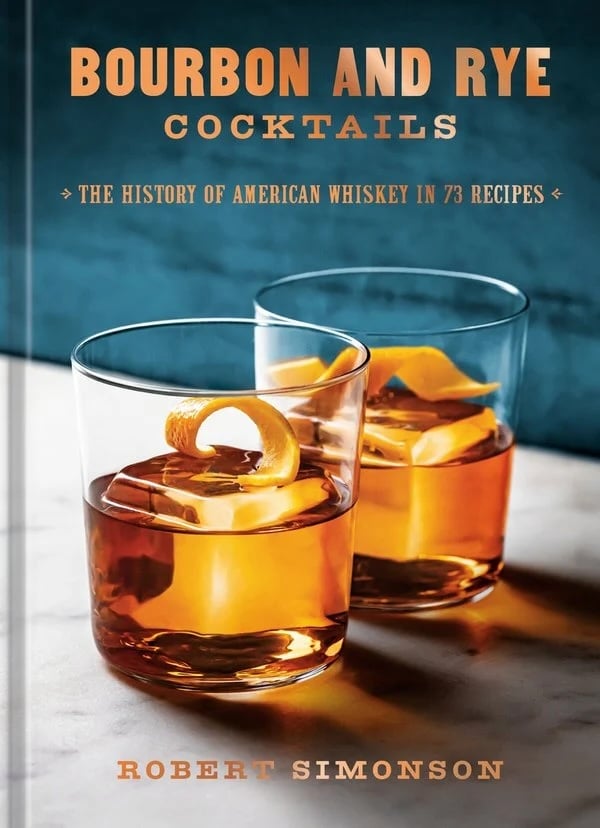
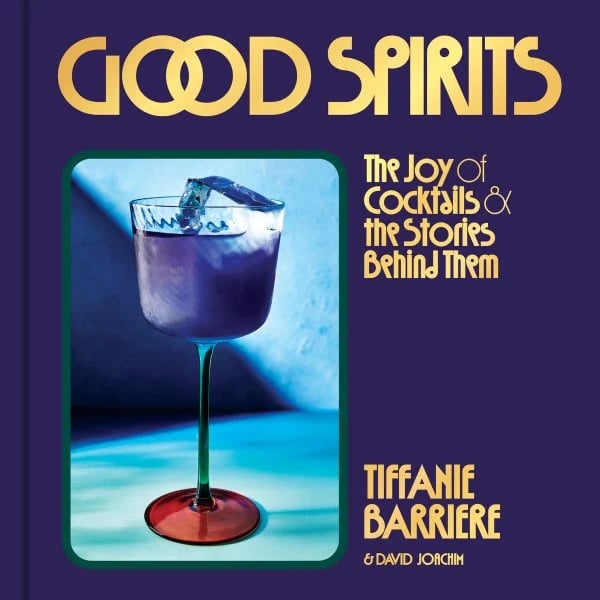
Robert Simonson’s Bourbon and Rye Cocktails: The History of American Whiskey in 73 Recipes: Blending historical rigor with accessible mixology, Simonson charts the trajectory of American whiskey. Contributing editor Jonathan Miles highlights creations like the "Dilemma"—crafted by D.C. bartender Kapri Robinson—which pairs bourbon and bitters with coffee-coconut syrup.
Bunny Williams and Elizabeth Lawrence’s Decoration: Style director Haskell Harris previews the inaugural joint volume from interior design icon Bunny Williams and her longtime protégé Elizabeth Lawrence. Published by Rizzoli, the 406-page monograph alternates between their distinct viewpoints across projects stretching from Palm Beach to New York.
Toya Boudy’s Cooking from Scratch: A Careful Selection of Useful Recipes: Finding inspiration in A Domestic Cookbook (1866) by Malinda Russell—the first free Black woman to publish a cookbook—New Orleans native Toya Boudy weaves remedies, tonics, and down-home dishes like smoked oyster dip into a philosophy of discipline and resourcefulness.
John Berendt’s Class Act: A Gentleman’s Guide to Dressing Well: In his first book for adult audiences in nearly two decades, the author of Midnight in the Garden of Good and Evil collects and updates his witty, timeless essays on men’s fashion originally written for Esquire magazine during the 1980s and ’90s.
Supporting Context & Metrics: The Mechanics of Modern Publishing
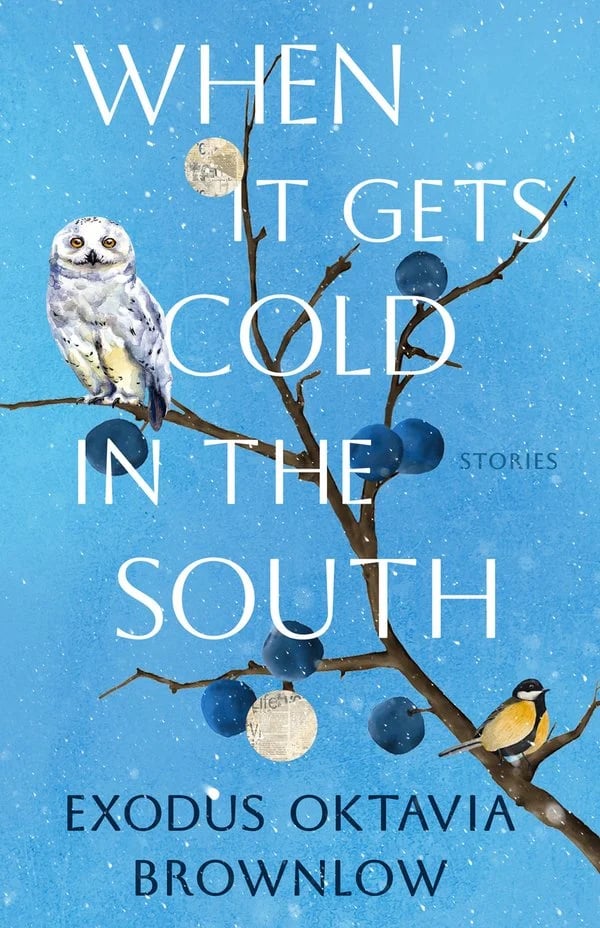
The 2026 publishing slate reflects shifting economic and cultural dynamics within the independent and university press sectors. Notably, regional university presses—such as the University Press of Kentucky via Crystal Wilkinson’s Screen Door Press imprint (releasing Exodus Oktavia Brownlow’s When It Gets Cold in the South) and the University of Georgia Press—continue to serve as vital incubators for marginalized regional voices and specialized historical monographs.
Furthermore, the revival of foundational anthologies like New Stories from the South 2026 by Durham-based nonprofit press Blair underlines a sustained market appetite for short-form regional fiction. Financially, digital-physical hybrids and affiliate partnerships (such as Garden & Gun‘s integration with Bookshop.org) demonstrate how specialized media outlets drive direct-to-consumer discovery, sustaining independent bookstores while curating high-trust literary recommendations for discerning readerships.
Official Statements and Critical Commentary
The editorial team’s commentary throughout the autumn rollout underscores a shared philosophy: that literature must actively disrupt comfort and provoke intellectual friction.
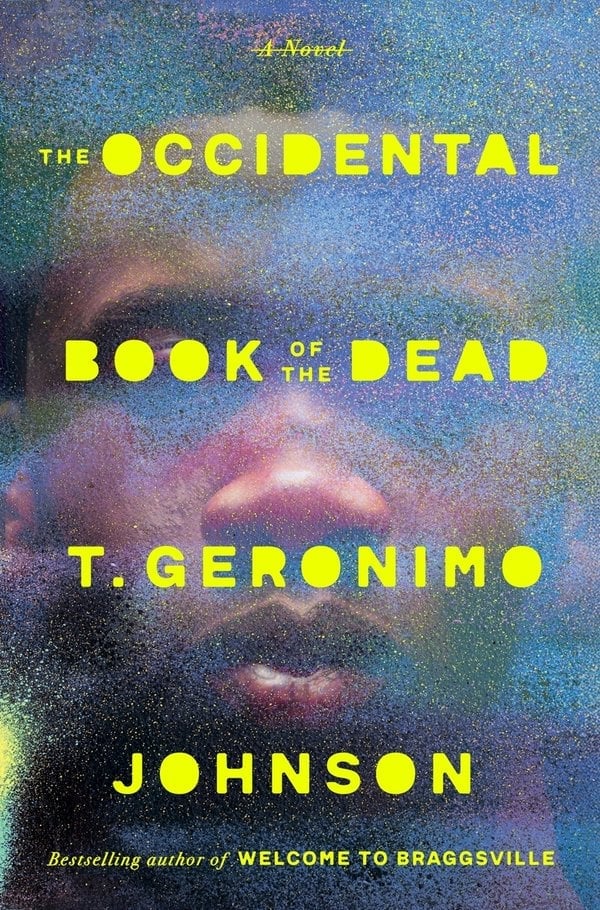
Reflecting on T. Geronimo Johnson’s sprawling, 672-page novel The Occidental Book of the Dead, contributing editor Jonathan Miles writes:
"If true art is that which refuses to be ignored, The Occidental Book of the Dead makes its case, one quill at a time… Reading it is like cuddling a porcupine."
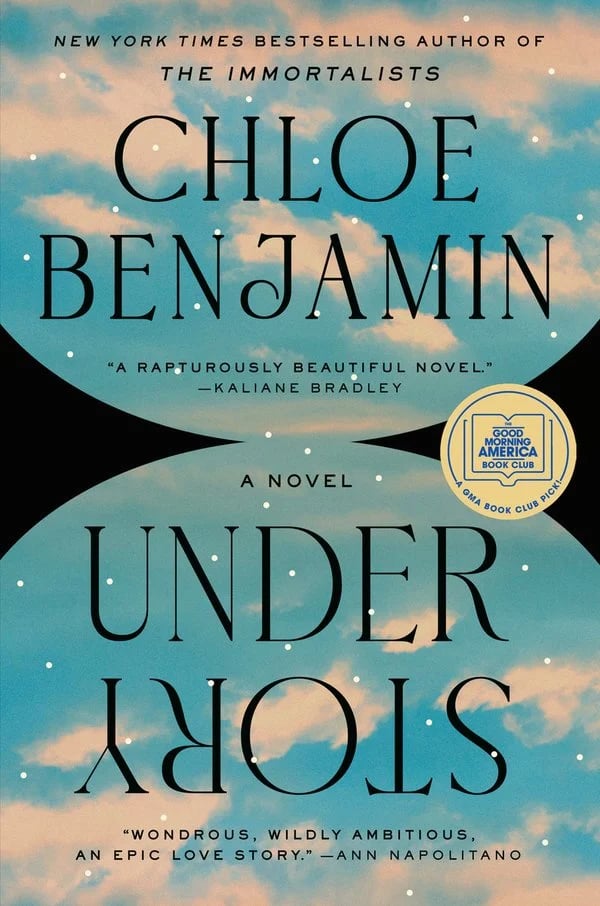
Similarly, addressing the emotional and psychological weight of contemporary memoir and fiction, contributing writer Mary Laura Philpott notes of Chloe Benjamin’s Under Story:
"The less you know going in, the more Under Story dazzles… It’s a love story; it’s a grief story; it’s a motherhood story; it’s a masterpiece of speculative fiction that bends the mind with its premise yet somehow feels intimate and utterly plausible."
In the realm of historical criticism, Kinsey Gidick invokes Booker Prize chair Mary Beard to contextualize the imperative of rigorous reading:
"If we relegate reading to the ‘well-being section of our lives, we’re really underestimating it.’ Books should teach us something, challenge us, even change how we understand the world."
Future Outlook: Looking Toward Winter 2026 and Beyond
As the publishing calendar turns toward the dead of winter, the literary pipeline shows no signs of slowing down. Early announcements for late-winter and early-spring releases indicate a continued preoccupation with environmental nature writing, speculative explorations of digital-age alienation (such as Sam Lipsyte’s forthcoming A Nihilist’s Guide to Parenthood), and deep dives into the emotional geographies of extreme landscapes—typified by Stephanie Krzywonos’s anticipated memoir The Blue Hours: My Summers and Winter in Antarctica.
The overarching trajectory of contemporary letters, as captured by this editorial survey, points toward an increasingly bold synthesis of rigorous historical documentation and unapologetic regional storytelling. By refusing to flatten the contradictions of the American South and the wider world, these authors and editors have established an intellectual benchmark that will undoubtedly shape critical discourse well into the following year.





0 Comments