For nearly three decades, biologist and television host Jeff Corwin has been a ubiquitous guide to the planet’s most remote and perilous ecosystems. From tracking boa constrictors through the humid canopies of Panama to observing Barbary macaques on the limestone cliffs of Gibraltar and documenting rare tenrecs in Madagascar, Corwin’s career has been defined by a global quest for biodiversity. Yet, in his latest television venture, Jeff Corwin’s Southern Wild, the acclaimed conservationist has trained his lens on a region much closer to home: the ecological crossroads of North Carolina.
Premiering on October 3, the new ABC series captures a profound evolution in Corwin’s storytelling. While previous projects focused primarily on raw wilderness and charismatic megafauna, Southern Wild weaves a dual narrative. It celebrates the dizzying array of ecosystems stretching from the rugged peaks of the Appalachian Mountains to the windswept shores of the Outer Banks, while simultaneously spotlighting the scientists, educators, and field researchers battling to preserve them. Produced in partnership with Lees-McRae College in Banner Elk, North Carolina, the series documents a diverse collective of stewards—ranging from academics tracking bats with smartphone networks to specialists manually ferrying ancient aquatic species across elevation lines.
This comprehensive feature explores the ecological richness of the Tar Heel state, the technological and grassroots innovations driving modern regional conservation, the resilience of Southern habitats in the wake of catastrophic natural disasters like Hurricane Helene, and Corwin’s enduring legacy as an architect of a new generation of environmentalists.
Detailed Chronology: The Evolution of a Conservation Odyssey
To understand the genesis of Jeff Corwin’s Southern Wild, one must trace the trajectory of Corwin’s career against the backdrop of late-20th and early-21st-century wildlife media. Emerging in the late 1990s, Corwin pioneered an energetic, highly immersive style of wildlife television. His programs bridged the gap between academic zoology and mainstream entertainment, teaching millions of viewers the importance of apex predators, venomous reptiles, and fragile habitats.
However, the media landscape and the state of global conservation have shifted dramatically over the past thirty years. Habitat fragmentation, climate volatility, and human encroachment have transformed regional ecosystems into fragile islands. Recognizing this paradigm shift, Corwin turned his attention to North Carolina—a geographic anomaly where temperate rainforests collide with subtropical coastal habitats.
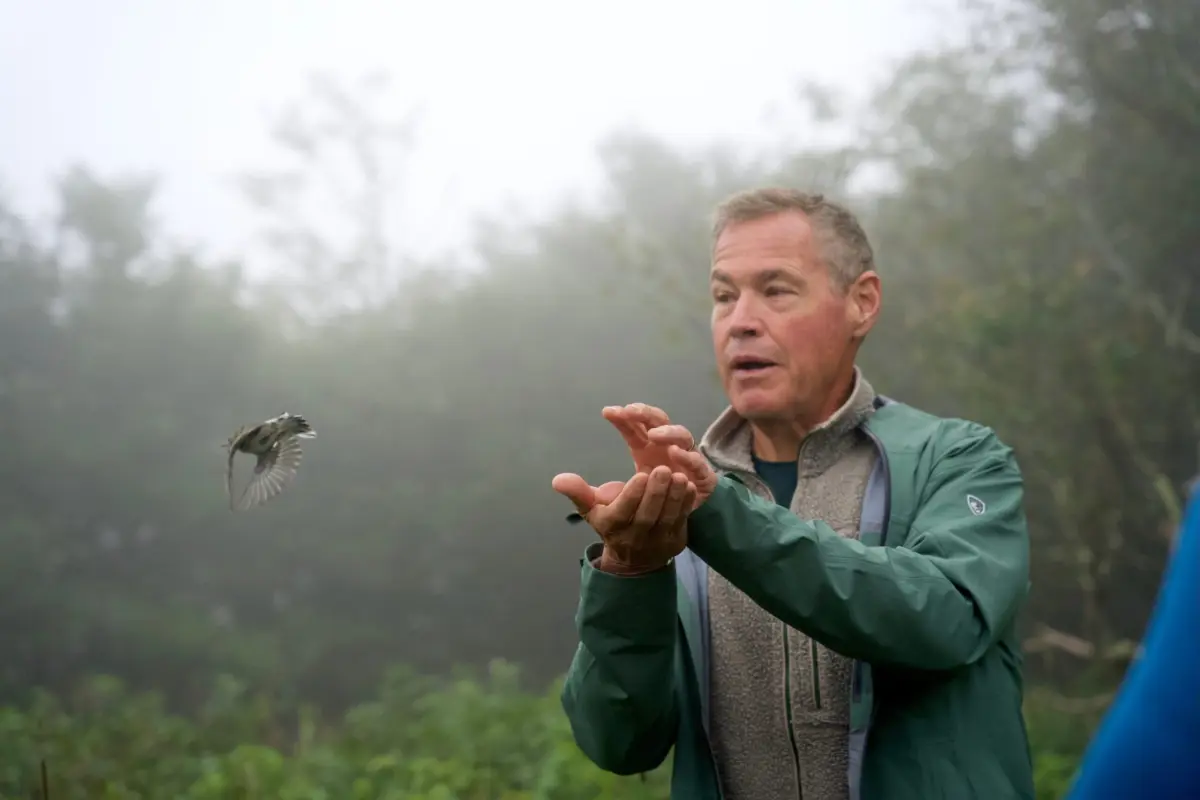
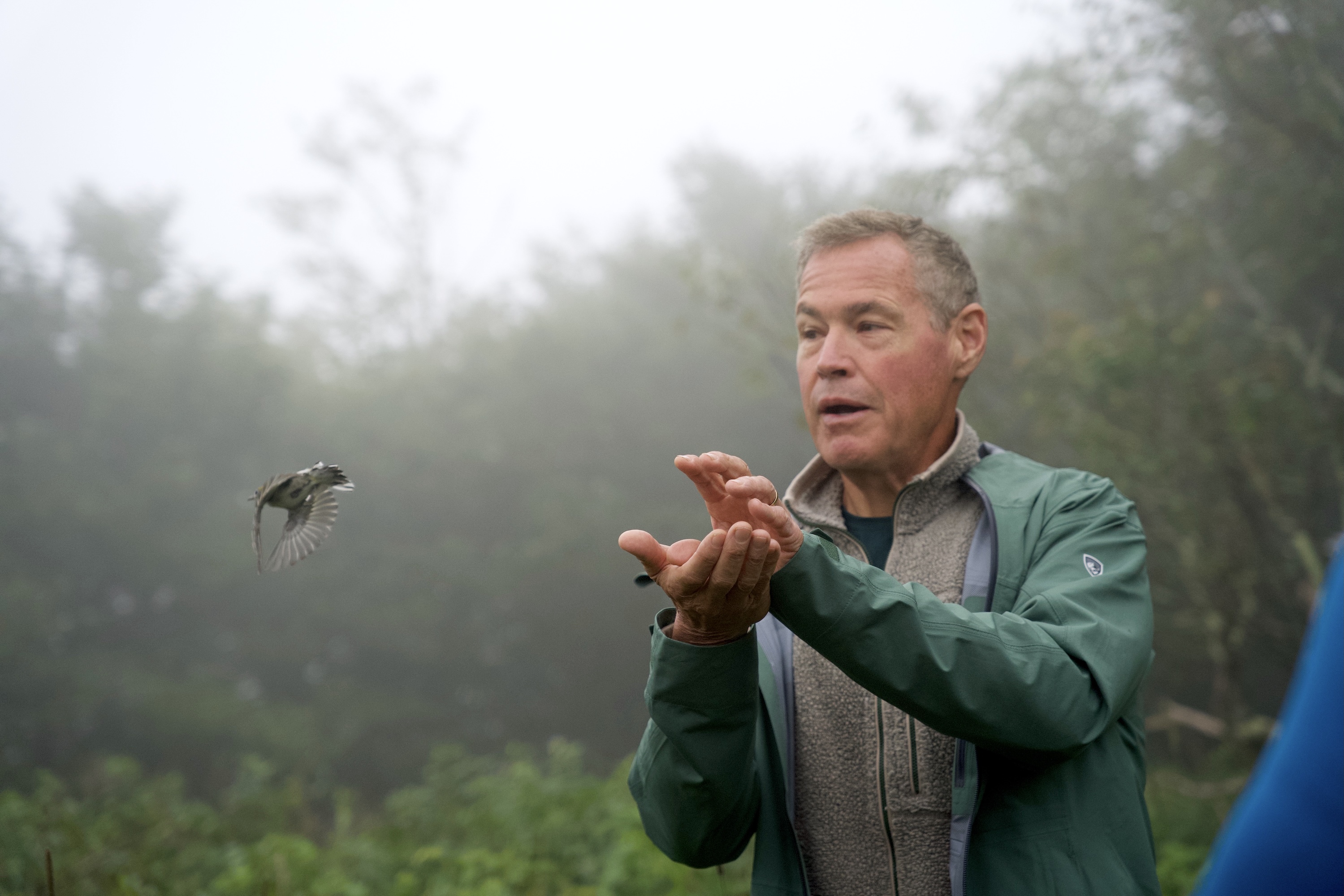
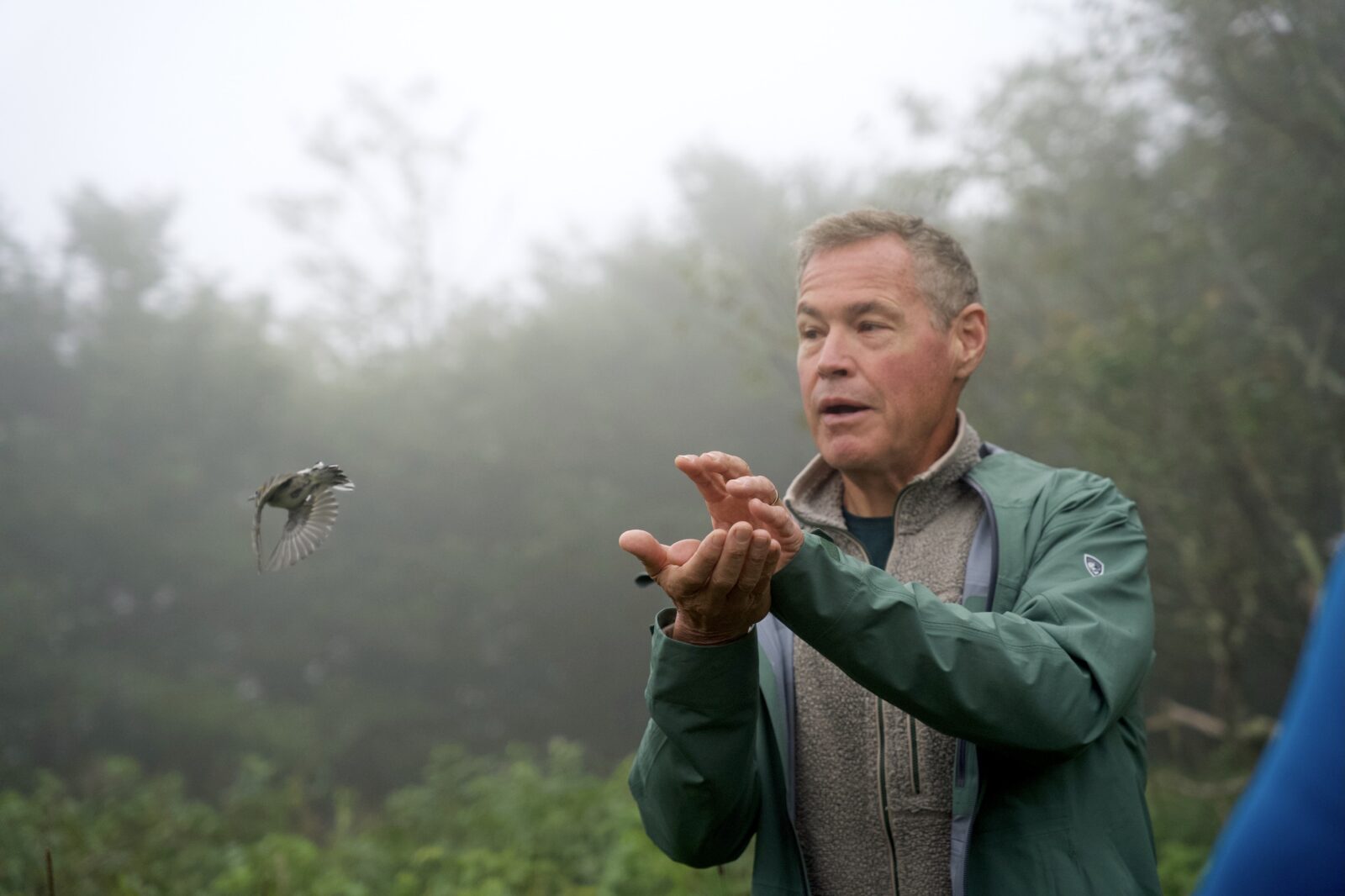
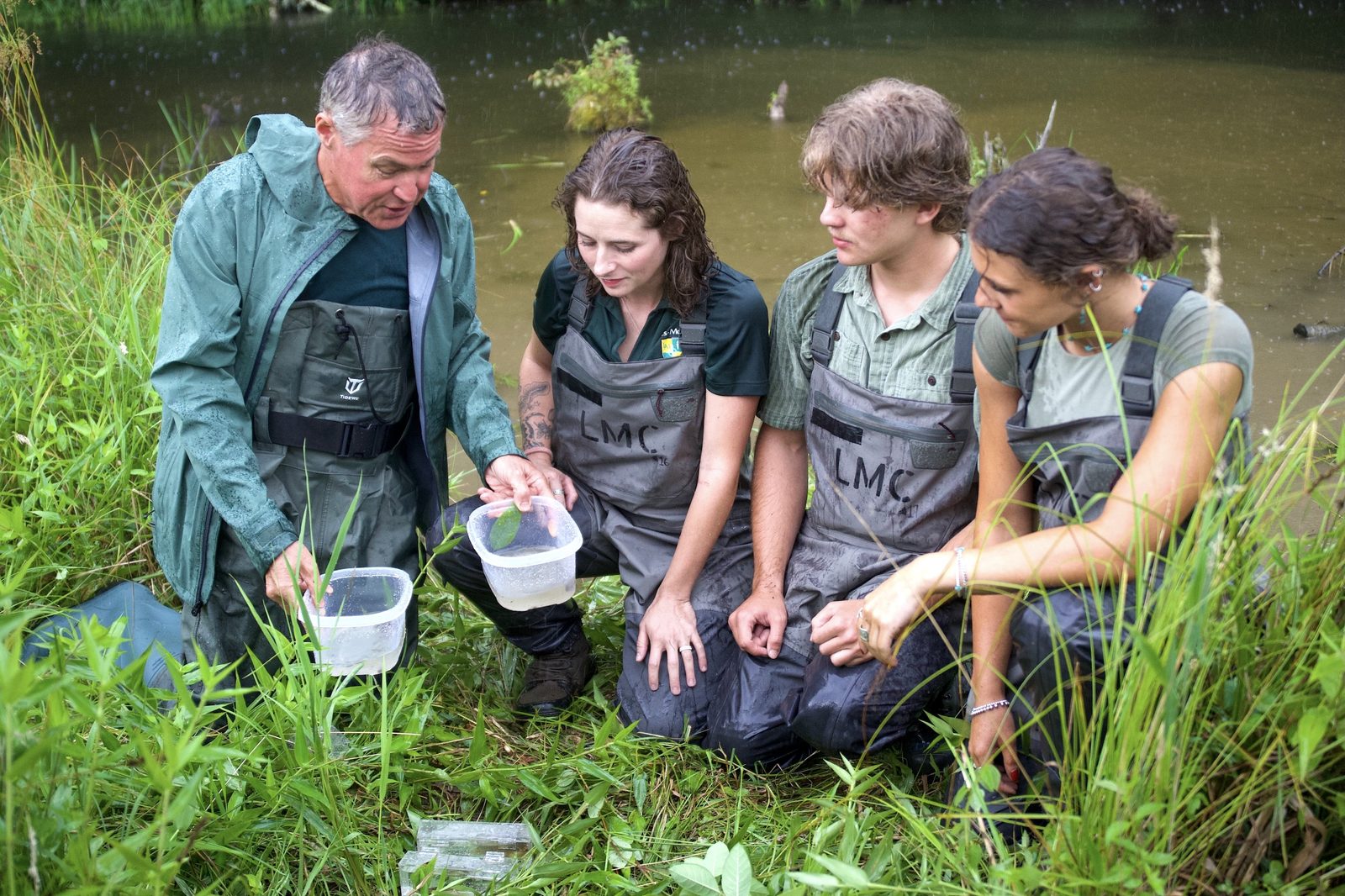
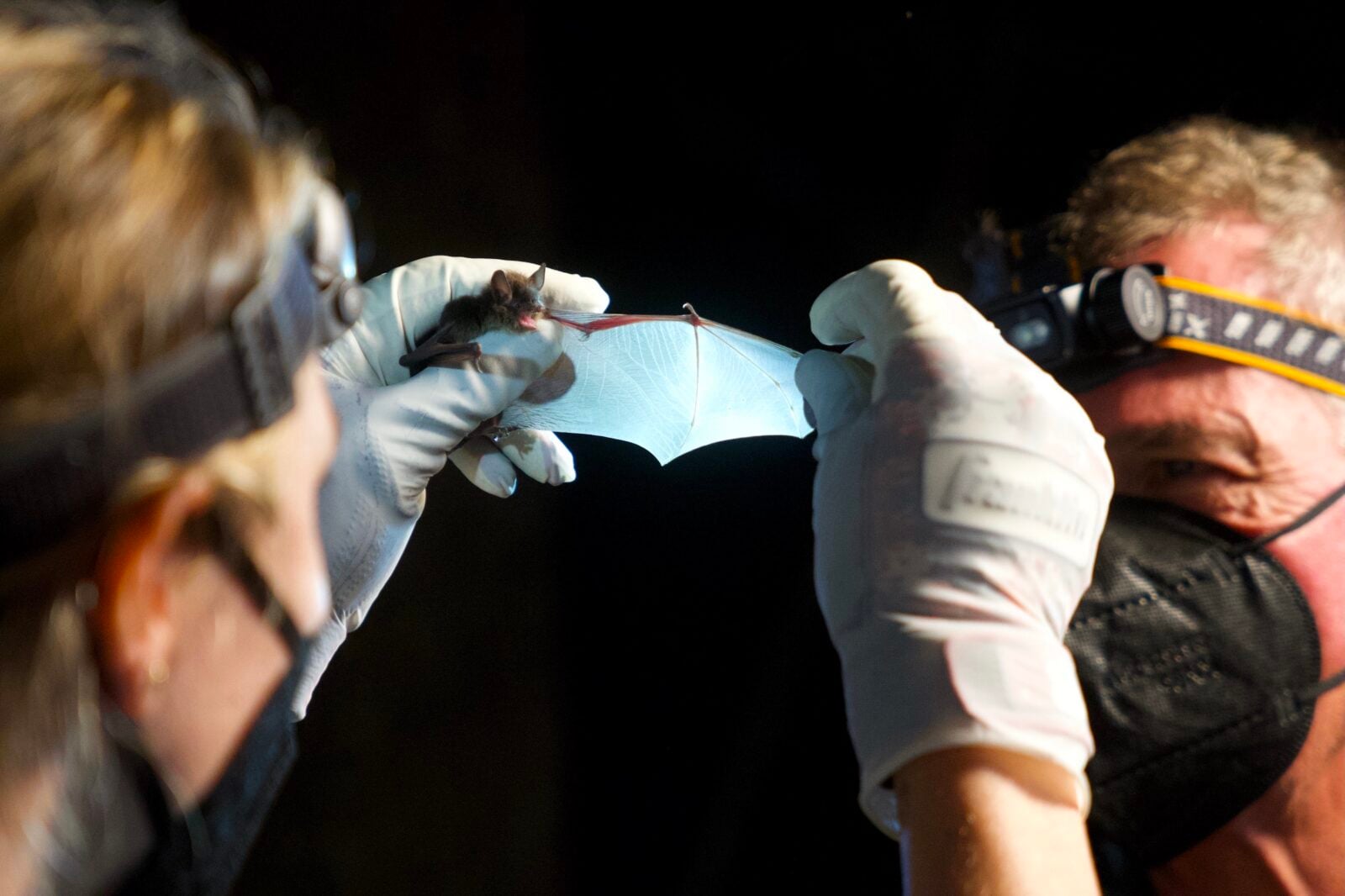
Filming for the series brought Corwin and his production crew, alongside Hearst Media Production Group, into deep collaboration with academic and state institutions. Among the primary partners is Lees-McRae College, where Corwin collaborated with faculty members like professor Anna Bigler and students such as Macen Lineberger and Torrie Oldham to conduct rigorous herpetological surveys. Further field operations partnered with the North Carolina Wildlife Resources Commission, exemplified by joint initiatives with state biologist Katherine Etchison to monitor and band vulnerable bat populations.
The production timeline also intersected with a grim historical milestone: the aftermath of Hurricane Helene, which struck Western North Carolina with unprecedented fury just over two years prior to the show’s release. Rather than bypassing the devastation, the production documented how regional ecosystems and local communities absorbed the catastrophic impact, capturing a real-time masterclass in ecological resilience.
Supporting Context & Metrics: The Biological Palette of North Carolina
North Carolina’s ecological uniqueness stems from a dramatic topographic gradient. Within a relatively narrow geographic band, elevations shift from sea level at the Atlantic coast to over 6,600 feet at Mount Mitchell, the highest peak in the Eastern United States. This staggering vertical rise creates a mosaic of microclimates that mimic conditions spanning from the Deep South to the Canadian taiga.
Biodiversity Metrics and Endemism
The state serves as a biological melting pot, hosting species typically segregated by vast climatic distances:
Subtropical & Coastal Species: The low-lying coastal plains and the Outer Banks support populations of American alligators (Alligator mississippiensis), red wolves (Canis rufus), sea turtles, and red drum (Sciaenops ocellatus).
High-Altitude Endemics: Ascending into the Blue Ridge Mountains reveals a temperate rainforest ecosystem populated by species found nowhere else on Earth. Among these is the Yonahlossee salamander (Plethodon yonahlossee), restricted to a remarkably narrow band of high-elevation forest.
The Cryptobranchid Family: North Carolina streams are home to the Eastern hellbender (Cryptobranchus alleganiensis), colloquially known as the "snot otter." As one of only three surviving species in the ancient cryptobranchid family—alongside critically depleted counterparts in China and a localized species in Japan—the hellbender represents a vital aquatic indicator species.
Avian and Mammalian Diversity: The state supports red-cockaded woodpeckers, timber rattlesnakes, bog turtles, black bears, and a diverse array of native bats and brook trout.
Technological and Grassroots Innovations in the Field
Conservation in North Carolina relies on a blend of fieldcraft and cutting-edge technology. Field biologists featured in the series employ inventive methodologies to safeguard vulnerable populations:
Acoustic and Mobile Tracking: Researchers have developed systems utilizing networks of smartphones to track and monitor bat populations across complex terrain.
Habitat Relocation and Restoration: State and NGO biologists routinely execute complex relocations for large mammals, such as rehabilitating and releasing black bears through facilities like the May Wildlife Rehabilitation Center.
Aquatic Restoration: In mountain streams devastated by historical logging, pollution, and climate stress, conservationists manually transport native brook trout and imperiled darters across challenging topography to reseed historic waterways.
Official Statements and Insights
Speaking exclusively about the motivations behind Jeff Corwin’s Southern Wild, the biologist shared deep insights into the region’s allure and the philosophy guiding his modern work.
Reflecting on the state’s unique geography, Corwin noted:
"When you get into North Carolina, you get this incredible amalgamation, this wondrous blend of both the warm, almost subtropical ecology, where you’ve got alligators and you’ve got the Outer Banks, and you get red wolves and this diverse habitat. But then something incredible happens when you begin to go up in altitude… You see there is a flip in what the biodiversity is. You get this incredible experience of creatures that live in a temperate rainforest, and you get animals that are found nowhere else on Earth."
Corwin emphasized that the true epiphany of the project was realizing that the state’s biological wealth is mirrored by the dedication of its human protectors:
"I then discovered that equal to the incredible biodiversity of North Carolina is this amazing diaspora of folks from the federal level to the state level to the NGO level that are focused on saving these wild treasures, and that was kind of the epiphany. That was like—there are great stories to tell here."
Addressing the critical importance of under-appreciated species over charismatic megafauna, Corwin explained the ecological philosophy of spotlighting organisms like the hellbender:
"You want to see these big charismatic species, right? But it’s the little things that sometimes matter the most because they are the individual sparkles that allow this whole wild place to shimmer so brilliantly, biologically. They’re the little bits and pieces that tie it all together."
On the subject of Hurricane Helene’s environmental toll and the subsequent recovery of Western North Carolina’s river systems, Corwin observed the powerful interplay between human grit and natural resilience:
"Hurricane Helene was catastrophic and caused great impact on the wildlife and the people. But because North Carolina has such an abundance of wild space, that habitat contributes to the resiliency, so it was able to bounce back… Why do these places recover? Yes, human determination, what it means to be a community. But also do not undercut the value of that resilient wild space to be your buffer, to literally have your ecological back."
Finally, reflecting on his legacy and the realization that his decades-on-screen have inspired a new wave of environmental professionals, Corwin expressed humbling gratitude:
"It’s probably the best reward I get, and it’s both moving and humbling and a little embarrassing in a way, because I don’t live a limelight life… When you go in and you’re working with this person in their twenties or their thirties and you find out that you’ve been a part of how they’ve come to be, it’s very rewarding. You kind of feel like, Man, that’s what I wanted to do."
Future Outlook: The Next Frontier of Southern Conservation
As Jeff Corwin’s Southern Wild debuts across television and digital networks, its broader implications extend far beyond entertainment. The series establishes a blueprint for regional environmental journalism, demonstrating that hyper-local focus can yield universal lessons about planetary health, climate adaptation, and community resilience.
The challenges facing North Carolina’s ecosystems—ranging from the ongoing recovery of watersheds post-Helene to urban sprawl, invasive species, and habitat fragmentation—are emblematic of broader pressures confronting North American biodiversity. Yet, as the series highlights, the integration of academic institutions like Lees-McRae College, state wildlife agencies, and grassroots volunteers creates a robust defensive bulwark.
Looking ahead, the success of initiatives documented in Southern Wild suggests that the future of conservation lies in collaborative, multi-tiered stewardship. By bridging the gap between cutting-edge scientific research and public storytelling, Corwin and his collaborators ensure that the "sparkles" of the natural world—from the high-altitude salamanders of the Blue Ridge to the ancient hellbenders of the river bottoms—remain protected for generations to come.



0 Comments