
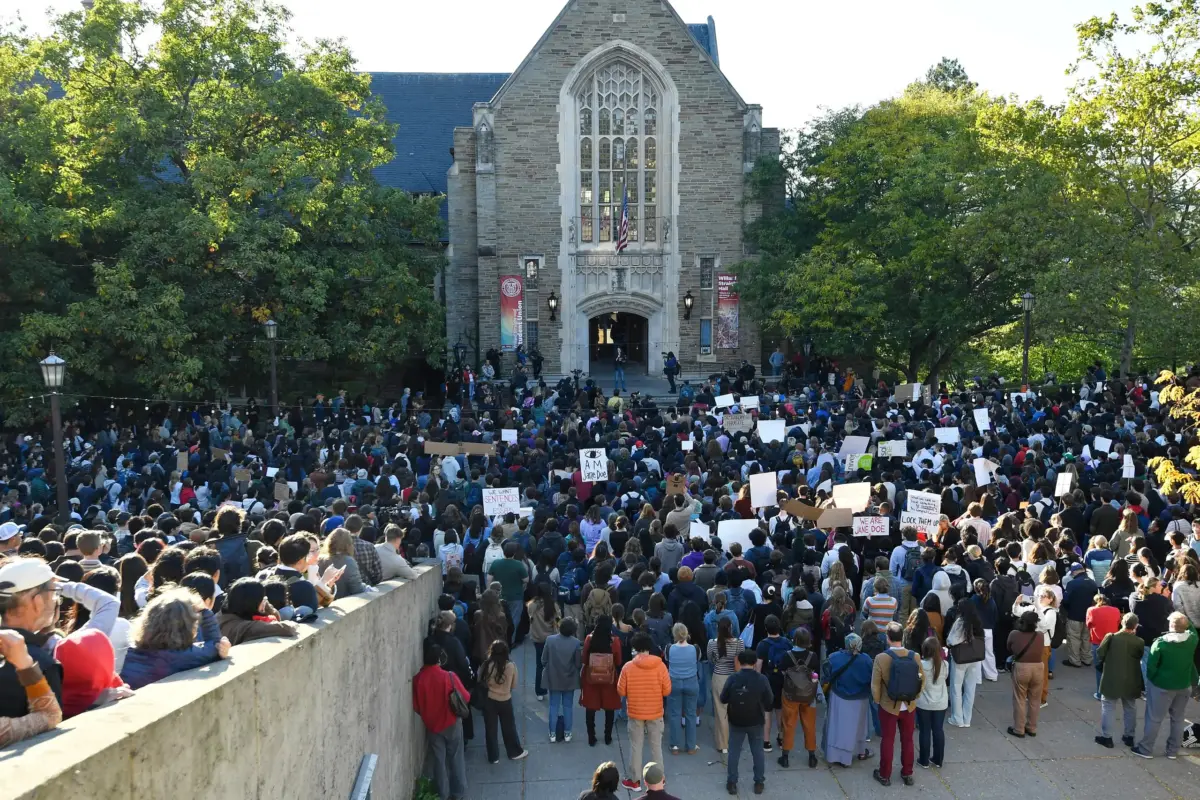

Cornell University finds itself at the center of a profound institutional crisis following widespread outrage over its handling of a 2024 fraternity house gang rape allegation. The scandal has catalyzed intense protests on the Ithaca, New York campus, placing intense pressure on President Michael Kotlikoff. The controversy stems from a federal lawsuit filed by a student—identified in court filings as Jane Doe—who alleges she was sexually assaulted by multiple members of the now-shuttered Chi Phi fraternity in October 2024.
As student demonstrators march through campus demanding structural reform, fraternity bans, and administrative accountability, the university’s governance is under an unprecedented microscope. The Cornell Faculty Senate has indicated plans to introduce a vote of no confidence against top administrators. Meanwhile, New York Governor Kathy Hochul has sharply criticized the university’s campus police department for failing to fully convey the victim’s account to local prosecutors, prompting an independent state-level review.
The unfolding crisis highlights the delicate, highly contentious intersection of Title IX compliance, campus Greek life culture, and institutional crisis management at major American universities. With student trust at an all-time low and external scrutiny mounting, President Kotlikoff’s administration faces a defining test of its legitimacy and its capacity to protect the student body.
Detailed Chronology: From Allegation to Institutional Crisis
October 2024: The Incident at Chi Phi
The events underpinning the crisis occurred in October 2024 at the Chi Phi fraternity house on the Cornell campus. According to legal filings, the survivor, a female undergraduate student referred to as Jane Doe, was allegedly pressured into consuming excessive alcohol and drugs before being sexually assaulted by multiple members of the fraternity.
November 2024: Initial Reporting and Campus Police Investigation
Roughly three weeks after the alleged assault, the student formally reported the incident to the Cornell University Police Department (CUPD). Campus investigators subsequently compiled a summary of their findings and transmitted it to the Tompkins County District Attorney’s Office. Relying on the information provided in the CUPD summary, the district attorney’s office ultimately opted against pursuing criminal charges. Concurrently, the university initiated an internal Title IX investigation to review potential violations of school policy.
Late 2024 – Early 2025: Internal Disciplinary Measures
Spurred by the internal investigation, Cornell’s disciplinary machinery engaged in a protracted review process. According to university disclosures, investigators conducted 50 interviews with 32 witnesses, gathering extensive evidence that included electronic communications, witness statements, and social media records. This process culminated in a disciplinary hearing spanning 12 days.
Ultimately, the university shuttered the Chi Phi chapter, expelled multiple students, and suspended others. However, the accused individuals consistently denied participating in a non-consensual act, asserting that all sexual activity was consensual. Because no criminal indictments were issued, the matter remained largely within the confines of Cornell’s internal administrative and judicial frameworks—until the filing of a civil lawsuit brought the details into the public eye.
February 2026: Civil Litigation and Public Outcry
The controversy erupted into the national spotlight when Jane Doe filed a federal lawsuit against the university, laying bare the alleged details of the assault and criticizing the institutional response. The public release of the legal documents triggered immediate, visceral reactions across the student body and faculty.
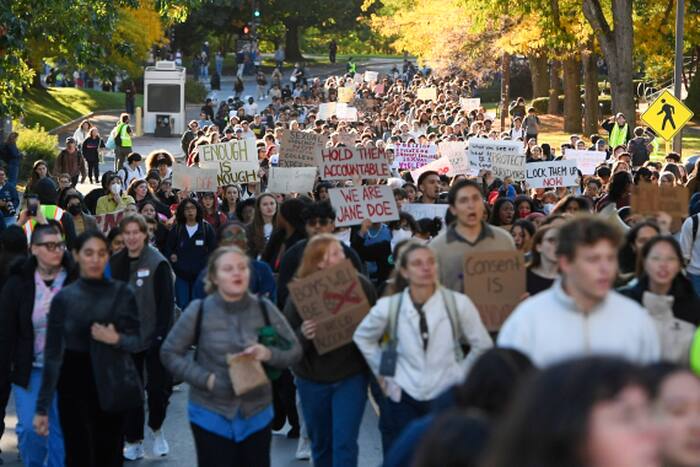
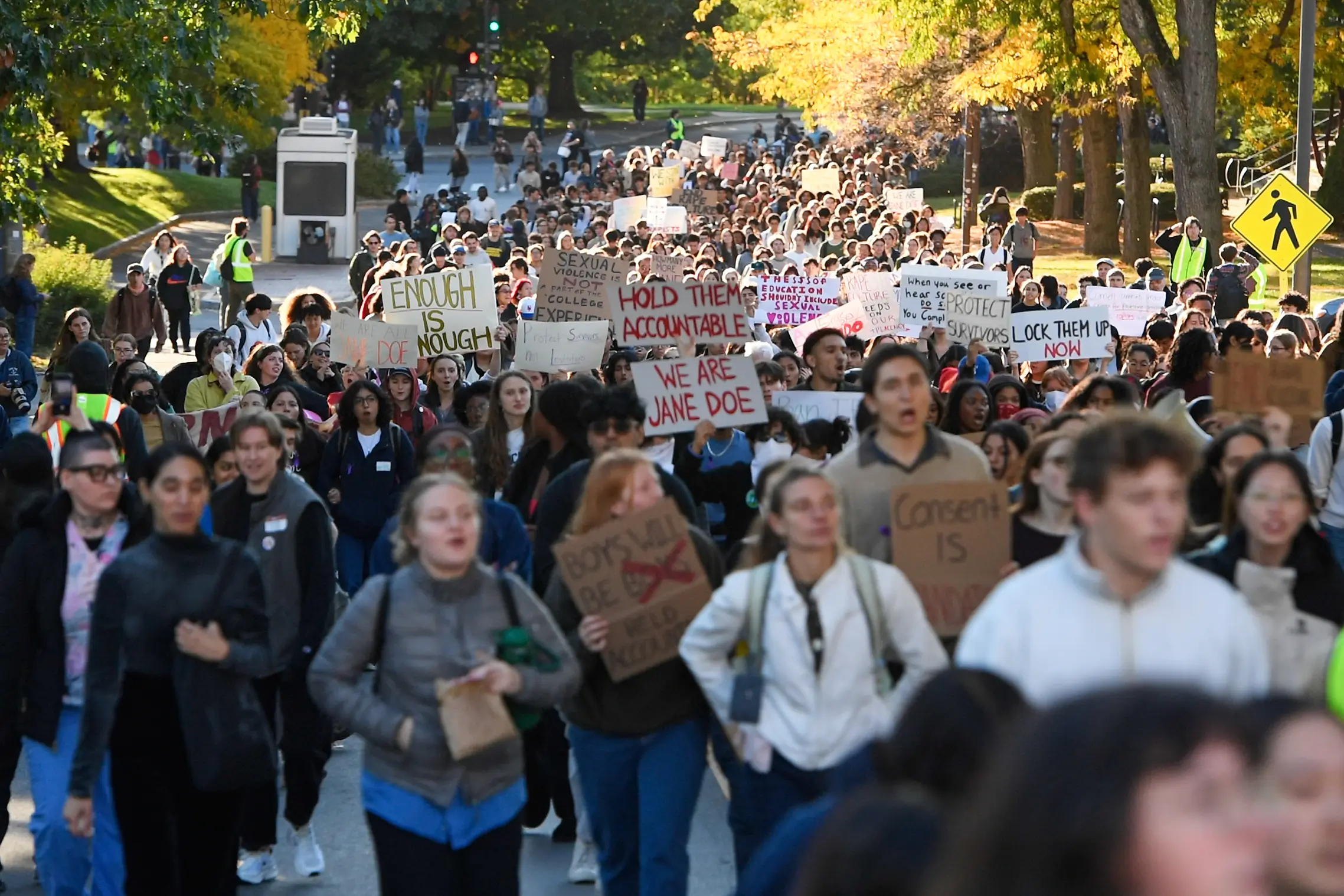
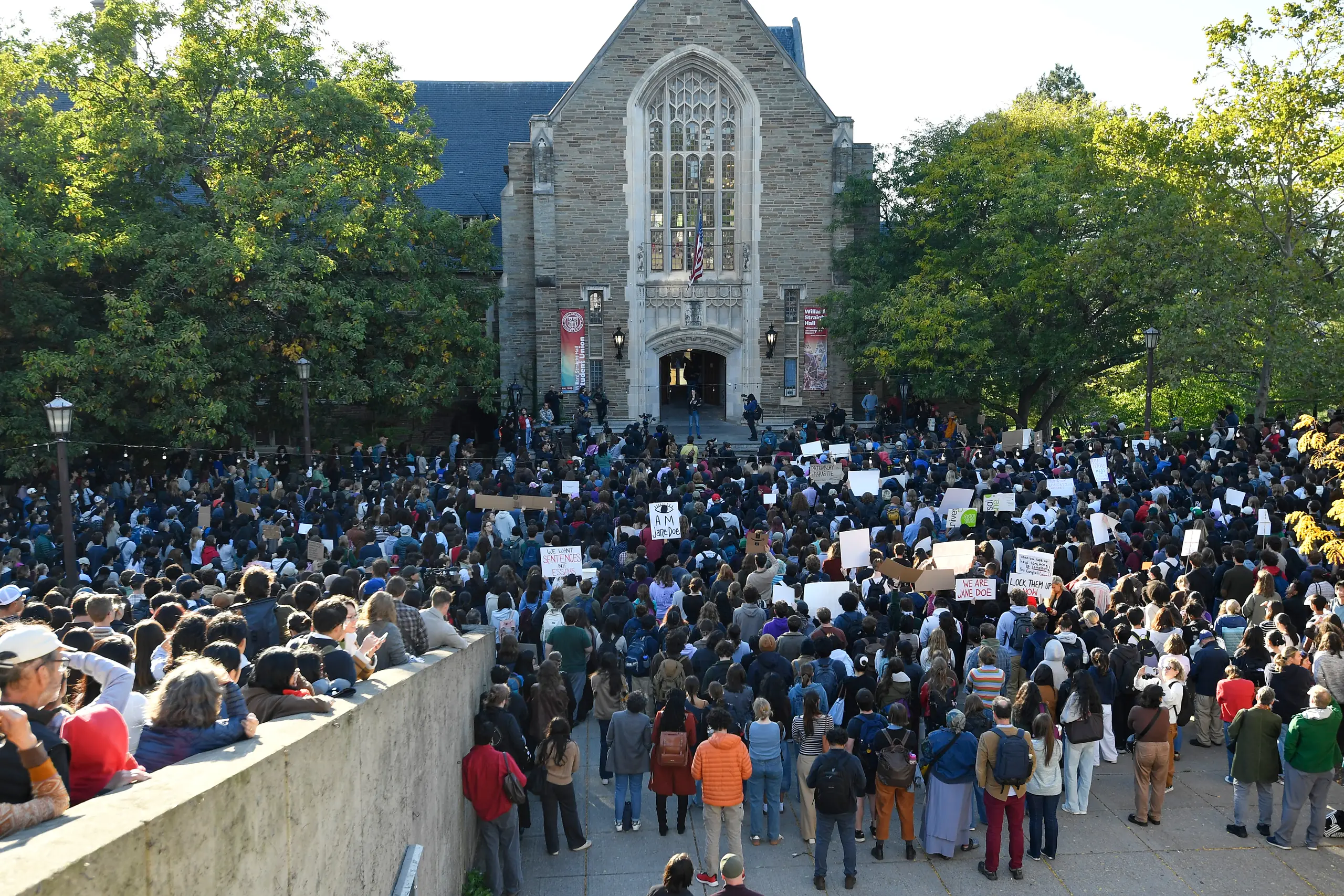
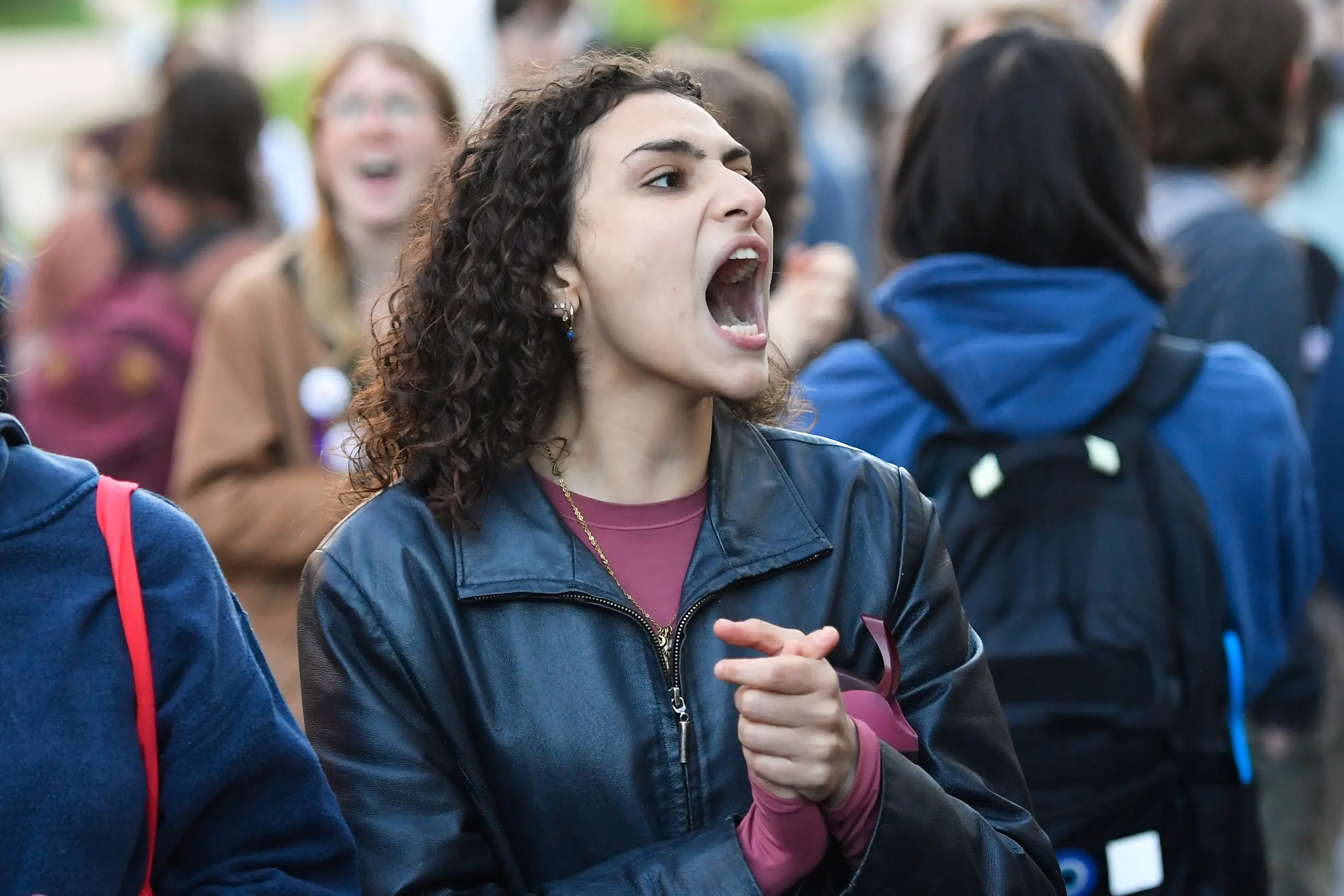
Demonstrators mobilized en masse, staging campus walkouts and marches. Protesters demanded the immediate resignation or termination of President Kotlikoff and called for the outright abolition of Greek life at Cornell. The Cornell Faculty Senate announced plans to move forward with a vote of no confidence against the administration, signaling a deep fracture in campus governance.
Supporting Context & Metrics: The Crisis of Campus Culture
The current crisis at Cornell is not happening in a vacuum; it highlights long-standing systemic issues regarding student safety, alcohol abuse, and accountability within collegiate Greek life organizations.
The Findings of the Presidential Task Force on Sexual Assault
In the wake of the initial allegations, Cornell established a dedicated task force on sexual assault to evaluate campus safety measures. The resulting report revealed alarming statistics regarding the prevalence of sexual violence on campus:
- Undergraduate Women: A comprehensive 2025 campus climate survey indicated that 35% of undergraduate women reported experiencing some form of sexual assault during their time at Cornell.
- Undergraduate Men: The same survey reported that 8% of undergraduate men experienced sexual assault during their enrollment.
The task force recommended sweeping structural changes, including enhanced educational programming centered on Title IX rights and obligations, alongside pedagogical frameworks aimed at fostering a culture of "sexual citizenship."
The Complexities of Title IX and Legal Precedents
Legal and policy experts remain sharply divided on the constraints and obligations facing university administrations when handling complex sexual misconduct allegations.
Peter Lake, a leading authority on higher education law and policy at Stetson University College of Law, notes that universities operate under severe statutory constraints. In the absence of criminal indictments, institutions must rely heavily on Title IX administrative processes. While federal regulations are designed to protect complainants, they also mandate extensive procedural safeguards for the accused—including the right to cross-examine accusers during hearings.
These regulatory requirements frequently expose institutions to subsequent litigation from both complainants and accused students over administrative outcomes. Lake cautions that moving too aggressively without adequate due process can lead to institutional missteps, invoking historical precedents such as the Duke University lacrosse case from two decades ago, where premature suspensions and institutional overreach ultimately resulted in substantial legal settlements and reputational damage.
Conversely, public health advocates and institutional culture experts argue that university leadership carries a broader moral imperative to shape campus norms. Jane Stapleton, co-founder of the Prevention Innovations Research Center at the University of New Hampshire, emphasizes that fraternity misconduct is never isolated:
"If you are the leader of that campus and this is part of your portfolio of what happens on your campus, it’s not like ‘Oh well that only affects the members of that fraternity and the women that they’re attempting to sleep with.’ That impacts the entire fabric of the culture of, ‘How do men respect women? How safe is it to be a woman?’"
Official Statements and Administrative Responses
Faced with mounting pressure from students, faculty, and state regulators, President Michael Kotlikoff and external leaders have issued formal responses addressing the crisis.
President Michael Kotlikoff’s Public Address
In a video statement released over the weekend, President Kotlikoff addressed the community directly, labeling the allegations detailed in the lawsuit as “deeply disturbing.” Kotlikoff offered an apology regarding the administration’s initial communication and execution, while reaffirming his total cooperation with an independent review ordered by New York State.
While acknowledging the deep systemic flaws exposed by the case, Kotlikoff has maintained that an outright ban on Greek life is not currently under consideration. Instead, the administration plans to collaborate closely with students, alumni, and campus stakeholders to reform the fraternity system, enhance transparency, and introduce stricter mechanisms for organizational accountability.
State Intervention and Governor Kathy Hochul’s Position
New York Governor Kathy Hochul stepped into the controversy by launching an independent state-level review into how the allegations were handled. Governor Hochul harshly criticized the Cornell University Police Department, asserting that campus law enforcement failed to accurately and fully convey the victim’s comprehensive narrative to the local district attorney’s office. The state-mandated review aims to determine whether institutional protocols compromised the integrity of the initial legal referral process.
Historical Parallels in Higher Education Leadership
The immense pressure facing President Kotlikoff mirrors a broader national trend in which university presidents have struggled to survive major institutional crises involving campus safety, Title IX enforcement, and student unrest.
- Baylor University (2016): Former President Ken Starr—internationally recognized for leading the Clinton-era Whitewater investigation—resigned from his post following a damning external report concluding that Baylor leadership systematically mishandled allegations of sexual violence involving members of the university’s football team.
- Oregon State University (2021): University trustees accepted the resignation of President F. King Alexander after concluding that he could no longer maintain campus trust, following revelations regarding his handling of historical sexual misconduct cases during his prior tenure at Louisiana State University.
- Columbia University (2024): Former President Minouche Shafik stepped down from her leadership role under intense pressure from students, faculty, and federal lawmakers following months of unrest, encampments, and controversy surrounding institutional policies regarding campus protests related to the war in Gaza.
These historical precedents illustrate that when institutional trust is shattered by perceived administrative obfuscation or systemic failure, recovery for sitting university presidents is exceptionally difficult.
Future Outlook: Navigating the Path Forward
As Cornell University enters a critical juncture in the Fall 2026 term, the immediate future of its leadership and campus culture hangs in the balance. The impending Faculty Senate vote of no confidence serves as a critical barometer of institutional stability. Even if President Kotlikoff survives the legislative push from the faculty, the administration faces the daunting task of rebuilding fractured lines of communication with a skeptical student body.
The upcoming findings of Governor Hochul’s independent review will likely serve as a watershed moment. If the investigation uncovers systemic negligence or intentional suppression of evidence within campus law enforcement or Title IX offices, the pressure for executive departures will intensify exponentially.
For the student body, the mobilization represents a generational awakening. As sophomore Soham Bera remarked during Monday’s demonstrations, students believe the current crisis offers a rare, high-stakes window to force enduring structural change. Whether Cornell can successfully reform its Greek life culture, restore faith in its disciplinary architecture, and heal its campus community remains one of the most pressing tests facing modern American higher education.

0 Comments