

Executive Overview
Hurricane Isaias has rapidly intensified into the first hurricane of the Atlantic season, surging ominously toward the United States Gulf Coast. The National Hurricane Center (NHC) reports that the storm is threatening a wide swath of the coastline, including portions of the Florida Panhandle, southern Alabama, and southern Mississippi. Forecasters have issued dire warnings regarding potentially life-threatening storm surges, destructive hurricane-force winds, and torrential rainfall ranging from 3 to 7 inches (7 to 18 centimeters) across the central Gulf Coast.
The unexpected and aggressive emergence of Isaias more than four months into the Atlantic hurricane season has startled meteorologists. The storm is tracking dangerously close to breaking a 121-year-old record for the latest-forming first Atlantic hurricane in a single calendar year—a record established on October 8, 1905. In response to the imminent threat, federal, state, and local governments have mobilized swiftly. Governors in Florida and Alabama have declared states of emergency across dozens of counties, while vulnerable communities have ordered mandatory evacuations, closed public schools, and prepared for prolonged, multi-day power outages. Simultaneously, offshore energy operators have proactively curtailed crude oil production in the Gulf of Mexico, sending ripples through energy markets as the region braces for direct impacts.
Detailed Chronology: Formation to Imminent Landfall
Genesis in the Warm Waters of Eastern Mexico
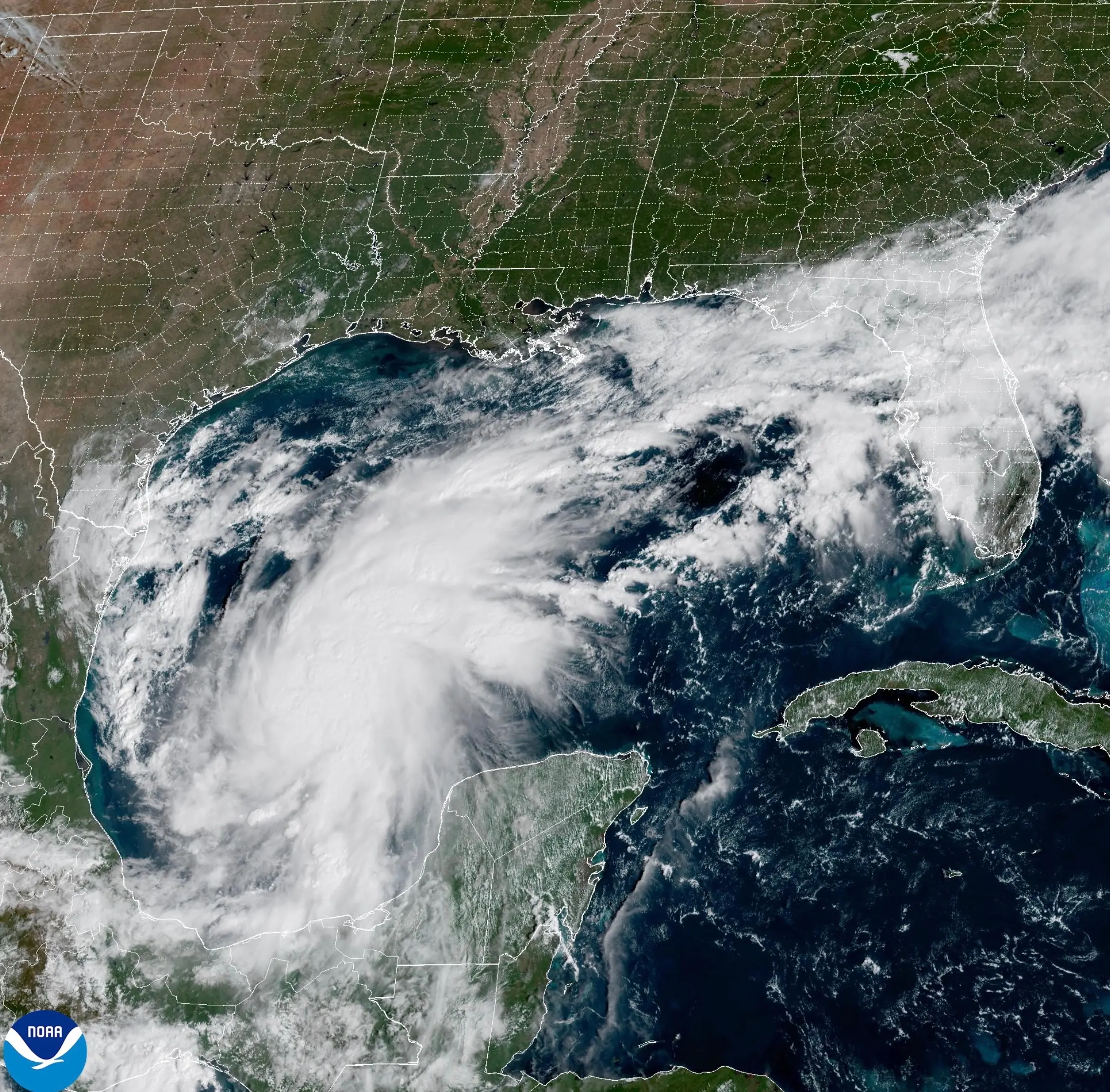
The meteorological anomaly that would become Hurricane Isaias began taking shape in the warm, conducive waters off the eastern coast of Mexico. Initially classified as a tropical depression, the system quickly consolidated due to favorable atmospheric moisture and high sea-surface temperatures. By Wednesday, October 7, 2026, satellite imagery captured by the National Oceanic and Atmospheric Administration (NOAA) and GOES-19 satellites revealed a well-organized tropical storm tracking northward.
As Isaias moved away from the Mexican coastline and entered the central Gulf of Mexico, environmental conditions allowed it to undergo rapid intensification. By Thursday morning, NOAA hurricane hunter aircraft confirmed that maximum sustained winds had breached the 74 mph threshold, officially upgrading Isaias from a tropical storm to a Category 1 hurricane.
The Approach Toward the Northern Gulf Coast
By midday Thursday, the eye of Hurricane Isaias was located approximately 460 miles (740 kilometers) south-southwest of the mouth of the Mississippi River, packing maximum sustained winds near 75 mph (121 kph) and moving steadily northward. Forecasters projected a landfall timeline as early as Friday evening, placing several historically vulnerable coastal communities directly in the crosshairs.
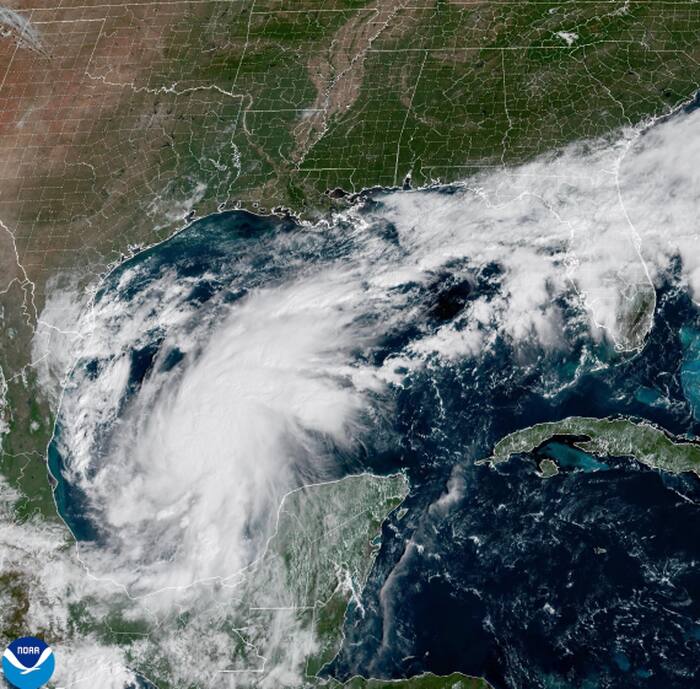
Communities stretching from Ocean Springs, Mississippi, to Gulf County, Florida, were placed under strict hurricane and storm surge watches and warnings. The National Weather Service (NWS) underscored the severity of the threat, advising residents to prepare for long-duration power outages that could paralyze municipal infrastructure for days following landfall. Local utility providers, including those in Pensacola, Florida, pre-positioned line crews and heavy repair equipment strategically outside the immediate impact zone to ensure rapid restoration once conditions safely permitted.
Supporting Context & Metrics
A Historically Quiet Atlantic Season Defied
The arrival of Isaias as the Atlantic basin’s first hurricane marks a stark departure from typical meteorological patterns. The 2026 Atlantic hurricane season has been historically subdued, largely dictated by a strong El Niño climate phenomenon. El Niño typically generates persistent vertical wind shear across the tropical Atlantic, tearing apart developing storm systems before they can organize.
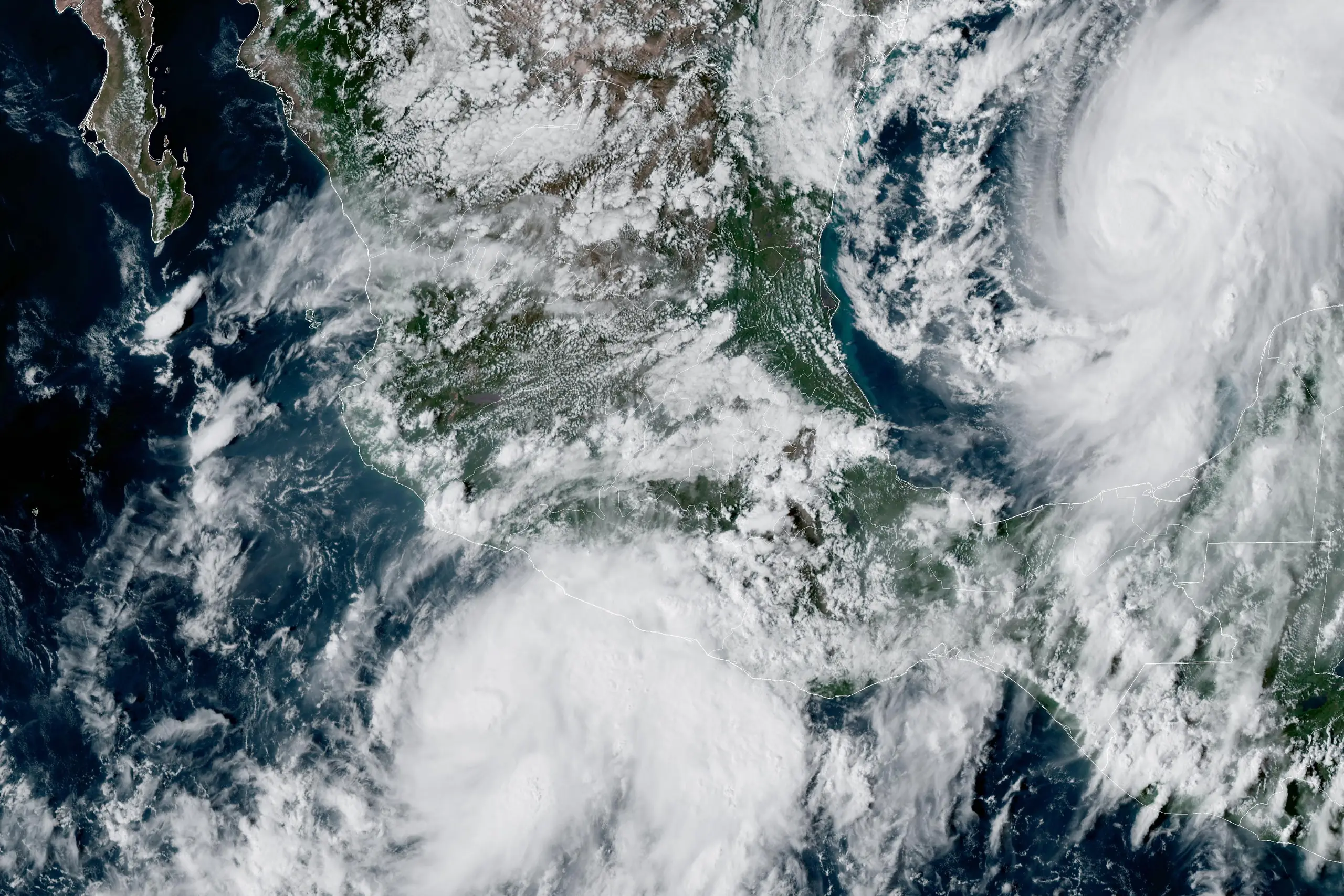
Conversely, the Pacific basin experienced above-average tropical activity this season, highlighted by the simultaneous formation of Tropical Storm Simon off the southwestern coast of Mexico on Wednesday, October 7. Because El Niño suppresses Atlantic cyclogenesis while favoring Pacific storm development, Isaias’s late-season birth has stunned climate scientists. Should the storm maintain hurricane strength through October 8, it will officially tie the century-old record set in 1905 for the latest first hurricane of an Atlantic season.
Energy Market Disruptions and Offshore Reductions
The Gulf of Mexico accounts for roughly 15% of all crude oil pumped annually within the United States. Recognizing the vulnerability of offshore infrastructure to high winds and rough seas, energy corporations executed swift evacuation protocols ahead of Isaias’s approach.
Data from the Marine Minerals Administration indicated that approximately 25% of daily regional oil production was temporarily halted by Wednesday afternoon. This precautionary shutdown removed roughly 511,000 barrels per day from the domestic energy market. Furthermore, operators evacuated eight of the Gulf’s 371 manned offshore oil and gas production platforms.
Jim Burkhard, the global head of crude oil market research for S&P Global Energy, noted that while these production cuts are steep enough to introduce volatility into already elevated oil prices, historical storms have caused far more extensive disruptions. However, Burkhard cautioned that the primary risk to the energy sector is not necessarily the offshore platform closures, but rather the potential for Isaias to impact key onshore refineries situated along the Gulf Coast.
Historical Precedents Along the Gulf Coast
The coastline bracing for Isaias carries a deeply scarred history of catastrophic hurricane impacts throughout the 20th and 21st centuries. The region is intimately familiar with the catastrophic potential of late-season or rapidly intensifying Gulf hurricanes:
- Hurricane Camille (1969): One of the most violent storms of the 20th century, Camille made landfall near Waveland, Mississippi, as a catastrophic Category 5 hurricane, resulting in over 250 fatalities and unimaginable structural devastation.
- Hurricane Katrina (2005): Katrina devastated coastal Mississippi, breached the levee system in New Orleans, triggered catastrophic inland flooding, and claimed nearly 1,400 lives, permanently altering the socio-economic landscape of the region.
- Hurricane Michael (2018): Michael struck the Florida Panhandle near Panama City as a monstrous Category 5 hurricane, entirely leveling residential neighborhoods and decimating local timber industries.
Official Statements and Government Response
State and Local Declarations of Emergency
Recognizing the imminent threat posed by the rapidly strengthening storm, executive leadership across the southeastern United States took immediate legislative action.
Alabama Governor Kay Ivey issued a comprehensive state of emergency covering 40 counties, urging residents in low-lying and flood-prone areas to heed local safety directives. Simultaneously, Florida Governor Ron DeSantis declared a state of emergency for 25 counties spanning the Florida Panhandle and the Big Bend region. The state government prepared to deploy specialized assets, including a Miami-based urban search and rescue task force, to assist local jurisdictions immediately following landfall.
In coastal Alabama, municipal leaders in Gulf Shores and Orange Beach issued urgent advisories encouraging voluntary evacuations for coastal properties. In Florida, Okaloosa County officials escalated precautions by issuing mandatory evacuation orders for low-lying coastal zones. At least four Florida school districts announced complete closures for the latter half of the week to ensure the safety of students, faculty, and administrative staff.
Municipal Preparations on the Ground
City officials across the affected zones shifted into high gear, prioritizing public communication and resource distribution. In Pensacola, Mayor D.C. Reeves held a press conference urging calm, methodical preparation rather than panic.
"Obviously no need to panic at this point," Mayor Reeves told reporters. "This is really about preparation. We are focused on ensuring our citizens have access to sandbags, that our utilities are staged, and that we are actively checking on our older adult neighbors and others who may require special assistance."
Municipalities set up multiple self-serve sandbag filling stations, enabling homeowners to protect vulnerable entryways against anticipated storm surge and torrential inland flooding.
Citizens throughout the danger zones actively fortified their properties. Maranie Adams, a resident of Gulf Shores, Alabama, documented her family’s frantic preparations as they moved valuables, including a hot tub motor and sentimental belongings, to higher surfaces within their home. Residing just a half-mile from the shoreline, Adams and her family made the decision to ride out the storm at home—while accommodating unconventional houseguests.
"We’re having to get crates to bring our chickens into the house so they don’t blow away," Adams shared via smartphone updates. "It’s going to be noisy, but we are doing everything we can to secure our property and protect our animals."
Future Outlook and Potential Societal Impacts
As Hurricane Isaias barrels northward, meteorological agencies will continue providing real-time tracking updates, satellite data, and wind-field projections. The primary uncertainties facing forecasters involve the exact point of landfall and whether the storm will undergo a final surge in intensity just before making contact with the coastline.
Beyond the immediate threats to human life, property, and offshore energy infrastructure, the storm’s timing threatens major public events. The high-profile Saturday collegiate football showdown between archival rivals Georgia and Alabama—an event slated to draw massive crowds and anticipated attendance from prominent political figures, including former President Donald Trump—faces severe disruption or potential postponement depending on regional weather conditions, stadium safety assessments, and highway evacuation routes.
Federal emergency management officials are urging all residents living within the projected cone of uncertainty to finalize their emergency supply kits, secure outdoor furniture and loose debris, and monitor local weather alerts continuously. With Isaias rewriting late-season meteorological history, authorities emphasize that complacency remains the greatest danger as the storm prepares to unleash its fury upon the U.S. Gulf Coast.

0 Comments