

By Charlie Hastings
October 7, 2026
Executive Overview
In an era defined by rapid coastal development, commercialization, and the relentless expansion of short-term vacation rentals, finding an untouched acre of the historic Lowcountry is an increasingly rare privilege. On Folly Beach, South Carolina—a barrier island long celebrated for its bohemian spirit and surfing culture—the landscape is dominated by grid-like neighborhoods, elevated beach houses, and concrete infrastructure. Yet, tucked away on the island’s western flank lies an extraordinary anomaly: eighteen contiguous acres of dense, swampy maritime forest, winding trails, and preserved riverside marshland.
This is the Folly River House, a sprawling private compound that serves as both a de facto wildlife refuge and an eclectic artist’s retreat. Owned since 1999 by Jim Rocco, a retired e-commerce executive turned sculptor and land steward, the property has undergone a remarkable, decades-long transformation. What began as an abandoned municipal dumping ground, a haven for squatters, and a widely dismissed "teardown" is today a sanctuary for native Lowcountry wildlife—including bobcats, bald eagles, great blue herons, and white-tailed deer—and a canvas for large-scale outdoor art.
Rocco’s journey reflects a deep commitment to conservation and historical preservation. Rather than yielding to the pressures of real estate speculation that have reshaped the South Carolina coast, Rocco and his late wife, Shann, chose a path of restraint. By keeping the land intact, Rocco has safeguarded a vital pocket of the island’s ecological history, turning a once-forgotten wilderness into a living monument to nature, craftsmanship, and community.
Detailed Chronology: From Abandoned Wasteland to Living Sanctuary
The Pre-Rocco Era: A Layered History
Long before Jim Rocco set foot on the property, the eighteen-acre tract played a quiet yet significant role in the history of Folly Beach and the broader South Carolina coast. Archival records maintained by previous owners indicate that during the American Civil War, the secluded, heavily forested riverside land likely served as a strategic staging area and supply depot for Union forces operating in the region. Decades later, in the 1930s, the property found new life as a rustic boys’ summer camp, where children roamed the same maritime forests and tidal creeks that define the landscape today.
However, as the twentieth century progressed and Folly Beach transitioned from an isolated coastal retreat into a bustling seaside destination, this particular parcel fell victim to neglect. Devoid of active management, the land devolved into a neglected wilderness. It eventually became an unofficial dumping ground for discarded household waste and a makeshift refuge for transients, all but erased from the public consciousness of the growing beach town.
Acquisition and the 1999 Turning Point
In 1999, Jim Rocco purchased the property, inheriting a deteriorating early-1900s cottage and eighteen acres of choked, impassable overgrowth. For most prospective buyers, the site represented an insurmountable liability and an obvious teardown.
"The African Queen movie with Humphrey Bogart? Nothing on us," Rocco recalls of the initial state of the terrain. "You couldn’t go ten feet. You couldn’t see the river. Everything was overgrown for years. It was just left here."
Rocco attributes his decision to buy the neglected tract to the enduring memory of his grandfather, an immigrant from Naples, Italy. Throughout Rocco’s childhood, his father and grandfather would point to various overlooked plots of land, remarking on missed opportunities.
"There were stories from either my father or my grandfather, saying, ‘Hey, Jimmy, you see that property over there? I could have bought that for $10.’ Every time they told me this story, I put $1 in a jar," Rocco recalls with a laugh. When the Folly Beach property became available, that jar—and the family ethos it represented—helped fund a leap of faith.
The Decades-Long Restoration Project
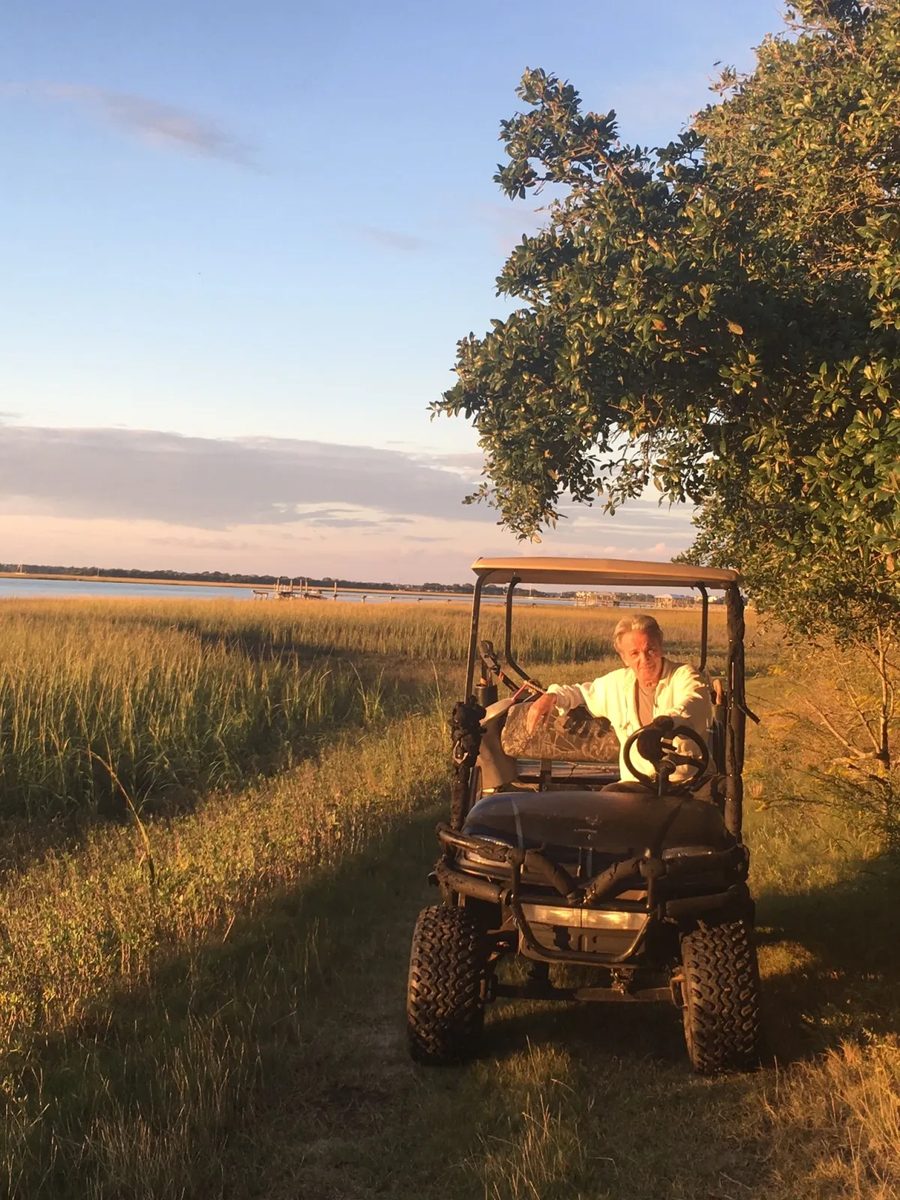
Clearing and restoring the eighteen acres required more than two decades of physical labor, strategic planning, and ecological sensitivity. Working alongside his late wife, Shann, Rocco made a foundational decision: rather than clearing the land to build modern structures, they would peel back the layers of neglect while keeping the ecosystem largely intact.
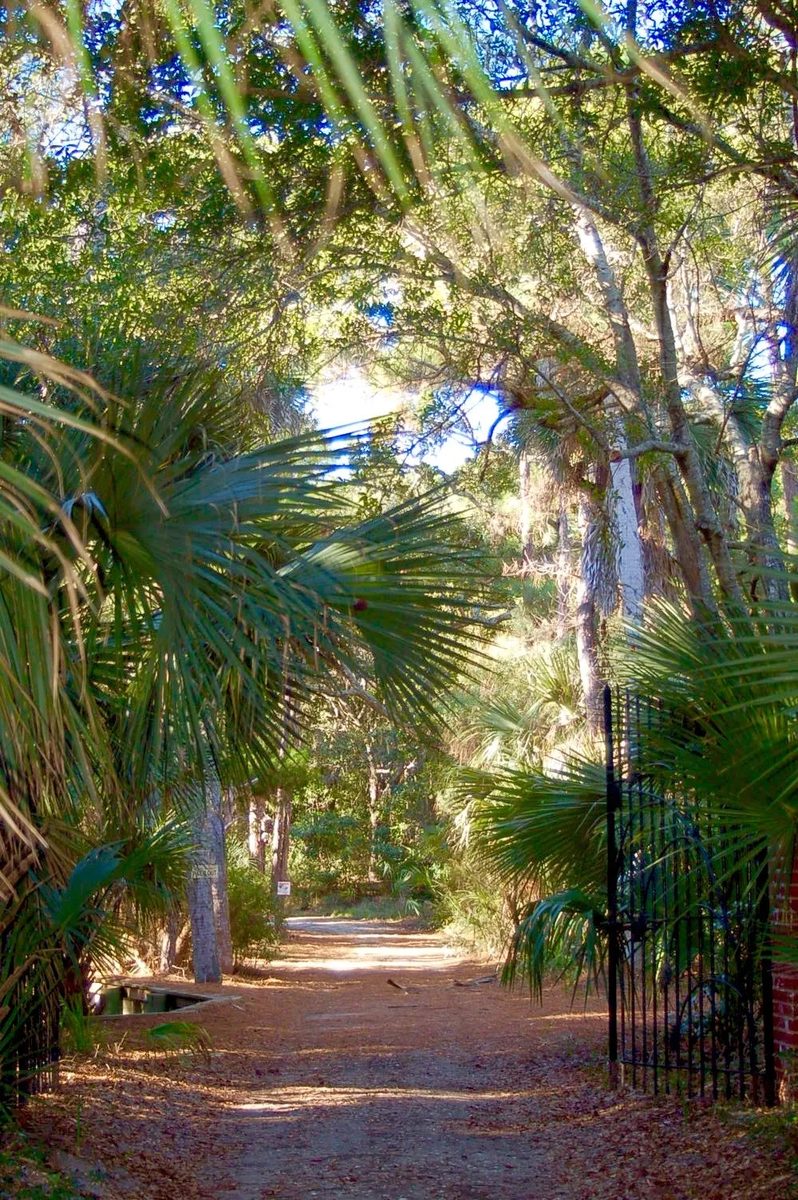
Over the course of twenty years, Rocco carved out miles of walking trails, restored the historic dock overlooking the Folly River, and stabilized the turn-of-the-century cottage. Today, a long, winding gravel driveway cuts through the thick swampy forest—a deliberately secluded threshold that immediately separates visitors from the bustling commercial strips of Folly Beach.
Supporting Context & Metrics: Ecology and Real Estate Pressures
Ecological Significance on the Edge of America
Barrier islands like Folly Beach are dynamic, fragile ecosystems. Historically, they were defined by maritime forests, expansive spartina grass marshes, and isolated coastal jungles that earned the region its moniker: "The Edge of America."
Today, satellite imagery of Folly Beach reveals a stark contrast. The island is predominantly mapped out in neat grids of residential streets, interspersed with docks extending into the Folly River and Atlantic Ocean. Amidst this dense web of development, Rocco’s eighteen-acre forest stands out as a sprawling, dark green polygon on the island’s west side.
This undisturbed canopy and its adjacent tidal marshland provide crucial habitat for local fauna. The property functions as a vital migratory stopover and permanent home for a diverse array of wildlife:
- Avian Species: Bald eagles, ospreys, great blue herons, and egrets frequently roost in the ancient oaks and pine trees.
- Mammals: White-tailed deer navigate the interior trails, while secretive predators like bobcats roam the property’s perimeter.
- Marine Life: The tidal creeks and river edges support an abundance of shellfish, wading birds, and finfish, benefiting from the lack of artificial shoreline hardening.
The Short-Term Rental Debate
Rocco’s conservation efforts unfold against a backdrop of intense local debate regarding land use on Folly Beach. In recent years, the proliferation of short-term rental properties and vacation homes has dramatically altered the island’s demographic and physical landscape. Housing inventory pressures and soaring property values have sparked vigorous community discussions about zoning, preservation, and the preservation of local character.
While the Folly River House is occasionally listed on platforms like Airbnb, Rocco views the commercial utility of the property as secondary to its primary purpose as a sanctuary. The home is more frequently utilized as a quiet retreat for Rocco himself, as well as a gathering space for family and close friends seeking refuge from the modern pace of life.
Official Statements & Artistic Vision
Mentoring the Next Generation of Artisans
Beyond his work as a land steward, Rocco channels his creative energy into sculpture and community mentorship. In his spare time, he collaborates with students at the American College of Building Arts located in nearby Charleston, South Carolina. By offering commissions to emerging craftsmen, Rocco frequently provides young artisans with their professional breakthroughs.
Current and upcoming installations destined for the Folly River House grounds reflect Rocco’s whimsical, mythological, and regionally inspired artistic sensibility:
- A hand-carved Poseidon throne
- A detailed Medusa head sculpture
- A striking, seven-foot-tall statue of a local legend, the "Lizard Man"
"Make magic. Be inspired. Get back to nature. For me, it’s that simple," Rocco states.
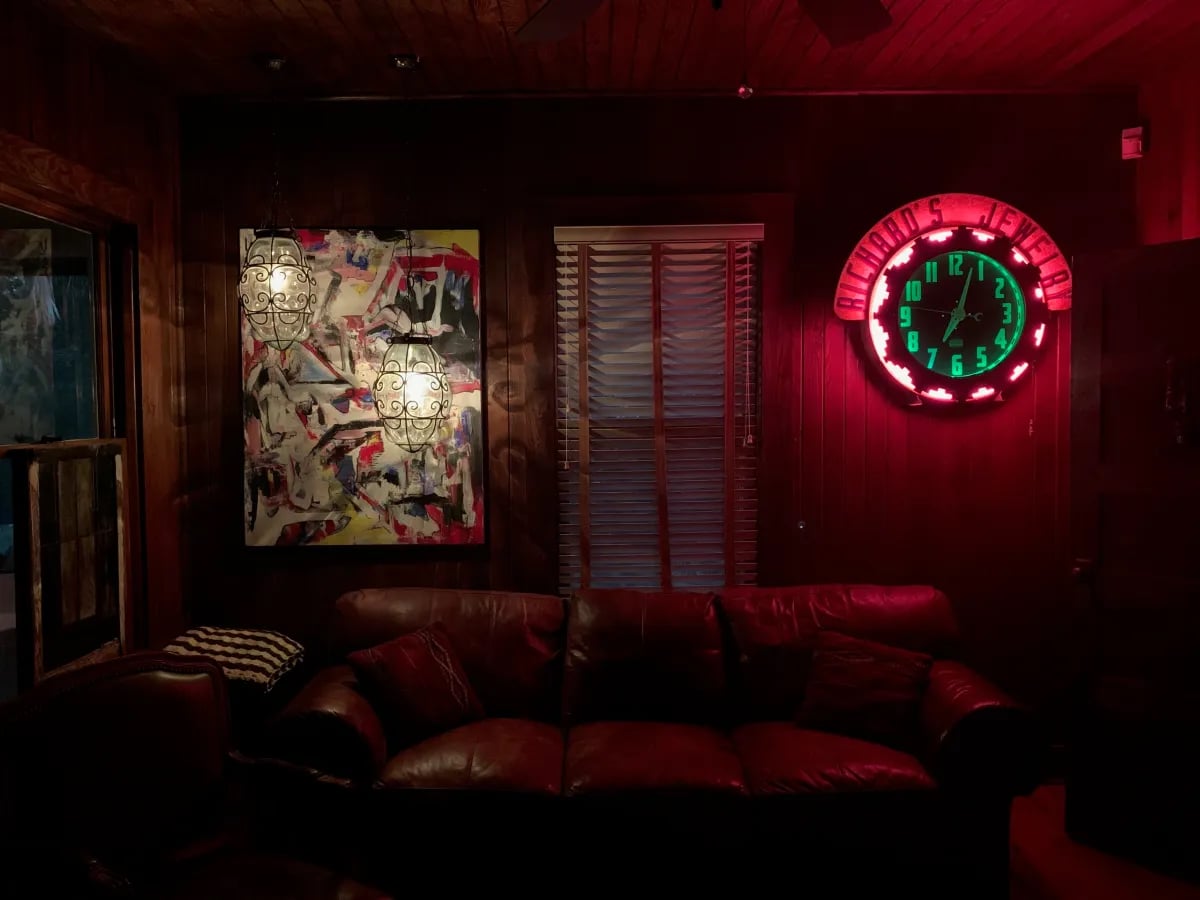
The Wooden Flag Sculptures and Public Art
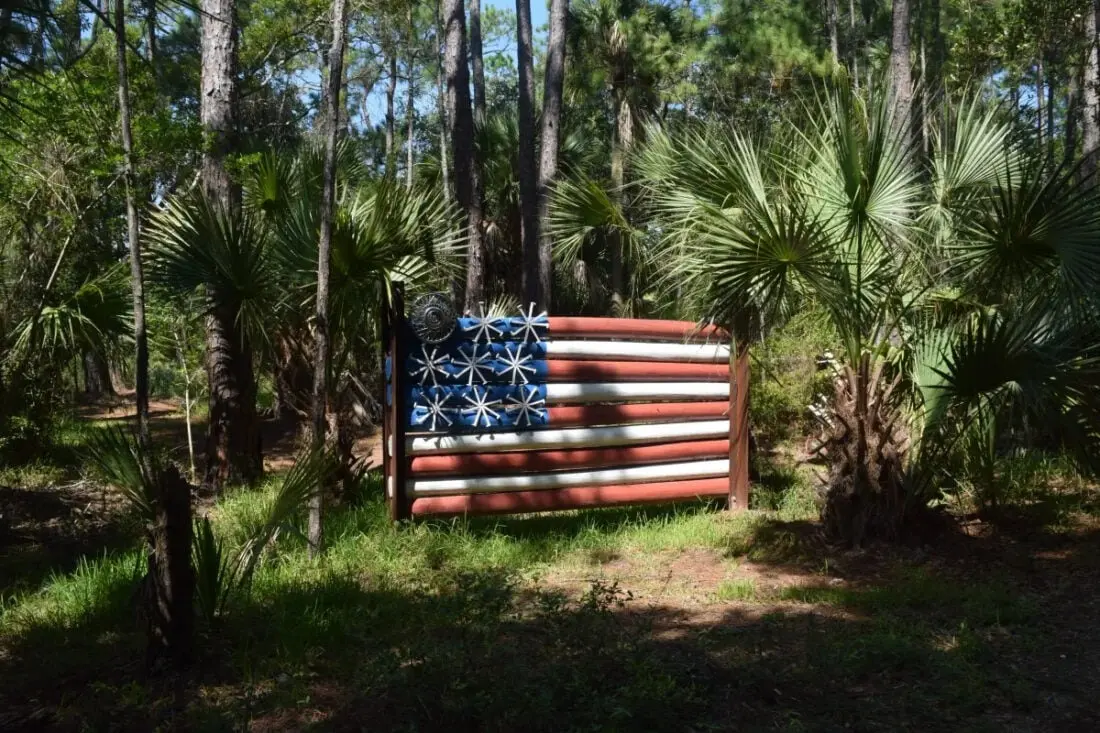
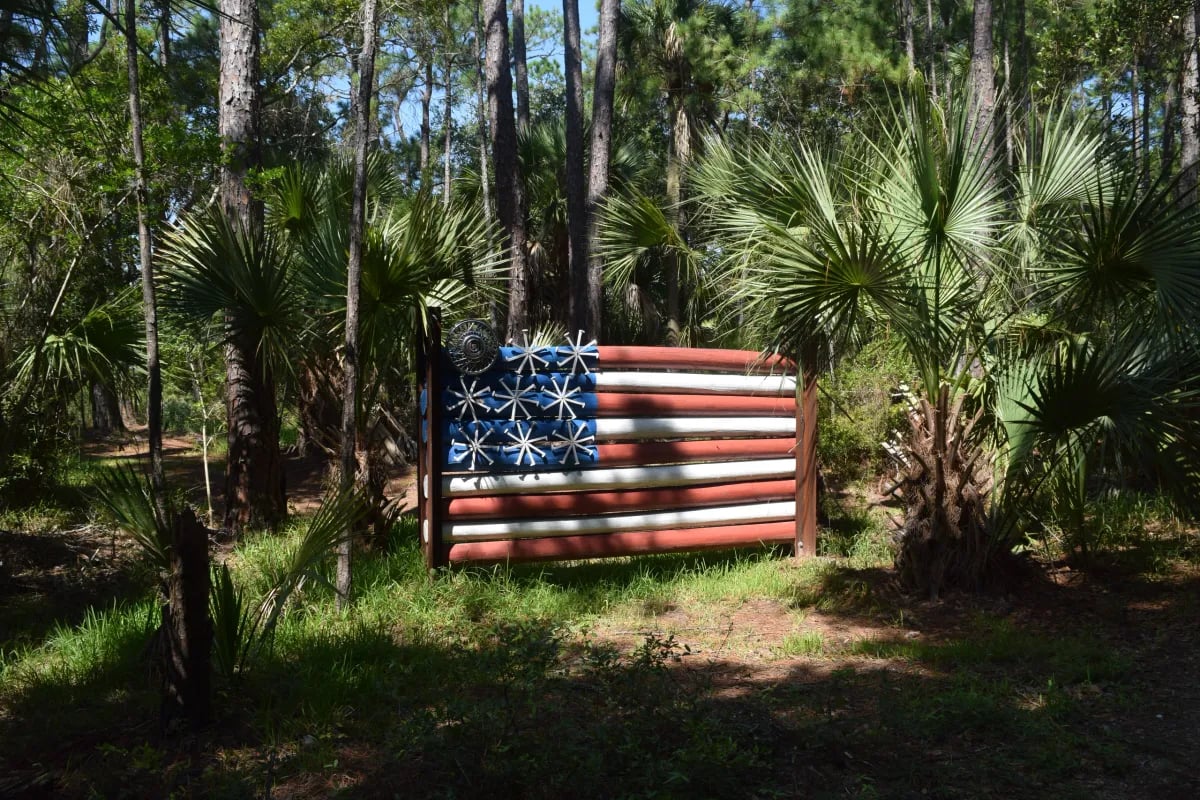
Rocco’s artistic footprint extends beyond his private property into the public sphere of Folly Beach. He is locally renowned for his monumental American flag sculptures, meticulously constructed from stacked logs. Eschewing traditional materials, Rocco imbues these flags with deep historical and personal resonance by replacing the standard stars with culturally significant artifacts. Civil War bullets, an antique trombone, and his grandfather’s old pickax head are embedded within the wood, each object carrying its own distinct backstory.
His largest flag sculpture is prominently displayed on Huron Avenue. Constructed in part from salvaged wood and metal components of the former Folly Beach Pier, the artwork honors the construction workers who built the new pier "on time and ahead of schedule, with no complaints." Flanked by a public sitting area and a sign bearing the town’s historic nickname, the installation serves as a bridge between Folly Beach’s industrial past and its artistic present.
"In the end we made the decision together. Keep it as is. Keep it special," Rocco reflects on the gamble he and Shann took decades ago. "And now it’s just a little gem. You come here and your world stops here."
Future Outlook: Securing the Legacy
As the Folly River House enters its next chapter, Jim Rocco is actively formalizing plans to ensure the long-term protection of the land and its cultural assets. Rather than allowing the property to fall victim to future subdivision or commercial development, Rocco is establishing a structured events business tailored to the site’s unique aesthetic.
Crucially, the stewardship of the Folly River House is designed to remain within the family. Rocco plans to transition full operational and custodial responsibilities to his daughter, ensuring that the eighteen-acre sanctuary remains untouched by the relentless tide of coastal overdevelopment.
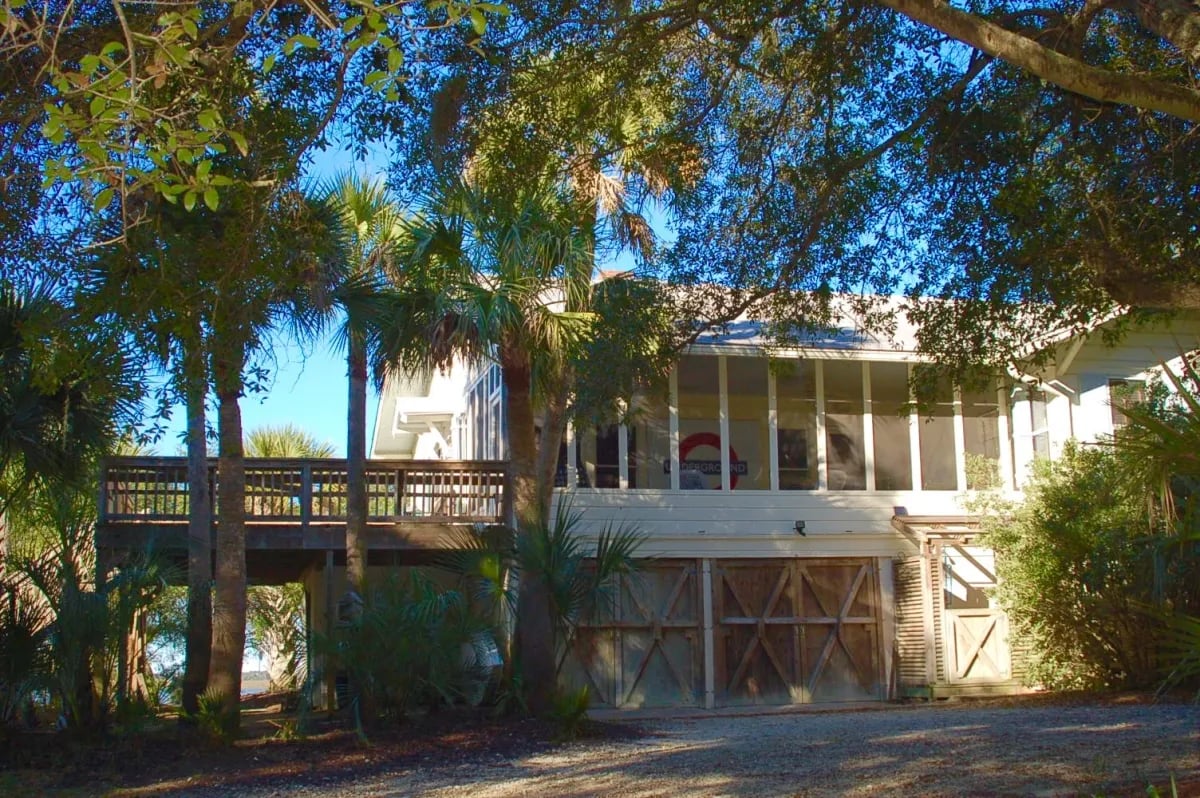
In a region where historical landscapes are routinely paved over to make way for modern progress, Jim Rocco’s sanctuary stands as a testament to the power of patience, ecological stewardship, and artistic vision. By holding the line at the edge of America, he has preserved not only a vital piece of South Carolina’s natural heritage, but a timeless space where nature and imagination intersect.

0 Comments