

By Lindsey Liles
Published October 9, 2026
Executive Overview
Long before the galleries of Bentonville, Arkansas, became a globally recognized sanctuary for American masterworks, the geologic foundations of the Natural State were quietly forging treasures of their own. Roughly one hundred million years ago, a deep-seated volcanic eruption propelled untold thousands of diamonds from the Earth’s mantle to the surface, depositing a geological anomaly that would forever alter the history of American gems.
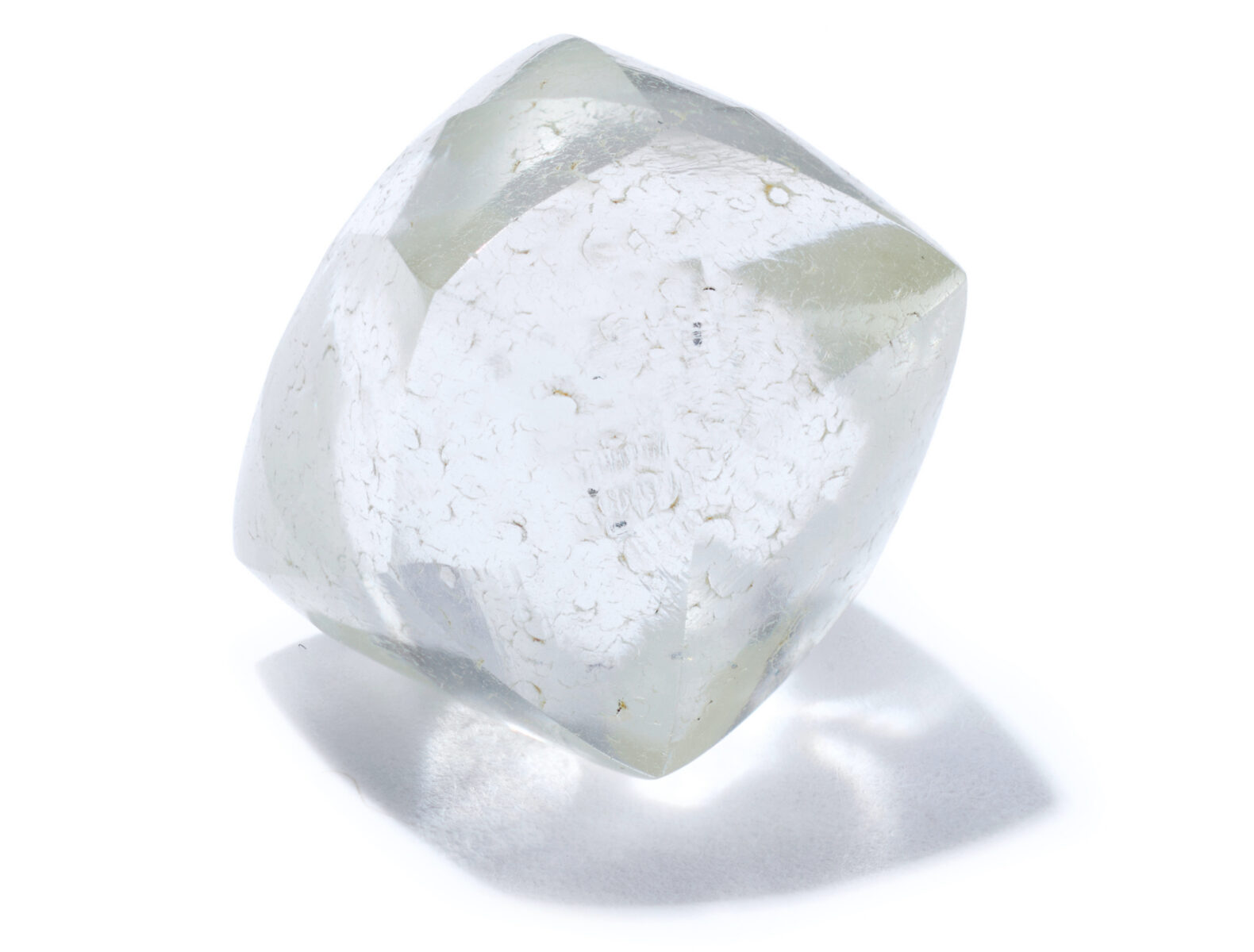
Now, one of the most legendary relics of that subterranean upheaval has returned to its home soil. The colossal 27.21-carat "Arkansas Diamond"—discovered by an eleven-year-old girl in Searcy, Arkansas, exactly a century ago in 1926—has traveled back from the elite vaults of the Tiffany Archives in New York City. It anchors Nature Adorned: The Artistry of Tiffany & Co. and the American Imagination, a breathtaking and ambitious new exhibition running through March 29, 2027, at the Crystal Bridges Museum of American Art.
Curated with intellectual rigor and aesthetic daring, the exhibition places world-renowned Tiffany & Co. jewels, brilliant minerals, and masterworks of American painting and sculpture into direct, compelling dialogue. By pairing the organic forms of fine jewelry with parallel themes in fine art, Nature Adorned explores how the natural world has catalyzed human ingenuity across generations. For museumgoers, the exhibition offers a rare opportunity to witness how high design and raw geology intersect, spotlighting Arkansas’s unique, glittering footprint in the narrative of American luxury and natural history.
Detailed Chronology: From Volcanic Upheaval to Modern Museum Halls
To fully appreciate the gravity of the Arkansas Diamond’s homecoming, one must trace a timeline spanning millions of years of geological formation, accidental discoveries, and corporate preservation.
Prehistoric Origins (c. 100 Million Years Ago)
Deep beneath the surface of what is now southwestern Arkansas, intense tectonic forces triggered volcanic activity. A lamproite pipe forced magma upward from the Earth’s mantle, carrying carbon-rich minerals under extreme pressure and temperature. As the magma cooled, it crystallized into diamonds, depositing them in a localized volcanic crater in present-day Pike County—creating the only known diamond-producing site in North America accessible to the public.

The Dawn of Discovery (1906)
For millennia, the diamond-bearing earth sat undisturbed. That changed in 1906, when an unsuspecting Arkansas farmer named John Huddleston plowed his field near Murfreesboro and noticed a few unusual, glittering stones glinting in the dirt. Geologists confirmed his find: genuine North American diamonds. Huddleston’s discovery sparked a minor gold-rush-style fever, transforming the rural landscape into a site of intense prospecting.
The Centenary Specimen and Corporate Acquisition (1926)
Twenty years after Huddleston’s discovery, the Natural State yielded its crown jewel. In Searcy, Arkansas, an eleven-year-old girl unearthed a pristine, uncut diamond weighing an astonishing 27.21 carats. Instantly recognized as one of the largest and most flawless gem-quality diamonds ever discovered in the United States, the stone caught the attention of America’s premier jeweler. Tiffany & Co. acquired the magnificent specimen, securing its place in the permanent Tiffany Archives in New York City, where it remained shielded from public view for decades.
The Homecoming and Exhibition Launch (October 2026)
One hundred years after its discovery, the 27.21-carat Arkansas Diamond has made a triumphant return to its home state. Unveiled this week at the Crystal Bridges Museum of American Art in Bentonville, the diamond serves as the physical and thematic centerpiece of Nature Adorned, accompanied by two additional notable diamonds unearthed at Arkansas’s Crater of Diamonds State Park.
Supporting Context & Metrics: The Intersection of Art and Earth Science
Nature Adorned does not merely display precious gems behind glass; it constructs a sophisticated visual lexicon that bridges the gap between decorative arts, fine art, and the natural sciences.
The Geology of Inspiration
At the core of the exhibition is a fundamental question: How do artists translate the chaotic, organic beauty of nature into structured human creations? Curator Jen Padgett and her team have organized the galleries to juxtapose natural mineral specimens directly with paintings and jewelry.
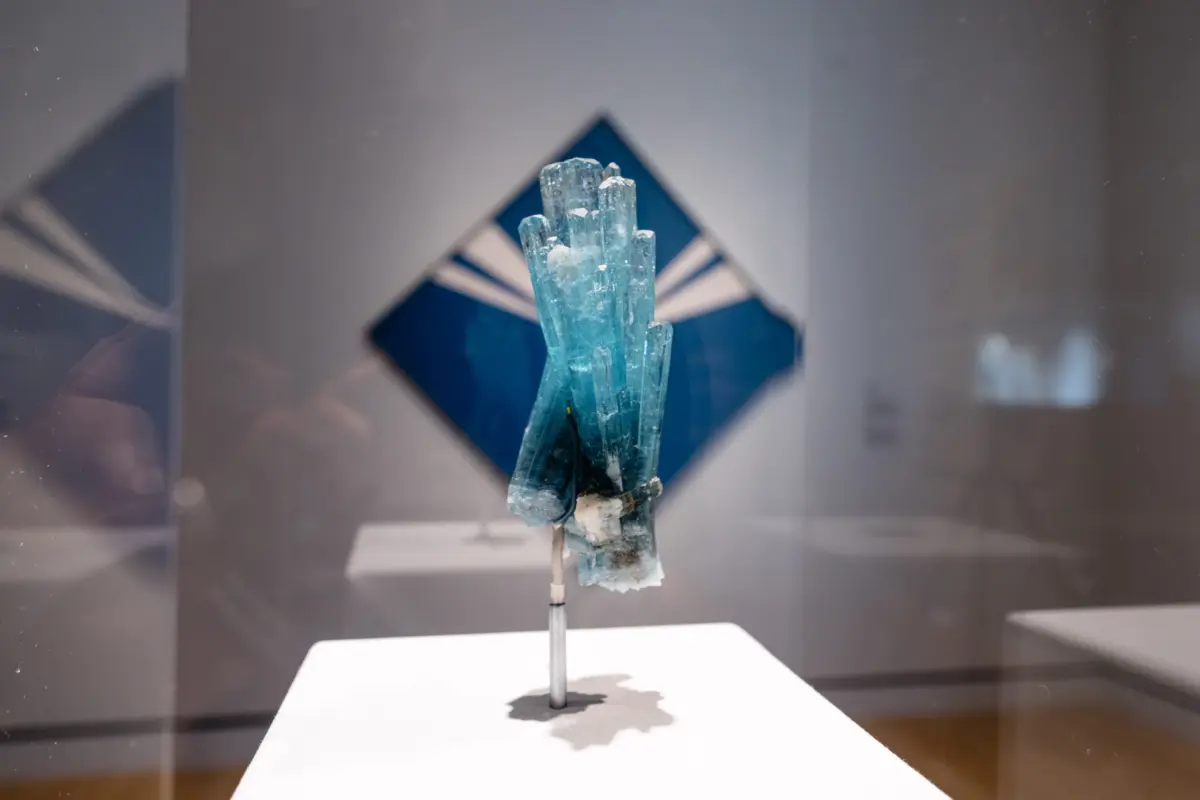
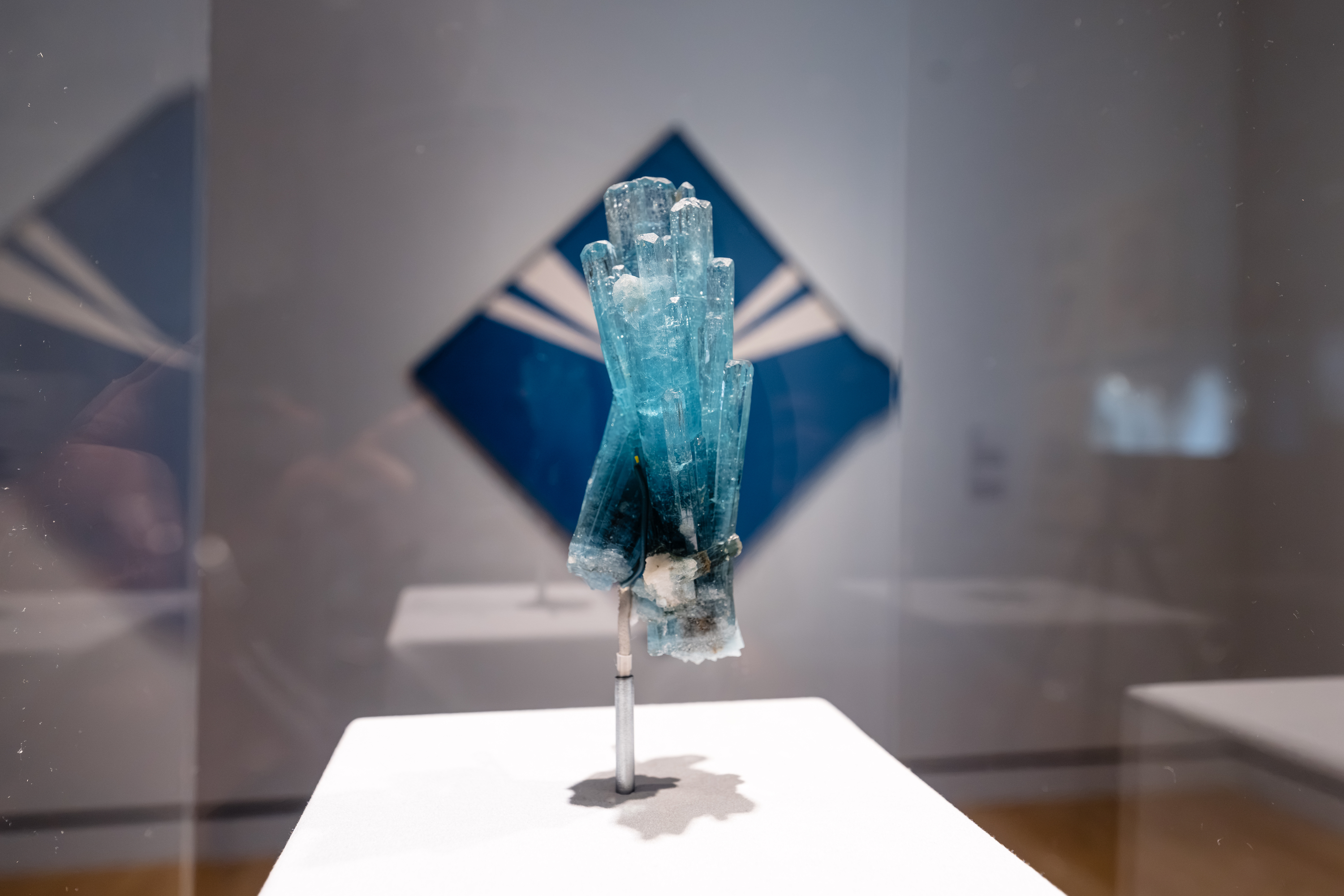
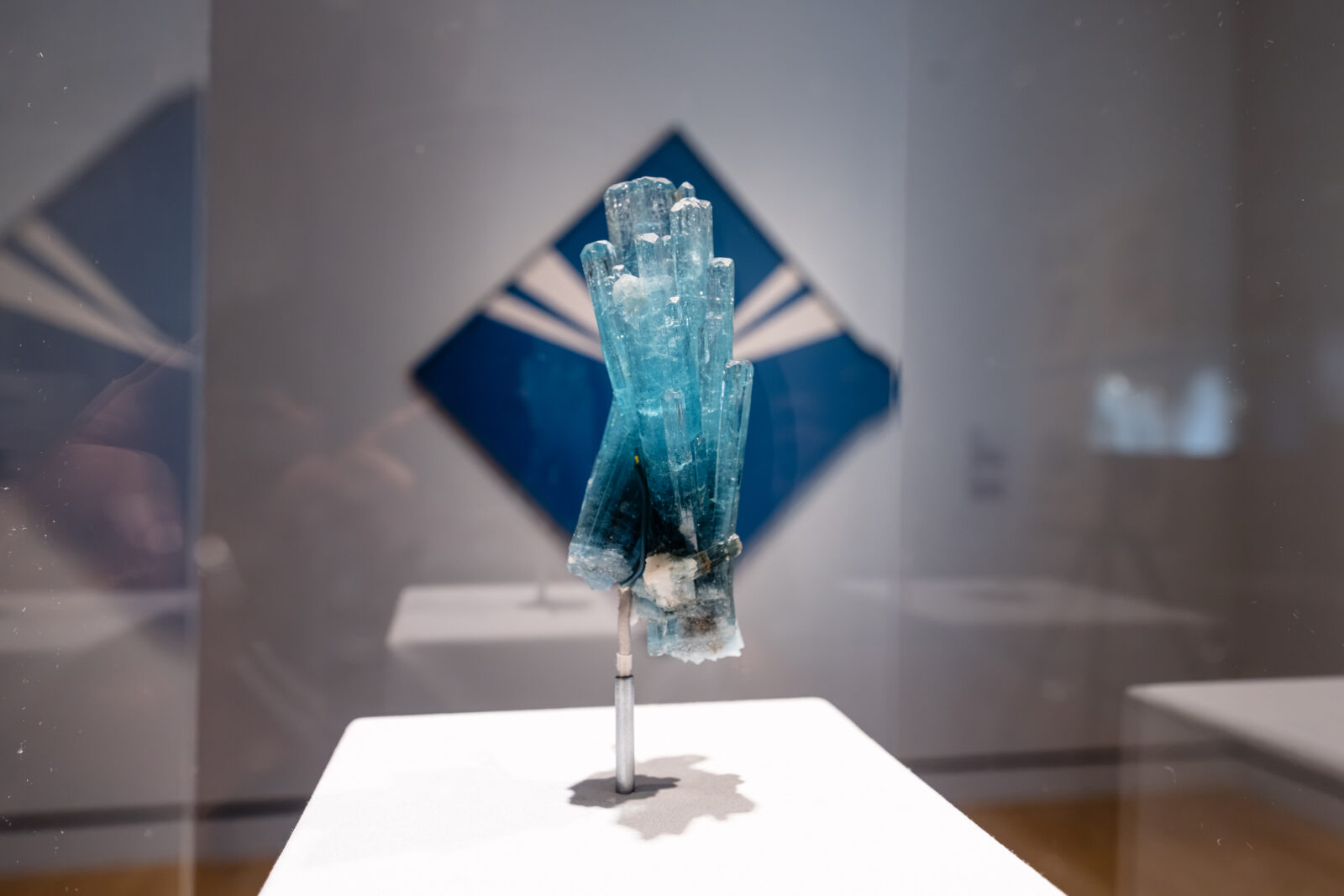
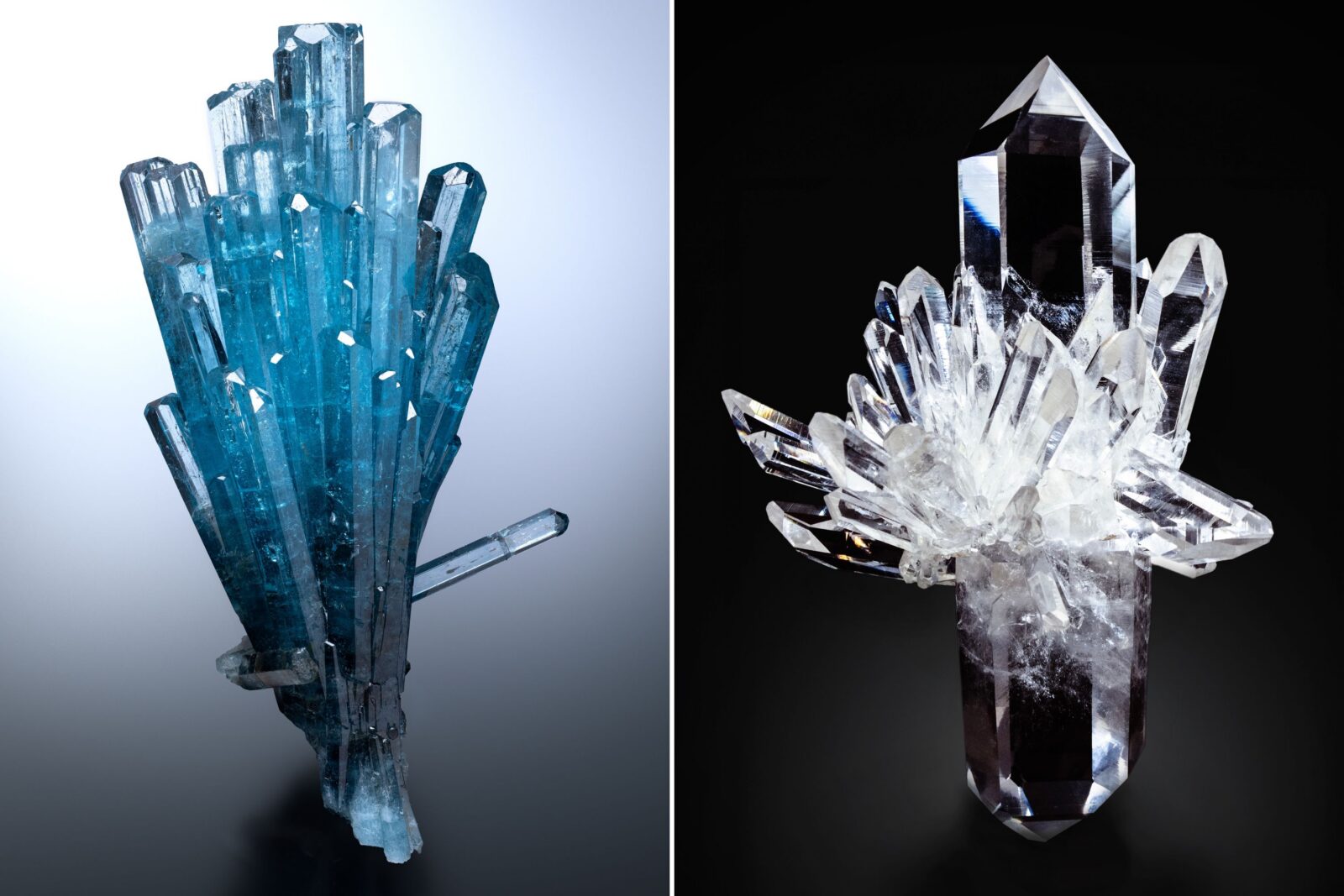
- Beryl and Quartz Crystals: Raw minerals from Crystal Bridges’ permanent collection—including a striking blue beryl colored by iron impurities and a towering, four-inch-long quartz crystal—are displayed alongside abstract and representational works. One striking pairing places a glowing beryl crystal directly in front of Carmen Herrera’s 1965 geometric abstract painting, Cerulean, which transforms a familiar square into a diamond shape through precise cuts of space.
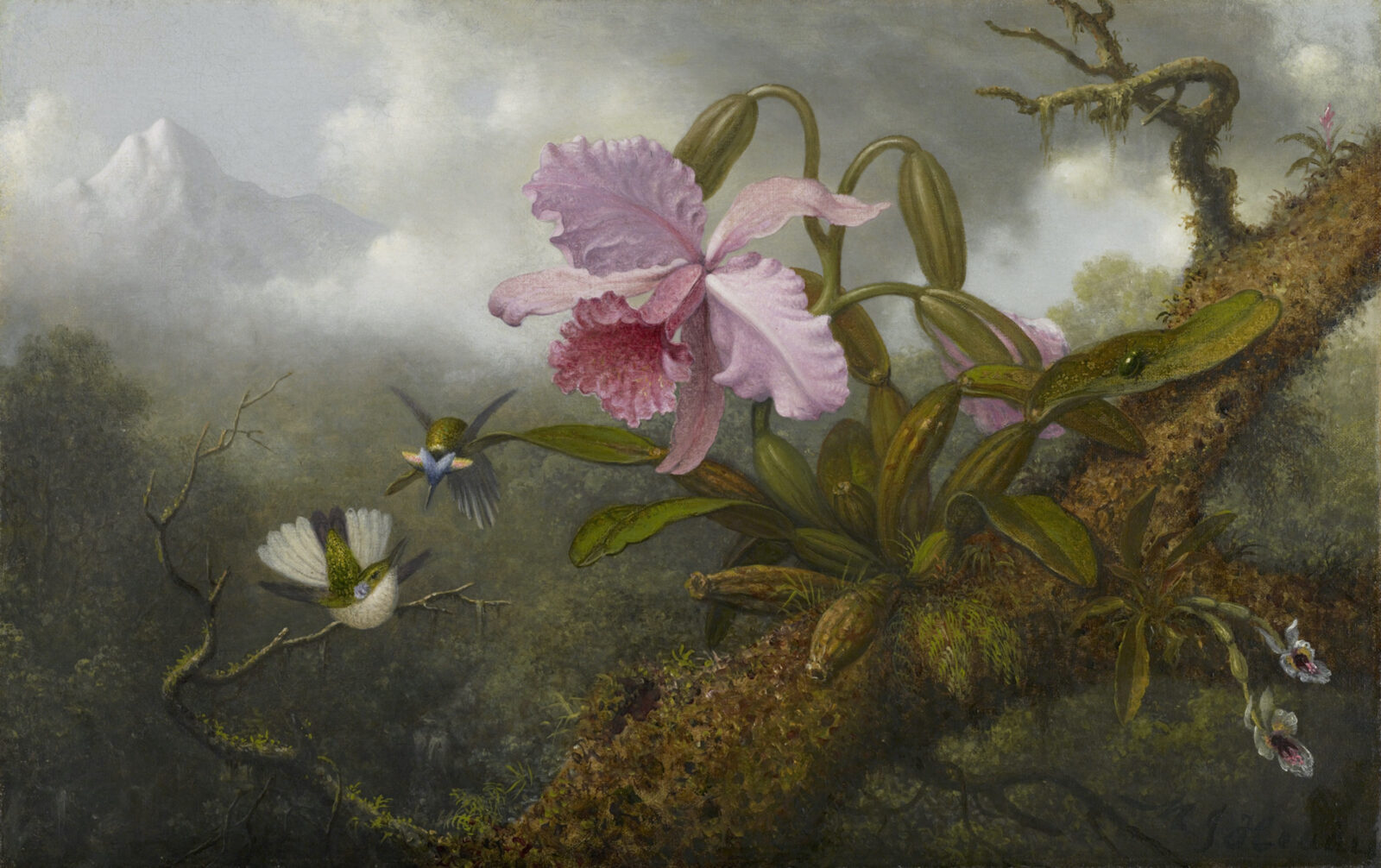
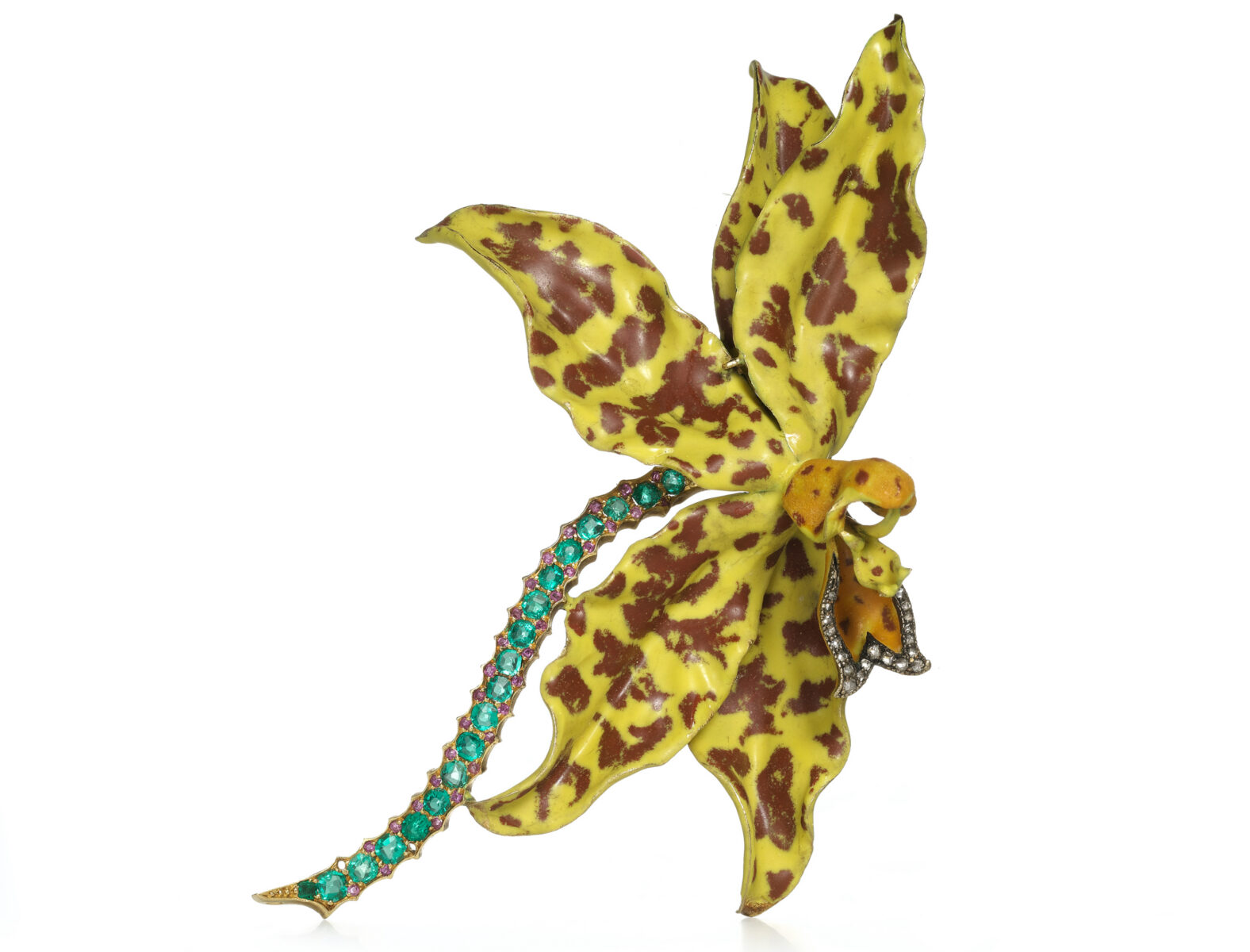
- Botanical Precision: In the late 19th century, master designer George Paulding Farnham crafted a mesmerizing Tiger Orchid Brooch for Tiffany & Co., utilizing sterling silver, brilliant-cut diamonds, emeralds, pink sapphires, and vitreous enamel. Nearby, Martin Johnson Heade’s masterwork Cattleya Orchid, Two Hummingbirds and a Beetle (c. 1871–1875) captures the same tropical flora with scientific precision and romantic fervor.
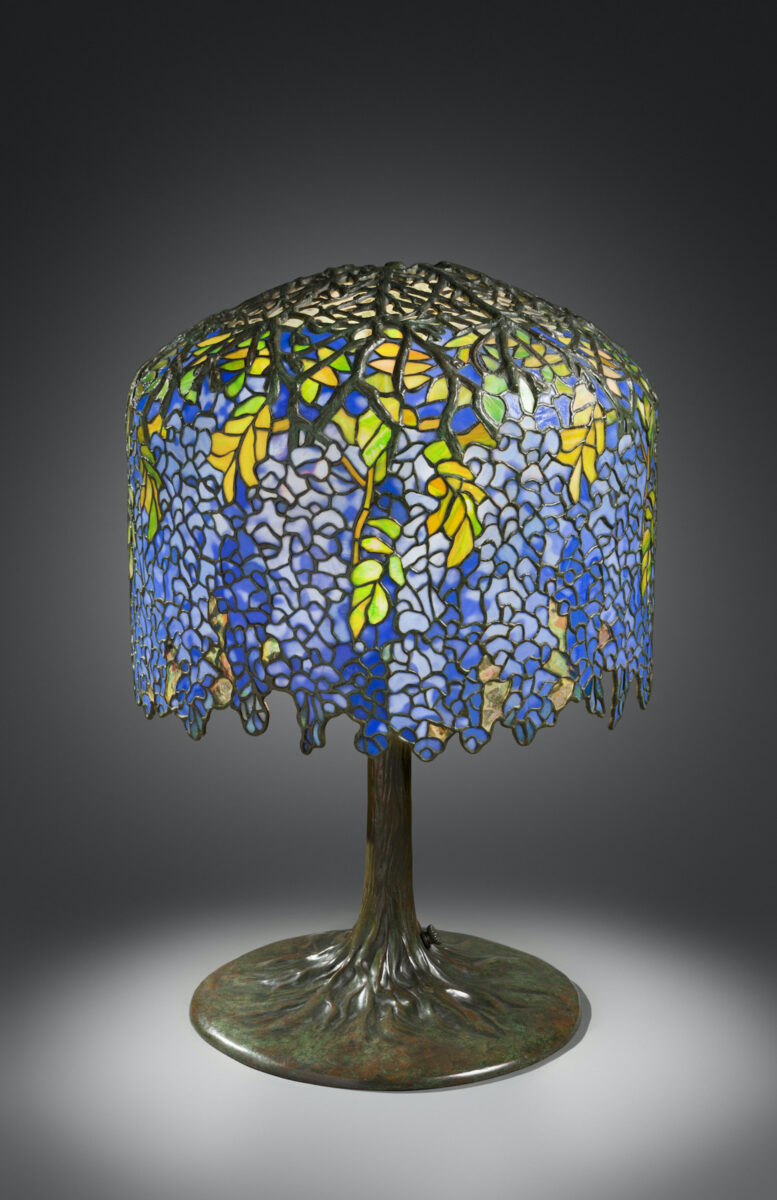
- The Art Nouveau Light: Exploring the intersection of organic form and functional design, the exhibition features the iconic Wisteria Table Lamp (circa 1905–1906). Conceived by Clara Driscoll while leading the legendary "Tiffany Girls" glass-cutting department at Tiffany Studios, the lamp mimics the drooping, arboreal clusters of wisteria vines. It is displayed in conversation with George Inness’s 1867 landscape, Sunset on a River, exploring how American artists manipulated light, shadow, and organic structure.
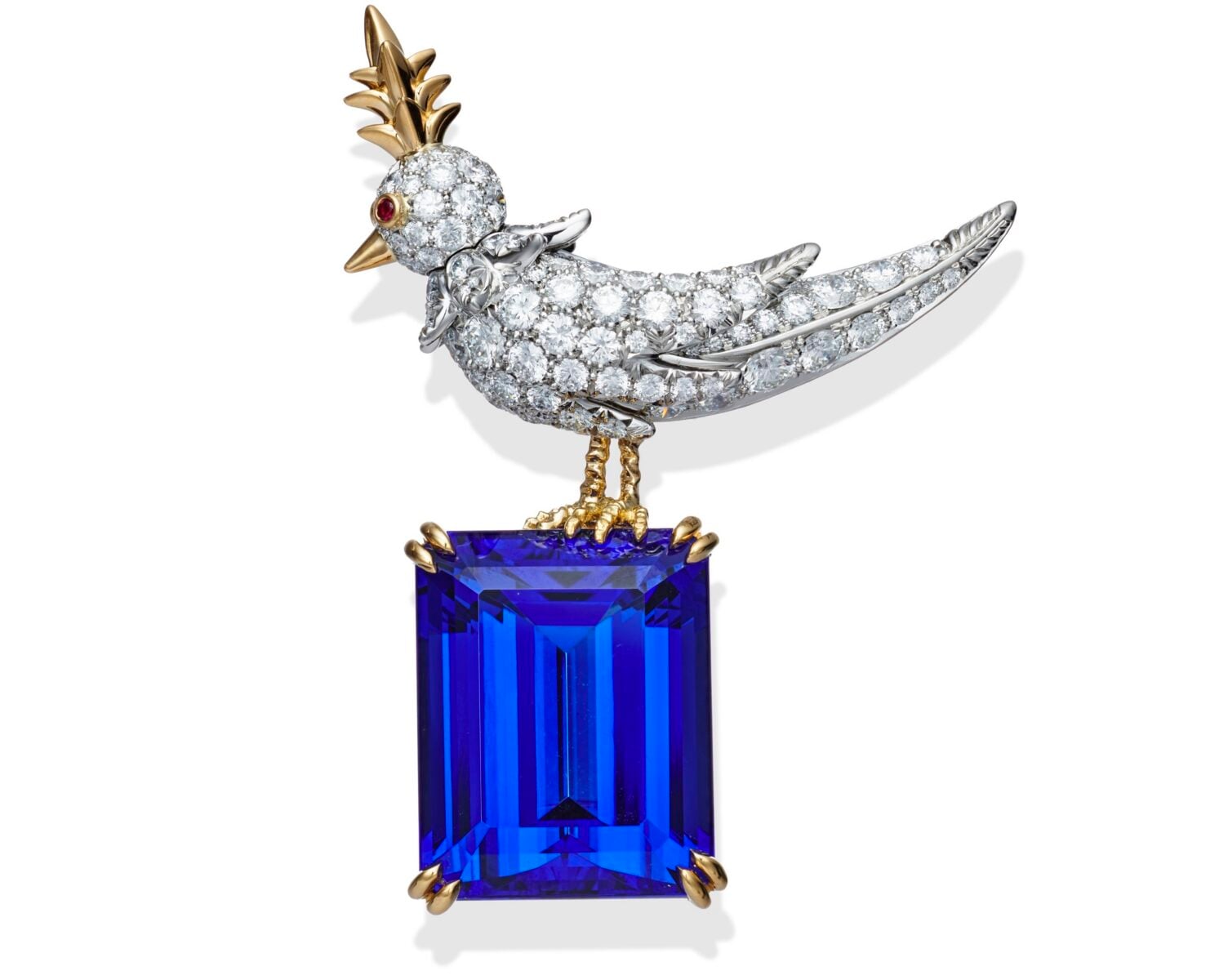
- Fauna and Form: French designer Jean Schlumberger’s whimsical Bird on a Rock brooch—featuring a gemstone-adorned bird perched atop a massive, vibrantly colored jewel—is paired with Hope Gangloff’s contemporary figurative painting, Queen Jane Approximately, creating a dialogue on the play of organic, flowing lines across different mediums.
Arkansas: America’s Diamond Frontier
The exhibition also shines a light on Arkansas’s enduring status as an American geological oddity. Arkansas remains the only place in the United States where amateur prospectors and everyday tourists can hunt for diamonds and legally keep whatever they uncover. This unique democratic access point is centered at Crater of Diamonds State Park in Murfreesboro, a 37.5-acre plowed field sitting directly atop the eroded surface of the ancient volcanic lamproite-bearing pipe.
By bringing the historic Arkansas Diamond and state-mined stones into dialogue with Tiffany’s legendary New York craftsmanship, the exhibition bridges the gap between industrial luxury and grassroots American history.
Official Statements and Curatorial Vision
The intellectual framework of Nature Adorned relies heavily on the perspective of its curatorial team, who sought to dissolve traditional boundaries between "fine art" and "decorative craft."
"The pairings across the Tiffany Archives and Crystal Bridges help us to see both collections in a new light," explains Jen Padgett, curator of the exhibition. "Comparing how artists draw inspiration from nature—whether depicting an orchid in a painting or transforming its form into a brooch—allows us to appreciate their ingenuity and imagination."
Padgett emphasizes that the inclusion of the state’s native gemstones serves a dual purpose: honoring the aesthetic triumphs of Tiffany & Co. while anchoring those achievements in the raw, tangible earth of the American South.
"Having the diamonds here allows us to highlight Arkansas’s natural resources," Padgett adds, "and bring attention to the state’s unique place in the story of American gems."
Future Outlook: Legacy and Exhibition Details
As Nature Adorned: The Artistry of Tiffany & Co. and the American Imagination welcomes its first wave of visitors to Bentonville, industry experts anticipate significant national and international interest. By uniting treasures from the corporate vaults of Tiffany & Co. with the robust American art and mineral holdings of Crystal Bridges, the exhibition sets a new standard for interdisciplinary museum curation.
For visitors planning to experience the exhibition, key details include:
- Location: Crystal Bridges Museum of American Art, Bentonville, Arkansas.
- Dates: Open now through March 29, 2027.
- Key Highlights: The 27.21-carat Arkansas Diamond, George Paulding Farnham’s Tiger Orchid Brooch, Clara Driscoll’s Wisteria Table Lamp, Jean Schlumberger’s Bird on a Rock, and masterworks by Martin Johnson Heade, George Inness, Carmen Herrera, and Hope Gangloff.
As winter turns to spring over the next several months, the 27.21-carat stone will continue to sit proudly in the Ozarks—a silent testament to the prehistoric fires that forged it, the young girl who stumbled upon it a century ago, and the enduring human desire to capture the fleeting beauty of the natural world in permanent art.

0 Comments