


Executive Overview
LADSON, S.C. — In a case that has horrified the South Carolina Lowcountry and drawn national scrutiny, local authorities have released chilling body camera footage offering an unprecedented and deeply unsettling look inside a Ladson-area home weeks before two toddlers were discovered dead. Emory Deacon, 2, and her 15-month-old sister, Harlow Deacon, were found starved to death on September 29, 2026, during a welfare check conducted by the Charleston County Sheriff’s Office.
Investigators state that the young girls had tragically perished three to five days prior to being discovered. Their mother, Justine May, now sits behind bars, facing multiple severe felony charges, including two counts of homicide by child abuse.
The newly public audio and video logs, spanning interactions from late August to mid-September 2026, document a disintegrating domestic environment, escalating friction between May and her extended family, and repeated interventions by law enforcement and mobile crisis units. As the Charleston County Sheriff’s Office continues its comprehensive forensic and administrative review of the case, the footage has ignited intense public debate regarding the efficacy of early intervention systems, the warning signs of severe maternal isolation, and whether systemic intervention could have prevented the unimaginable demise of two innocent lives.
Detailed Chronology: Countdown to a Preventable Catastrophe
To fully grasp the sequence of events that culminated in the deaths of Emory and Harlow Deacon, investigators have mapped out a critical timeline highlighting deteriorating household conditions, frantic calls from concerned relatives, and the final interactions recorded by law enforcement body cameras.
[August 3: Relationship Ends]
       │
       ▼
[August 30: 1st Bodycam Visit] ──> Caseworker notes observations; children interactive.
       │
       ▼
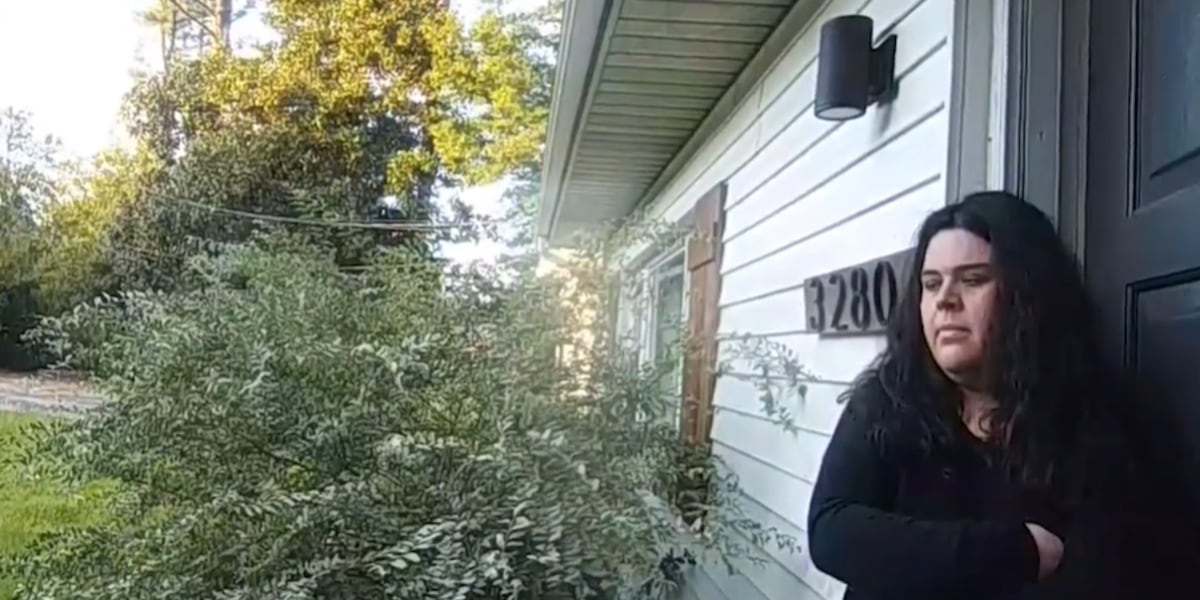
[September 12: 2nd Visit]     ──> May refuses entry, cites family "harassment."
       │
       ▼
[September 29: Welfare Check] ──> Deputies discover Emory and Harlow dead from starvation.
Early August 2026: The Dissolution of a Relationship
The structural foundation of the household fractured in early August 2026 when Justine May and her fiancé of five years, Zachary Deacon—who is also the father of Emory and Harlow—officially ended their eight-year relationship. According to statements provided to the Charleston County Sheriff’s Office, the breakup triggered a profound behavioral shift in May. Zachary Deacon, deeply alarmed by what he characterized as increasingly erratic and unusual conduct from May following their separation, began placing anxious calls to local law enforcement, initiating the first of several welfare checks on the Pinewood Drive residence.
August 30, 2026: The First Recorded Police and Caseworker Visit
The earliest batch of newly released body camera footage, running approximately 22 minutes, captures a routine yet tense visit by Charleston County deputies and a social services caseworker to the Pinewood Drive home on August 30.
- The Scene: Upon arrival, Justine May answers the front door holding 15-month-old Harlow, who is dressed in nothing more than a diaper. In the background, a household dog can be heard barking, while contemporary music plays softly from a speaker in the kitchen.
- Household Conditions: To the casual observer, the interior appears orderly and well-maintained. During the interaction, Harlow is placed gently on the floor where she begins crawling, while toddler Emory remains seated comfortably on the living room couch.
- The Dialogue: The core of the conversation between the deputies and May revolves around Zachary Deacon. May voices frustration over her split with her former fiancé. Throughout the exchange, an accompanying caseworker quietly takes notes, observing the children as they briefly interact with individuals present in the home. At this juncture, authorities find no immediate, actionable exigent circumstances to remove the children, though growing red flags regarding family stability are firmly established.
September 12, 2026: Mobile Crisis and Escalating Defensiveness
Just under two weeks later, on September 12, law enforcement and a mobile crisis unit returned to the Pinewood Drive residence following fresh concerns raised by family members. This encounter revealed a notably more defensive and hostile environment.
- At the Threshold: Unlike the previous visit, May refuses to allow deputies or mental health professionals to cross the threshold into the home. When asked how she is doing, May immediately questions whether her ex-fiancé instigated the visit. Authorities clarify that the call actually originated from May’s own parents.
- Denials of Mental Distress: When questioned directly regarding her mental health, potential suicidal ideation, or hallucinations, May adamantly denies any psychological impairment. "My family has been taunting the [expletive] out of me," May tells authorities on the recording. She accuses Zachary Deacon of spreading "crazy lies" regarding a supposed mental breakdown and explains that she has deliberately severed all contact with her relatives due to ongoing "harassment."
- The Email Controversy: May references a particularly scathing email sent by her mother, describing its contents as "horrible." She doubles down on her stability, stating pointedly on camera: "I’m clearly not crazy. And no, I’ve never had any mental health issues."
- Final Sighting: Toward the conclusion of this tense interaction, both children make a brief appearance in the doorway. May is seen holding Harlow, while Emory stands close by. Shortly after this visit, May allegedly began posting screenshots of text messages and emails from her family on social media, framing them as unwarranted interference while intensifying her self-imposed isolation.
September 29, 2026: The Devastating Discovery
The tragic endgame unfolded on the afternoon of September 29, 2026. Following an urgent 911 call reporting that the two young girls had not been seen in days, that May was exhibiting deeply erratic behavior, and that she had been spotted wandering the neighborhood alone, deputies rushed back to the Pinewood Drive address.
Upon arrival, deputies encountered a distraught Justine May exiting the home, crying and speaking incoherently. Entering the residence to verify the welfare of the children, law enforcing officers uncovered the horrific reality: Emory and harsher still, Harlow, were dead. Subsequent forensic evaluations by the coroner’s office confirmed the devastating conclusion that the toddlers had succumbed to acute starvation days earlier.
Supporting Context & Metrics: Analyzing the Warning Signs
The Ladson tragedy underscores broader, systemic challenges surrounding child welfare, domestic estrangement, and the limits of emergency response frameworks.
The Metrics of Child Neglect and Starvation in Domestic Isolation
Public health and child advocacy metrics indicate that cases of fatal child neglect frequently share common epidemiological markers:
- The Isolation Factor: More than 78% of severe child neglect cases involving toddlers feature a primary caregiver experiencing acute, self-imposed, or forced social isolation following the dissolution of a primary domestic partnership.
- The Reporting Gap: In situations where multiple agencies (law enforcement, mobile crisis units, and child protective services) visit a residence within a 30-day window, systemic blind spots often emerge if communication silos prevent a holistic risk assessment. In May’s case, while multiple welfare checks were logged, the rapid escalation from behavioral concern to terminal starvation outpaced the institutional response.
- Behavioral Indicators: Neighbors and family members frequently report erratic wandering, abrupt cessation of communication, and aggressive defensiveness as critical behavioral shifts preceding tragedies of this nature.
Official Statements and Legal Proceedings
Law enforcement officials and legal representatives have offered measured yet grim commentary as the case moves forward through the South Carolina judicial system.
"The body camera footage released this week provides a transparent, albeit heartbreaking, window into the conditions and interactions leading up to this tragedy. Our investigators acted on every available tip and legal mechanism at the time, but the ultimate responsibility for the preservation of these innocent lives rests squarely with the individual charged."
— Representative, Charleston County Sheriff’s Office
Legal analysts note that Justine May faces extraordinarily grave exposure given the autopsy findings of death by starvation. Charges of homicide by child abuse carry severe sentencing guidelines under South Carolina law, potentially resulting in decades to life imprisonment upon conviction. Defense attorneys are expected to probe deeply into the mental health evaluations conducted during the mobile crisis unit visits, framing the tragedy within the context of untreated psychological distress, though prosecutors maintain that the totality of evidence points to willful, fatal neglect.
Future Outlook: Systemic Reforms and Community Healing
As the community of Ladson mourns the loss of Emory and Harlow Deacon, the fallout from this case is driving urgent conversations across South Carolina regarding child welfare reform.
- Inter-Agency Communication Protocols: Law enforcement and social services departments across Charleston County are facing intense pressure to establish unified tracking systems that link repeated welfare checks, mobile crisis deployments, and family-reported grievances into a single, high-priority risk score.
- Post-Separation Support Structures: Advocates are calling for enhanced legal and psychological support mechanisms for primary caregivers navigating high-conflict separations, aiming to catch domestic distress before it metastasizes into child endangerment.
- Judicial Proceedings: Justine May’s legal team and prosecutors are currently preparing for pre-trial hearings. As the judicial process unfolds, the community remains anchored in grief, haunted by the digital ghosts preserved on body camera footage—reminders of a home where two little girls played just weeks before their tragic, preventable end.

0 Comments