
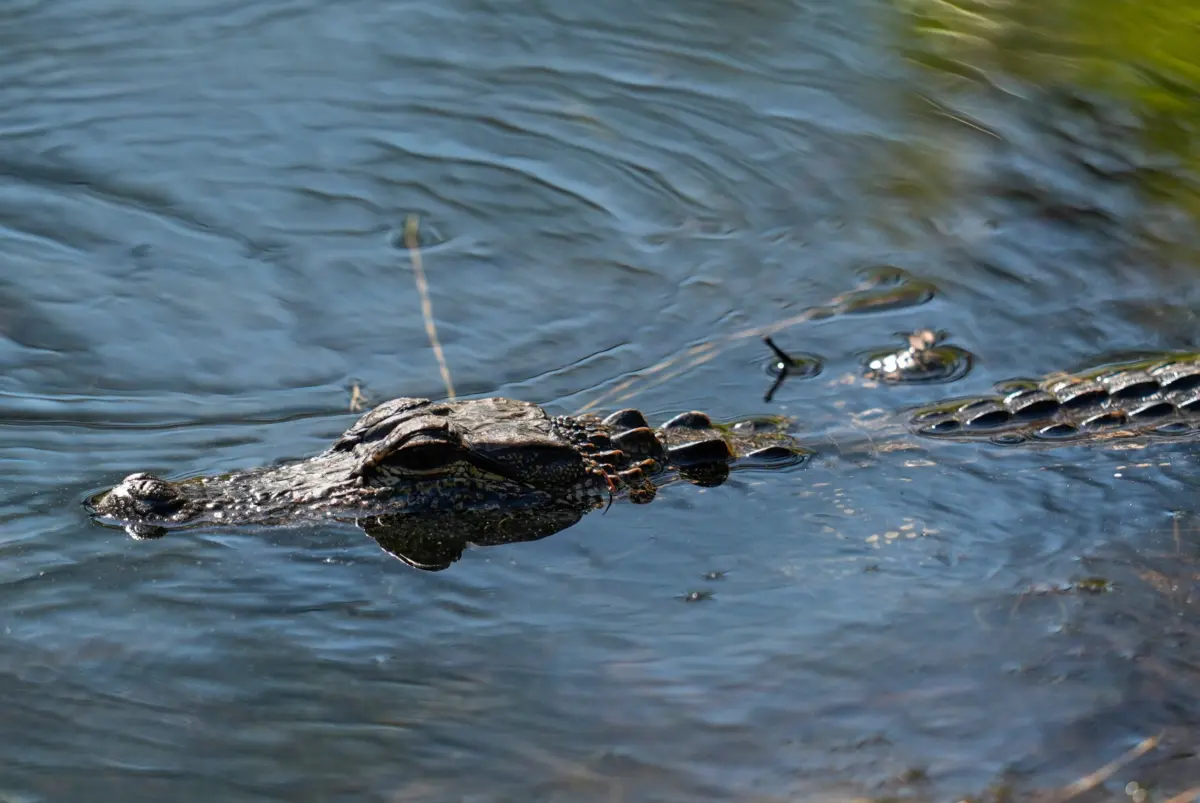

PANAMA CITY, Fla. — In the wake of major meteorological events and severe tropical systems impacting the Florida Panhandle and surrounding Gulf Coast regions, environmental authorities are facing a secondary, often overlooked crisis: the mass displacement of local wildlife. As floodwaters rise, natural habitats submerge, and high winds alter familiar terrain, humans and displaced animals are increasingly sharing the same compromised spaces.
In response to this growing public safety and conservation concern, the Florida Fish and Wildlife Conservation Commission (FWC) has issued urgent advisory guidelines. Officials are urging residents, emergency responders, and recovery workers to exercise extreme caution, maintain a safe physical distance, and afford distressed wildlife the space necessary to navigate unprecedented environmental disruptions.
Executive Overview
The intersection of severe weather events and wildlife management presents distinct challenges for emergency management agencies. When hurricanes, tropical storms, or torrential downpours strike Florida, the state’s rich biodiversity is immediately impacted. Terrestrial mammals, reptiles, amphibians, and avian species are forced to flee rising waters and structural damage, frequently seeking refuge in residential neighborhoods, elevated roadways, and urban infrastructures.
While human safety remains the paramount priority during the immediate aftermath of a disaster, the FWC emphasizes that human-wildlife conflicts spike dramatically during and after major storms. Alligators displaced by swollen canals, venomous snakes seeking dry ground on porches, and stressed raccoons or bears looking for easily accessible post-storm food waste create volatile scenarios.
This comprehensive report examines the protocols established by the FWC, explores the ecological mechanics of post-storm wildlife displacement, analyzes historical metrics of human-animal interactions during disaster recovery, and outlines strategic safety measures for residents navigating the complex recovery phase.
Detailed Chronology: How Post-Storm Wildlife Emergencies Unfold
Understanding the timeline of wildlife behavior following a major weather event is crucial for effective emergency response and community safety. Wildlife displacement does not occur all at once; rather, it follows a distinct chronological pattern relative to the progression of the storm.
Phase 1: Pre-Storm Behavioral Shifts (Immediate Hours Before Impact)
Long before the first gale-force winds arrive or floodwaters breach riverbanks, many wild animals exhibit an innate barometric sensitivity. Species ranging from migratory birds to large mammals detect drops in atmospheric pressure and begin seeking shelter.
- Avian Responses: Many birds will either evacuate the region entirely or hunker down deep within dense underbrush and tree cavities.
- Terrestrial Scramble: Mammals such as white-tailed deer, feral hogs, and coyotes often move toward higher ground well in advance of storm surges, occasionally crossing major thoroughfares and placing themselves in the path of evacuating human traffic.
Phase 2: The Eye of the Storm and Peak Impact (Active Weather Event)
During the height of a severe storm, most wildlife is simply trying to survive. Animals seek refuge wherever it is available—hollow logs, dense root systems, culverts, and occasionally human structures such as under-house crawlspaces, sheds, and garages. During this phase, direct human-animal contact is relatively rare because both parties are sheltering in place. However, rising floodwaters can quickly inundate these temporary shelters, forcing animals out into the open while the storm is still raging.
Phase 3: The Immediate Aftermath and Debris Phase (12 to 72 Hours Post-Landfall)
This is the most critical and hazardous window for human-wildlife interactions. As floodwaters peak and begin the slow process of receding, displaced animals find their traditional habitats radically altered.
- Aquatic and Semi-Aquatic Incursions: Alligators, turtles, and venomous snakes (such as cottonmouths and eastern diamondback rattlesnakes) are routinely washed out of their natural wetlands, swamps, and retention ponds. They frequently end up stranded in residential swimming pools, flooded garages, and backyards.
- Arboreal Disruption: Downed trees and stripped canopies deprive squirrels, raccoons, and raptors of their nests and homes, causing them to forage on the ground or seek entry into attics and homes with compromised roofs.
Phase 4: Stabilization and Return to Equilibrium (Weeks 1 to 4 Post-Storm)
As municipal services restore power, roads reopen, and homeowners begin the arduous task of debris cleanup, secondary conflicts emerge. Piles of vegetative debris pushed to the curb serve as prime nesting material and shelter for rodents, snakes, and predators. Simultaneously, the proliferation of ruined household goods, spoiled food in disabled refrigerators, and exposed garbage bins create unnatural feeding stations, drawing urban-tolerant wildlife deeper into human communities.
Supporting Context & Metrics: The Ecological Toll of Severe Weather
To fully grasp why wildlife behaves erratically after a storm, one must examine the broader ecological and statistical context of disaster recovery in Florida.
Habitat Fragmentation and Environmental Stress
Florida’s unique geography makes its ecosystems exceptionally vulnerable to tropical weather. Storm surges introduce massive volumes of saltwater into freshwater marshes, killing sensitive vegetation and drastically altering the salinity balance. For aquatic species, this creates sudden, uninhabitable zones. Terrestrial animals face the compounding problem of food scarcity; ground-foraging species find their food sources washed away, buried under silt, or contaminated by industrial runoff and sewage overflows.
Historical Trends in Post-Storm Animal Rescues
Data compiled by state conservation agencies over the past two decades reveals clear trends in post-disaster animal activity:
- Alligator Encounters: Reports of nuisance alligators typically increase by 30% to 50% in counties directly impacted by major flood events. Because floodwaters equalize water levels across property lines, alligators can travel across terrain that is normally dry.
- Vector-Borne and Zoonotic Risks: Stressed animals are more prone to defensive biting and scratching. Furthermore, the displacement of raccoons, bats, and foxes elevates the localized risk of rabies exposure for domestic pets and humans alike during outdoor cleanup operations.
- Domestic Animal Impact: Alongside native wildlife, feral cat colonies and stray dogs are severely impacted, creating complex rescue scenarios for animal control officers who must triage between domestic rescue and wild animal management.
Official Statements and FWC Safety Protocols
The Florida Fish and Wildlife Conservation Commission, operating as the primary state agency responsible for managing and regulating fish and wildlife resources, has outlined strict directives for the public. When interacting with or encountering wildlife in disaster zones, adherence to these protocols is essential.
1. Maintain a Respectful Distance
The fundamental rule established by FWC biologists is simple: Do not approach, crowd, or attempt to handle wild animals. Displaced wildlife is almost universally frightened, stressed, and disoriented. An animal that appears docile or sluggish may simply be exhausted or in shock, but it will still react defensively if it perceives a human as a threat.
2. Secure Attractants and Waste
Post-storm environments are messy, with downed fences, scattered garbage, and spoiled food. The FWC stresses that unsecured food sources are the primary driver of human-wildlife conflicts.
- Store all household garbage in heavy-duty, wildlife-resistant containers until municipal pickup resumes.
- Avoid leaving pet food outdoors, as it attracts raccoons, opossums, coyotes, and bears.
- Clear fallen fruit from fruit trees promptly.
3. Inspect Dark and Enclosed Spaces Before Cleanup
Homeowners returning to flooded or damaged properties must exercise vigilance. Before reaching into dark corners, clearing brush piles, or entering low-clearance areas such as crawlspaces and sheds, use a flashlight and a long tool (like a broom handle) to inspect the area. Snakes and raccoons frequently seek out these micro-habitats to escape direct sunlight and human activity.
4. Special Caution Regarding Aquatic Life and Snakes
- Never assume a body of water is free of alligators. Floodwaters obscure the banks of retention ponds, canals, and ditches, making it impossible to gauge where water ends and land begins. Alligators can easily navigate submerged lawns and streets.
- Exercise extreme caution with snakes. High water forces snakes into unexpected places, including floating debris mats, branches, and the interiors of homes. Wear heavy work boots, thick trousers, and gloves during debris removal.
Future Outlook: Climate Resilience and Wildlife Management
As Florida continues to experience shifting weather patterns and the increasing intensity of severe weather events, state agencies and wildlife biologists are looking toward long-term adaptation strategies.
Modernizing Disaster Response for Wildlife
Historically, disaster response plans have focused almost exclusively on human life, infrastructure, and domestic livestock. However, recognition of the ecological value of native species has prompted a shift toward integrated rescue frameworks. The FWC, in collaboration with local wildlife rehabilitators and non-profit sanctuaries, is developing more robust protocols for rapid-deployment wildlife rescue teams that can operate alongside search-and-rescue units in heavily flooded zones.
Urban Planning and Habitat Corridors
Mitigating human-wildlife conflict in a growing state requires forward-thinking urban design. Planners are increasingly emphasizing the creation and protection of green infrastructure—such as elevated wildlife corridors, natural retention basins, and protected buffer zones—that allow animals to migrate safely during environmental crises without intersecting high-density human developments.
Public Education and Community Resilience
Ultimately, the safety of both citizens and wildlife relies heavily on public awareness. Educational initiatives, such as the FWC’s ongoing digital resources (including the Wildlife and Storms guides and instructional video modules), empower residents with the knowledge needed to coexist safely with nature during its most volatile moments.
By respecting the boundaries of displaced wildlife, securing property attractants, and exercising patience during the recovery process, communities can protect Florida’s invaluable biodiversity while ensuring a safer, more orderly path toward post-storm restoration.
For further information, official updates, and educational resources regarding wildlife safety during severe weather events, residents are encouraged to visit the official FWC Wildlife and Storms Resource Portal and review the Storm Safety with Wildlife instructional videos.

0 Comments