

Executive Overview
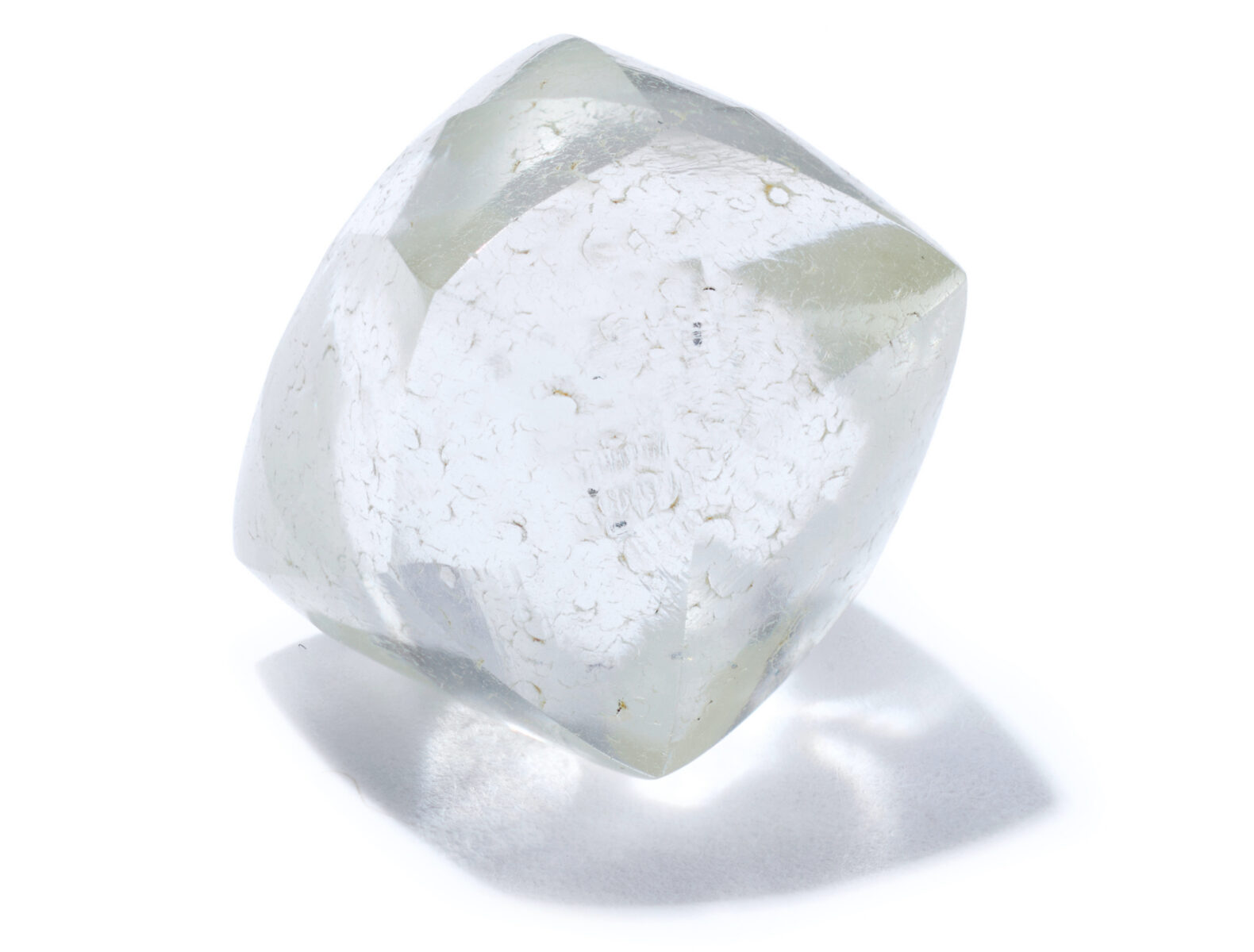
For over a century, the deep geological secrets of the American South have captivated prospectors, gemologists, and fine-art aficionados alike. Chief among these treasures is a staggering 27.21-carat diamond discovered in Searcy, Arkansas, in 1926—an artifact that ranks among the largest and most pristine gem-quality diamonds ever unearthed in the United States. Following its discovery, the colossal stone was acquired by the legendary luxury house Tiffany & Co., subsequently finding a permanent home within the protected vaults of the Tiffany Archives in New York City.
Now, in a triumphant and long-awaited homecoming, this legendary gemstone has traveled back to its home state. It serves as the centerpiece of a breathtaking new exhibition at the Crystal Bridges Museum of American Art in Bentonville, Arkansas. Titled “Nature Adorned: The Artistry of Tiffany & Co. and the American Imagination,” the exhibition explores the profound, symbiotic relationship between the fine arts and master jewelry design, illustrating how the organic world has inspired generations of American creators.
Running through March 29, 2027, the exhibition unites the historic Arkansas Diamond alongside two other notable local diamonds, rare mineral specimens, iconic Tiffany creations, and landmark American paintings. By placing world-class high jewelry in direct conversation with masterworks of painting and sculpture, Nature Adorned challenges viewers to re-examine the porous boundary between decorative adornment and high art, all while celebrating the unique geological heritage of the Natural State.
Detailed Chronology: From Volcanic Upheaval to Museum Halls
The story of the Arkansas Diamond and the geological legacy showcased at Crystal Bridges spans hundreds of millions of years, unfolding across several critical historical milestones:
- 100 Million Years Ago: Deep subterranean forces and volcanic activity push untold quantities of subterranean diamonds and precious minerals to the surface of what is now the American South, uniquely seeding the geological formations of southwest Arkansas.
- 1906: An unsuspecting Arkansas farmer uncovers the very first authenticated diamond in the state, sparking a localized prospecting rush and drawing national attention to the region’s hidden mineral wealth.
- 1926: An eleven-year-old girl makes the discovery of a lifetime in Searcy, Arkansas, unearthing an enormous, raw diamond weighing a remarkable 27.21 carats. Shortly after, luxury jeweler Tiffany & Co. purchases the specimen, cementing its status as a national treasure before moving it to the secure Tiffany Archives in New York City.
- Late 19th to Early 20th Century: Master designers like George Paulding Farnham and glass innovators like Clara Driscoll—leader of the famed "Tiffany Girls" department at Tiffany Studios—craft timeless pieces, such as the intricate tiger orchid brooch and the luminous Wisteria Table Lamp, heavily influenced by botanical forms and the Art Nouveau movement.
- October 2026: Nature Adorned: The Artistry of Tiffany & Co. and the American Imagination officially opens its doors to the public at the Crystal Bridges Museum of American Art in Bentonville. The exhibition marks the historic return of the 27.21-carat Arkansas Diamond to its home state.
- March 29, 2027: The scheduled closing date for the landmark exhibition, after which the loaned archival items, including the historic diamonds, will prepare for their return to New York.
Supporting Context & Metrics: The Geology and Artistry of the Exhibition
To fully appreciate the scope of Nature Adorned, one must examine the rare convergence of natural history, industrial design, and fine art that curator Jen Padgett and the team at Crystal Bridges have assembled.
The Unique Mineralogy of Arkansas
Arkansas holds a singular position in North American geology. It remains the only place in the United States where amateur prospectors and everyday visitors can legally search for diamonds—and keep whatever they find—at the Crater of Diamonds State Park in Murfreesboro. This accessibility underscores the state’s deep, tactile connection to the earth’s bounty. The exhibition leverages this local pride by featuring the 27.21-carat Searcy diamond alongside two other exceptional diamonds discovered on state park grounds.

Juxtaposing Fine Art and High Jewelry
The exhibition does not merely display precious objects behind glass; it actively frames them through thematic pairings that highlight human ingenuity. Among the standout installations:
- Botanical Echoes: George Paulding Farnham’s late-19th-century Tiger Orchid Brooch—meticulously constructed from sterling silver, diamonds, emeralds, pink sapphires, and enamel for Tiffany & Co.—is displayed in dialogue with Martin Johnson Heade’s romantic botanical painting, Cattleya Orchid, Two Hummingbirds and a Beetle (circa late 1800s).
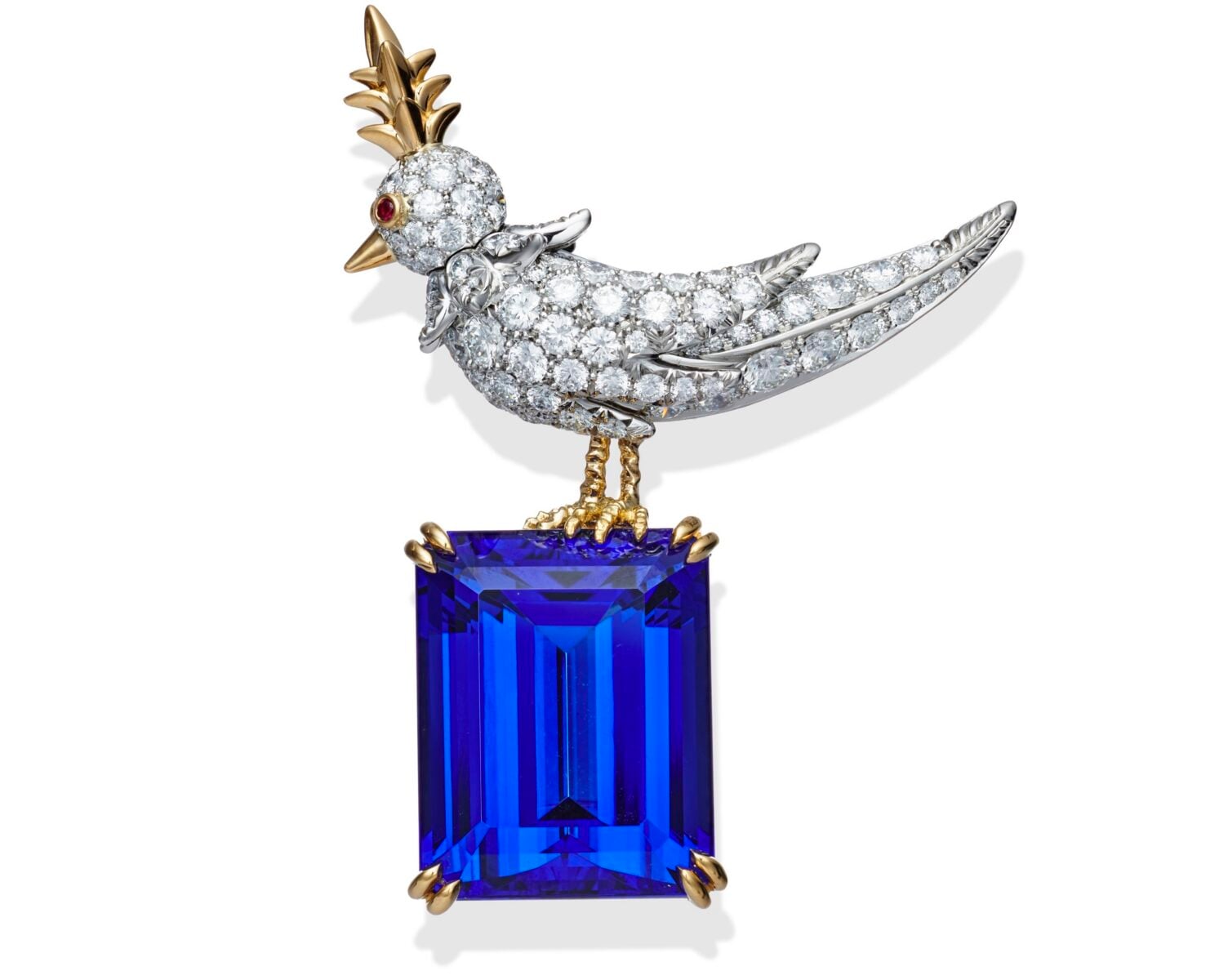
- Organic Abstraction: French designer Jean Schlumberger’s whimsical Bird on a Rock brooch is exhibited alongside Hope Gangloff’s contemporary figurative painting, Queen Jane Approximately. Both works demonstrate a distinct playfulness with organic, flowing forms.
- Luminous Landscapes: Clara Driscoll’s masterpiece of the Art Nouveau movement, the Wisteria Table Lamp (circa 1905–1906), illuminates the gallery space near George Inness’s 1867 luminous river landscape, Sunset on a River, drawing direct parallels between how artists capture the interplay of light through glass versus canvas.
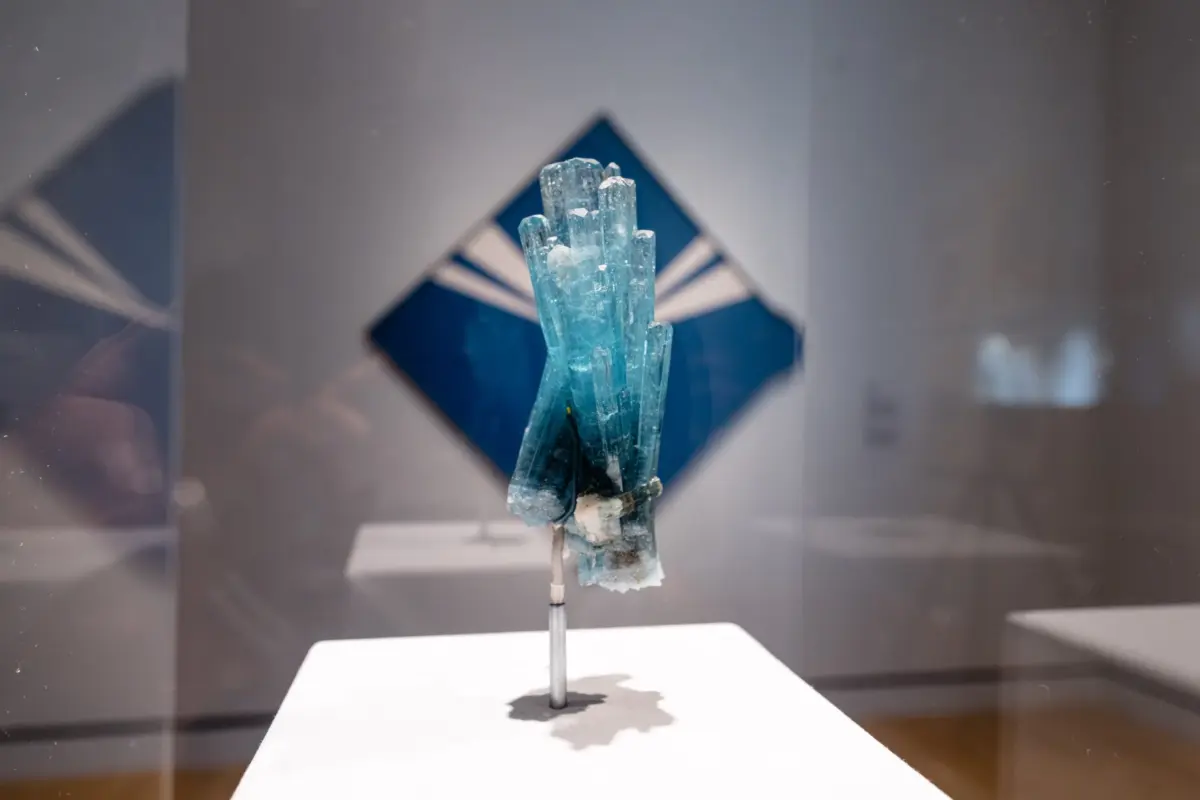
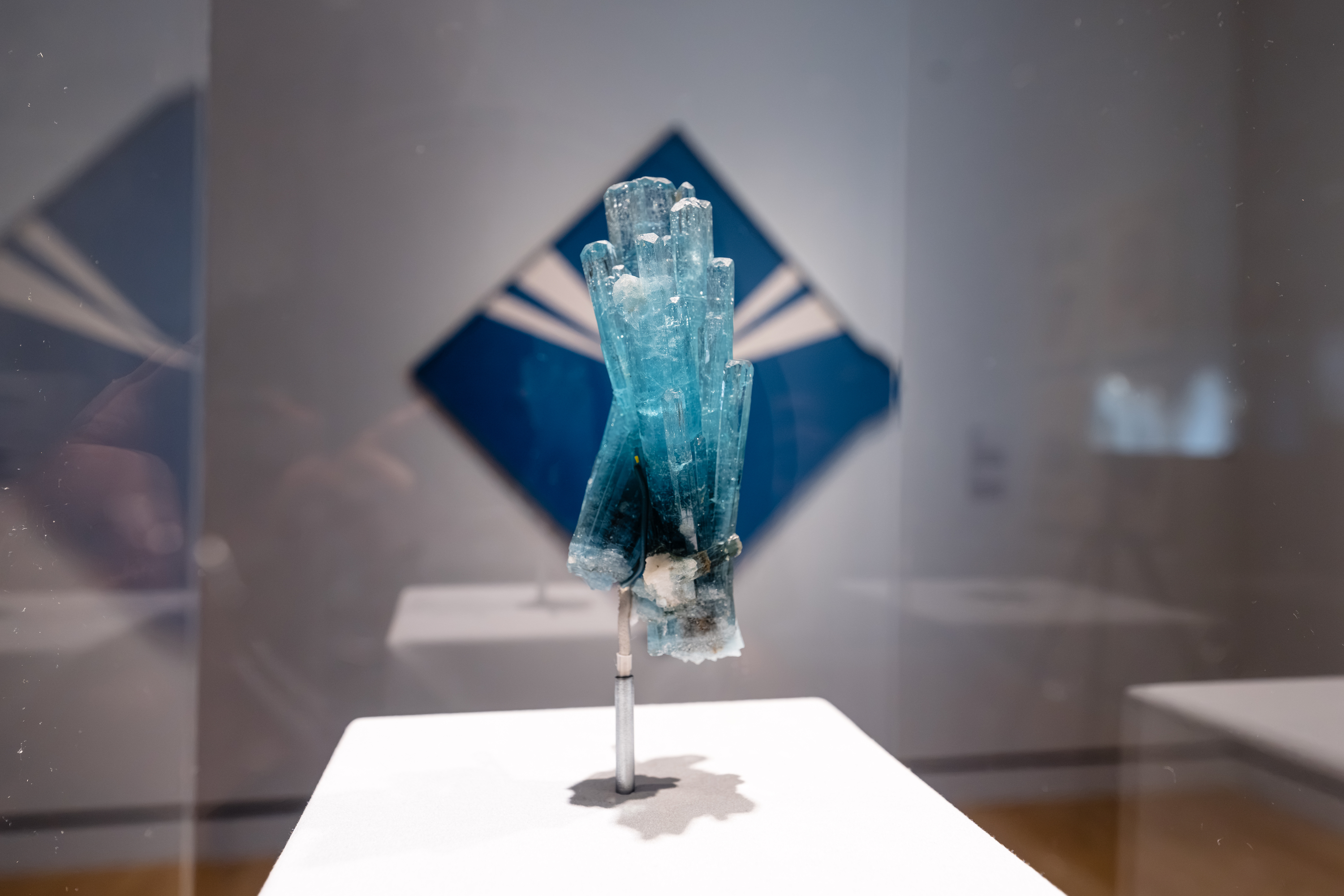
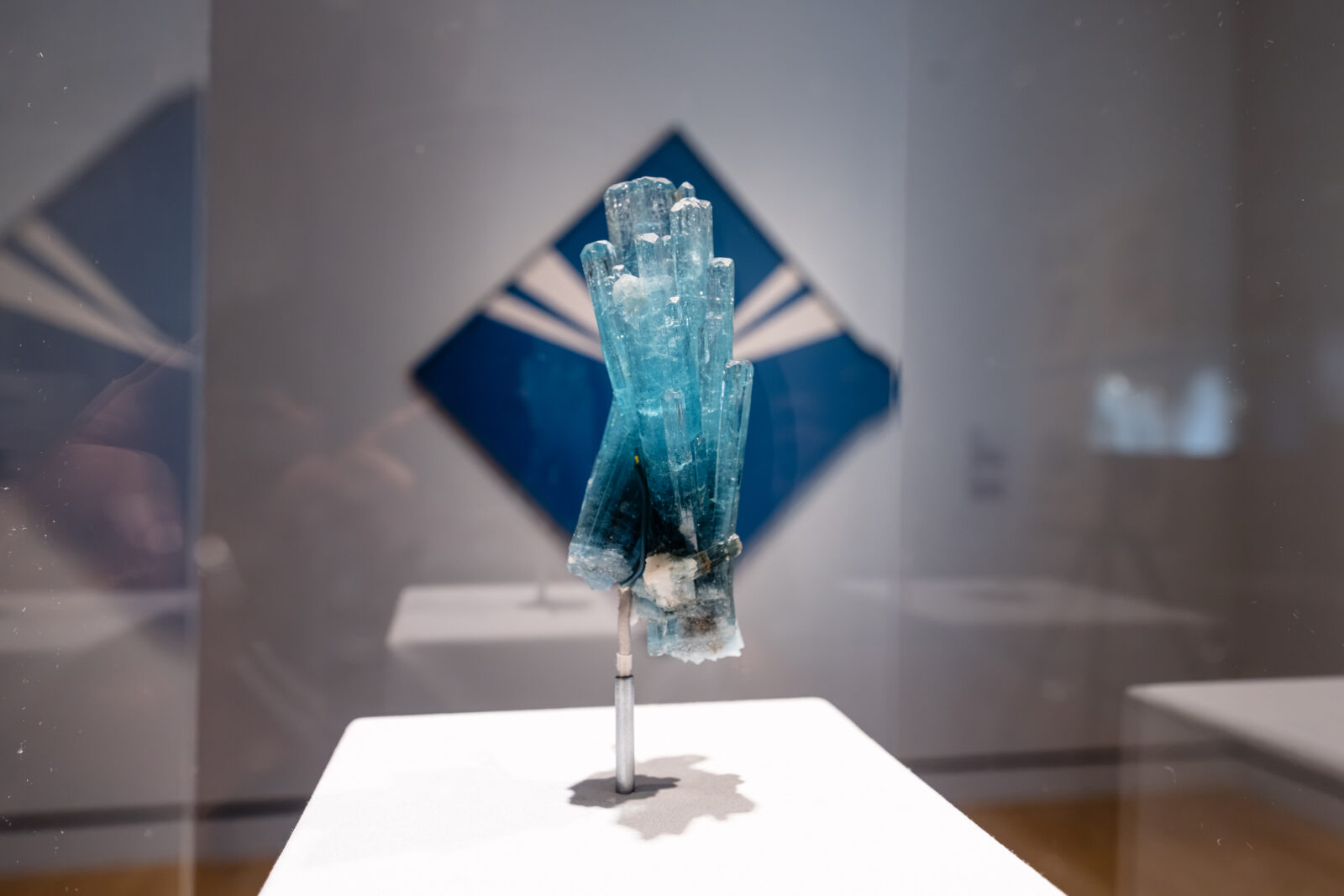
- Geometric Precision: Raw mineral specimens from the Crystal Bridges permanent collection—including deep blue iron-rich beryl and a towering four-inch quartz crystal—are presented in sharp conceptual contrast with Carmen Herrera’s 1965 abstract geometric painting, Cerulean, which cleverly transforms a familiar square into a diamond shape through precise cuts in spatial composition.
Official Statements and Curatorial Vision
The curatorial framework of Nature Adorned rests on breaking down traditional barriers between "fine art" and "decorative arts." By treating a Tiffany brooch with the exact same critical reverence as an oil painting by an Old Master or a modernist abstract piece, the museum encourages a holistic view of human creativity.
"The pairings across the Tiffany Archives and Crystal Bridges help us to see both collections in a new light," explains Jen Padgett, curator of the exhibition. "Comparing how artists draw inspiration from nature—whether depicting an orchid in a painting or transforming its form into a brooch—allows us to appreciate their ingenuity and imagination."
Furthermore, Padgett emphasizes the profound cultural significance of bringing these particular stones back to the region that birthed them. "Having the diamonds here allows us to highlight Arkansas’s natural resources," she notes, "and bring attention to the state’s unique place in the story of American gems."
Future Outlook and Cultural Impact
As cultural institutions increasingly seek interdisciplinary ways to engage visitors, Nature Adorned: The Artistry of Tiffany & Co. and the American Imagination serves as a masterclass in exhibition design. By bridging the gap between natural science, mineralogy, decorative arts, and canvas paintings, Crystal Bridges has created an accessible yet intellectually rigorous experience.
The temporary return of the 27.21-carat Arkansas Diamond acts as a powerful catalyst for tourism and regional pride, reminding residents and visitors alike of the extraordinary geological history lying just beneath the surface of the Natural State. As the exhibition runs through the winter months and into the spring of 2027, it invites a broad spectrum of audiences—from casual art lovers to serious gemological scholars—to reconsider the ways we collect, preserve, and find artistic inspiration in the natural world. Once the exhibition concludes and the historic stones make their journey back to the Tiffany Archives in New York, the cultural reverberations of this homecoming are expected to leave a lasting mark on Bentonville’s thriving arts community.

0 Comments