

By Lindsey Liles
October 9, 2026
Executive Overview
Long before modern mining techniques or industrialized luxury markets shaped the American landscape, subterranean volcanic activity some one hundred million years ago quietly deposited untold fortunes in carbon beneath the rolling topography of Arkansas. Today, that geological anomaly manifests as a rich cultural narrative, bridging the worlds of high jewelry, fine art, and natural history.
At the center of this cultural convergence is Nature Adorned: The Artistry of Tiffany & Co. and the American Imagination, a landmark exhibition running through March 29, 2027, at the Crystal Bridges Museum of American Art in Bentonville, Arkansas. The exhibition serves as a sweeping exploration of the intimate relationship between fine art and high jewelry, demonstrating how generations of master craftsmen and painters have looked to the natural world for inspiration.
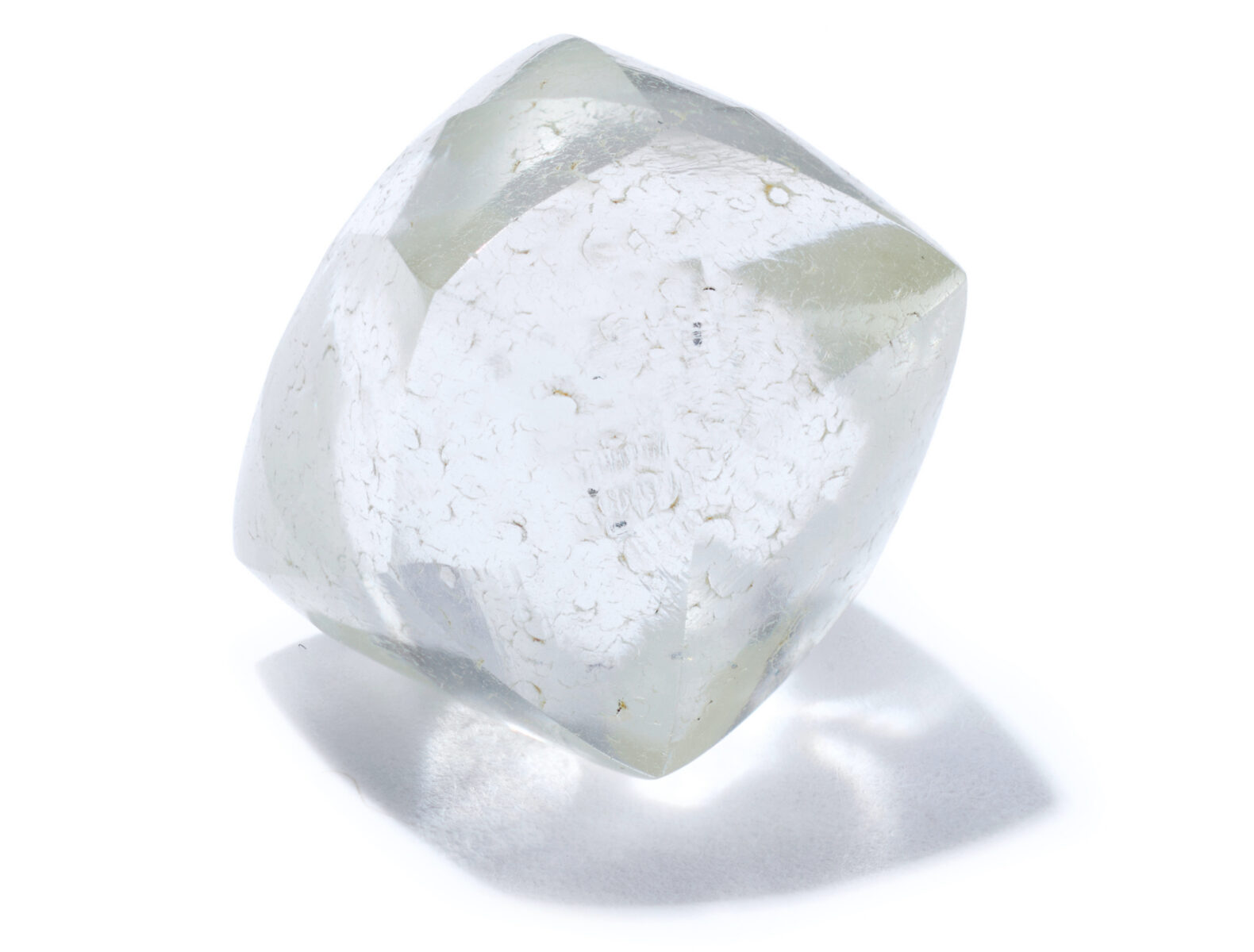
The crown jewel of this ambitious presentation is the legendary 27.21-carat Arkansas Diamond. Unearthed in Searcy, Arkansas, a century ago by an eleven-year-old girl, the historic stone has spent nearly its entire modern existence locked within the prestigious Tiffany Archives in New York City. Now, accompanied by two other notable diamonds discovered within the Natural State, the diamond has returned home. By pairing these extraordinary gems with iconic Tiffany masterpieces—such as George Paulding Farnham’s late-nineteenth-century tiger orchid brooch and Clara Driscoll’s seminal Wisteria Table Lamp—alongside paintings by Martin Johnson Heade, George Inness, and Carmen Herrera, Nature Adorned challenges visitors to rethink the boundaries where raw earth transitions into high art.
Detailed Chronology: From Volcanic Genesis to New York Archives and Back
To understand the weight and significance of the treasures now on display in Bentonville, one must trace a timeline spanning millions of years of geological formation, accidental discoveries, and corporate acquisition.
Geological Genesis (approx. 100 Million Years Ago)
During the Cretaceous period, a volatile volcanic occurrence deep within what is now Pike County, Arkansas, forced magma upward through a deep-seated pipe of peridotite. This geologic elevator transported diamonds from the Earth’s mantle toward the surface. Over millions of years, weathering and erosion exposed these carbon crystals, turning a localized pocket of the American South into one of the most unique diamond repositories on earth.
The Spark of Discovery (1906)
While the region’s diamonds had long slept undisturbed, the twentieth century marked a turning point. In 1906, an unsuspecting Arkansas farmer uncovers the first authenticated diamond in the state, sparking widespread public interest and transforming the region into an object of fascination for mineralogists and prospectors alike.
The Discovery of the Arkansas Diamond (1926)
Twenty years after the initial discovery, serendipity struck again. In Searcy, Arkansas, an eleven-year-old girl made the discovery of a lifetime, unearthing a staggering 27.21-carat rough diamond. Weighing in as one of the largest gem-quality stones ever discovered within the borders of the United States, the stone immediately commanded national attention. Recognizing its historical and intrinsic value, the iconic American luxury house Tiffany & Co. acquired the stone. Since that time, the "Arkansas Diamond" has remained safely enshrined within the Tiffany Archives in New York City, serving as a quiet testament to America’s hidden mineral wealth.
The Contemporary Homecoming (October 2026)
One century after its historic discovery, the 27.21-carat Arkansas Diamond leaves the security of Manhattan to travel back to its home state. Debuting this week at the Crystal Bridges Museum of American Art, the gem anchors Nature Adorned, serving as a tangible link between the earth that bore it and the artistic traditions it helped inspire. The exhibition remains open to the public through March 29, 2027.

Supporting Context & Metrics: The Intersection of Geology and Art
The premise of Nature Adorned relies on an intellectual and aesthetic dialogue between disparate mediums. Curator Jen Padgett and her team at Crystal Bridges have deliberately paired delicate botanical and zoological illustrations with three-dimensional wearable art and raw mineral specimens.
The Mechanics of Inspiration
The exhibition asks viewers to consider how artists and designers interpret identical organic forms through radically different materials. For example:
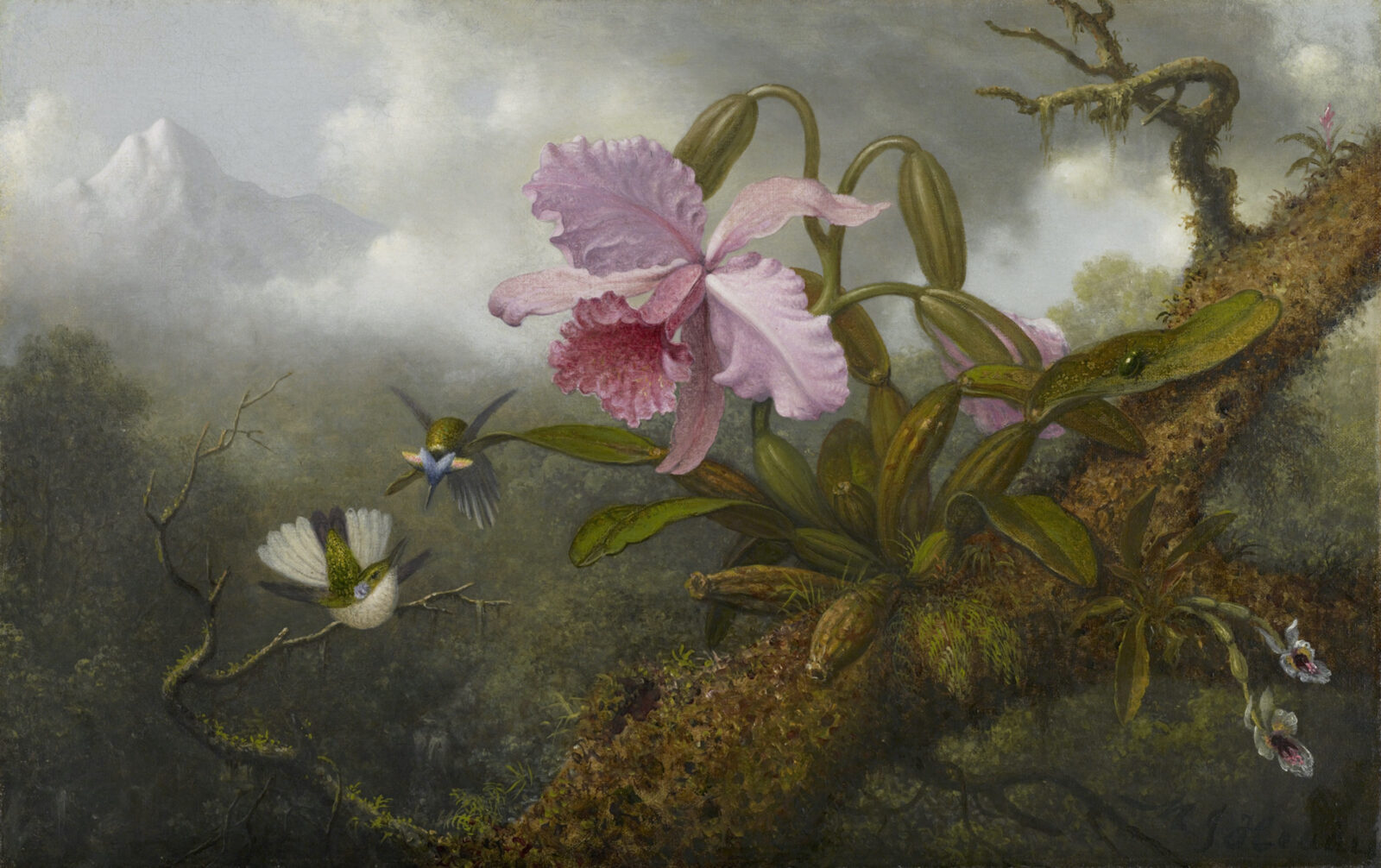
- The Orchid Motif: George Paulding Farnham’s late-nineteenth-century tiger orchid brooch—constructed for Tiffany & Co. using sterling silver, brilliant-cut diamonds, emeralds, pink sapphires, and vitreous enamel—is displayed in direct conversation with Martin Johnson Heade’s romantic canvas, Cattleya Orchid, Two Hummingbirds and a Beetle. Both works capture the haunting, exotic beauty of the orchid, yet one translates the flora into cold metal and fire-born stones, while the other captures its ephemeral grace with oil on canvas.
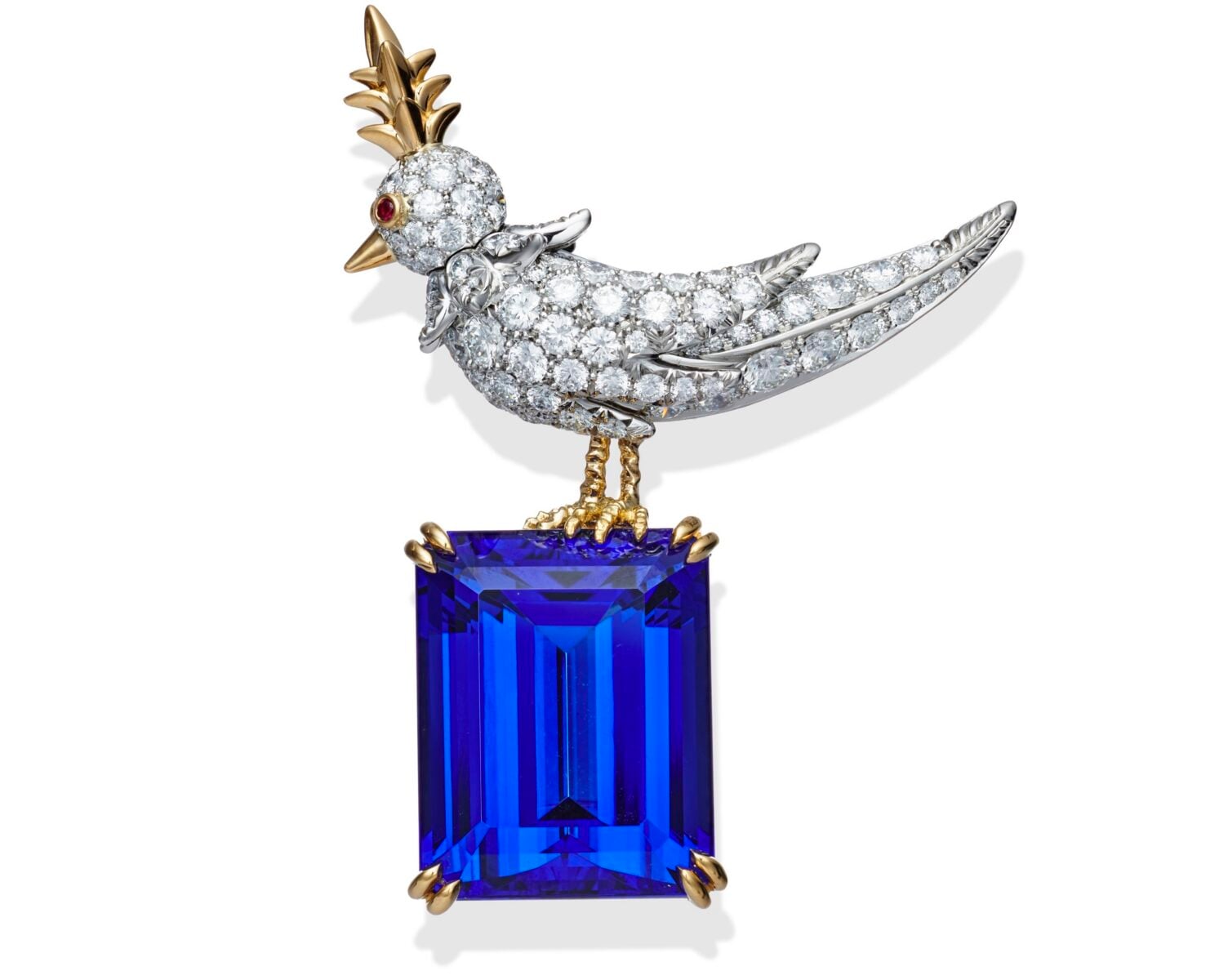
- Organic Form and Modern Abstraction: Jean Schlumberger’s whimsical Bird on a Rock brooch for Tiffany highlights the designer’s playful integration of organic textures and gemstones. Nearby, Hope Gangloff’s contemporary figurative painting, Queen Jane Approximately, explores organic human form and modern interiority, bridging the gap between historical decorative arts and contemporary expression.
- The Play of Light: Clara Driscoll, who led the legendary "Tiffany Girls" glass-cutting department at Tiffany Studios, engineered the iconic Wisteria Table Lamp (circa 1905–1906) to mimic the cascading, dappled light of a natural wisteria arbor. This masterwork of the Art Nouveau movement is showcased alongside George Inness’s 1867 landscape painting, Sunset on a River, exploring how both creators sought to capture transient atmospheric light using completely different material palettes—leaded favrile glass versus oil pigments.
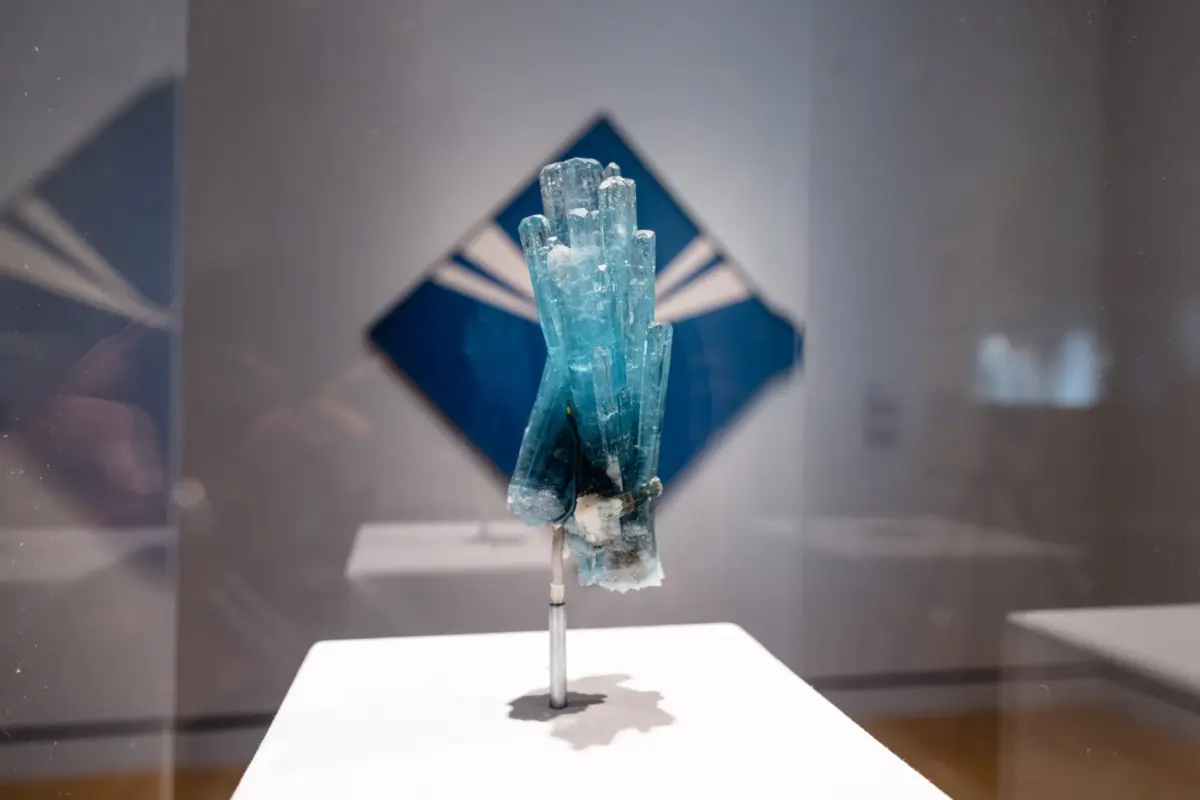
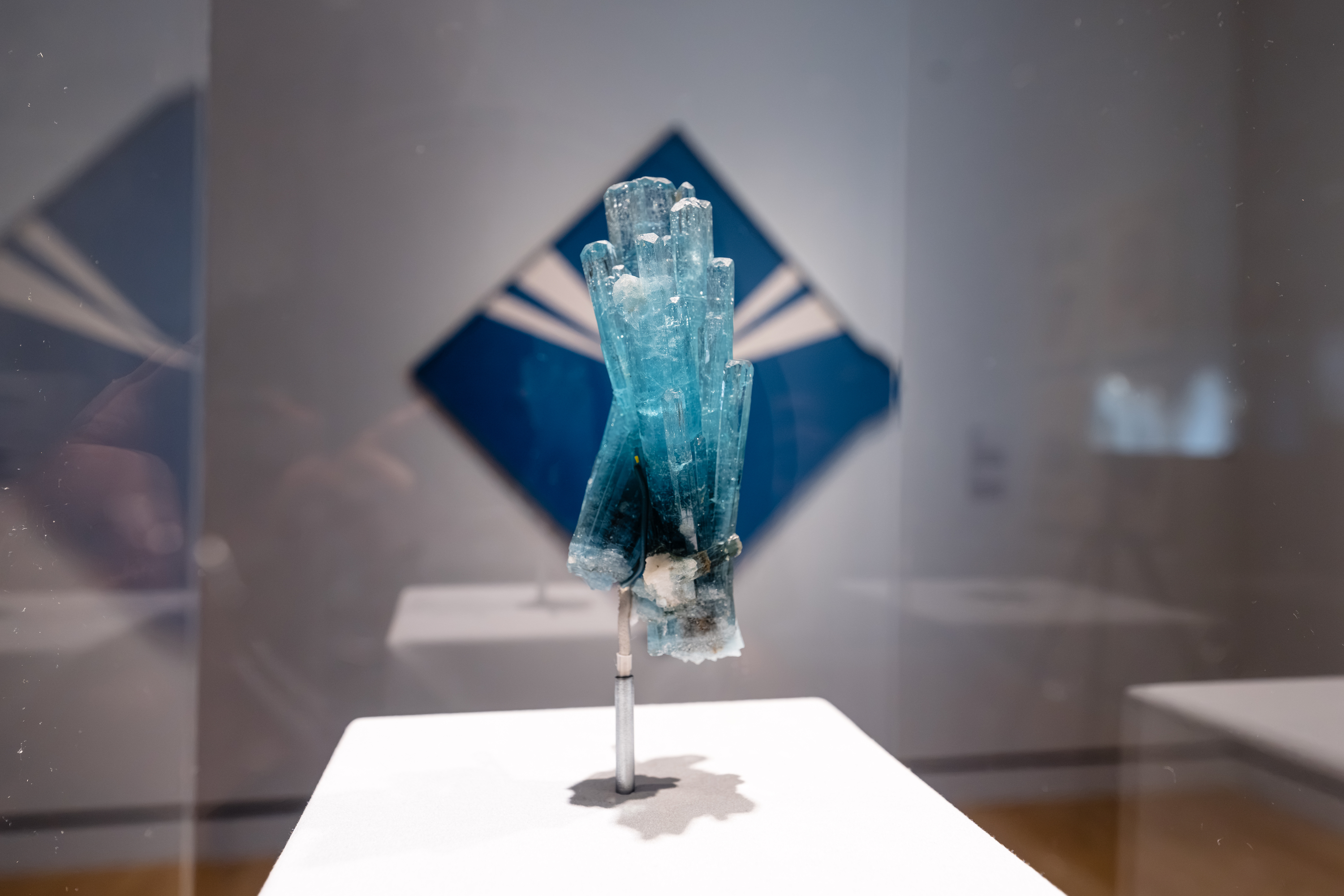
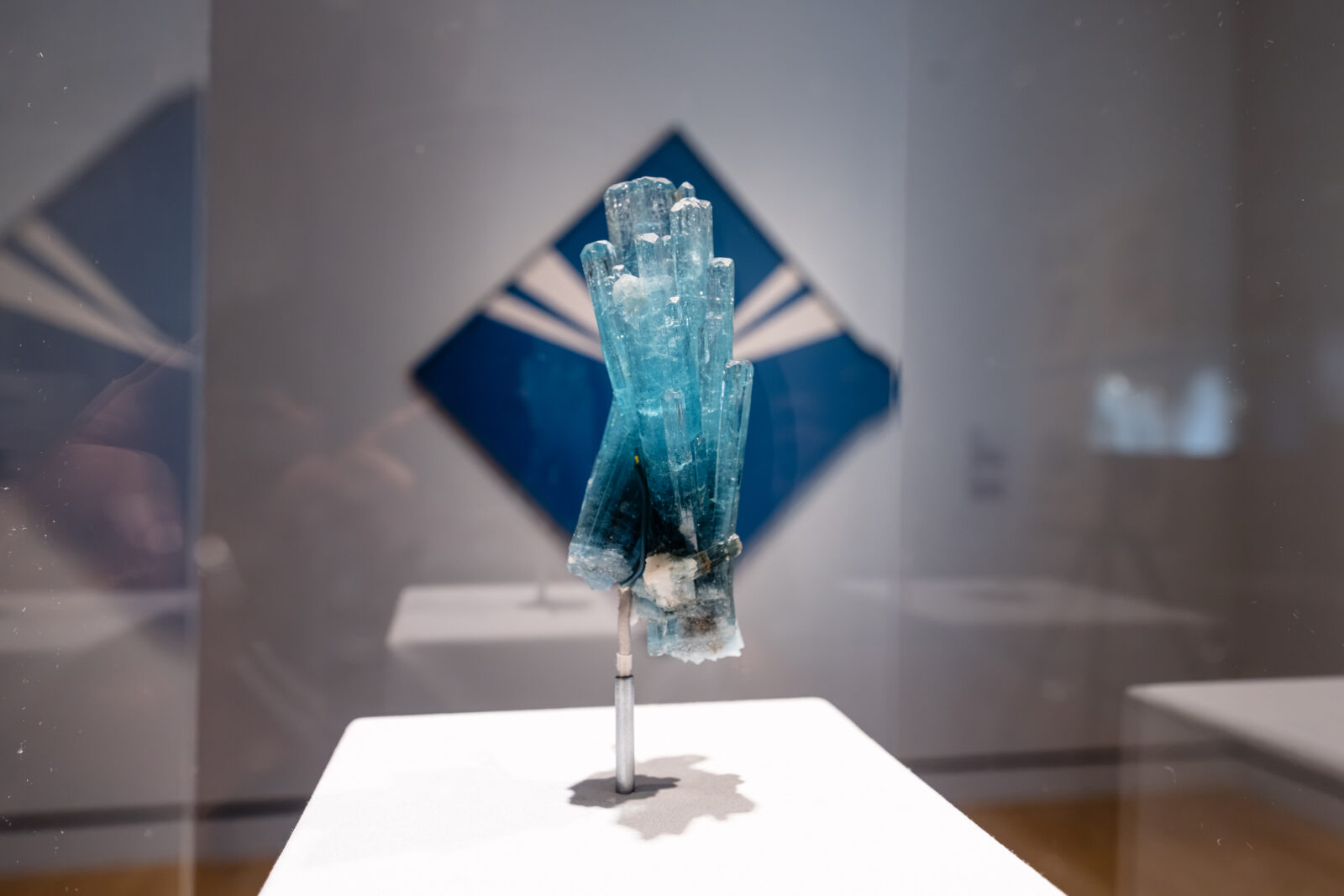
- Geometry and Space: Moving beyond traditional floral motifs, the exhibition also incorporates Carmen Herrera’s striking 1965 abstract work, Cerulean. The painting transforms a familiar geometric square into a dynamic diamond shape through precise cuts in space, providing a sharp, modern counterpoint to the raw beryl and quartz crystal minerals extracted from the earth and housed within Crystal Bridges’ permanent collection.
Arkansas: America’s Unique Diamond Frontier
The inclusion of the Arkansas Diamond and two other state-discovered stones underscores Arkansas’s singular status within North American geology. Unlike commercial diamond mines in South Africa, Russia, or Canada—which are heavily guarded industrial operations closed to the public—Arkansas is home to Crater of Diamonds State Park in Murfreesboro.
It remains the only place in the United States where amateur prospectors can search a verified diamond-bearing site, unearth genuine stones, and legally keep whatever they find. By bringing these stones into an art museum context, Crystal Bridges elevates local geology into the upper echelons of cultural heritage.
Official Statements and Curatorial Perspectives
The significance of uniting these collections extends far beyond aesthetic appreciation; it touches upon regional pride, historical reclamation, and institutional collaboration.
"The pairings across the Tiffany Archives and Crystal Bridges help us to see both collections in a new light," explains Jen Padgett, curator of Nature Adorned. "Comparing how artists draw inspiration from nature—whether depicting an orchid in a painting or transforming its form into a brooch—allows us to appreciate their ingenuity and imagination."
Padgett emphasizes that the physical presence of the diamonds within the galleries serves a dual purpose for the institution and its visitors.
"Having the diamonds here allows us to highlight Arkansas’s natural resources," Padgett notes, "and bring attention to the state’s unique place in the story of American gems."
For a museum founded with the explicit mission of celebrating the American spirit through art, welcoming home a treasure unearthed by a young girl in Searcy a century ago represents a profound alignment of mission and material. It bridges the gap between high society luxury in Gilded Age New York and the rugged, natural frontier of the American South.
Future Outlook
As Nature Adorned: The Artistry of Tiffany & Co. and the American Imagination welcomes its first waves of visitors to Bentonville, its impact is expected to resonate well beyond its March 29, 2027 closing date.
The exhibition signals a broader trend within major cultural institutions: breaking down the traditional silos that separate fine art (paintings and sculpture) from decorative arts (jewelry, glass, and mineralogy). By presenting Jean Schlumberger brooches, Tiffany lamps, and raw beryl crystals alongside canvases by heavyweights like George Inness and Carmen Herrera, Crystal Bridges establishes a holistic view of American creativity.
For Arkansas, the exhibition cements the state’s dual legacy as both a cradle of wilderness and an unexpected contributor to the history of global luxury. When the 27.21-carat Arkansas Diamond eventually returns to the quiet vaults of the Tiffany Archives in New York City next spring, it will do so with a renewed narrative—having stepped out of the shadows of corporate history and back into the vibrant, living landscape of the American South that first gave it birth.

0 Comments