Long before the polished glass façades of Fifth Avenue defined American luxury, subterranean forces were at work deep beneath the soil of Arkansas. Roughly 100 million years ago, a violent volcanic upheaval forced ancient mantle materials to the surface, depositing a wealth of carbon crystals across what would eventually become the "Natural State."
Today, that geological legacy is taking center stage at the Crystal Bridges Museum of American Art in Bentonville, Arkansas. In an exhibition titled Nature Adorned: The Artistry of Tiffany & Co. and the American Imagination, the state’s most famous subterranean export has returned home.
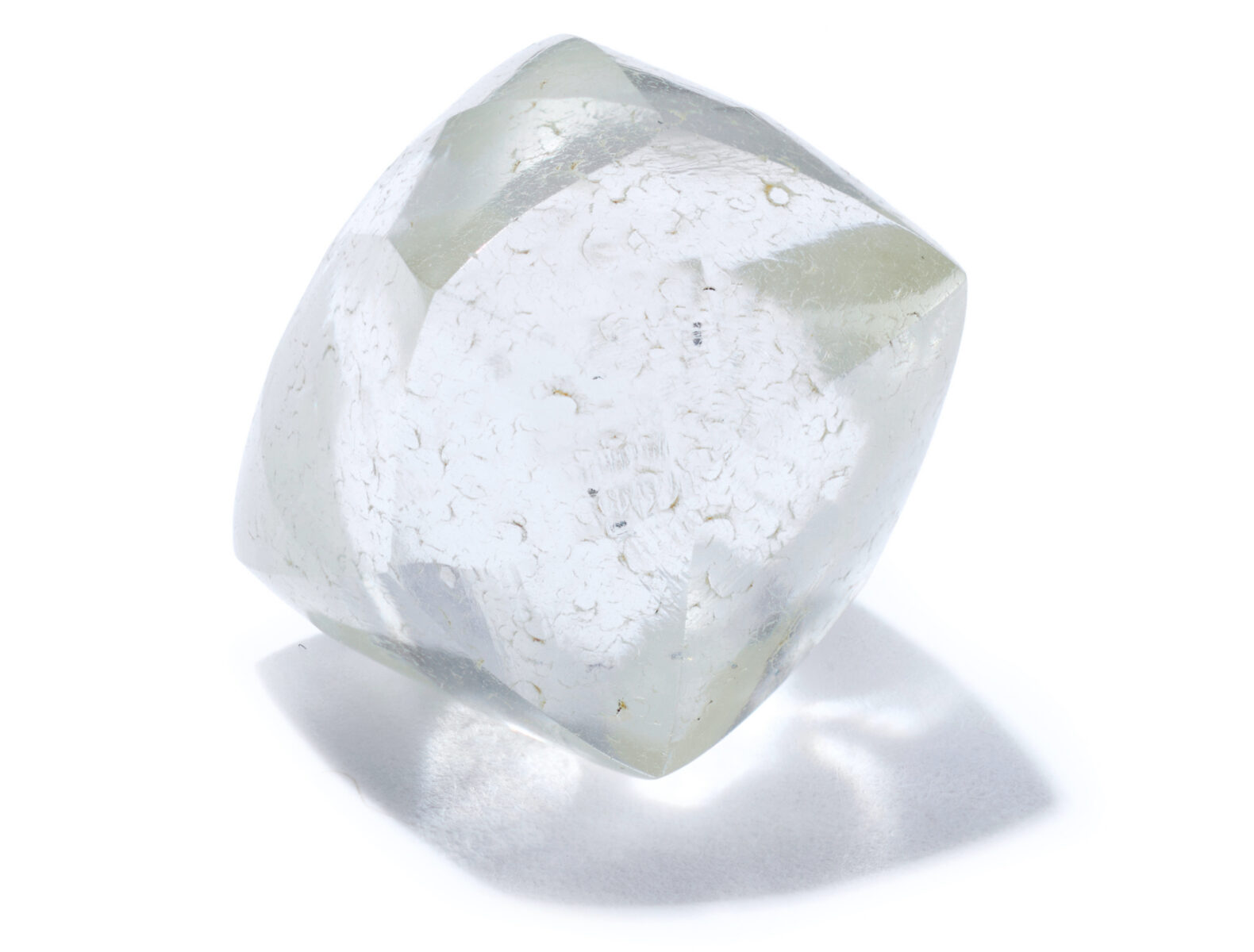
At the heart of the exhibition sits the Arkansas Diamond—an awe-inspiring, 27.21-carat rough stone discovered by an eleven-year-old girl in Searcy, Arkansas, a century ago. Purchased swiftly by Tiffany & Co. and stowed away in the brand’s private New York City archives ever since, the massive gemstone has finally made its historic return. Paired with two other notable diamonds unearthed at Arkansas’s famous Crater of Diamonds State Park, the stone anchors a sweeping, multi-disciplinary exploration of how the natural world has inspired generations of fine artists, master jewelers, and visionary designers.
Running through March 29, 2027, Nature Adorned breaks new curatorial ground by placing historical Tiffany & Co. masterworks—including rare brooches, lamps, and archival pieces—in direct conversation with American paintings, sculptures, and raw mineral specimens from Crystal Bridges’ permanent collection.
Detailed Chronology: From Volcanic Genesis to Archival Homecoming
To understand the magnitude of the Crystal Bridges exhibition, one must trace the timeline of the gems themselves—a journey spanning deep geological history, accidental discovery, and high-fashion acquisitions.
1. The Geological Catalyst (Circa 100 Million Years Ago)
Long before human settlement, a volcanic diatreme (specifically a lamproite pipe) erupted in southwestern Arkansas. This geological event brought diamond-bearing peridotite magma from the Earth’s mantle up to the surface. Over millions of years, erosion weathered these volcanic deposits, scattering diamonds across the region and creating a unique geological anomaly.
2. The First Discovery (June 1906)
Arkansas’s sparkling history broke into the modern era quite by accident. In June 1906, an unsuspecting farmer named John Huddlestone found two unusual, shiny stones on his property near Murfreesboro, Arkansas. Recognizing that they were unlike ordinary river rocks, he sent them to experts for evaluation. They were verified as genuine diamonds. This discovery sparked a localized diamond rush and transformed the property into what is now the Crater of Diamonds State Park—the only place on Earth where amateur prospectors can search for real diamonds and legally keep whatever they find.
3. The Legend of the 27.21-Carat Arkansas Diamond (1926)
Twenty years after Huddlestone’s discovery, Arkansas yielded an even more astonishing treasure. In Searcy, an eleven-year-old girl stumbled upon a crystal that weighed a staggering 27.21 carats. To this day, it remains one of the largest gem-quality diamonds ever discovered within the borders of the United States. Recognizing its historic and aesthetic significance, Tiffany & Co. acquired the stone. For the past century, the Arkansas Diamond has resided securely within the Tiffany Archives in New York City, rarely seen by the public and entirely detached from the landscape that birthed it.
4. The Return to Bentonville (October 2026)
One hundred years after its discovery, the 27.21-carat stone has made a triumphant homecoming. Transported from the Tiffany Archives in Manhattan to Crystal Bridges Museum of American Art in Bentonville, the diamond serves as the centerpiece of Nature Adorned. It is exhibited alongside two other major diamonds found at the Crater of Diamonds State Park, uniting raw American earth with the pinnacle of high-end design.
Supporting Context & Metrics: The Intersection of Art, Nature, and Gemology
Curated by Jen Padgett, Nature Adorned is not merely a display of expensive trinkets; it is a meticulously constructed dialogue between two distinct creative traditions: the fine arts and decorative jewelry design.
Bridging Two Collections
The exhibition juxtaposes pieces from the legendary Tiffany Archives with paintings and sculptures from Crystal Bridges’ renowned American art collection. According to the curatorial team, this cross-institutional pairing encourages viewers to reconsider familiar mediums.
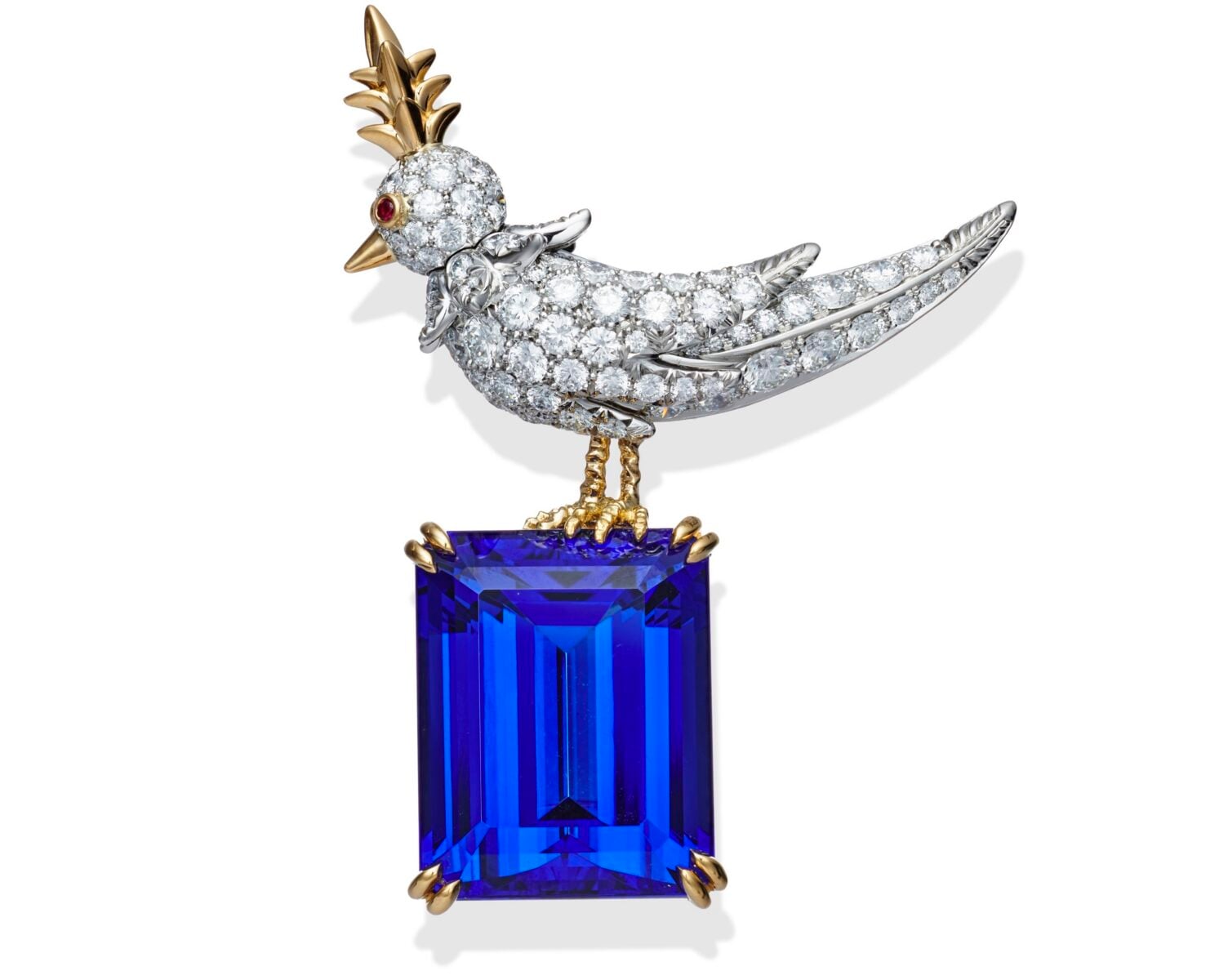
Organic Forms in Paint and Metal: The exhibition highlights French designer Jean Schlumberger’s famous Bird on a Rock brooch for Tiffany. Placed in visual dialogue with Hope Gangloff’s contemporary figurative painting Queen Jane Approximately, the pairing demonstrates how both painters and jewelers bend organic, fluid forms into artistic statements.
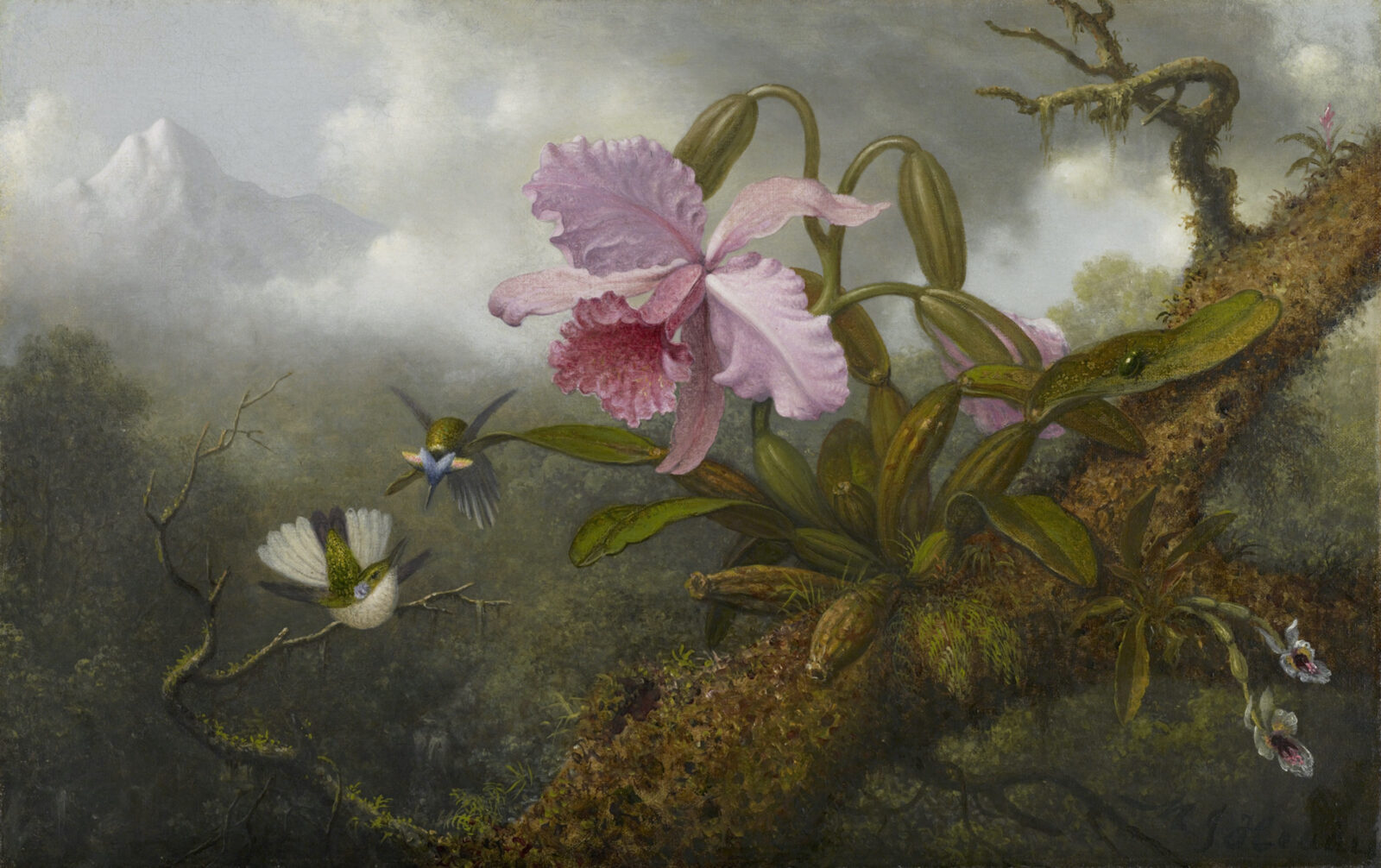
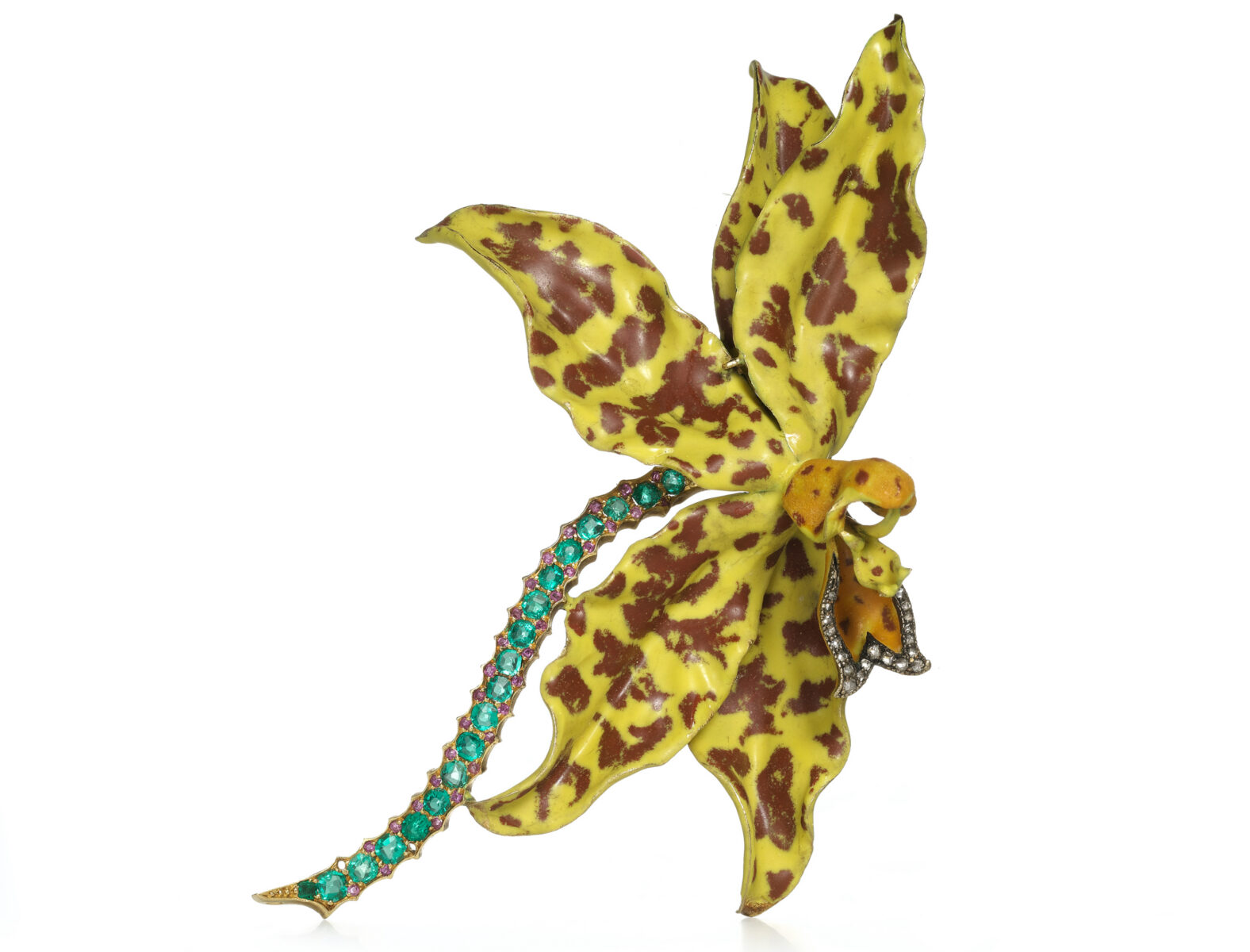
The Botanical Obsession of the Late 1800s: George Paulding Farnham’s stunning late-19th-century Tiger Orchid Brooch—crafted from sterling silver, diamonds, emeralds, pink sapphires, and enamel—is displayed alongside Martin Johnson Heade’s romantic 19th-century oil painting, Cattleya Orchid, Two Hummingbirds and a Beetle. Both works reflect a Victorian-era obsession with exotic flora and fauna, illustrating how artisans across different mediums sought to capture the fleeting vibrancy of the natural world.
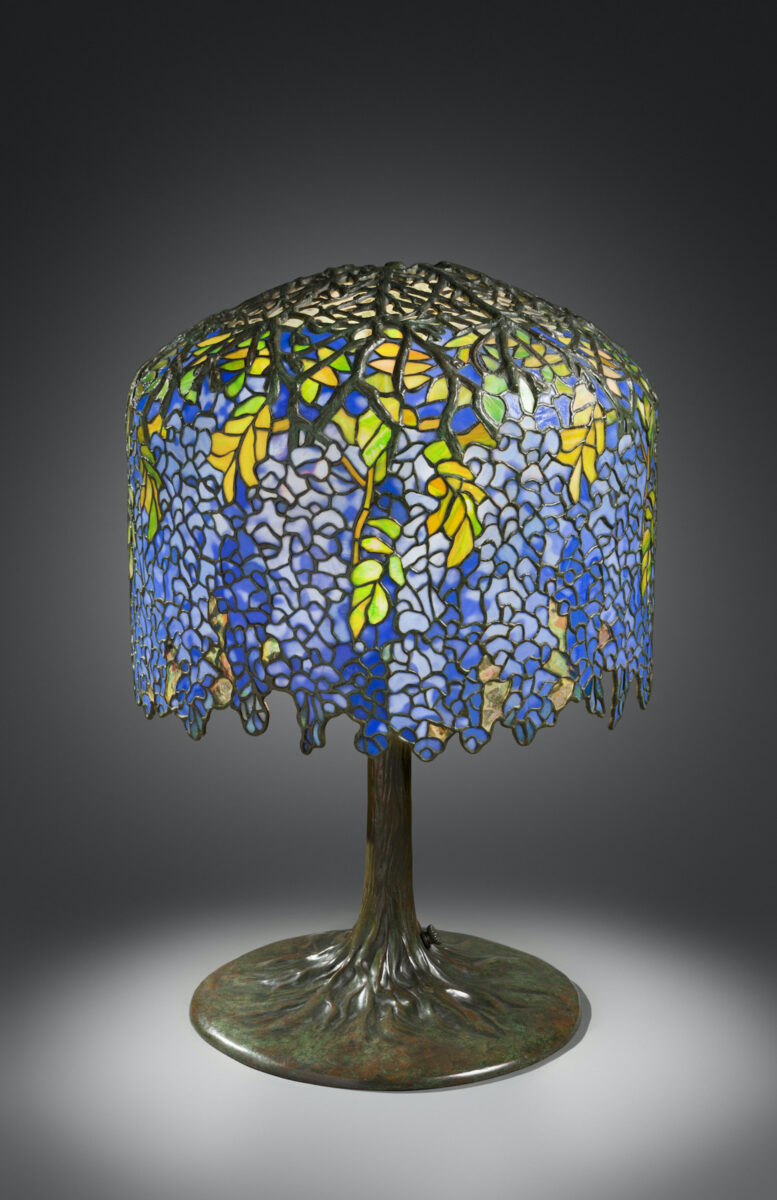
The Industrial Art Nouveau of Clara Driscoll: The exhibition also celebrates the contributions of women to the decorative arts. The famed Wisteria Table Lamp (circa 1905–1906), designed by Clara Driscoll while she led the pioneering "Tiffany Girls" glass-cutting department at Tiffany Studios, is paired with George Inness’s 1867 landscape painting Sunset on a River. Both works explore the manipulation of light through color, texture, and natural imagery.
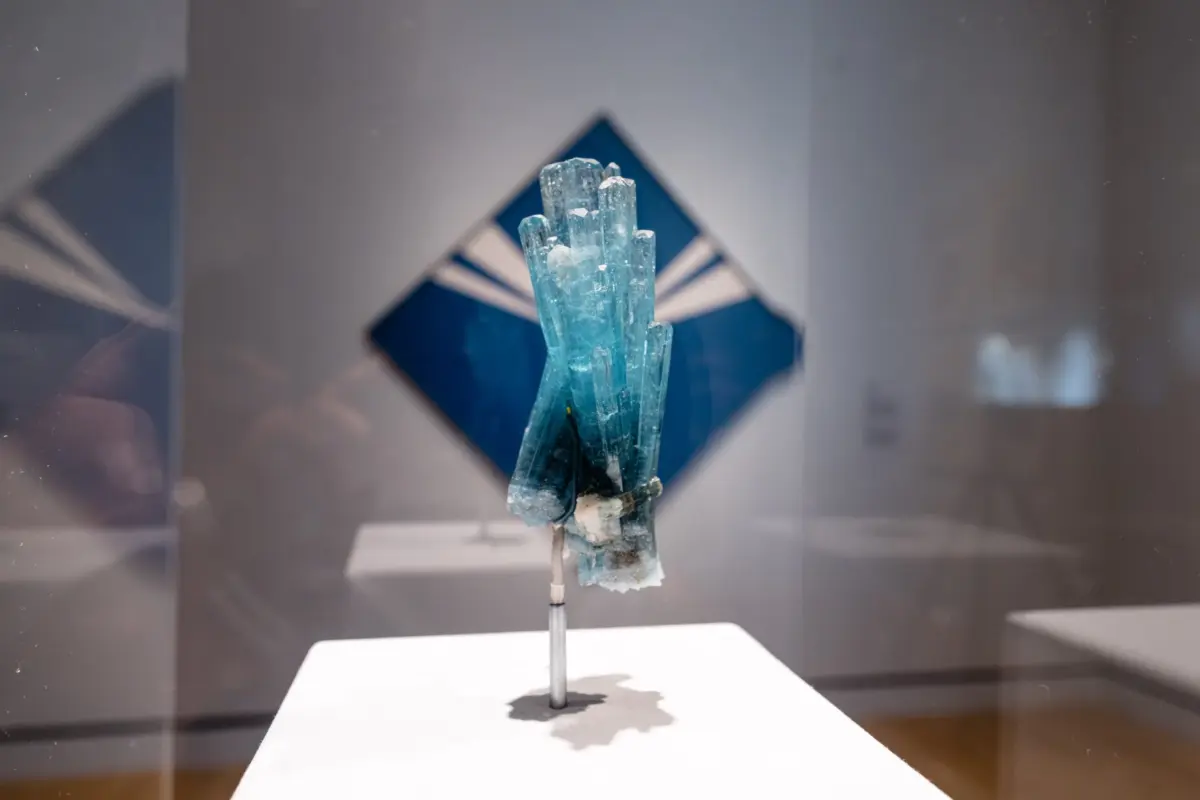
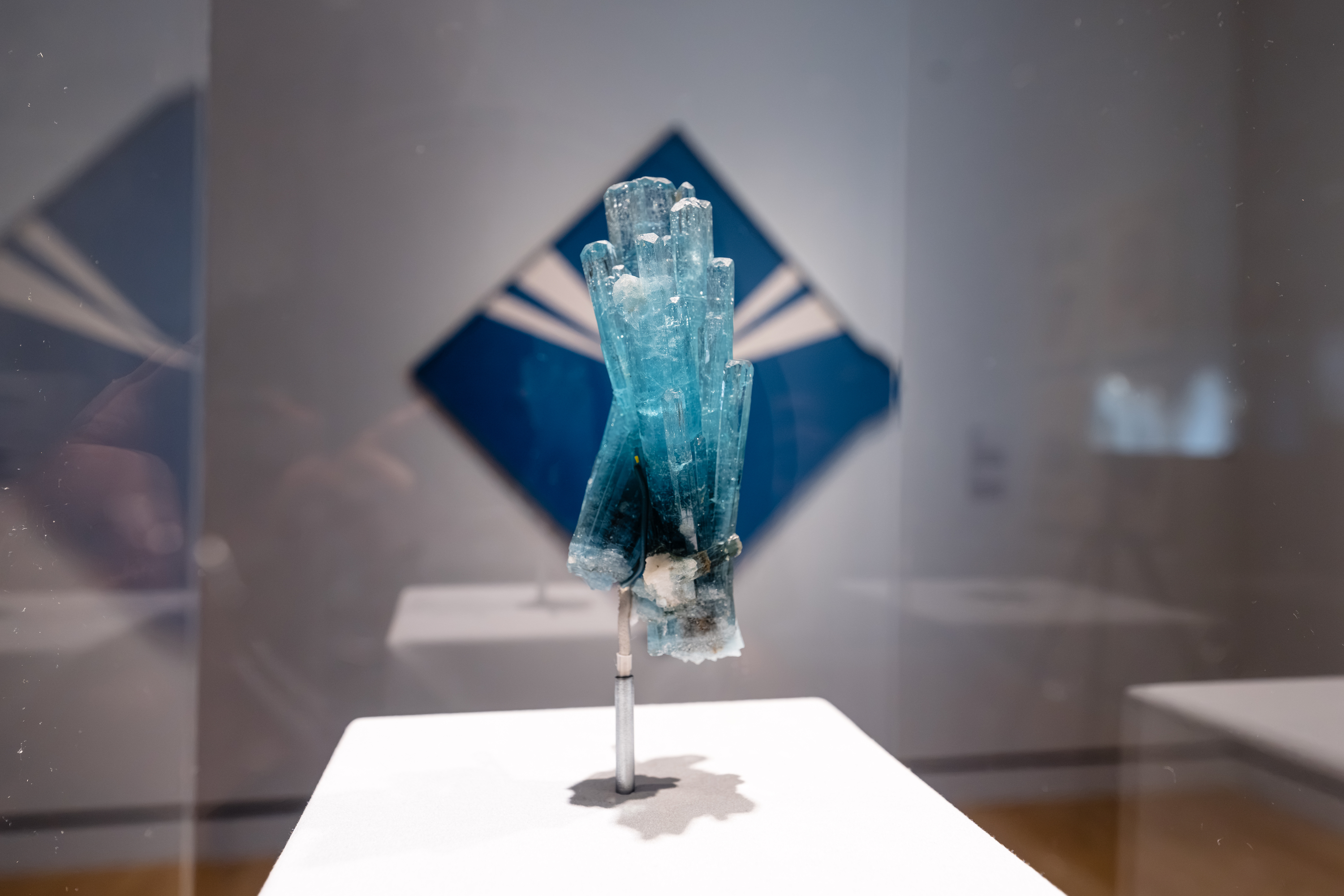
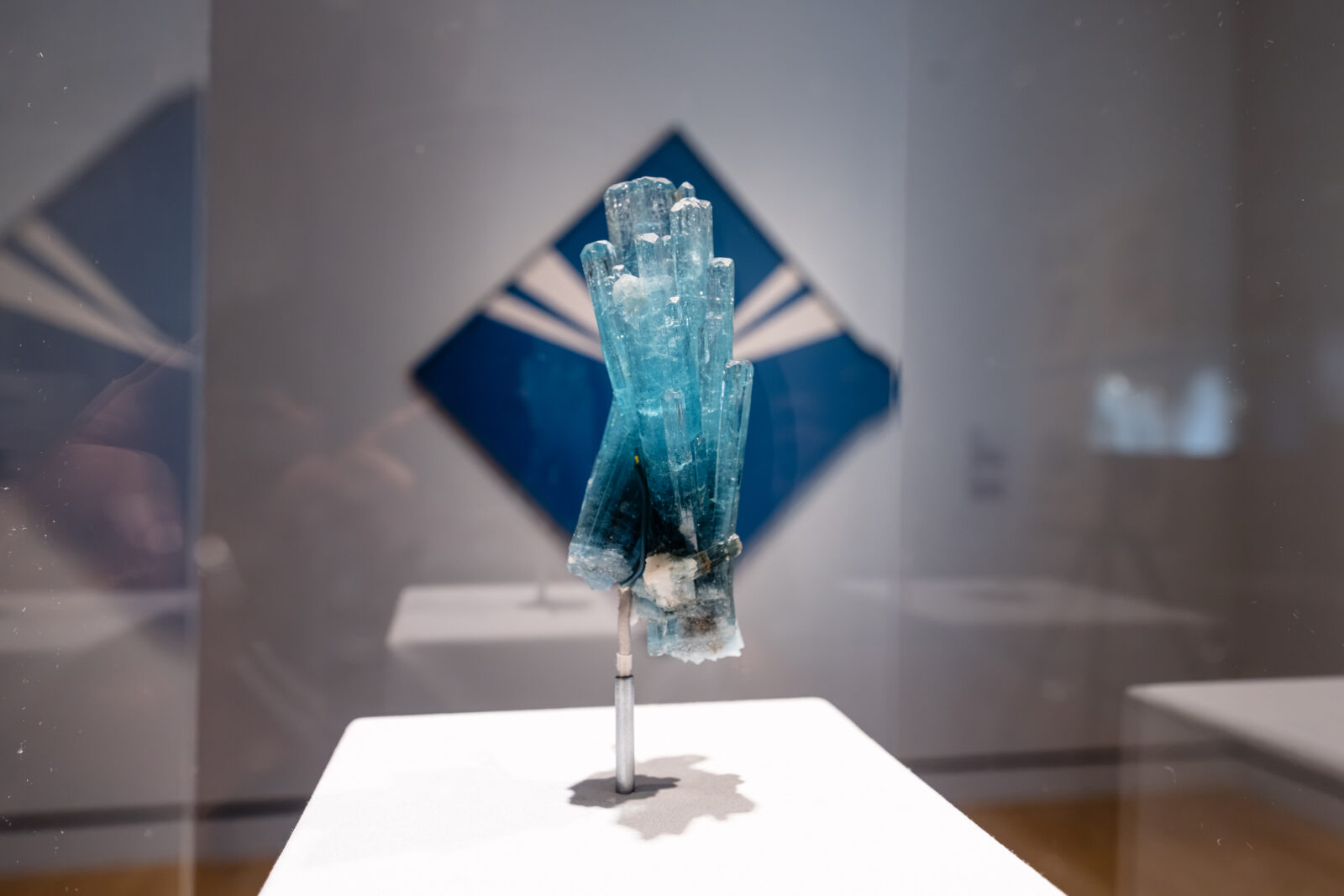
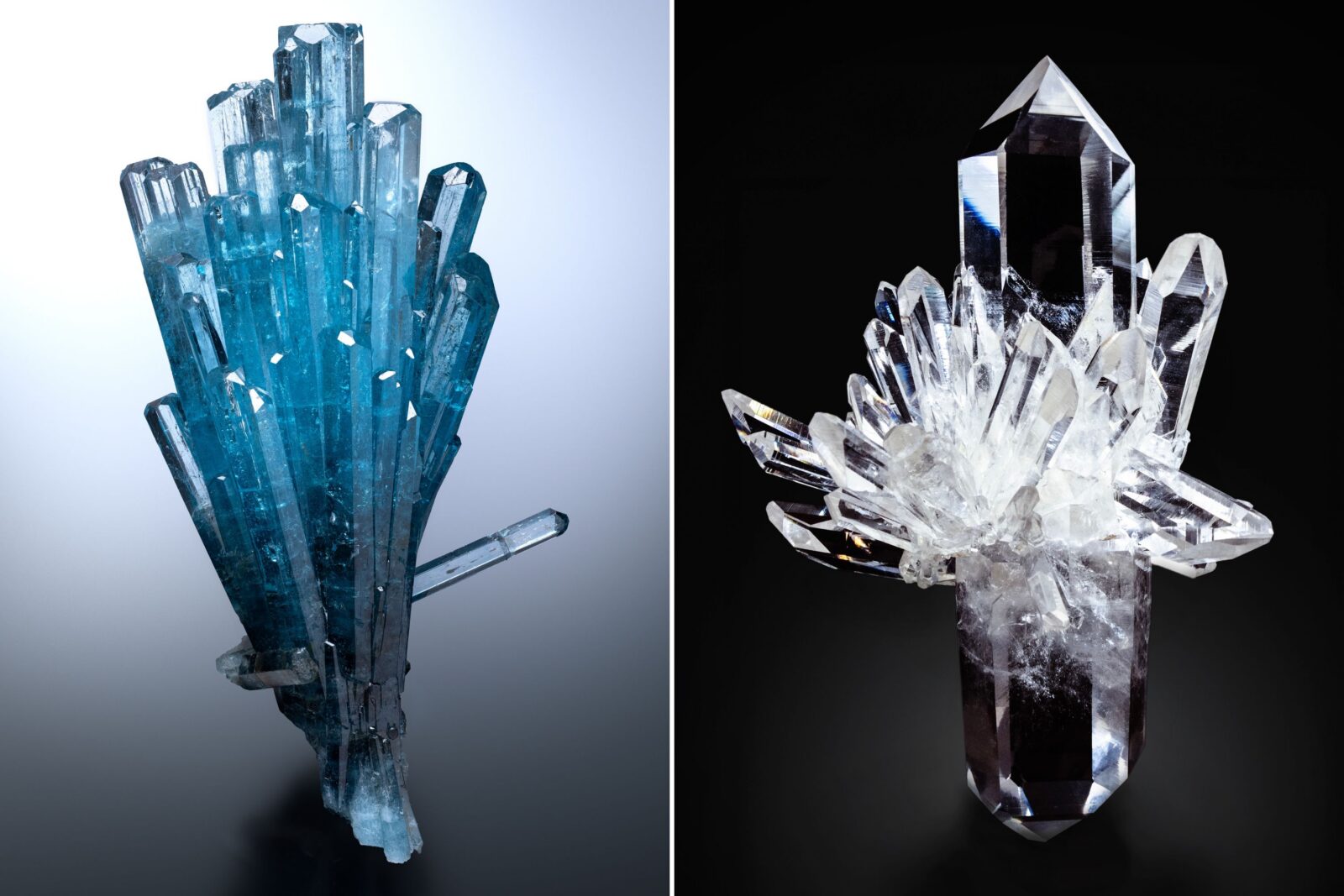
Mineralogy Meets Modern Abstraction: Raw geological specimens from the Crystal Bridges collection—such as a deep blue beryl (colored by trace amounts of iron) and a towering four-inch quartz crystal—are set against Carmen Herrera’s geometric 1965 abstract painting, Cerulean. Herrera’s work plays with spatial perception, transforming a familiar square shape into a diamond through sharp cuts in space, echoing the angular perfection of cut gems.
Key Exhibition Metrics
Exhibition Run: October 2026 through March 29, 2027.
Location: Crystal Bridges Museum of American Art, Bentonville, Arkansas.
Star Artifact: The 27.21-carat Arkansas Diamond (on loan from the Tiffany Archives in New York City).
Core Theme: The exploration of the relationship between fine art, decorative jewelry, and the natural world.
Official Statements & Curator Insights
The significance of bringing these archival treasures to the American South extends far beyond aesthetic appreciation. It represents a rare opportunity to honor regional natural history through a world-class cultural lens.
Jen Padgett, curator of Nature Adorned, emphasizes the profound educational and cultural impact of the exhibition:
"The pairings across the Tiffany Archives and Crystal Bridges help us to see both collections in a new light. Comparing how artists draw inspiration from nature—whether depicting an orchid in a painting or transforming its form into a brooch—allows us to appreciate their ingenuity and imagination."
Padgett further underscores the local resonance of the display:
"Having the diamonds here allows us to highlight Arkansas’s natural resources, and bring attention to the state’s unique place in the story of American gems. The Arkansas Diamond is a centerpiece in the show, alongside two notable diamonds found at Crater of Diamonds State Park."
By bringing the legendary 27.21-carat stone back to its home state, Crystal Bridges has successfully bridged the gap between local heritage and global luxury, reminding audiences that the raw materials of high art often begin beneath our very feet.
Future Outlook: A Legacy Set in Stone
As Nature Adorned: The Artistry of Tiffany & Co. and the American Imagination welcomes visitors through the winter and into the spring of 2027, its cultural footprint is expected to resonate well beyond its closing date.
The exhibition sets a new precedent for regional art museums, demonstrating how smaller, non-coastal institutions can leverage prestigious national partnerships—such as collaborations with the Tiffany Archives—to reframe local history on a global scale. By connecting the volcanic origins of the Natural State to the refined ateliers of New York City and the cutting-edge galleries of Bentonville, Crystal Bridges has woven a rich narrative of American ingenuity.
For the thousands of amateur prospectors who continue to scour the plowed soil at Crater of Diamonds State Park each year, the exhibition offers a powerful reminder: the rough, unassuming stone tucked into the mud today just might be the legendary masterpiece of tomorrow. Nature Adorned remains on view at the Crystal Bridges Museum of American Art through March 29, 2027.




0 Comments