By Investigative Cultural Desk Published: October 2026
Executive Overview
For over a century, the glittering narrative of American gemology has been inextricably linked to the volcanic soils of Arkansas. Now, a momentous homecoming is capturing the attention of the art and luxury worlds alike. At the heart of Bentonville, the Crystal Bridges Museum of American Art has launched its most ambitious exploration of fine art, natural history, and design to date: “Nature Adorned: The Artistry of Tiffany & Co. and the American Imagination.”
Running through March 29, 2027, the blockbuster exhibition serves as a profound meditation on humanity’s enduring dialogue with the natural world. By juxtaposing the legendary archives of Tiffany & Co. with monumental works of American painting, contemporary abstract canvases, and raw mineral specimens, the museum has forged an unprecedented visual vocabulary.
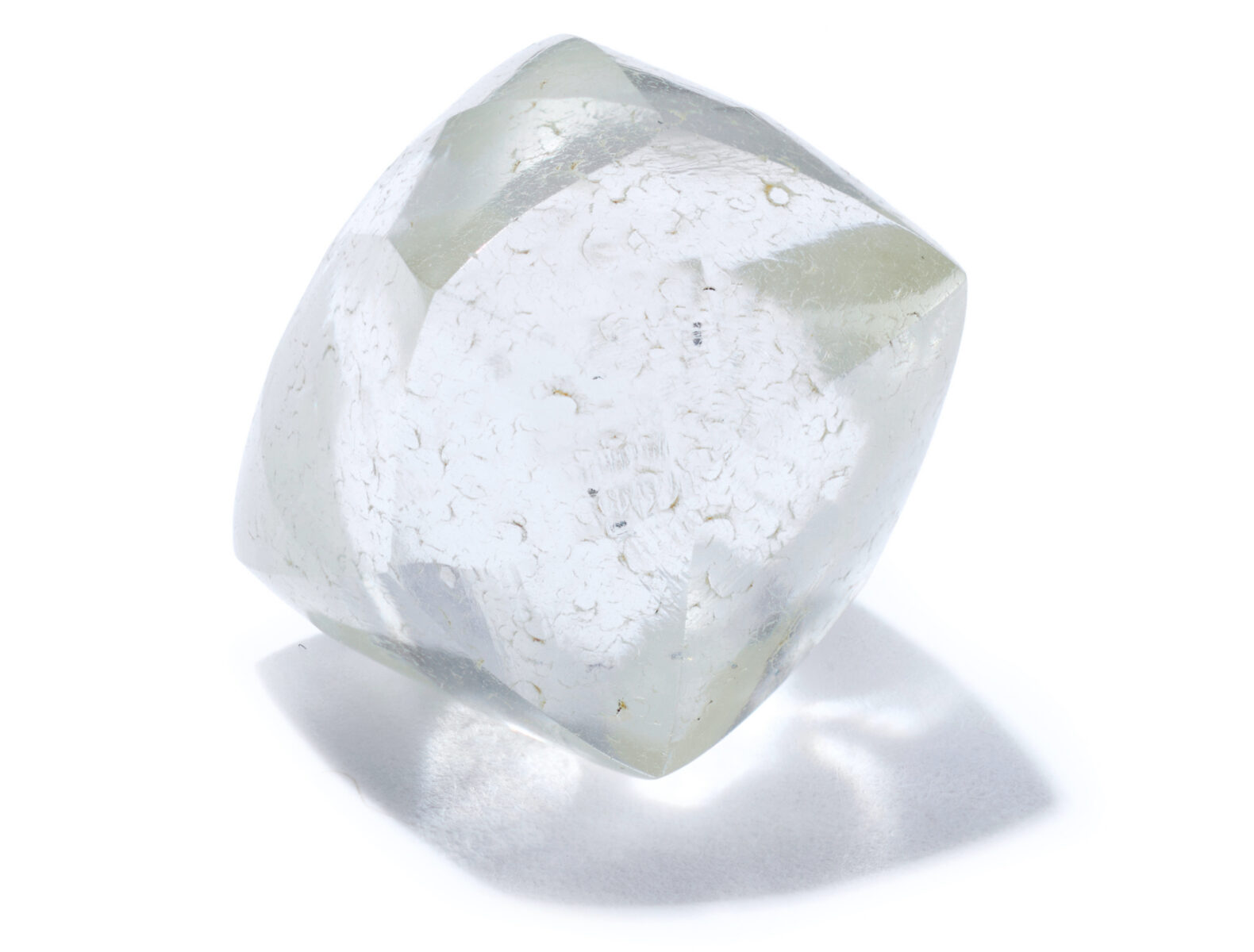
Yet, the undeniable heartbeat of the exhibition is the rare return of the historic "Arkansas Diamond." Discovered a century ago by an eleven-year-old girl in Searcy, Arkansas, and subsequently whisked away to the elite vaults of the Tiffany Archives in New York City, this 27.21-carat masterpiece has finally made its triumphant return to the Natural State. Joined by two other exceptional diamonds unearthed in Arkansas, the stone anchors an exhibition that challenges viewers to reconsider the porous boundaries between fine art, decorative luxury, and the raw, unpolished earth.
Detailed Chronology: From Volcanic Upheaval to Museum Halls
To fully appreciate the gravity of the Nature Adorned exhibition, one must trace a geological and historical timeline that spans over one hundred million years.
The Prehistoric Genesis (~100 Million Years Ago)
Long before human hands ever brushed against the soil of the American South, subterranean violence shaped the topography of what would become Arkansas. Deep within the earth, a volatile volcanic intrusion forced molten rock upward through the Earth’s crust, carrying with it an untold multitude of carbon crystals from the upper mantle. This rare geological event established the Murfreesboro region as the only place in North America where diamond-bearing kimberlite pipes would emerge directly at the surface.
The 20th-Century Discoveries (1906–1926)
The modern history of American diamonds began quietly. In 1906, an unsuspecting farmer tilling his Arkansas land uncovered the state’s very first authenticated diamond, triggering a wave of localized prospector fever. Exactly two decades later, in 1926, an eleven-year-old girl in Searcy, Arkansas, made a discovery that would alter the state’s gemological legacy forever. Unearthing a staggering 27.21-carat rough diamond, she brought to light one of the largest gem-quality stones ever found within the borders of the United States. Recognizing its extraordinary pedigree, luxury titan Tiffany & Co. swiftly acquired the gemstone. For the next century, the "Arkansas Diamond" remained safely ensconced within the corporate archives in New York City, far removed from the public eye and its geographic birthplace.
The Contemporary Homecoming (October 2026)
One hundred years after its historic discovery, the Arkansas Diamond has crossed the threshold of the Crystal Bridges Museum of American Art. Its arrival in Bentonville marks a rare instance of industrial heritage returning to its regional soil. The exhibition brings together the state’s foundational mineral wealth and places it in active conversation with world-class masterworks, positioning Arkansas not merely as a site of resource extraction, but as an active muse in the evolution of American decorative arts.
Supporting Context & Metrics: The Architecture of Nature Adorned
Curated with meticulous precision, Nature Adorned relies on intentional, cross-disciplinary pairings to demonstrate how natural motifs have driven the creative impulses of painters, sculptors, and master jewelers across generations.
Key Exhibited Masterworks and Their Mineral Dialogues
The Tiffany Orchids & Martin Johnson Heade:
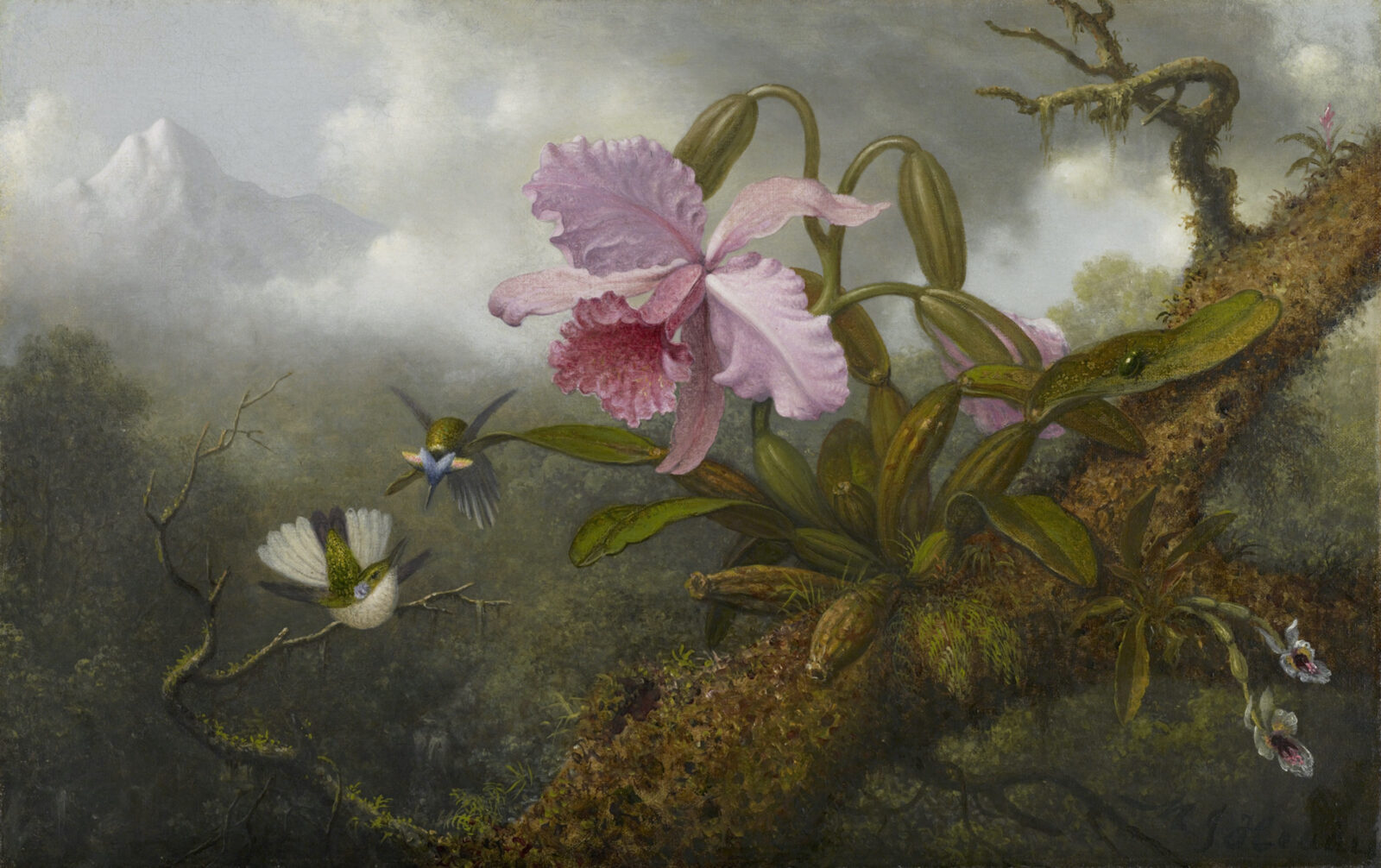
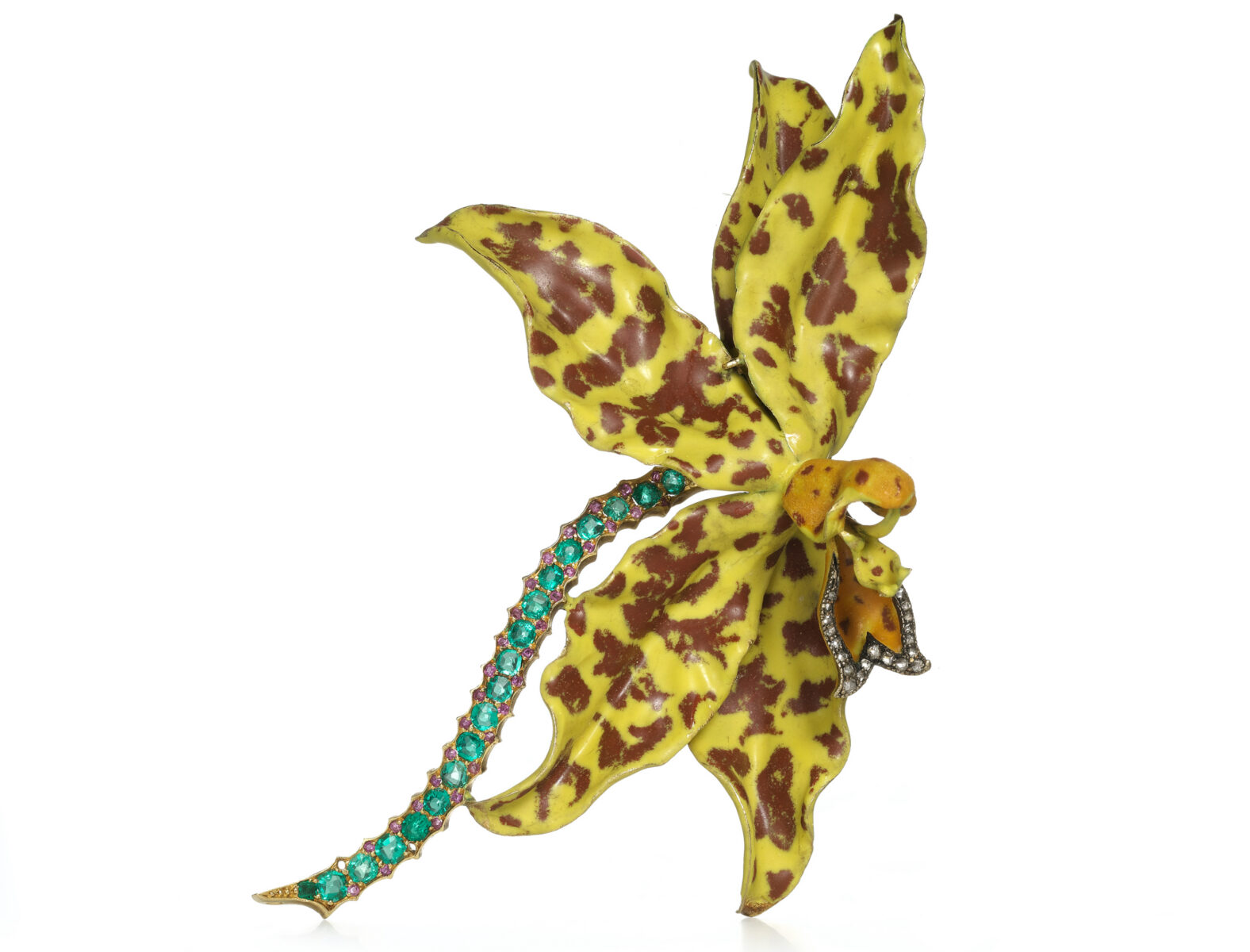
In the late 19th century, master designer George Paulding Farnham crafted the breathtaking Tiger Orchid brooch for Tiffany & Co., employing an exquisite palette of sterling silver, diamonds, emeralds, pink sapphires, and vitreous enamel. This botanical triumph is displayed alongside Martin Johnson Heade’s luminist masterpiece, Cattleya Orchid, Two Hummingbirds and a Beetle. Both works capture the haunting, hyper-detailed allure of tropical flora, illustrating how luxury craftsmen and painters alike sought to immortalize fragile ecosystems.
Jean Schlumberger and Hope Gangloff:
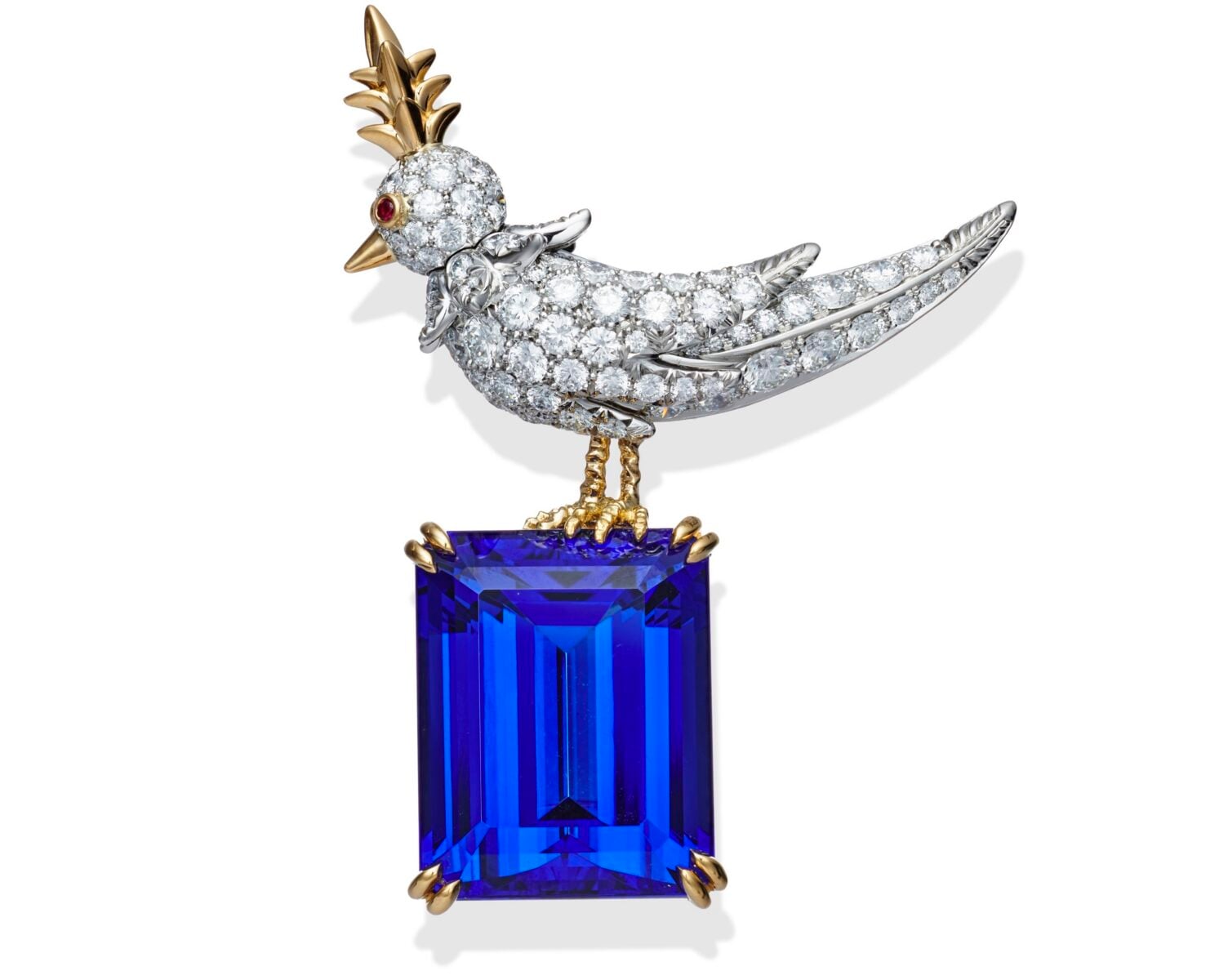
The exhibition features iconic jewelry designs by French visionary Jean Schlumberger—most notably his whimsical Bird on a Rock brooch. These miniature sculptures in precious metals and gemstones are juxtaposed with Hope Gangloff’s contemporary figurative painting, Queen Jane Approximately. The pairing bridges the gap between classic mid-century organic styling and modern depictions of human and natural forms.
The Tiffany Girls and George Inness:
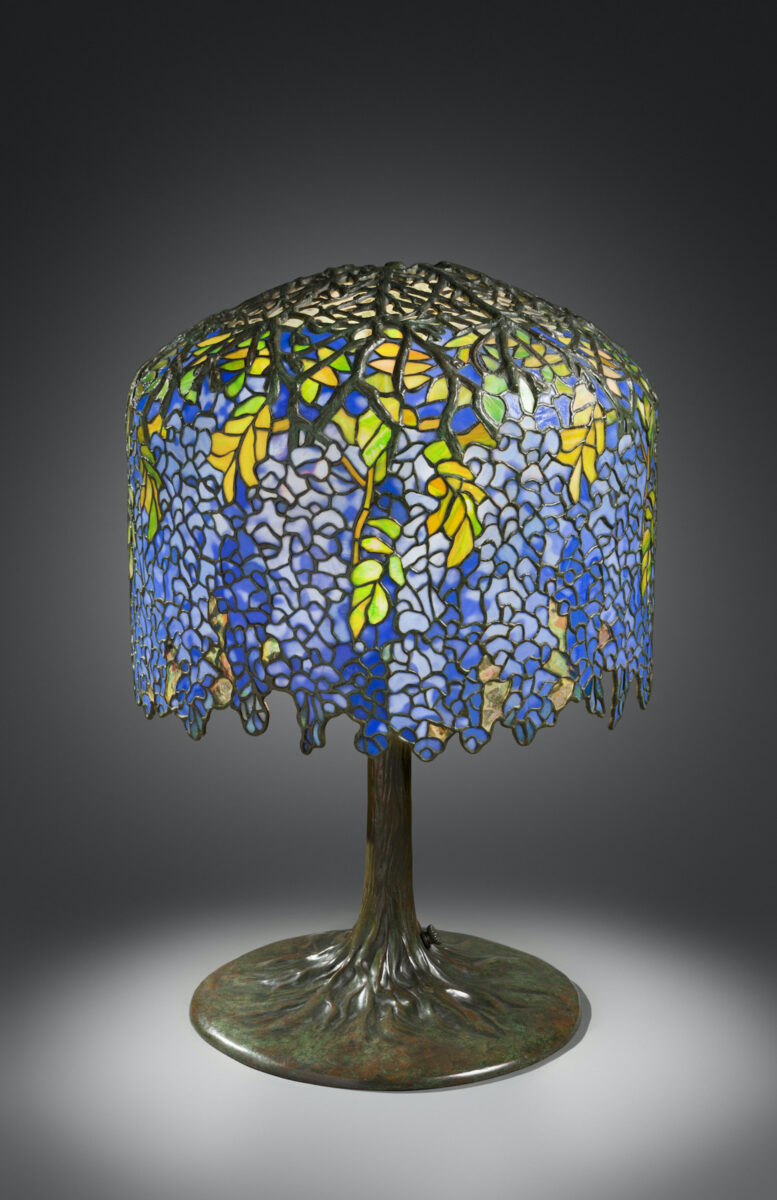
Lighting takes center stage through the historic Wisteria Table Lamp (circa 1905–1906). Designed by Clara Driscoll while she led the pioneering "Tiffany Girls" glass-cutting department at Tiffany Studios, the lamp translates the cascading architecture of wisteria vines into iridescent leaded glass. It is exhibited in dialogue with George Inness’s 1867 landscape painting, Sunset on a River, exploring how both mediums capture the shifting, atmospheric qualities of natural light.
Abstract Geometry and Raw Minerals:
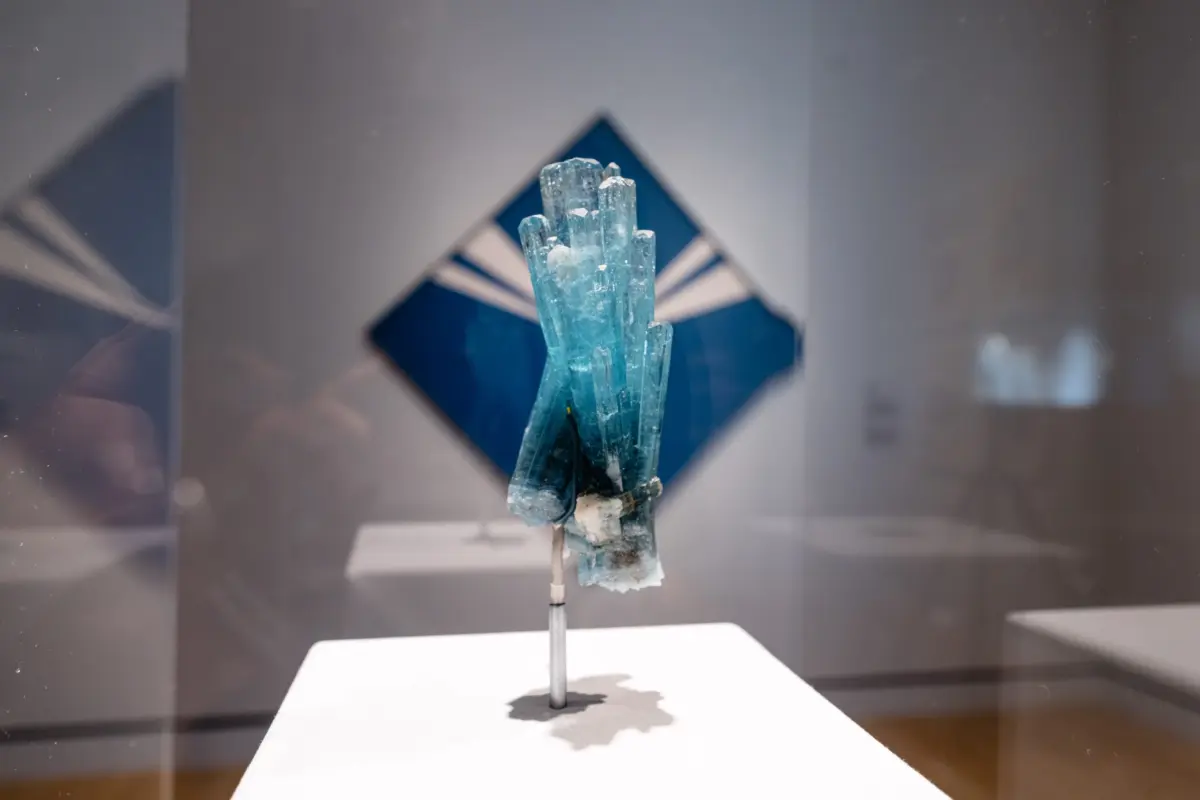
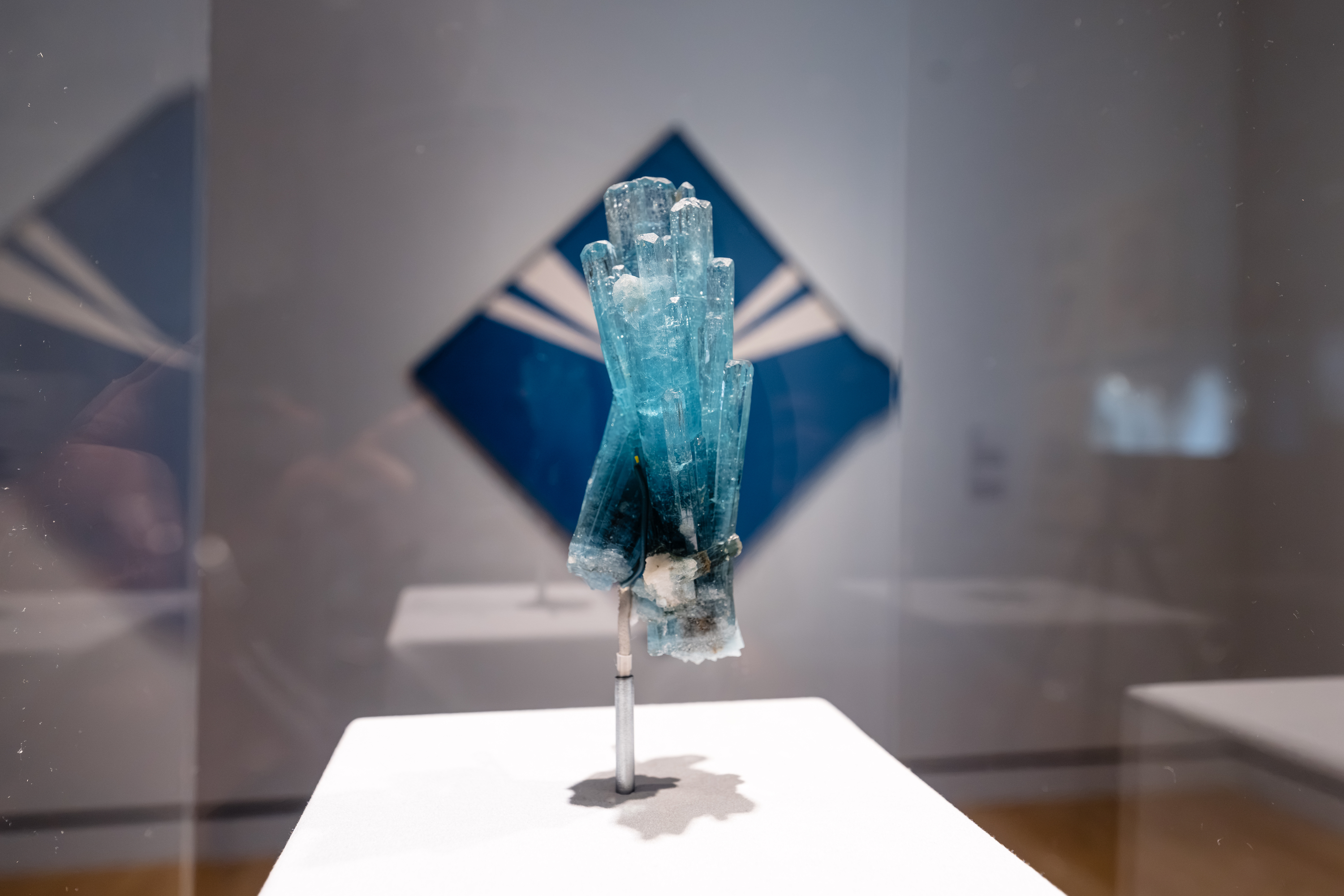
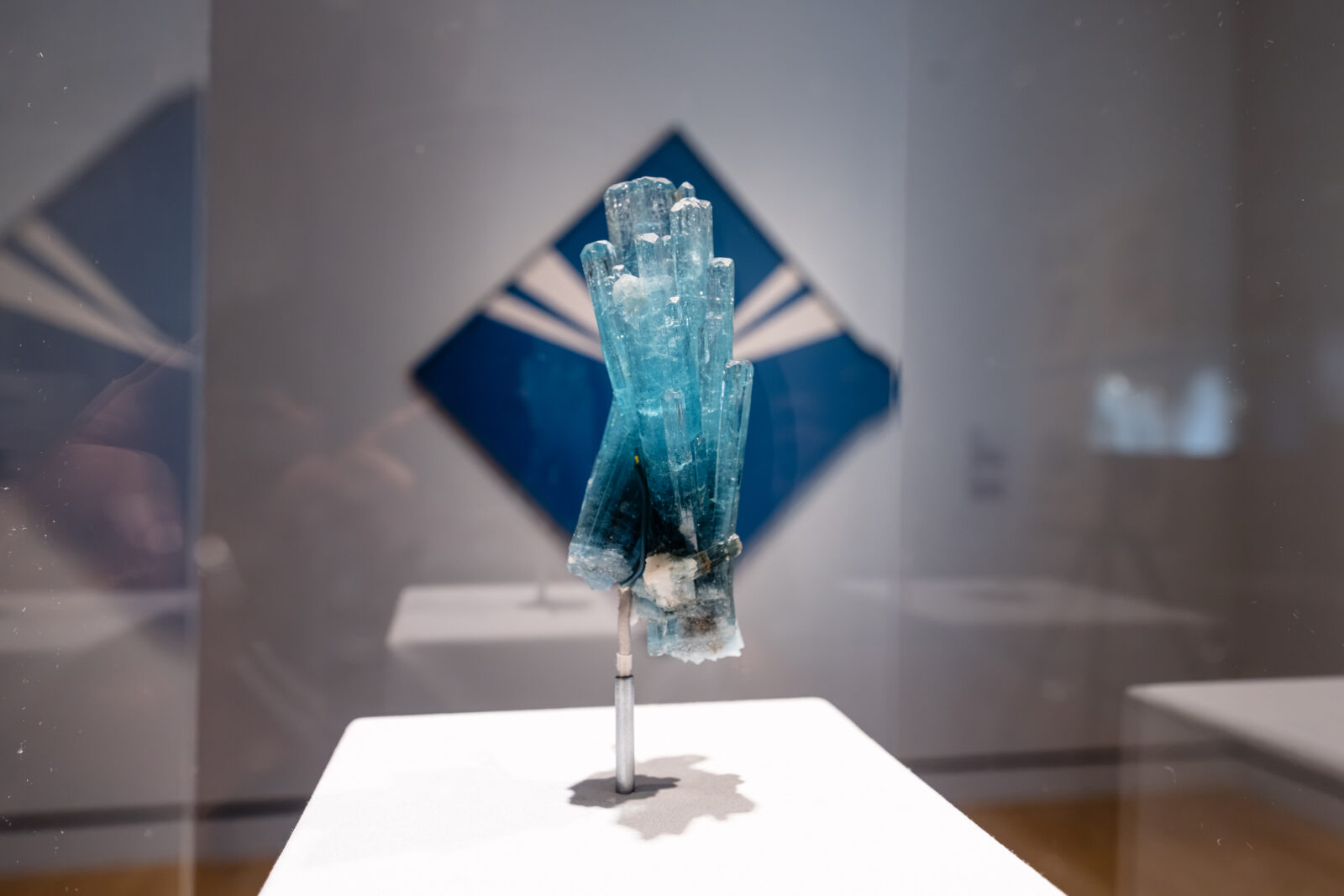
The exhibition extends its thematic reach into the realm of mid-century minimalism. Raw, un-faceted mineral specimens from Crystal Bridges’ permanent collection—including a striking blue beryl colored by iron traces and a nearly four-inch-tall quartz crystal—are placed in direct proximity to Carmen Herrera’s 1965 abstract oil painting, Cerulean. Herrera’s geometric canvas, which transforms a standard square into a diamond shape through razor-sharp spatial cuts, provides a stark, modern counterpoint to the organic irregularities of the earth’s crust.
Arkansas: America’s Diamond Frontier
The inclusion of the Arkansas Diamond serves to highlight the state’s unique democratic approach to mineralogy. Arkansas remains the only place in the United States where amateur prospectors and everyday tourists can hunt for diamonds and keep whatever treasures they manage to unearth. This is made possible by the Crater of Diamonds State Park in Murfreesboro, a state-managed site sitting directly atop the eroded surface of the ancient volcanic pipe. The diamonds recovered from this park add contemporary local context to the historical grandeur of the Tiffany archives on display in Bentonville.
Official Statements and Curatorial Vision
The intellectual framework of Nature Adorned rests on breaking down traditional barriers between "fine art" and "applied craft." Museum leadership has emphasized that the exhibition is designed to prompt viewers to look closer at the world around them.
"The pairings across the Tiffany Archives and Crystal Bridges help us to see both collections in a new light," explains Jen Padgett, curator of the exhibition. "Comparing how artists draw inspiration from nature—whether depicting an orchid in a painting or transforming its form into a brooch—allows us to appreciate their ingenuity and imagination."
Padgett further underscores the socio-geographic significance of bringing the state’s namesake gemstones back to the Ozarks:
"Having the diamonds here allows us to highlight Arkansas’s natural resources and bring attention to the state’s unique place in the story of American gems."
By bridging the gap between New York corporate heritage and Arkansas public land, Crystal Bridges has positioned the exhibition as both an aesthetic triumph and a localized celebration of geological identity.
Future Outlook
As Nature Adorned: The Artistry of Tiffany & Co. and the American Imagination welcomes its first wave of visitors this autumn, its impact on regional tourism and cultural discourse is expected to be substantial. Running through March 29, 2027, the multi-month run gives scholars, gemologists, and art enthusiasts ample opportunity to witness a rare convergence of corporate archive masterpieces and American masterworks.
Moving forward, museum experts anticipate that the exhibition will spark renewed interest in the intersection of environmental conservation, sustainable material sourcing, and the decorative arts. By examining how 19th- and 20th-century artisans romanticized the natural world—at a time when industrialization was beginning to rapidly alter it—Nature Adorned offers timely reflections on humanity’s ongoing stewardship of the planet.
Ultimately, the return of the 27.21-carat Arkansas Diamond is more than a nostalgic homecoming; it is a vivid reminder that beneath the soil of the American South lie stories of profound beauty, waiting patiently for the light to catch them.




0 Comments