

Executive Overview
From the emerald waters of the Florida Panhandle to the vibrant coral keys of the south, Florida’s cultural identity is inextricably bound to the sea. For generations, the state’s coastal communities have thrived on the rhythm of the tides, the bounty of world-class fisheries, and a deeply ingrained seafood heritage. Yet, this quintessential way of life faces an unprecedented crossroads. Decades of coastal development, rising water temperatures, pollution, and relentless fishing pressure have strained fragile natural habitats—leaving iconic sporting species such as red grouper, lane snapper, and amberjack grappling with severe population bottlenecks.
Enter the Florida Coastal Corridor, a sweeping, multi-decade conservation blueprint designed to stitch the state’s fractured marine ecosystems back together. Following the pioneering path blazed by the terrestrial Florida Wildlife Corridor, this ambitious aquatic initiative aims to weave a continuous, interconnected network of artificial reefs, restored seagrass beds, thriving mangrove forests, and fortified living shorelines.
Backed by $15 million in foundational state funding approved by Florida legislators, the initiative is spearheaded by the Fish & Wildlife Foundation of Florida in close partnership with the Florida Fish and Wildlife Conservation Commission (FWC). With the deployment of its very first artificial reefs off the coasts of Naples and Okaloosa County, the initiative has officially transitioned from a visionary policy framework into an active, boots-on-the-water reality. By strategically building out marine habitats where none previously existed, project leaders hope to relieve mounting ecological pressure on struggling natural systems—such as South Florida’s besieged coral reefs—while simultaneously safeguarding the economic lifeblood of the state’s coastal towns.
Detailed Chronology: From Legislative Vision to Submerged Reality
The genesis of the Florida Coastal Corridor did not happen overnight; it is the culmination of years of rising concern among biologists, anglers, and conservationists who watched the state’s marine environments deteriorate.
The Policy Framework and Legislative Breakthrough
- Late 2024 to Early 2025: Conceptualized as an aquatic counterpart to the terrestrial Florida Wildlife Corridor, planners recognized that marine life—much like land mammals and birds—requires unbroken highways and safe sanctuaries to migrate, feed, and spawn.
- Legislative Session (2025): State lawmakers approved the initial framework for the Florida Coastal Corridor, allocating a decisive $15 million in state appropriations. This funding was channeled directly to the Fish & Wildlife Foundation of Florida to work alongside the FWC, establishing a public-private governance model capable of executing large-scale, long-term marine engineering projects.
The Groundbreaking Deployments
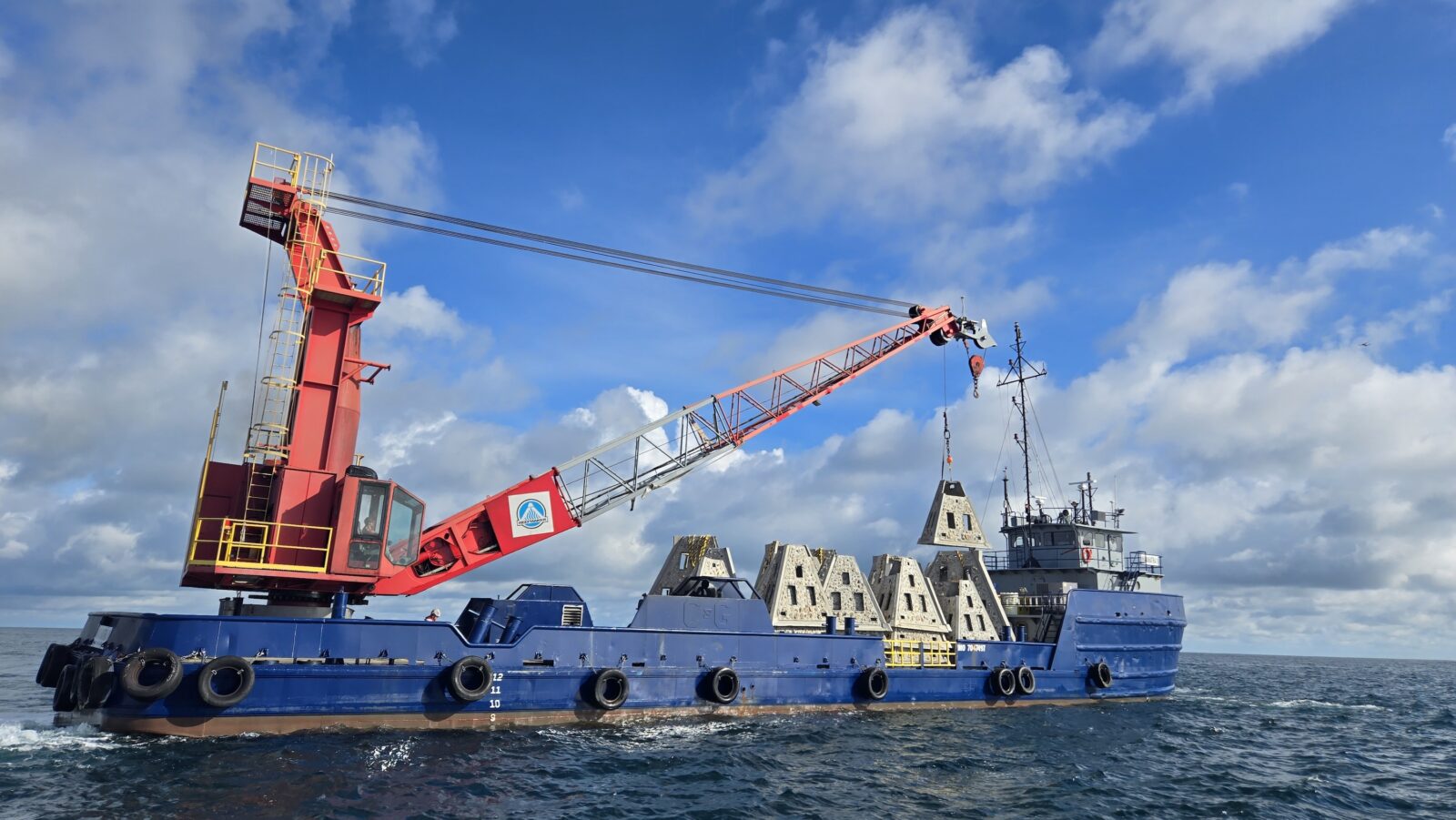
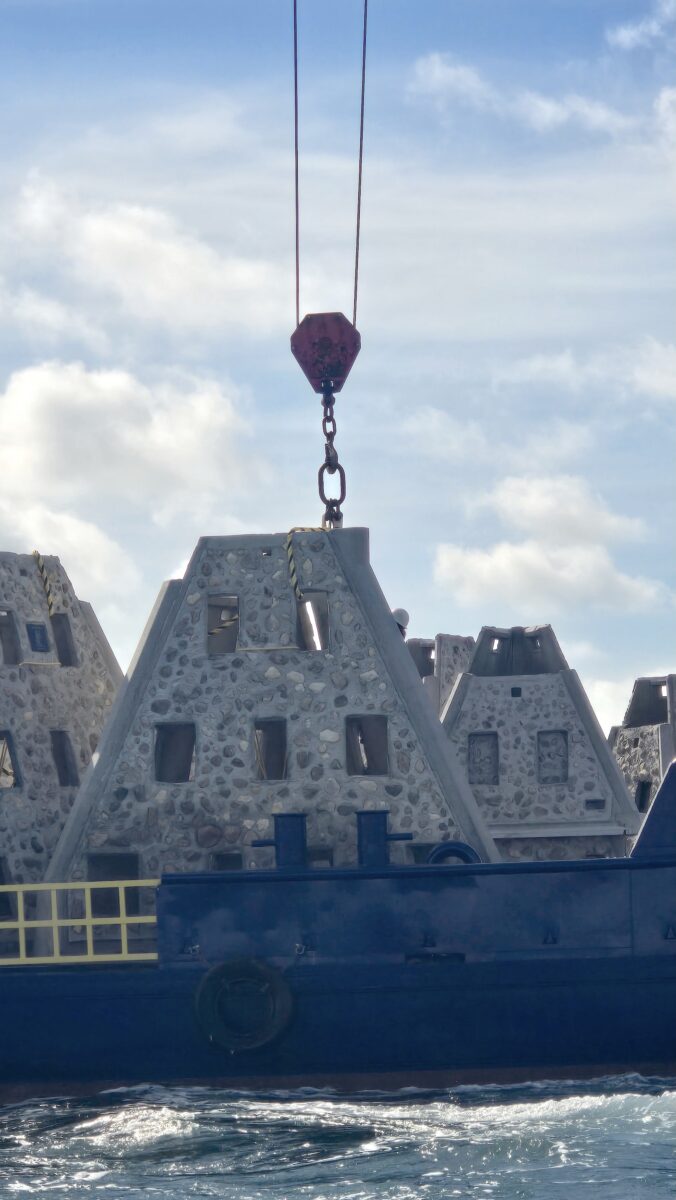
- Early October 2026: The initiative achieved a major milestone with the deployment of the Lenny Reina Memorial Reef off the coast of Naples. Named in honor of a private donor, the installation utilized specialized concrete modules fashioned from recycled materials to carve out 1.7 acres of brand-new, highly productive marine habitat over a previously barren stretch of seafloor.
- Mid-October 2026: Just days after the Naples deployment, a second major artificial reef installation hit the water off Okaloosa County in the Florida Panhandle. This marked the beginning of a coordinated statewide rollout aimed at identifying and plugging geographic gaps in local reef infrastructure, particularly in counties lacking the municipal tax base or self-sustaining funds to build reefs on their own.
Supporting Context & Metrics: The Science of Submerged Restoration
To understand why the Florida Coastal Corridor is so vital, one must examine the mechanics of marine habitat loss and the targeted biological interventions deployed by project directors like Mike Norberg.
The Biological Bottleneck
In the early stages of their life cycles, hundreds of fish species rely heavily on complex structural habitats—such as coral reefs, rocky outcrops, and dense mangrove root systems—for protection against predators. Without adequate structure, juvenile sportfish like grouper, snapper, and permit face catastrophic mortality rates during their developmental window. This structural deficit creates a population bottleneck, artificially capping the number of mature fish that ultimately make it to open waters for recreational and commercial anglers to pursue.
The Alchemy of Artificial Reefs
The artificial reefs deployed under the Coastal Corridor initiative are masterclasses in marine engineering and adaptive reuse. Project planners secure carefully cleaned, recycled materials—ranging from decommissioned steel vessels and concrete bridge culverts to specially engineered pH-balanced concrete modules—and sink them onto flat, unproductive sand bottoms.
The ecological transformation that follows is astonishingly rapid:
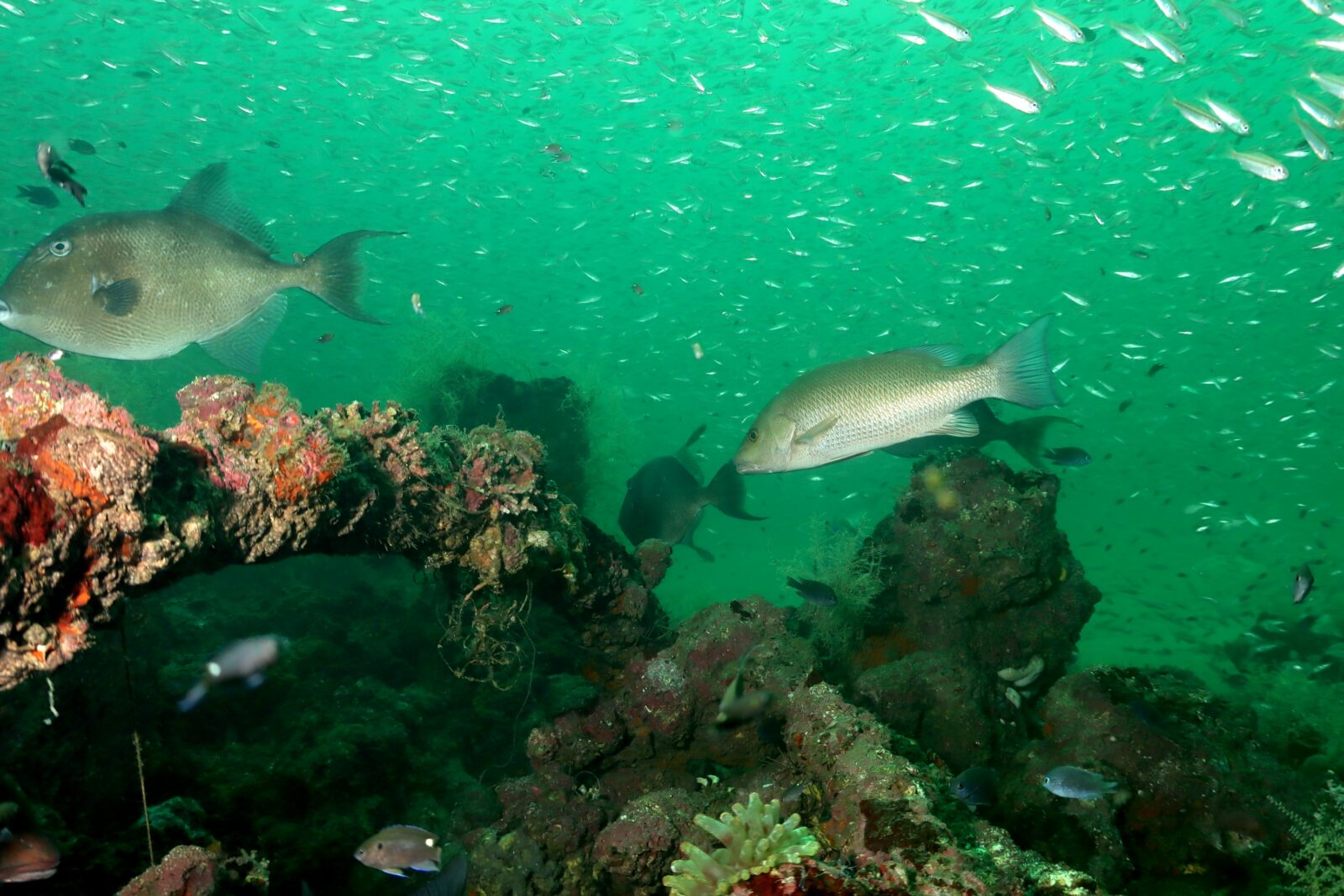
- Day 1 to Week 1: Microscopic organisms and mobile baitfish arrive almost immediately, drawn to the current breaks and newly formed shelter.
- First Month: Larger predatory fish, including amberjack, kingfish, and snapper, move in to exploit the sudden abundance of forage species.
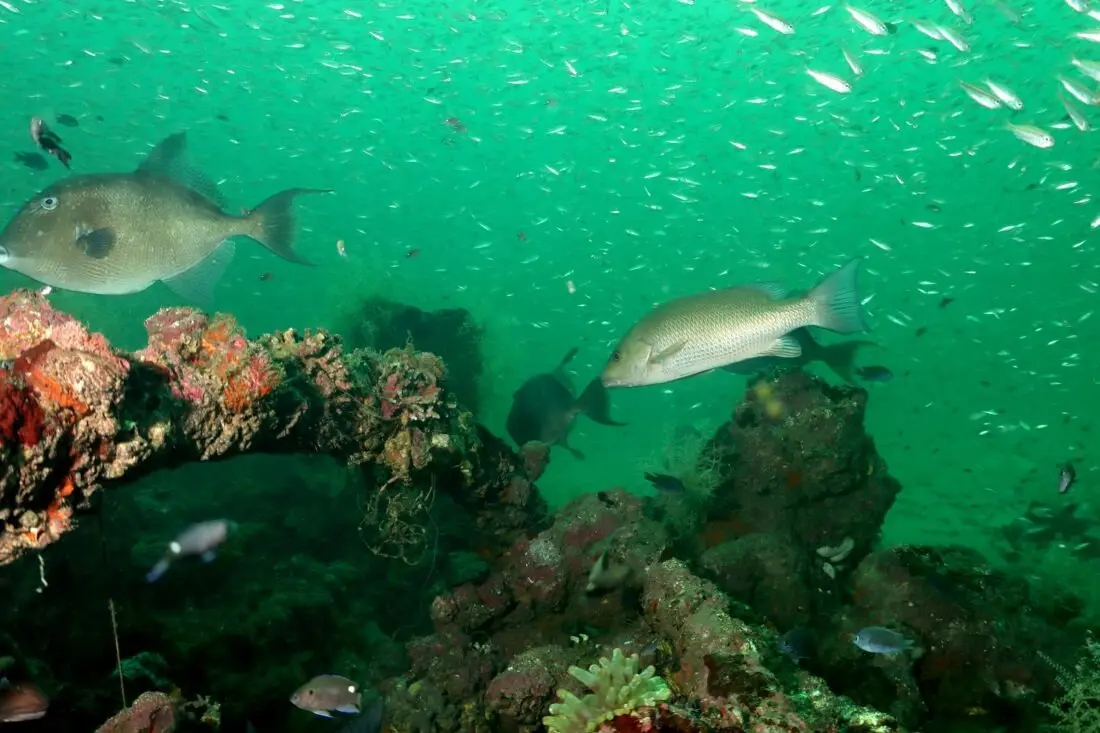
- Year 1 and Beyond: Encrusting organisms—including barnacles, oysters, sponges, and soft corals—begin to colonize the hard surfaces. In areas adjacent to natural reefs, hard coral larvae naturally drift over and attach themselves to the new modules. Within a few years, the industrial origin of the material is completely obscured, replaced by a living, breathing underwater ecosystem.
A Multi-Pronged Ecological Toolkit
While artificial reefs capture headlines, the Florida Coastal Corridor is designed as a holistic, multi-habitat network. The initiative integrates several complementary restoration strategies:
- Seagrass Meadow Restoration: Vital for filtering water and providing essential nurseries for manatees, snook, and red drum.
- Mangrove Forest Protection & Planting: Serving as the ultimate natural shock absorbers against storm surges while offering critical shelter for juvenile marine life.
- Living Shorelines and Oyster Reefs: Deploying native vegetation and rebuilding historic oyster populations that naturally filter massive volumes of water daily, drastically improving coastal water clarity and quality.
Official Statements and Perspectives
The transition from conceptual conservation to tangible deployment has drawn praise from leaders across Florida’s environmental and outdoor sectors, who emphasize that the initiative is as much about preserving human culture as it is about saving marine biology.
"The coastal communities of Florida live a lifestyle and have a culture that centers around fisheries and seafood. We want to follow the path that was set by the Florida Wildlife Corridor and grow a movement."
— Nick Wiley, Executive Director, Fish & Wildlife Foundation of Florida
Wiley’s sentiment highlights the cultural urgency of the project. In a state where generations of families have defined themselves by weekend fishing trips, commercial shrimping, and coastal tourism, ecological decline threatens more than just biodiversity—it threatens an entire way of life.
"Artificial reefs are a great tool to both create habitat where habitat doesn’t exist, and also to remove pressure on some of those natural habitats that are struggling, such as the coral reefs in South Florida."
— Mike Norberg, Coastal Corridor Project Director
Norberg emphasizes the strategic relief valve that artificial reefs provide. By drawing recreational fishing and diving pressure away from fragile, overburdened natural reefs like those in the Florida Keys, the newly constructed corridor acts as a buffer zone, allowing natural ecosystems crucial time to heal and recover from bleaching events and visitor fatigue.
"If we don’t take care of our natural resources, they’re not going to take care of us. The bottom line is that this is about preserving Florida culture and the things we all love about this state."
— Nick Wiley
Future Outlook: A Connected Coastline and Economic Horizon
As the Florida Coastal Corridor looks toward the horizon, its architects envision a future where the state’s marine ecosystems operate as a resilient, interconnected web rather than isolated patches of struggling habitat.
Over the coming decades, the Fish & Wildlife Foundation of Florida and the FWC plan to deepen partnerships with renowned conservation organizations, including the Coastal Conservation Association and the Bonefish & Tarpon Trust, alongside academic researchers and local county governments. This collaborative coalition will systematically target vulnerable coastal zones, funneling resources where they are most urgently needed.
Economic and Recreational Dividends
The benefits of a fully realized Coastal Corridor extend far beyond environmental metrics. From an economic standpoint, the initiative promises substantial returns:
- Angling and Boating: Healthy, abundant fish populations sustain Florida’s multi-billion-dollar recreational fishing charter industry, tackle manufacturers, and marine supply businesses.
- Diving and Eco-Tourism: Artificial reefs quickly transform into world-class SCUBA diving and snorkeling destinations, drawing international travelers to coastal towns that might otherwise rely solely on seasonal beach tourism.
- Storm Resilience: By investing in living shorelines, restored oyster reefs, and robust mangrove belts, coastal municipalities build natural resilience against increasingly severe tropical storms and hurricanes, ultimately reducing long-term disaster recovery costs.
Ultimately, the Florida Coastal Corridor represents a bold declaration of faith in the future of the Sunshine State. By bridging science, state policy, and grassroots community passion, Florida is proving that human development and marine conservation do not have to be mutually exclusive—and that with deliberate care, the tide can indeed be turned.

0 Comments