

Executive Overview
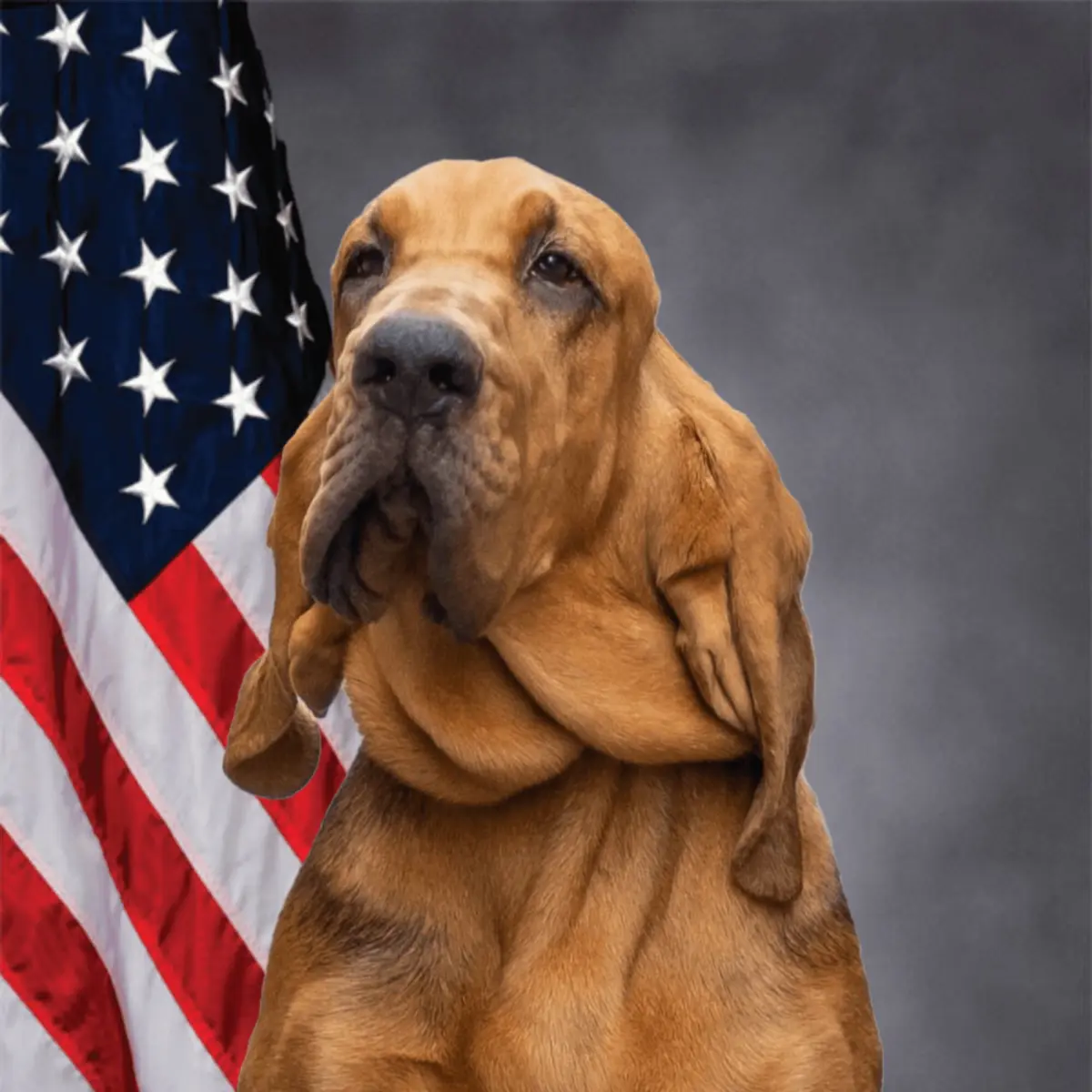
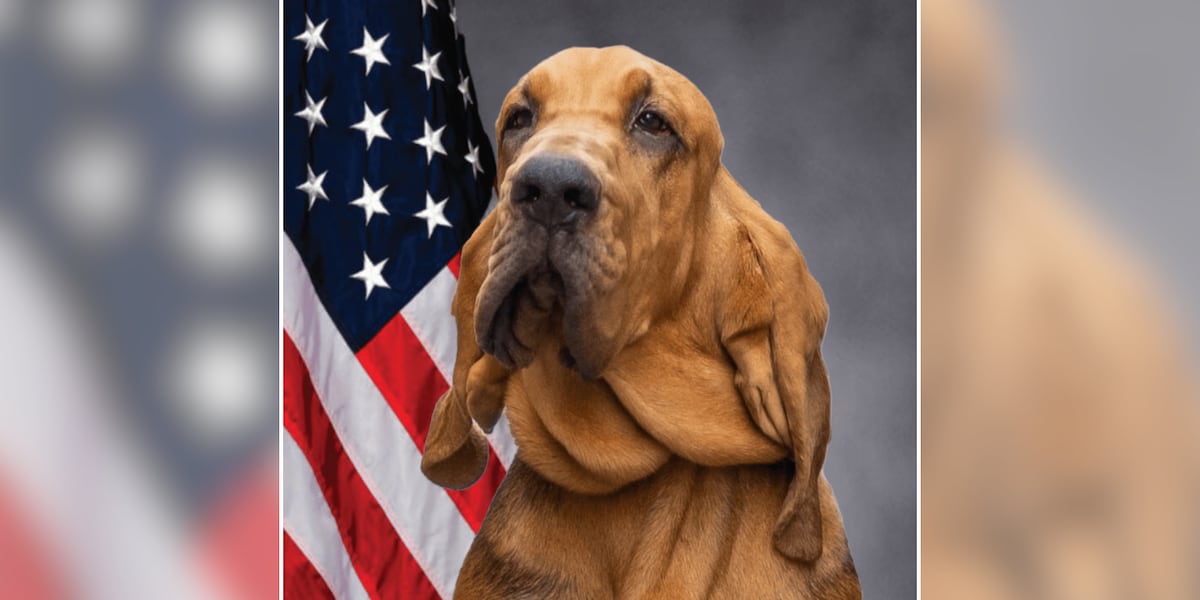
CHARLOTTESVILLE, Va. — The Charlottesville Police Department is reeling from a profound and sudden loss following the tragic death of K-9 Blue, a specialized tracking canine who served the agency alongside his handler, Officer Darius Nash. According to official reports released by local law enforcement and regional media outlets, K-9 Blue was discovered unresponsive on Sunday night inside a police vehicle parked at Officer Nash’s residence in neighboring Greene County. Despite immediate efforts, the canine was subsequently pronounced dead.
The loss of a working police dog strikes at the core of any law enforcement agency, reverberating far beyond the daily operations of patrol and tactical units. K-9s are not merely tools of the trade; they are living, breathing partners who share the immense burdens of front-line police work, entering volatile situations blindly alongside their human handlers to protect officers, suspects, and the public at large. Recognizing the gravity of the incident and adhering to strict protocols regarding accountability, the Charlottesville Police Department has requested an independent external review. The Virginia State Police Bureau of Criminal Investigation has officially stepped in to spearhead an inquiry into the exact circumstances surrounding Blue’s untimely death.
As this developing story unfolds, it sheds light on the complex, demanding, and high-stakes world of K-9 policing. It highlights the rigorous expectations placed upon handlers, the vulnerability of working animals, and the delicate balance between professional duty and domestic life. This comprehensive report explores the timeline of Sunday’s tragedy, the background of K-9 Blue and his partnership with Officer Nash, the institutional protocols governing K-9 units, and the broader conversations surrounding police animal welfare in modern law enforcement.
Detailed Chronology of Events
The sequence of events leading up to the tragic discovery of K-9 Blue on Sunday night remains a focal point for investigators tasked with reconstructing the timeline. While the Virginia State Police Bureau of Criminal Investigation has maintained strict confidentiality as the inquiry proceeds, public statements and preliminary police briefs offer a clearer picture of the hours preceding the incident.
Sunday Evening: The Discovery in Greene County
On the evening of Sunday, August 17, emergency communications and police department notifications indicated a critical situation at the residence of Officer Darius Nash, located in Greene County, Virginia—just north of Charlottesville. K-9 Blue was located inside a designated police vehicle parked on the property.
At the time of discovery, the canine was found unresponsive. Immediate steps were taken to evaluate and revive the animal, but those efforts proved unsuccessful, and Blue was pronounced dead at the scene. Because the incident occurred off-duty hours at a private residence involving a departmental asset, standard protocols mandated immediate notification of supervisory personnel.
Immediate Institutional and Inter-Agency Response
Realizing the sensitive nature of the incident and the necessity for absolute transparency, local leadership made the decision to recuse the Charlottesville Police Department from investigating itself. Independent oversight is crucial in maintaining public trust, particularly when dealing with departmental equipment or service animals that hold a quasi-officer status within the community.
By Sunday night, contact had been established with the Virginia State Police Bureau of Criminal Investigation. State investigators were deployed to examine the scene, gather forensic and environmental evidence, interview Officer Nash, and review vehicle telemetry or logs if applicable. This external investigation is designed to establish a factual, unbiased record of how the canine came to be unresponsive, the ambient environmental conditions at the time, and whether any operational or procedural lapses contributed to the tragedy.
Supporting Context & Metrics: The Life and Service of K-9 Blue
To understand the magnitude of Sunday’s loss, one must look back at the career and origin of K-9 Blue. Police canines are selected through rigorous vetting processes, enduring months of specialized training before ever hitting the streets. Blue’s journey with the Charlottesville Police Department began during the winter of 2023.
From Puppyhood to Front-Line Service
In February 2023, the Charlottesville Police Department proudly introduced a new canine recruit to the public: a four-month-old puppy destined for a career in tracking and apprehension. From an exceptionally young age, Blue exhibited the high drive, sharp focus, and eager temperament required of working police dogs.
Over the subsequent months and years, Blue underwent intensive training alongside Officer Darius Nash. Canine training is an exhaustive discipline that tests obedience, agility, scent discrimination, and tactical integration. Tracking canines like Blue are specifically conditioned to follow human scent trails over miles of varying terrain—ranging from dense rural woodlands in the Blue Ridge foothills to urban and suburban environments within the city of Charlottesville. These skills are invaluable when locating missing persons, vulnerable citizens suffering from cognitive decline, fleeing suspects, or critical pieces of evidence discarded during the commission of a crime.
The Bond Between Handler and Canine
In the world of law enforcement, the relationship between a K-9 handler and their partner is unique and all-consuming. Officer Darius Nash and K-9 Blue spent virtually every waking hour together. Beyond their shifts on patrol, handlers are responsible for the daily care, feeding, grooming, and ongoing training of their dogs.
When a shift ends, police canines typically return home with their handlers, transitioning from tactical partners to household companions while remaining on call for emergency deployments. This constant proximity creates an unbreakable bond of trust. The handler learns to read the subtlest shifts in the dog’s posture, breathing, and vocalizations, while the dog learns to anticipate the handler’s every command and movement. The sudden severance of this bond leaves handlers dealing with a profound psychological and emotional vacuum.
Official Statements and Institutional Impact
The sudden and tragic nature of K-9 Blue’s death has elicited heartfelt responses from city officials, police leadership, and the broader Charlottesville community. Law enforcement agencies rely heavily on their specialized units, and the loss of a member of the K-9 corps is treated with the solemnity and respect afforded to human officers.
The Charlottesville Police Department’s Response
In an official statement released following the incident, the Charlottesville Police Department articulated the deep grief shared by its personnel:
"K-9 partners are more than working animals; they are members of our department family. They are trained and trusted to serve alongside their handlers in keeping our community safe. The loss of a K-9 partner is felt deeply throughout the entire agency."
This sentiment underscores a modern shift in how law enforcement views service animals. No longer viewed simply as operational assets or equipment, K-9s are formally integrated into department rosters. Many agencies honor fallen K-9s with full departmental honors, including ceremonial processions, flag-draped caskets, and memorial tributes.
Community Reactions and Support
News of Blue’s passing quickly spread across Central Virginia, prompting an outpouring of condolences from community members, local civic leaders, and neighboring law enforcement agencies. Social media platforms and local news comment sections filled with messages mourning the young tracking dog and offering support to Officer Nash during this unimaginably difficult time.
For a community that relies on its police force for daily security, the K-9 unit represents a visible and comforting symbol of dedication. Blue’s active role in community outreach events, school demonstrations, and public safety initiatives had endeared him to many residents who watched him grow from a curious four-month-old puppy into a formidable, disciplined working dog.
Future Outlook: Accountability, Prevention, and Ongoing Investigation
As the Virginia State Police Bureau of Criminal Investigation continues its comprehensive inquiry into the incident in Greene County, several critical questions remain open. The findings of this investigation will not only determine whether any policy violations or criminal negligence occurred but will also shape future operational guidelines within the Charlottesville Police Department and potentially influence regional standards across Virginia.
The Role of External Investigations
The decision to hand the investigation over to the Virginia State Police is a testament to the department’s commitment to transparency. In cases involving service animal fatalities—particularly those tied to departmental vehicles or equipment failures—independent oversight is paramount. Investigators will look closely at several factors, including:
- Environmental and Climatic Conditions: Assessing temperatures, humidity, and sun exposure at the time the canine was in the vehicle.
- Equipment Functionality: Examining vehicle climate control systems, alarm notifications, and automated safety cut-offs designed to protect K-9s left in cruisers.
- Procedural Adherence: Reviewing standard operating procedures regarding the housing and transport of police canines while off-duty at private residences.
Broader Industry Standards and Canine Welfare
Incidents involving the loss of police canines in vehicles have historically sparked intense national conversations regarding technological safeguards and handler protocols. Across the United States, law enforcement agencies have increasingly adopted advanced vehicle mitigation technologies, such as specialized heat-alarm systems that roll down windows, activate cooling fans, sound blaring horns, and send emergency alerts to a handler’s smartphone if interior temperatures rise above safe thresholds or if vehicle engines stall.
As the investigation into K-9 Blue’s death reaches its conclusion, police leadership will undoubtedly use the findings to review and reinforce safety protocols, ensuring that technological redundancies and rigorous human checks are tightly integrated into daily operations. While no policy or piece of equipment can undo the heartache of losing K-9 Blue, such measures are essential in honoring his memory and protecting the remaining working canines who risk their lives every day to serve the public.
This is a developing news story. Further updates will be provided as the Virginia State Police Bureau of Criminal Investigation releases additional findings regarding the death of K-9 Blue.

0 Comments