

Executive Overview
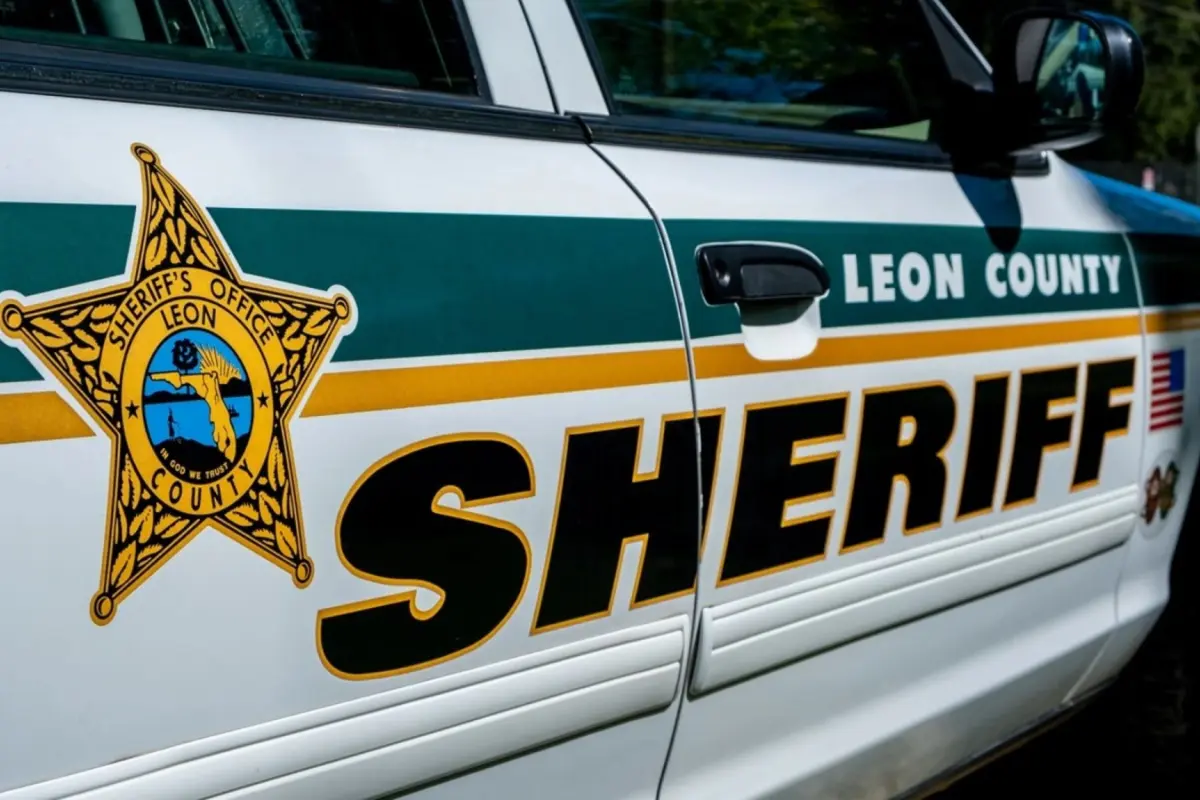
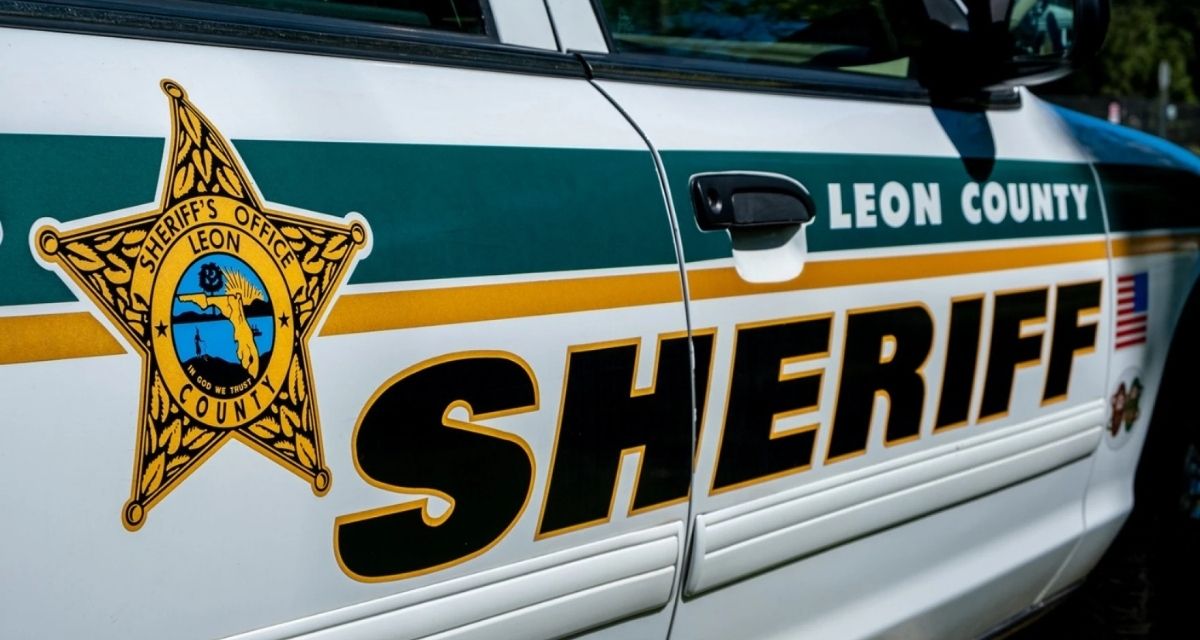
In an era defined by intense public scrutiny and a national quest for criminal justice reform, a landmark three-year research collaboration has emerged from Florida’s capital. The partnership—forged between Florida State University’s (FSU) prestigious College of Criminology and Criminal Justice and the Leon County Sheriff’s Office (LCSO)—has produced what experts are calling one of the most comprehensive, empirical studies on police de-escalation ever conducted.
Entitled "Dissecting De-escalation: A Collaborative Research Initiative," the report challenges long-held assumptions about law enforcement interactions. Historically, police agencies across the United States have meticulously documented uses of force while virtually ignoring instances of successful de-escalation—the quiet, everyday victories where potential violence is averted through communication and tactical patience. Driven by a desire to measure, understand, and replicate these peaceful resolutions, Leon County Sheriff Walt McNeil spearheaded the initiative, opening his agency’s doors, resources, and unredacted operational data to academic researchers.
The findings of this intensive three-year study deliver a powerful message: de-escalation is not merely an innate personality trait or a matter of "good luck." Instead, it is a measurable, teachable, and scalable skill that directly reduces the reliance on physical force and enhances community safety. Supported in part by the U.S. Department of Justice Office of Community Oriented Policing Services (COPS), this translational research model is already reshaping internal training programs and poised to influence law enforcement agencies nationwide.
Detailed Chronology: Building the Research from the Ground Up
The genesis of this partnership traces back to a shared frustration within both academia and progressive law enforcement leadership. While criminologists theorized about police-citizen encounters, they rarely had unfettered access to high-fidelity, real-world operational data. Conversely, forward-thinking law enforcement administrators like Sheriff McNeil knew their deputies were successfully de-escalating volatile situations daily, yet they lacked empirical metrics to prove how or why.
Phase 1: Institutional Alignment and Methodological Design
The project officially took shape under the co-leadership of Captain James Pittman, head of LCSO’s Professional Standards and Research Bureau, and Keller Sheppard, an assistant professor in FSU’s College of Criminology and Criminal Justice. Moving past the methodological limitations of traditional ride-along studies—which are often skewed by the physical presence of a researcher—the team designed a rigorous framework centered on body-worn camera (BWC) footage.
To evaluate interactions objectively, researchers established a clear, operational definition of de-escalation: any action, statement, or tactical consideration by a law enforcement officer that decreases the likelihood or severity of physical force.
Phase 2: The "Treasure Trove" of Data Analysis
Gaining access to sensitive law enforcement data required extraordinary levels of institutional trust. LCSO provided the research team with unredacted, second-by-second body-worn camera recordings of actual field encounters.
To process this massive intake, the team recruited and trained ten specialized coders. Operating through multiple blind passes, these coders analyzed more than 1,000 incident recordings. This meticulous, frame-by-frame scrutiny allowed researchers to isolate specific deputy behaviors, environmental triggers, and conversational turning points that either escalated or diffused tension.
"Researchers very infrequently get access to this kind of ‘treasure trove’ of data, much less an invitation to participate in shaping how it is collected, coded, analyzed, and applied," Sheppard noted, emphasizing the rare synergy achieved between academic theorists and operational practitioners.
Phase 3: Translation, Training, and Agency-Wide Implementation
Following the data analysis phase, the research transitioned from observation to application. The team identified specific, high-yield de-escalation techniques that consistently correlated with peaceful resolutions. Rather than keeping these findings confined to an academic journal, LCSO immediately incorporated the data-driven insights into an in-study training trial.
Upon seeing the measurable success of the curriculum, Sheriff McNeil authorized its permanent, agency-wide expansion. Today, the training is mandatory for all patrol deputies as well as correctional staff operating within the Leon County Detention Facility, ensuring a unified philosophy of safety across both street-level policing and institutional custody.
Supporting Context and Metrics: What the Data Reveals
The quantitative insights uncovered by the FSU-LCSO study offer a rare, statistically grounded snapshot of daily law enforcement operations. By analyzing thousands of hours of footage, the research dispels sensationalized media narratives while highlighting the immense challenges deputies face during high-stakes encounters.
The Spectrum of Citizen Encounters
A breakdown of the data reveals the true operational reality of policing in Leon County:
- Calm and Cooperative Encounters (97%): The overwhelming majority of official citizen interactions begin and remain calm, cooperative, and peaceful from inception to resolution.
- Agitated Interactions (2.7%): A small fraction of calls involve emotional distress, resistance, or verbal hostility, requiring heightened emotional intelligence and tactical awareness from responding personnel.
- Formal Use of Force (0.05%): Physical force was utilized in a minuscule percentage of all dispatched calls, underscoring that force is genuinely treated as an absolute last resort.
Despite the low frequency of use-of-force incidents, Captain Pittman emphasized that even marginal statistical improvements yield profound human dividends. "We are dealing with the most volatile situations where lives are on the line, and if this research shapes training nationwide, we have an opportunity to move the needle," Pittman explained. "Even shifting that rate from 0.05% to 0.04% means saving lives, making every dollar and all three years invested entirely worth it."
Core Behaviors Driving Peaceful Outcomes
The study moved beyond general theories of "communication" to identify concrete, actionable behaviors that deputies can deploy to de-escalate crisis situations. Statistical analysis confirmed that deputies who utilized specific methodologies were significantly more likely to resolve encounters without force. Key drivers of success include:
- Granting Voice: Actively allowing individuals to express their grievances, concerns, or perspectives without immediate interruption, which defuses emotional reactance.
- Environmental Separation: Intentionally moving agitated subjects away from compounding stressors, hostile bystanders, or physical stimuli that exacerbate anxiety.
- Transparent Communication: Providing clear, calm, and predictable explanations of what deputies are doing, why they are doing it, and what the individual can expect next.
Official Statements and Perspectives
The success of the "Dissecting De-escalation" initiative has drawn praise from university leadership, law enforcement executives, and criminologists across the country.
Sheriff Walt McNeil on Community Trust:
"Effective de-escalation strengthens trust between law enforcement and the community while helping create safer outcomes for everyone involved. This research allows us to better understand what works in real-world encounters and use those findings to continue improving how we serve the people of Leon County."
Dean Thomas Blomberg on Translational Criminology:
"Translational research is at the core of our college’s dedication to advancing evidence-based criminal justice. Working directly with local law enforcement to translate real-world data into practical training is a pioneering approach, and it provides a forward-looking model that will help guide the future of policing across the nation."
Professor Keller Sheppard on the Academic-Practitioner Partnership:
"This initiative shows what is possible when a tier-one research university and a forward-thinking law enforcement agency unite around a shared mission. By building this partnership from the ground up, we established a national model for how research and operational policing can work together to protect both officers and the public."
Future Outlook: A National Blueprint for Policing
As the ink dries on the initial report, the partnership is shifting its focus toward national dissemination and continuous improvement.
Co-lead researchers Keller Sheppard and James Pittman are currently finalizing a series of peer-reviewed academic manuscripts designed for publication in top-tier criminological journals. Additionally, they are preparing to take their findings to the national stage, with scheduled presentations at the upcoming International Association of Chiefs of Police (IACP) conference. By sharing their methodology with agency executives from across the United States, they hope to inspire similar academic-operational partnerships in other jurisdictions.
For Florida State University, the project stands as a shining example of community-engaged scholarship—proving that higher education institutions can directly enrich local public safety while generating insights of global significance. For the Leon County Sheriff’s Office, the study cements its reputation as an agency willing to embrace transparency, subject its practices to rigorous scientific scrutiny, and continuously evolve to protect its community.
Accessing the Research
For community members, researchers, and law enforcement professionals interested in exploring the data further, the complete report—“Dissecting De-escalation: A Collaborative Research Initiative”—is publicly accessible through the Leon County Sheriff’s Office website. Furthermore, an in-depth panel discussion featuring Sheriff Walt McNeil and Captain James Pittman breaking down the findings can be viewed on the Leon County Today YouTube channel.
To learn more about ongoing criminal justice research initiatives and academic programs, visit the FSU College of Criminology and Criminal Justice.

0 Comments