

Executive Overview
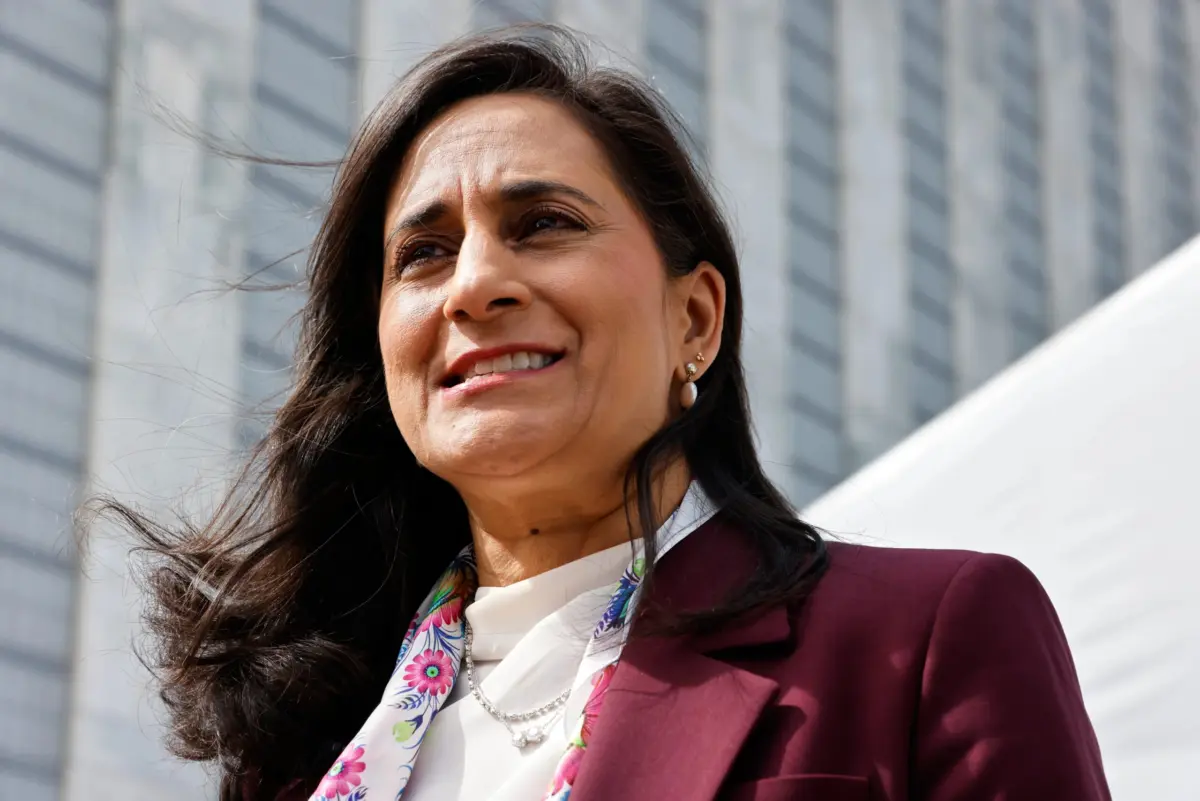
UNITED NATIONS — As global geopolitics fractures under the weight of rising protectionism, raw resource nationalism, and transactional diplomacy, Canada is actively positioning itself at the vanguard of a newly energized coalition of middle powers. Meeting on the sidelines of the 81st session of the United Nations General Assembly in New York, Canadian Foreign Minister Anita Anand outlined a bold foreign policy shift that marks a definitive break from decades of traditional alignment.
Driven by Prime Minister Mark Carney’s stark warning that nations must unite or risk becoming geopolitical fodder—famously summarized by his dictum that "if we’re not at the table, we’re on the menu"—Ottawa has accelerated a comprehensive reorientation of its international posture. This strategic pivot encompasses aggressive trade diversification, a hardening of Arctic defense postures, unwavering support for Ukraine, and the launch of the "Partners for Multilateralism" coalition.
This transformation has not occurred in a vacuum. It is a direct reaction to intense external pressures, most notably the aggressive tariff regimes, diplomatic provocations, and annexation rhetoric levied by U.S. President Donald Trump. Rather than folding under American economic leverage, Carney’s administration chose to let bilateral trade talks collapse, pivoting instead toward Europe, India, and an expanded network of global allies. As Minister Anand prepares to deliver Canada’s central address to the General Assembly, the international community is watching closely to see whether this "principled pragmatism" can successfully institutionalize a counterweight to superpower unilateralism.
Detailed Chronology: The Evolution of Canada’s Strategic Realignment
To understand Canada’s current posture at Turtle Bay, one must trace a rapid succession of geopolitical flashpoints that have unfolded since the turn of the year.
January 2026: The Davos Wake-Up Call
The intellectual architecture for Canada’s current foreign policy was laid out by Prime Minister Mark Carney at the World Economic Forum in Davos, Switzerland. Speaking to a global audience of economic and political elites, the former central bank chief did not mince words. He declared that the post-Cold War consensus of frictionless globalization was dead, replaced by a raw, transactional geopolitical landscape. Carney’s assertion that middle powers could no longer afford complacency sent shockwaves through traditional diplomatic channels, laying the groundwork for a unified strategy among nations caught between Washington and Beijing.
Spring to Summer 2026: Economic Friction and the Collapse of Trade Talks
The theoretical necessity of Carney’s warnings quickly materialized in North American trade relations. The Trump administration implemented sweeping tariffs on Canadian automobiles, alcohol, and dairy products, accompanied by escalating diplomatic insults and casual musings regarding the annexation of Canada as a U.S. state.
Facing terms deemed fundamentally incompatible with national sovereignty, Prime Minister Carney made the high-stakes decision to let bilateral trade negotiations collapse. Abandoning decades of cozy economic reliance on its southern neighbor, Ottawa immediately initiated a campaign to double its non-U.S. trade volume within ten years. This pivot included a major investment summit in Toronto designed to court international capital, alongside accelerated negotiations for comprehensive free-trade agreements with India and deepened institutional integration with the European Union.
September 2026: The U.N. General Assembly and "Partners for Multilateralism"
Arriving at United Nations headquarters in New York for the 81st session of the UNGA, Canadian diplomacy shifted from defense to offense. On the margins of the assembly, Canada co-launched "Partners for Multilateralism," a new diplomatic caucus explicitly designed to rally nations dedicated to preserving and reforming the rules-based international order.
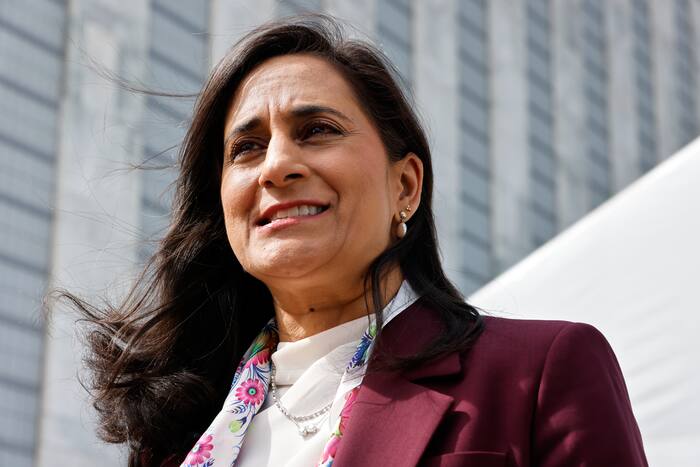
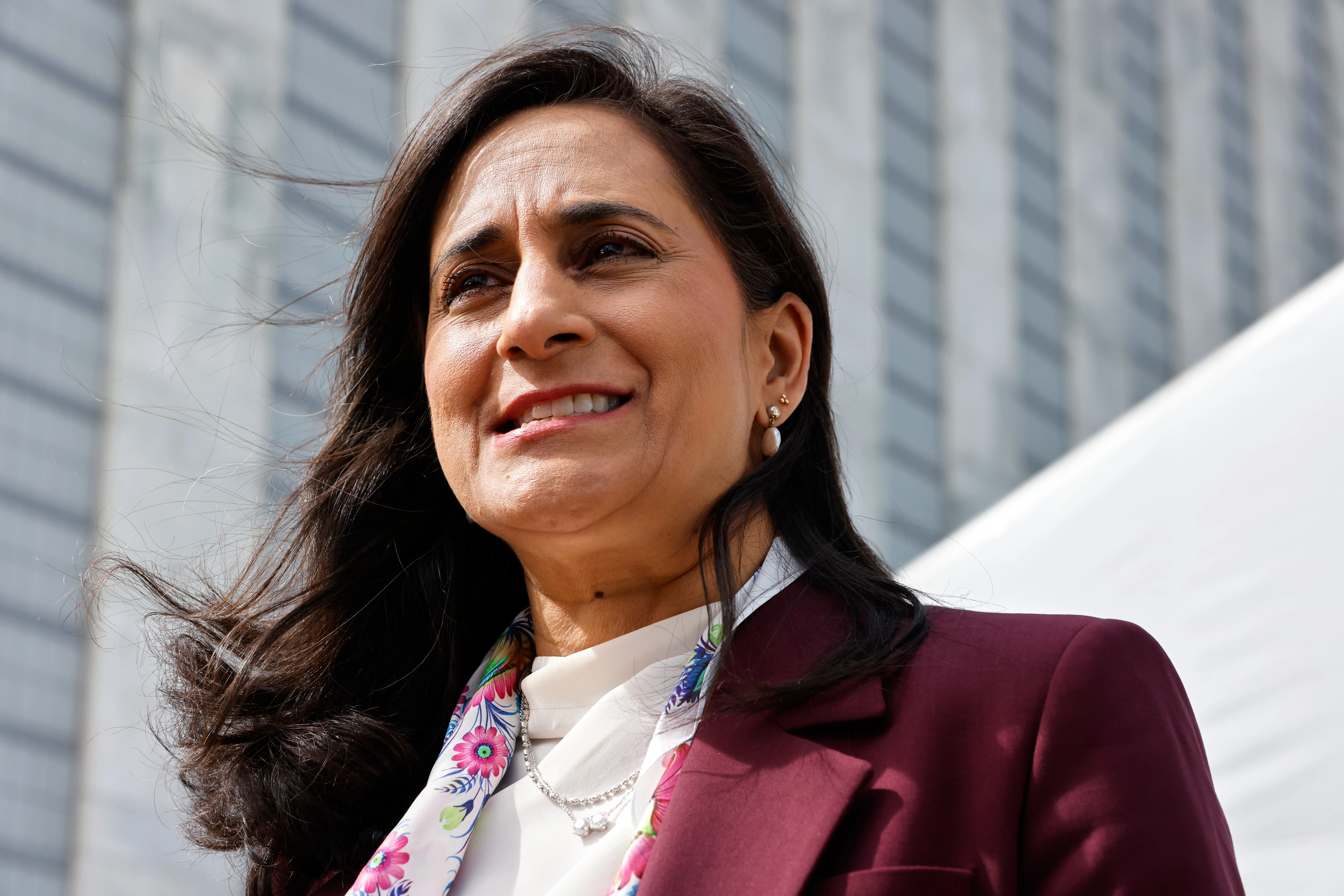
In her interview outside UN headquarters, Foreign Minister Anita Anand emphasized that this initiative is already bearing fruit, serving as a magnetic north for other medium-sized states anxious about the erosion of international law and institutional norms.
Supporting Context & Metrics: Navigating the Geopolitical Shift
Canada’s pivot is underpinned by a hard-headed assessment of its economic vulnerabilities and strategic assets. For decades, more than 75% of Canadian merchandise exports crossed the border into the United States. While geographic proximity and integrated supply chains made this an engine of prosperity, the return of American economic nationalism exposed a fatal vulnerability.
| Strategic Domain | Traditional Posture | Current Middle Power Strategy (2026) |
|---|---|---|
| Trade Policy | Heavy reliance on the United States (USMCA) | Active diversification aiming to double non-U.S. trade; targeting India and the EU. |
| Multilateralism | Passive participation within traditional U.S.-led frameworks | Co-founding assertive coalitions like "Partners for Multilateralism." |
| Defense & Security | Continental defense via NORAD with minimal friction | Heightened Arctic defense investments, advanced radar acquisitions, and robust Ukraine support. |
| Diplomatic Tone | Quiet diplomacy and consensus-building | "Principled pragmatism," explicit defense against superpower coercion. |
Furthermore, Canada’s renewed middle power strategy is not limited to economics. It extends deep into territorial security, most notably in the Arctic, where melting ice has opened new sea lanes coveted by rival powers like Russia and China. Ottawa’s recent procurement of advanced radar surveillance planes—developed in partnership with Sweden’s Saab and Canada’s Bombardier—underscores a determination to secure its sovereign northern frontiers independently of traditional American security umbrellas, if necessary. Simultaneously, Canada has maintained its steadfast commitment to aiding Ukraine, marking its fourth consecutive year of financial, logistical, and military assistance in the face of ongoing Russian aggression.
Official Statements and Diplomatic Rhetoric
The ideological framing of Canada’s foreign policy renaissance was on full display during interviews and addresses throughout the opening week of the UN General Assembly.
Foreign Minister Anita Anand underscored the collaborative hunger among nations feeling squeezed by great power competition:
"This is, of course, a key moment because so many countries from around the world come to have conversations about their respective foreign policies. And many middle powers indeed look to Canada, look to us, to lead in this conversation."
Anand explicitly linked Canada’s disparate policy tracks—ranging from transatlantic security and Arctic defense to trade diversification—into a cohesive doctrine:
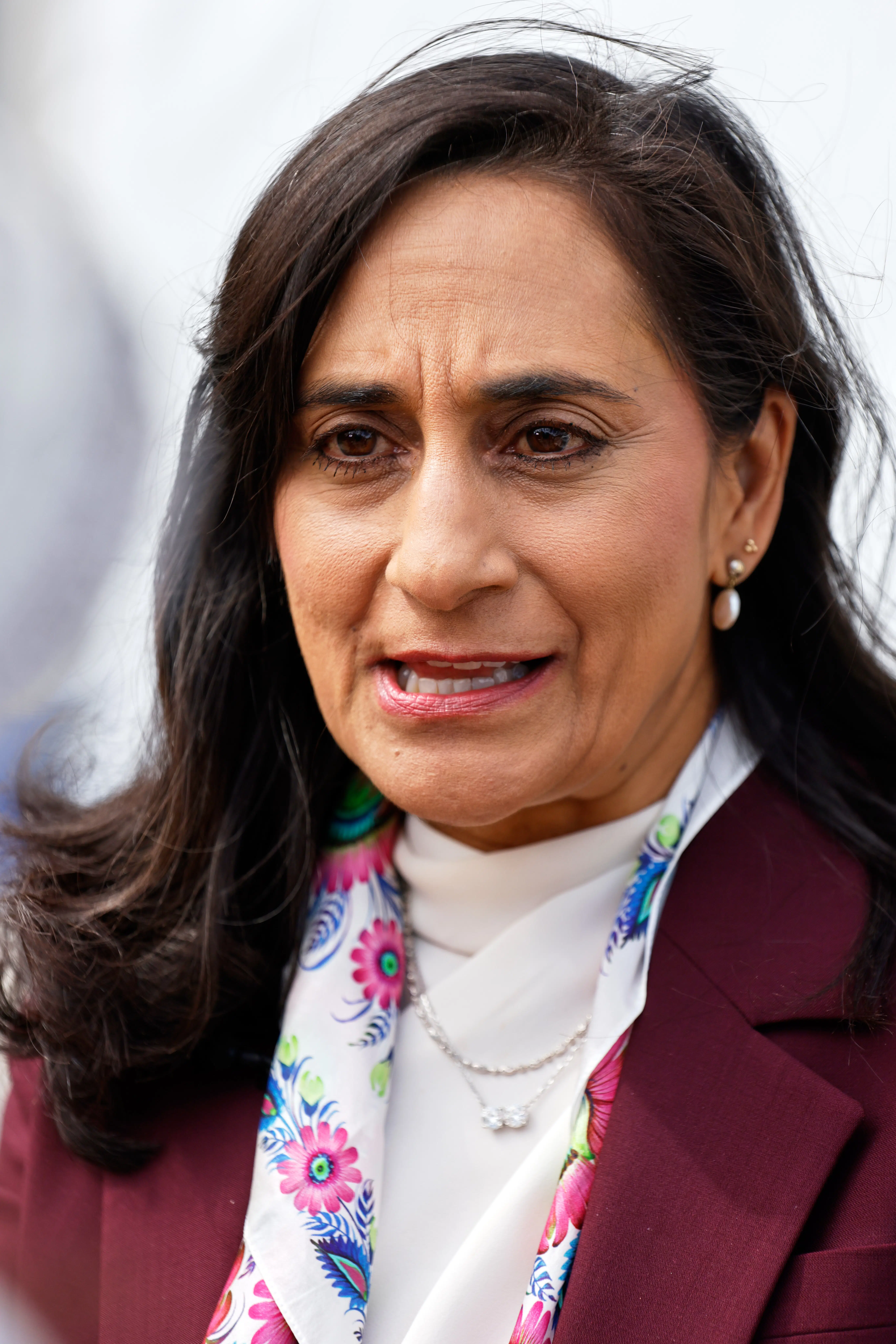
"It provides an impetus for like-minded countries to come to the table. We are all seeing the geopolitical shifts in the global environment… Our message will be very much about implementing the middle power strategy."
Describing the administration’s overarching worldview as one of "principled pragmatism," Anand signaled that Ottawa is shedding old diplomatic taboos in favor of flexible, transactional alliances designed to maximize national resilience.
In stark contrast, U.S. President Donald Trump’s address to the General Assembly bypassed Canada entirely. Instead, Trump focused his remarks on projecting unilateral American strength, celebrating the U.S. economy, military prowess, and technological dominance, while welcoming international investments to what he characterized as "the hottest country anywhere in the world." The omission of America’s closest neighbor and largest trading partner spoke volumes, implicitly validating Carney’s earlier warning that middle powers can no longer rely on historical assumptions of perpetual alliance.
Future Outlook: Challenges and Horizons
As the 81st session of the United Nations General Assembly proceeds, Canada faces a demanding testing ground for its new foreign policy doctrine. The primary challenge for Prime Minister Carney and Foreign Minister Anand will be execution: translating rhetorical solidarity among middle powers into binding trade agreements, reliable security guarantees, and actionable diplomatic frameworks.
- Trade Diversification Hurdles: Doubling non-U.S. trade within a decade is an ambitious economic target. Successfully concluding a free-trade agreement with India while deepening ties with the European Union will require overcoming significant regulatory, agricultural, and geopolitical hurdles.
- The American Factor: Navigating relations with Washington under an administration prone to sudden tariff escalations and protectionist edicts will require constant vigilance. Canada must prove it can withstand economic bullying without succumbing to domestic political fractures.
- Institutional Reform: Through the "Partners for Multilateralism" framework, Canada has chained its diplomatic prestige to the revitalization of international institutions. If the U.N. Security Council and related bodies remain deadlocked by great power vetoes, Ottawa’s multilateral faith risk being exposed as toothless.
Ultimately, Canada’s gamble is that the middle of the global hierarchy is where the future of international stability lies. By refusing to be sidelined in a world increasingly dominated by bilateral superpower rivalries, Ottawa has chosen to forge a path of pragmatic independence—one that could redefine the role of middle powers for the remainder of the 21st century.

0 Comments