

Executive Overview
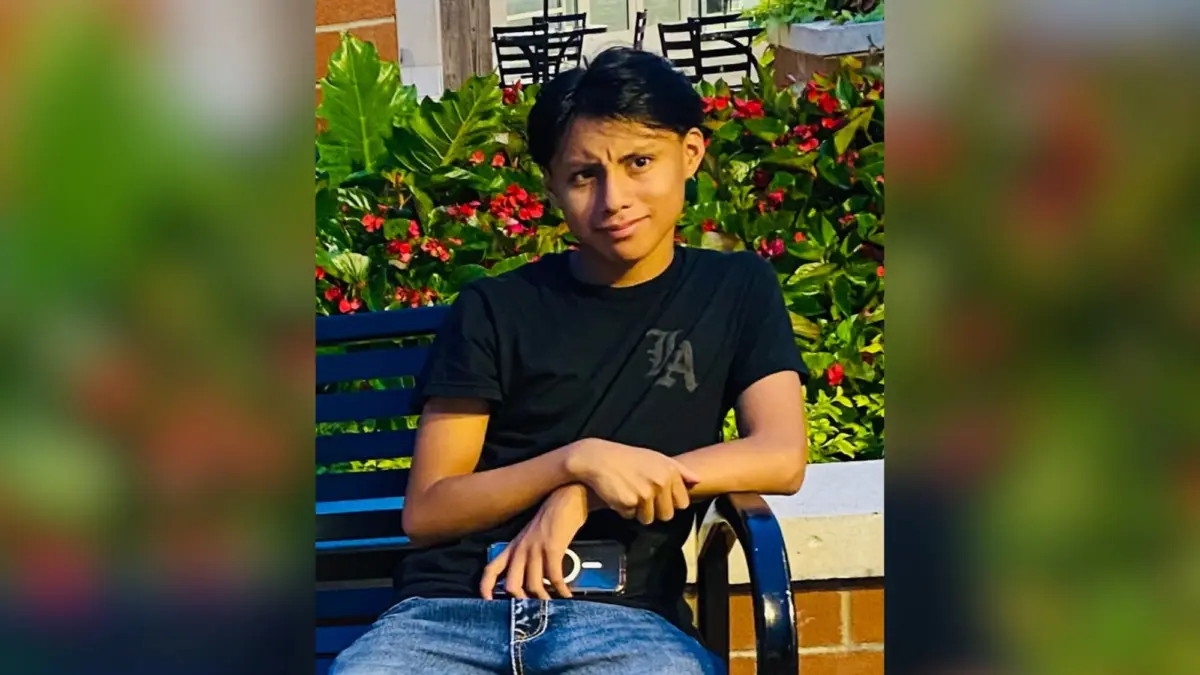
ATLANTA — In the quiet wake of a weekend that shifted from routine recreation to profound sorrow, the community of Rome, Georgia, is grappling with an unimaginable loss. Bairon Candido Ramos Vicente, a 16-year-old junior at Rome High School and an enthusiastic student-athlete, passed away after collapsing on a soccer field on Friday afternoon. The sudden and unexpected nature of his death has sent shockwaves through Floyd County, leaving family, friends, classmates, and educators struggling to process the abrupt departure of a young life full of promise.
While preliminary details surrounding the incident remain limited, the tragedy has once again cast a national spotlight on the vulnerability of young athletes and the unpredictable nature of sudden medical emergencies during physical exertion. Bairon was remembered by those closest to him not for grand ambitions or loud proclamations, but for his quiet demeanor, his steady presence, and his remarkable ability to illuminate a room with his smile.
As authorities and medical examiners work to determine the exact cause of death, the broader community has mobilized to support Bairon’s grieving family, raising funds to alleviate the crushing financial burdens of unexpected hospital bills and funeral services. Simultaneously, school district officials have stepped forward to offer grief counseling and psychological support services to students and staff navigating the harrowing aftermath of this catastrophe. This comprehensive report examines the sequence of events, the context of youth athletic safety, institutional responses, and the path forward for a mourning community.
Detailed Chronology of Events
The Incident on the Field
The events unfolded on a fateful Friday afternoon, a time typically reserved for the youthful exuberance and athletic competition characteristic of high school weekends. According to information verified by local news affiliates and community organizers, Bairon was participating in a soccer match outside of school hours when the medical emergency occurred.
Without warning, the 16-year-old junior collapsed on the playing field. Witnesses and bystanders immediately rushed to his aid, initiating emergency protocols and contacting local emergency medical services. Paramedics arrived promptly at the scene, rendering emergency life-saving measures before transporting Bairon to a nearby medical facility for intensive intervention.
Despite the rapid response of medical personnel and the exhaustive efforts of attending physicians, Bairon could not be revived. The exact timeline from the moment of his collapse to his ultimate passing has not been publicly detailed by medical authorities, out of respect for the family’s privacy and pending the finalization of official medical examiner reports.
The Immediate Aftermath
News of the collapse and subsequent passing rippled through the Rome High School community over the weekend. Because the incident occurred away from school grounds and outside the purview of official athletic league practices, initial reports circulated informally via social media networks and messaging apps among students, creating a wave of shock and disbelief.
By Sunday, verified information began to crystallize, anchored by the launch of an official fundraising initiative. Friends of the family established a GoFundMe campaign titled "Honoring Bairon’s Memory" to help defray the mounting expenses associated with emergency medical care and memorial arrangements. The outpouring of community support was immediate, reflecting the quiet yet profound impact Bairon had made on those around him.
Supporting Context & Metrics: Youth Athletic Safety and Sudden Cardiac Incidents
The sudden collapse and death of a seemingly healthy adolescent athlete inevitably raises urgent questions regarding the safety of youth sports, the prevalence of underlying medical conditions, and the protocols in place for emergency medical responses.
Understanding Sudden Cardiac Arrest in Young Athletes
While Bairon’s official cause of death has not been formally released by medical examiners as of this writing, sudden collapses during athletic activity frequently draw attention to Sudden Cardiac Arrest (SCA) and other hidden cardiovascular anomalies. According to data compiled by the American Heart Association (AHA) and the Centers for Disease Control and Prevention (CDC), sudden cardiac death is the leading cause of death in young athletes, though its precise incidence rate remains a subject of ongoing epidemiological study.
Estimates vary widely, ranging from 1 in 40,000 to 1 in 80,000 young athletes annually. Conditions such as hypertrophic cardiomyopathy (HCM), anomalous coronary arteries, long QT syndrome, and myocarditis often remain asymptomatic until triggered by the high physical demands of competitive sports. When an adolescent collapses on a field, the critical window for intervention—often measured in minutes—depends heavily on the immediate availability of Cardiopulmonary Resuscitation (CPR) and Automated External Defibrillators (AEDs).
The Broader Community Impact
Beyond physical health metrics, the psychological toll of losing a peer during adolescence is profound. Educational psychologists note that the death of a student-athlete can trigger acute grief reactions, anxiety, and existential distress among classmates. High school students, who are in a critical developmental phase of identity formation, often struggle to reconcile the sudden mortality of a peer. Consequently, the mobilization of institutional crisis response teams is not merely a formality, but an essential public health intervention to mitigate long-term psychological trauma within the student body.
Official Statements and Institutional Responses
Rome City Schools’ Official Position
In the wake of the tragedy, Rome City Schools issued a formal clarification regarding the nature of the incident, emphasizing that the event did not occur on school property and was not sanctioned, organized, or supervised by the high school athletic department.
Speaking to regional media outlets, including Telemundo Atlanta, district representatives sought to clarify the jurisdictional context while ensuring that the school’s primary focus remained on supporting its grieving student body.
In a statement released to the public, Rome City Schools expressed profound sorrow:
"Rome City Schools is deeply saddened by the tragic loss of a Rome High School student. Our thoughts, prayers, and deepest condolences are with his family, friends, and loved ones during this unimaginably difficult time."
Mobilization of Support Services
Recognizing the deep bonds shared among students at Rome High School, district leadership deployed crisis intervention teams, guidance counselors, and mental health professionals to campus. These professionals were made available to provide grief counseling and emotional support to students, teachers, and coaches struggling to process the loss of a classmate and friend.
Administrators underscored that resources would remain available for as long as necessary, encouraging any student experiencing distress to reach out to school counselors or utilize local mental health support networks.
Family and Community Tributes
The most poignant insights into Bairon’s character have come from those who knew him best—his family, friends, and peers. The organizers of the community fundraiser captured the essence of the young athlete’s personality in a heartfelt tribute shared online:
"Bairon passed away doing what he loved and being with his friends. He never really was the type to talk much, but he always managed to put a smile on everyone’s face, and he will be forever missed."
This sentiment resonated deeply across social media platforms, where classmates shared photographs, memories, and messages of condolence. Many remembered him as a reliable teammate who let his actions, rather than his words, define his character. Whether on the pitch or in the classroom, Bairon’s understated warmth left an indelible mark on those he encountered.
Future Outlook: Healing, Prevention, and Community Resilience
As the community of Rome, Georgia, begins the long and arduous process of healing, several critical conversations are emerging regarding youth safety, community support, and the preservation of Bairon’s memory.
Navigating the Grief Process
In the coming weeks, the primary focus for Rome High School and the surrounding community will be sustained emotional support. While initial vigils and memorials provide an immediate outlet for collective mourning, experts emphasize that long-term psychological support is essential for adolescents navigating trauma. School administrators and local community organizations are coordinating to ensure that mental health resources remain accessible not only during the immediate aftermath but throughout the remainder of the academic year.
Heightened Awareness in Youth Sports
Tragedies of this nature inevitably prompt a re-evaluation of safety protocols across amateur and youth athletic organizations. While Bairon’s collapse occurred outside of school-sponsored events, sports leagues, community organizers, and parents across Northwest Georgia are re-examining the preparedness of local athletic fields. Discussions surrounding the mandatory presence of trained medical personnel, accessible AEDs at all community sporting venues, and comprehensive pre-participation physical evaluations are gaining renewed urgency among local athletic advocates.
Honoring a Legacy
Ultimately, the memory of Bairon Candido Ramos Vicente will live on through the lives he touched during his sixteen years. The community’s rapid mobilization to support his family highlights the strength and compassion inherent in Rome, Georgia. As funeral arrangements are finalized and loved ones prepare to say their final goodbyes, the community stands united in grief, determined to ensure that Bairon’s gentle spirit, infectious smile, and passion for the game are never forgotten.
For readers wishing to support Bairon’s family during this difficult time, contributions can be made through the verified GoFundMe campaign established to assist with funeral and medical expenses.

0 Comments