

Executive Overview
The American cattle complex is facing a period of intense pressure, marked by tumbling market valuations, ongoing environmental stressors, and significant structural shifts within the meatpacking industry. Following the close of markets, the United States Department of Agriculture (USDA) released its highly anticipated monthly Cattle on Feed report. Rather than providing a stabilizing force for a struggling sector, the data underscored the deep-seated challenges facing producers, feedlot operators, and industry stakeholders nationwide.
Market analysts have offered stark assessments of the current landscape, with some characterizing the trajectory of live and feeder cattle futures as a "train wreck in slow motion." Both live and feeder cattle contracts concluded the trading week hovering near nine-month lows, erasing significant gains made earlier in the year.
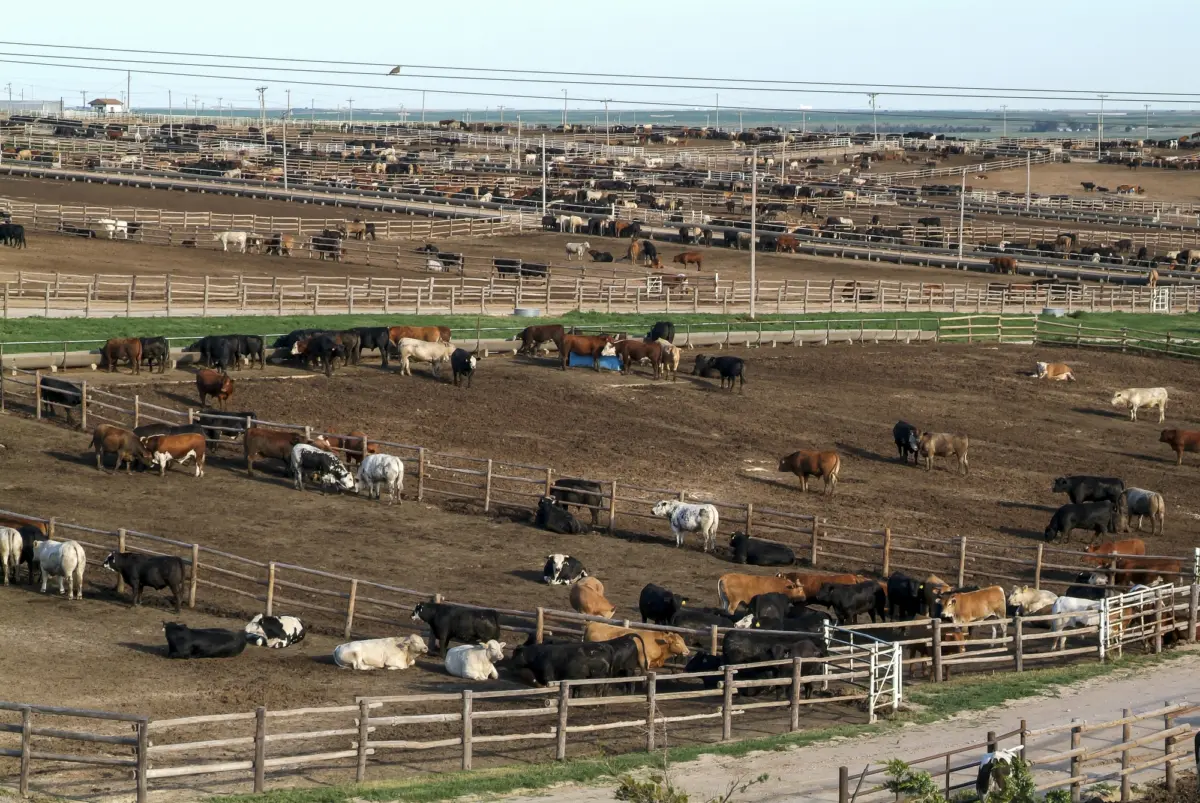
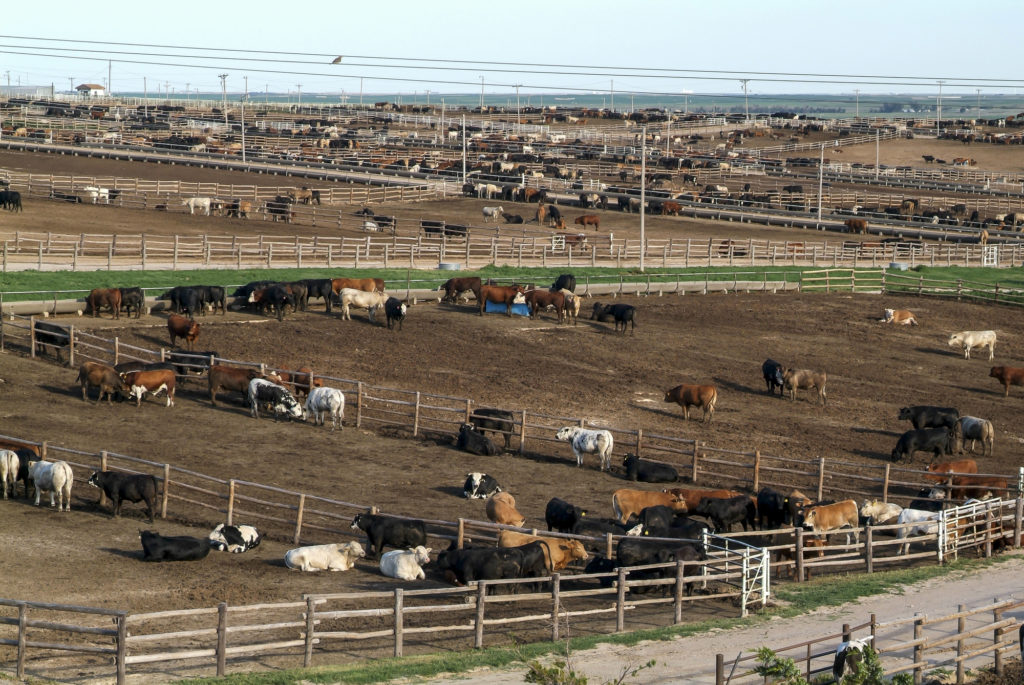
This downward spiral is not driven by a single factor, but rather by a compounding convergence of operational hurdles. Feedlot operators across the crucial production hubs of the Great Plains are battling severe late-summer heat stress, which negatively impacts average daily gains and overall livestock health. Concurrently, structural contraction in the processing sector—highlighted by recent plant closures and divestitures by major processor Tyson Foods—has left producers with fewer marketing outlets.
While the latest USDA figures indicate a modest 2% year-over-year increase in total cattle on feed, a closer examination reveals declining placement and marketing rates that point to a cooling industry. As producers navigate tightening margins, logistical bottlenecks, and extreme weather patterns, the road ahead remains fraught with uncertainty, prompting urgent calls for strategic adaptation across the entire agricultural supply chain.
Detailed Chronology: The Road to the August Report
The events leading up to the release of the USDA’s August Cattle on Feed report reflect a protracted period of market volatility and mounting operational stress for commercial cattle producers. To understand the current state of the livestock complex, it is necessary to examine the cascading developments that have defined the agricultural sector over the past several months.
Spring to Mid-Summer: The Accumulation of Pressures
Throughout the spring and early summer, cattle producers enjoyed a relatively resilient pricing environment supported by tight national herd numbers, a legacy of multi-year droughts that forced widespread liquidation across the West and Great Plains. However, underlying vulnerabilities began to emerge by late June and early July. Feed costs, while down from their historic highs, remained elevated enough to squeeze finishing margins.
As temperatures began to climb steadily in July, weather patterns across the primary feeding regions shifted into a punishing routine of excessive heat and humidity. Feedlot managers were forced to expend considerable resources on mitigation strategies—such as installing sprinkler systems, increasing water availability, and altering feeding schedules—to prevent widespread heat stress and mortality. Despite these efforts, cattle performance lagged behind seasonal averages, extending days on feed and backing up supplies in commercial yards.
The Processing Bottleneck
Compounding the biological challenges of summer feeding was a seismic shift in the processing sector. For months, whispers of operational streamlining by major meatpackers had kept producers on edge. The announcement by Tyson Foods that it would permanently close two processing facilities and sell a third sent immediate shockwaves through the regional cash markets.
These closures abruptly stripped millions of pounds of weekly processing capacity from the system, abruptly altering the supply-demand balance. Feedlots that had relied on these facilities for consistent, predictable movement of market-ready cattle suddenly found themselves scrambling for alternative buyers. The loss of processing competition weakened regional basis levels, leaving producers with reduced leverage in cash negotiations and triggering a wave of long liquidation among speculative traders in the futures pits.
The Release and Immediate Aftermath
Against this tense backdrop, market participants pinned their hopes on the USDA’s monthly Cattle on Feed data for directional clarity. Analysts hoped the report would either confirm a definitive contraction in supply—potentially sparking a technical rally—or provide definitive numbers on placements that could alleviate fears of an impending bottleneck.
Instead, the report’s release after the market close offered little emotional or financial comfort. The headline numbers confirmed fears of a sluggish market pipeline. As trading resumed, the psychological weight of the data, combined with ongoing fundamental headwinds, solidified the week’s close near nine-month lows for both live and feeder cattle contracts. Market sentiment quickly shifted from cautious optimism to defensive damage control.
Supporting Context & Metrics: Breaking Down the USDA Data
The official USDA Cattle on Feed report provides a vital snapshot of the nation’s feedlot inventory, placements, and marketings. For agricultural economists and market analysts, the localized percentages tell a complex story of an industry balancing high input costs against slowing throughput.
National Inventory Up, But Activity Slows
According to the USDA data, the total number of cattle and calves on feed for the slaughter market in feedlots with capacity of 1,000 or more head stood up 2% compared to the same period a year ago. While an increase in total inventory typically signals robust supply, analysts emphasize that this figure must be viewed in context with declining placement and marketing rates.
+-----------------------------------+-----------------------+
| USDA Cattle on Feed Metrics       | Year-Over-Year Change |
+-----------------------------------+-----------------------+
| Total Cattle on Feed (1,000+ head)| +2%                   |
| July Placements                   | -6%                   |
| July Marketings                   | -7%                   |
+-----------------------------------+-----------------------+
Placements Drop Sharply in July
Net placements of cattle and calves into feedlots during July dropped 6% compared to the previous year. This contraction in placements reflects several interacting dynamics:
- Tight Feeder Supplies: Years of herd liquidation have resulted in fewer calves available for placement into feedlots.
- Cautious Purchasing: Cow-calf operators and backgrounders are weighing the high cost of gain against depressed fed-cattle futures, leading many to hold onto cattle on grass longer or market them through alternative channels.
- Weather Impacts: Pasture conditions in certain regions have held up better than in previous drought years, giving producers the flexibility to retain ownership of backgrounded cattle rather than sending them prematurely to commercial yards.
Marketings Reflect Processing Constraints
Perhaps the most telling metric in the report was the 7% decrease in marketings—cattle shipped out of feedlots to slaughter—during July. This steep decline directly corroborates the operational realities on the ground. With major processing plants shuttered or operating at reduced speeds, feedlots simply could not move animals out at the usual pace.
This slowdown in marketings creates a bottleneck effect: cattle remain in the yards longer, consuming more feed, gaining excess weight (which can discount their value at the packing plant), and driving up cost-of-gain metrics for operators. The bottom-line message of the report is clear: the pipeline is experiencing frictional drag at both ends, with fewer animals entering the system and an even slower rate of finished animals leaving it.
Official Statements and Industry Perspectives
The agricultural community, ranging from Wall Street commodity analysts to boots-on-the-ground feedlot operators, has responded to the report and current market conditions with a mixture of frustration and pragmatic caution.
The Analyst Perspective: A "Train Wreck in Slow Motion"
Financial and commodity analysts have not minced words regarding the current state of the cattle complex. One prominent livestock analyst described the market’s multi-week descent as "a train wreck in slow motion," highlighting the gradual, compounding nature of the pressures facing the sector rather than a sudden, isolated shock.
"The market is dealing with an accumulation of structural friction," the analyst noted. "You have weather stress eroding animal performance, a processing sector that is actively contracting and shedding capacity, and a futures market that has completely disconnected from historical seasonal norms. The August report confirmed that marketings are sluggish and placements are tapering, but it didn’t offer any silver bullet to reverse the bearish sentiment currently dominating the pit."
Feedlot Realities in the Plains
On the front lines of production, feedlot operators in Kansas, Nebraska, and the broader Plains region are grappling with immediate operational crises. The persistent late-summer heat stress has forced management teams to invest heavily in mitigation infrastructure.
Furthermore, the news of Tyson Foods closing two plants and selling a third has fundamentally altered the competitive landscape for fed cattle. Independent feedlot owners report feeling increasingly squeezed. "When you lose major packing capacity in your operational radius, your negotiating power evaporates overnight," shared a Kansas feedlot manager. "You’re suddenly competing with every other yard in the region for space on a shorter slaughter schedule. That reality is reflected in the cash bids we are seeing today."
Broader Agricultural Context and Industry Events
Even as the livestock sector navigates these headwinds, the broader agricultural machinery and agronomy sectors continue to plan for the future. Industry gatherings, such as the upcoming Farm Progress Show, serve as critical forums for producers to evaluate new technologies and operational strategies. Notably, expansions within the event’s agronomy zone—featuring agricultural service providers like the team at Helena—highlight the ongoing push for efficiency in feed production, soil management, and crop-livestock integration. Producers attending these events are increasingly looking for ways to optimize their input costs and build resilience into their overall farming and ranching operations.
Future Outlook: Navigating the Headwinds
As the cattle industry looks toward the autumn and winter months, the path to market stabilization will depend on how quickly the supply chain can absorb recent shocks and adapt to structural changes.
Short-Term Pain vs. Long-Term Fundamentals
In the immediate term, live and feeder cattle futures are expected to remain under pressure as the market digests the August Cattle on Feed data and accounts for reduced processing capacity. Technical traders note that until cash markets establish a definitive floor and show consistent strength, speculative money is likely to remain on the sidelines or maintain short positions.
However, long-term industry fundamentals continue to offer a glimmer of hope. The underlying U.S. beef cow inventory remains historically tight following years of drought-induced liquidation. Once the processing sector fully absorbs the recent closures and operations normalize at remaining facilities, the fundamental scarcity of market-ready cattle could reassert itself, providing renewed upward momentum to prices.
Key Variables to Watch
Industry stakeholders will be closely monitoring several critical indicators over the coming months:
- Weather Transitions: The anticipated shift from summer heat to cooler autumn temperatures will bring much-needed relief to feedlot cattle, improving average daily gains and reducing mortality risks.
- Packer Utilization Rates: Monitoring slaughter numbers and processing plant margins will reveal how effectively the remaining packing infrastructure is absorbing the national inventory.
- Consumer Demand: Domestic beef demand remains a cornerstone of the market. Retail price resistance and export demand trends will dictate whether consumers continue to absorb higher beef prices at the meat counter.
- Feed Grain Markets: The cost of corn and other feed ingredients will play a decisive role in determining the cost-of-gain for feedlot operators moving into the fourth quarter.
Ultimately, while the August Cattle on Feed report and current market lows present significant hurdles, the American cattle industry has historically demonstrated resilience through cyclical downturns. Producers and feedlot operators who focus on operational efficiency, risk management, and strategic marketing will be best positioned to weather the current storm and capture value when market fundamentals inevitably realign.

0 Comments