
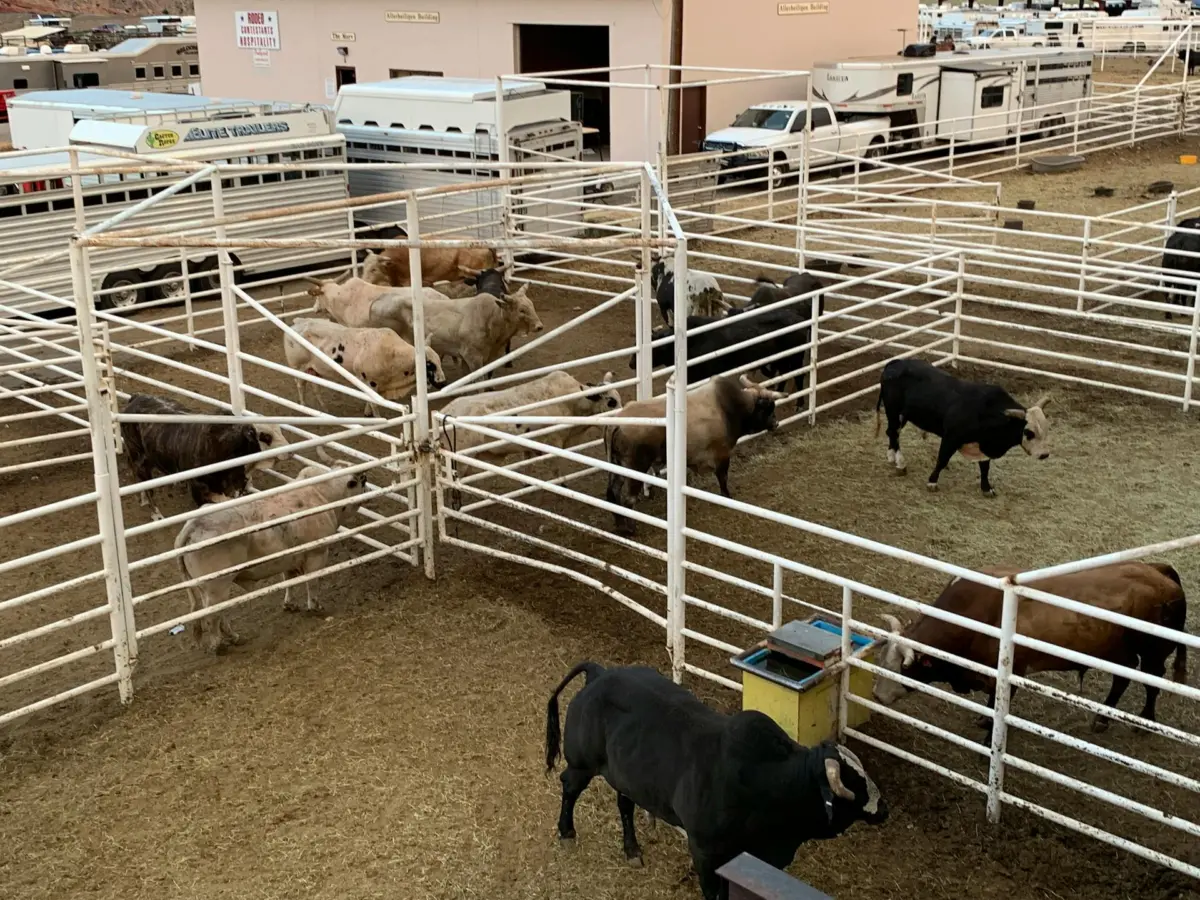

By Agricultural Market Desk
Published August 28, 2026
Executive Overview
As the agricultural sector prepares to turn the page on August, livestock markets are demonstrating notable resilience. According to the latest assessments from bottom-line livestock analysts, both live cattle and feeder cattle contracts are successfully holding their recent floors and pointing toward upward momentum heading into the final stretch of the summer trading cycle.
For October live cattle contracts, market watchers anticipate prices holding comfortably above the 2.12 threshold, while October feeder cattle are projected to maintain a strong position well above the 3.22 mark. These levels provide a reassuring buffer well clear of their respective 52-week lows, offering producers and traders alike a measure of confidence. However, seasoned analysts caution that market participants must remain vigilant. Recent price actions have reinforced the importance of keeping a close eye on critical historical supports—specifically 196.75 for October live cattle and 287.45 for October feeder cattle.
Against this backdrop of cautious optimism, the agricultural community is also turning its attention toward major upcoming industry gatherings. Next week’s highly anticipated Farm Progress Show will serve as a central hub for innovation, featuring expanded exhibits such as the brand-new agronomy zone hosted by Helena at Exhibit Areas 1359 and 1360. This comprehensive report breaks down the current state of the livestock markets, evaluates key technical thresholds, examines underlying market fundamentals, and previews the cutting-edge agronomic solutions set to take center stage.
Detailed Chronology of August Market Movements
To understand where the cattle market is heading, it is necessary to examine the trajectory that brought prices to their current standing through the month of August.
Early-August Retrenchment and Stabilization
The month began with heightened volatility across the cattle complex. Late-summer heat, shifting consumer demand profiles, and fluctuating feed grain costs created a complex environment for feedlot operators. During the first two weeks of August, October live cattle contracts faced persistent downward pressure, testing the patience of bullish traders. However, rather than breaching critical technical supports, the market found heavy buying interest near the lower boundaries of its recent trading range.
By mid-August, the downside momentum began to stall. Commercial buyers and backgrounders stepped in, recognizing that current valuations offered attractive entry points given the broader structural tightness in national herd inventories. This infusion of buying support formed a reliable floor, allowing the market to consolidate and build a base for a late-month recovery.
Late-August Consolidation and Upward Bias
As the calendar winds down toward the close of August, the market narrative has shifted from defense to cautious offense. October live cattle have successfully established a foothold above the 2.12 technical level, while October feeder cattle have solidified their position well above 3.22. This price action reflects a growing consensus among bottom-line analysts that the worst of the summer correction may be in the rear-view mirror, paving the way for a more constructive trading environment as autumn approaches.
Despite this positive bias, market experts emphasize that complacency is dangerous. The proximity of recent multi-month lows serves as a constant reminder of the speed with which market sentiment can shift. Traders continue to monitor cash market developments in the Plains and Corn Belt regions, where packer demand and feedlot marketing rates remain the primary drivers of short-term price discovery.
Supporting Context & Technical Metrics
A deeper dive into the numbers reveals the delicate balance currently governing the cattle futures and cash markets. Technical analysis provides crucial boundaries for risk management as producers navigate the closing months of the year.
Deconstructing the Key Price Thresholds
To fully appreciate the current market structure, one must analyze the spread between current trading projections and the established 52-week extremes:
-
October Live Cattle:
- Current Projected Floor: Holding securely above the 2.12 level.
- 52-Week Low Reference: 196.75.
- Market Implication: The substantial buffer between current projections and the 52-week low indicates that structural supply constraints are effectively supporting prices, preventing deeper sell-offs even during periods of macro-economic uncertainty.
-
October Feeder Cattle:
- Current Projected Floor: Maintaining strength well above the 3.22 level.
- 52-Week Low Reference: 287.45.
- Market Implication: Feeder cattle continue to command premium valuations, driven by intense competition for available calves among backgrounders and feedlots. The distance from the 287.45 annual low underscores the ongoing scarcity of replacement animals nationwide.
Macro-Economic and Input Cost Influences
Beyond pure chart mechanics, the broader economic ecosystem plays a vital role in shaping livestock valuations:
- Feed Grain Dynamics: Corn and soybean meal prices have experienced localized fluctuations, directly impacting feeding economics. Stable-to-favorable feed costs allow cattle feeders to bid more aggressively for incoming feeder animals, providing structural underlying support to the feeder complex.
- Consumer Demand Resilience: Despite broader inflationary pressures on household budgets, domestic demand for beef has remained remarkably durable. Retailers continue to feature beef cuts aggressively, sustaining wholesale cutout values and trickling back positive margins to packers and feedlots.
- Herd Inventory Retrenchment: USDA cattle inventory reports continue to highlight a national cow herd that remains near multi-decade lows. This fundamental constraint ensures that supply-side shocks are heavily amplified on the upside, limiting the depth of any cyclical price corrections.
Industry Perspectives and Field Reports
Navigating the complexities of modern agriculture requires a constant exchange of insights between market analysts, producers, and agricultural supply innovators.
The Bottom-Line Analyst Perspective
According to veteran market commentators reporting for the agricultural network, the overarching sentiment is one of calculated confidence. "Seeing is believing," notes market reporting teams tracking the day-to-day fluctuations of the sale barns and futures pits. While technical analysts warn against ignoring the ultimate downside markers—196.75 for live cattle and 287.45 for feeders—the prevailing weight of evidence points toward stability.
Producers are being advised to utilize risk-management tools, such as options strategies and livestock risk protection (LRP) insurance, to lock in favorable margins while avoiding panic selling near technical floors. The ability of the market to shrug off bearish outside macro headlines throughout August speaks volumes about the underlying health of the cattle cycle.
Innovation on Display: The Upcoming Farm Progress Show
As market participants gather to assess financial risk, physical agricultural innovation will take center stage next week at the premier Farm Progress Show. This year’s event promises a comprehensive look at the cutting edge of crop production, livestock management, and operational efficiency.
A major focal point for attendees will be the unveiling of the brand-new agronomy zone. Industry leaders are mobilizing in full force to showcase technologies designed to maximize yields, optimize input costs, and enhance soil health. Among the key industry partners participating in the exhibition is Helena, whose team will be stationed at Exhibit Areas 1359 and 1360.
Helena’s presence at the show underscores a core industry philosophy: where innovation never stops. From advanced crop protection products and precision fertility programs to specialized adjuvants and data-driven agronomic consulting, the team will be on hand to demonstrate how integrated crop management directly supports the entire agricultural supply chain—ultimately tying back to the feed grains that power the livestock sector.
Future Outlook: Navigating the Autumn Transition
Looking ahead past the final days of August and into the heart of the fall season, market participants face a dynamic operational landscape. Several key catalysts will dictate the trajectory of cattle markets over the coming months:
1. Seasonal Demand Shifts
As cooler autumn weather approaches, consumer dietary preferences traditionally shift toward heavier cuts of beef, favoring roasting and grilling varieties associated with the fall holidays. This seasonal transition typically provides a supportive tailwind for wholesale beef prices, which in turn can bolster cash market negotiations for fed cattle.
2. Calf Crop Musters and Fall Auctions
The coming weeks will see the annual influx of autumn-weaned calves hitting auction barns across the country. This massive seasonal movement of feeder cattle will test the depth of buyer demand. Given that October feeders are holding well above 3.22, cow-calf producers entering the fall marketing window have strong economic incentives, provided that grazing conditions and pasture health hold up through late-season weather patterns.
3. Integration of Technology and Efficiency
Long-term profitability in the livestock and crop sectors will increasingly rely on operational efficiency. Events like the Farm Progress Show highlight how technological advancements—ranging from precision agronomy solutions offered by companies like Helena to automated feed monitoring systems—are helping producers squeeze every ounce of value out of their inputs. Navigating tighter margins means that adopting these innovations will no longer be optional for forward-thinking agricultural enterprises.
Conclusion
The cattle market stands at an intriguing crossroads as August draws to a close. Supported by solid technical floors—with October live cattle holding above 2.12 and October feeder cattle maintaining strength above 3.22—the sector displays underlying health despite the shadow of historical 52-week lows. By balancing rigorous risk management with a commitment to adopting cutting-edge agricultural innovations showcased at events like the Farm Progress Show, producers and industry stakeholders are well-positioned to meet the challenges and opportunities of the autumn season head-on.

0 Comments