

By Clint Thompson
Published in Agricultural News & Insights
Executive Overview
Agriculture remains the economic lifeblood of the American Southeast, and few states command as much influence in the fiber and legume sectors as Georgia. Known globally for its rich soils and optimal climate, the Peach State stands as a titan in both cotton and peanut production. To maintain this competitive edge, agricultural stakeholders must continually adapt to shifting environmental pressures, economic volatility, and evolving technological landscapes.
At the heart of this ongoing adaptation is the relationship between practical farming and academic research. Entering its highly anticipated annual window, the agricultural community is preparing for the 2026 Cotton and Peanut Research Field Day, scheduled for Wednesday, Sept. 2, at the University of Georgia (UGA) Tifton Campus.
Co-sponsored by the Georgia Cotton Commission (GCC) and the Georgia Peanut Commission (GPC), alongside the dedicated University of Georgia Extension Cotton and Peanut Teams, this premier event serves as the primary public showcase for cutting-edge agronomic studies. The field day bridges the gap between laboratory theories and real-world farm applications, providing growers, industry leaders, policymakers, and the general public with an exclusive, boots-on-the-ground look at where grower check-off dollars are being invested.
By offering a direct line of communication between top-tier university researchers and the hardworking men and women tending the fields, the event ensures that Georgia’s agricultural sector remains resilient, innovative, and economically viable for generations to come.
Detailed Chronology and Event Itinerary
For attendees planning to participate in the 2026 Cotton and Peanut Research Field Day, a structured itinerary ensures maximum exposure to ongoing research trials, expert commentary, and networking opportunities.
Morning Session: Field Tours at UGA Lang Farm
The day’s proceedings will kick off bright and early at 8:00 a.m. at the UGA Lang Farm, situated at 230 Rigdon Aultman Road in Tifton, Georgia.
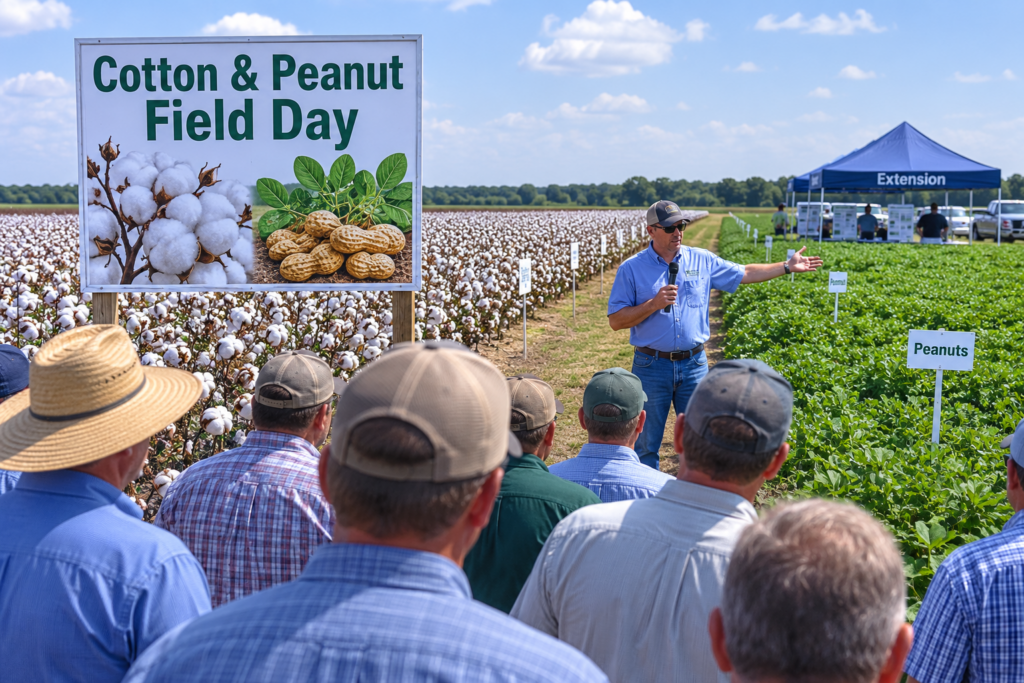
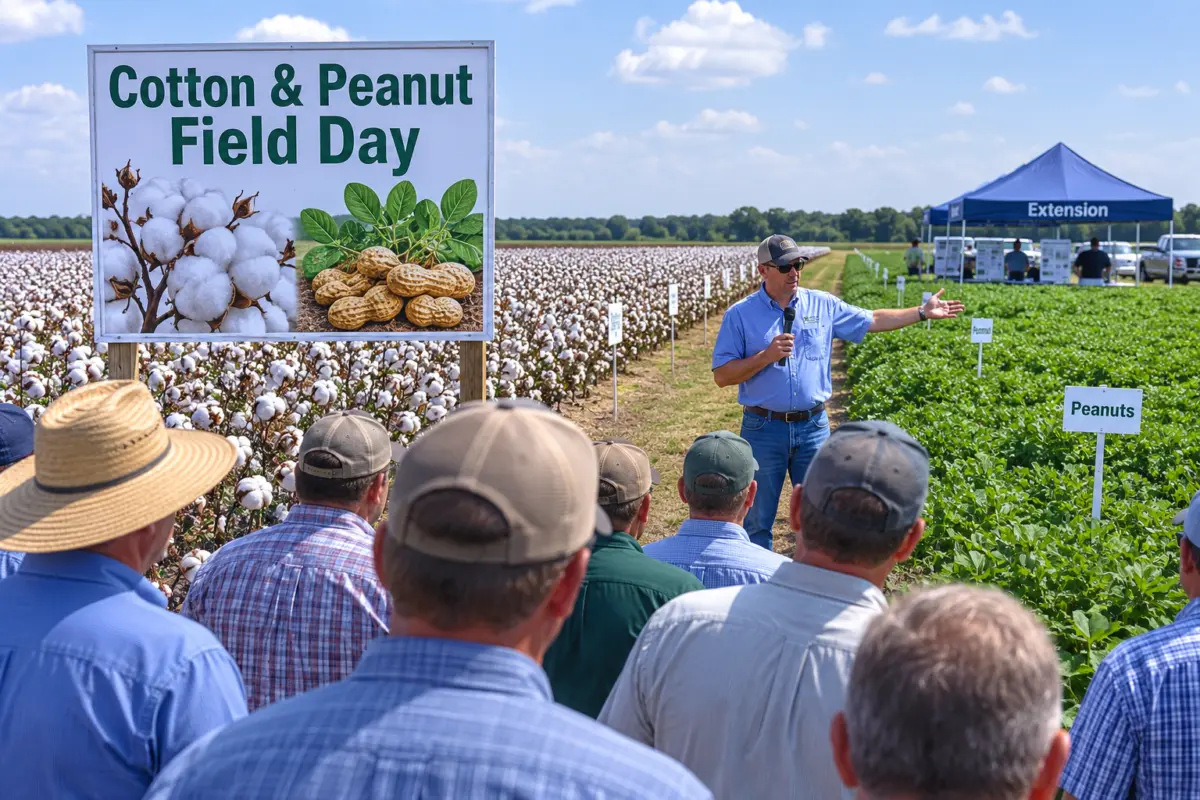
Upon arrival, participants will embark on guided field tours designed to showcase a wide array of active research plots. Unlike traditional indoor conferences where concepts are discussed via slideshow presentations, the Lang Farm layout allows attendees to physically walk the rows. Growers can inspect the visual impacts of various agronomic treatments firsthand.
Researchers stationed directly alongside their respective plots will lead concise, impactful presentations detailing:
- Innovative planting techniques and varietal trials.
- Advanced pest, weed, and disease management strategies.
- Precision agriculture implementations, including variable-rate irrigation and drone-assisted crop monitoring.
- Soil health initiatives and cover cropping trials designed to preserve long-term land productivity.
Afternoon Session: Conference Center Program and Lunch
Following the morning field tours, attendees will transition from the Lang Farm to the UGA Tifton Campus Conference Center.
This portion of the event shifts the focus toward synthesized data analysis, institutional updates, and community fellowship. A complimentary catered lunch will be provided for all registered guests, offering an ideal environment for farmers, agronomists, industry vendors, and university faculty to discuss morning observations.
Following lunch, a brief formal program will feature insights from commission leadership, key legislative updates affecting the agricultural supply chain, and keynote remarks addressing broader macroeconomic trends impacting global commodity markets.
RSVP and Logistical Details
While the Cotton and Peanut Research Field Day is a completely free event open to all interested parties, organizers strongly encourage participants to RSVP in advance. An accurate headcount is vital for the catered lunch and logistical coordination.
- Who to Contact: Mallory Marchant
- Email: [email protected]
- Phone: 229-386-3366
- Agendas and Updates: Detailed schedules and speaker line-ups can be accessed online via the official websites of the Georgia Cotton Commission and the Georgia Peanut Commission.
Supporting Context & Metrics: The Value of Check-Off Research
To truly appreciate the significance of the Cotton and Peanut Research Field Day, one must examine the economic weight of the industries it serves and the mechanics of agricultural check-off funding.

Georgia’s Agricultural Footprint
Georgia consistently ranks among the top states in the United States for both cotton and peanut production.
- Cotton: Georgia typically places second nationally in cotton acreage and total production, trailing only Texas in many production cycles. The state’s cotton industry contributes billions of dollars annually to the local economy, supporting ginners, input suppliers, logistics networks, and textile manufacturing.
- Peanuts: The Peach State proudly reigns as the undisputed "Peanut Capital of the United States," producing nearly half of the entire nation’s peanut crop annually. This dominance requires rigorous scientific backing to maintain quality standards, disease resistance, and yield optimization.
The Role of Check-Off Dollars
The research on display during the field day is largely financed through grower "check-off" programs. Under these federal and state-sanctioned programs, producers contribute a small, predetermined percentage of their crop’s sales value back into collective promotion, education, and research funds.
Dr. Scott Monfort, UGA Extension peanut agronomist, emphasizes the profound accountability embedded in this system:
"We do have the Cotton and Peanut Research Field Day. It’s sponsored by the Georgia Cotton Commission and the Georgia Peanut Commission. It is our public demonstration of what our research is. In other words, the people that are getting the grower dollars to do research, they’re kind of going through some of the things and talking about what their projects are so that the general public can come in and see them."
This transparency ensures that check-off investments yield tangible returns. Whether a project focuses on mitigating the devastating impacts of tomato spotted wilt virus in peanuts or combating herbicide-resistant Palmer amaranth (pigweed) in cotton fields, growers have a direct right to evaluate how their financial contributions translate into practical, field-ready solutions.
Official Statements and Perspectives from Agricultural Leaders
The collaborative nature of the field day highlights a unified front among academic institutions, commodity commissions, and individual farmers.
Bridging Academia and Real-World Farming
For decades, the University of Georgia Tifton Campus has served as a beacon of agricultural ingenuity. By partnering directly with the Georgia Cotton Commission and the Georgia Peanut Commission, UGA Extension specialists ensure that their academic endeavors remain firmly grounded in the realities of commercial farming.

Extension agents act as interpreters, translating complex genetic, pathological, and entomological data into digestible, actionable advice. Events like the Field Day eliminate bureaucratic filters, allowing researchers and farmers to engage in unfiltered dialogue. When a grower notices an unexpected anomaly in their fields—such as localized nutrient deficiencies, atypical pest resistance, or unexpected weather stress responses—they can bring those observations directly to the scientists holding the grant funding.
Empowering the Producer Voice
Beyond passive learning, the field day serves as an essential feedback loop. Producers are not merely audience members; they are active participants capable of steering future research directives.
During plot-side question-and-answer sessions, farmers frequently voice their immediate concerns regarding input costs, supply chain bottlenecks, labor shortages, and regulatory shifts. Researchers take these concerns back to their laboratories, ensuring that future grant proposals and study designs align with the real-time economic pressures faced by agrarian communities across the Southeast.
Future Outlook: Navigating Tomorrow’s Agricultural Challenges
As the agricultural sector looks toward the remainder of the decade, the challenges facing cotton and peanut producers are becoming increasingly complex. Climate variability, rising input costs for fertilizers and chemistry, tightening regulatory frameworks regarding water and land use, and shifting international trade dynamics demand unprecedented levels of resilience.
Technological Integration
The future of Georgia agriculture lies in precision farming, biotechnology, and data-driven decision-making. Research trials highlighted at the UGA Lang Farm increasingly focus on:
- Smart Irrigation: Utilizing soil moisture sensors and weather forecasting algorithms to optimize water use efficiency in drought-prone years.
- Biological Controls: Exploring sustainable alternatives and complements to traditional chemical inputs to manage pest resistance and protect beneficial insect populations.
- Genomic Advancements: Breeding crop varieties specifically tailored to withstand extreme weather events, erratic rainfall patterns, and localized pathogen strains.
Sustaining the Next Generation
Events like the Cotton and Peanut Research Field Day do more than present data; they foster a culture of continuous learning and mentorship. By engaging young farmers, agricultural students, and industry newcomers alongside seasoned veterans, the Georgia Cotton Commission and Georgia Peanut Commission are safeguarding the intellectual capital required to sustain the regional economy.
Ultimately, the Sept. 2 field day represents far more than a routine tour of academic plots. It is a powerful testament to the collaborative spirit of Georgia agriculture—a proactive, transparent, and forward-looking enterprise dedicated to feeding and clothing the world, one harvest at a time.

0 Comments