

Executive Overview
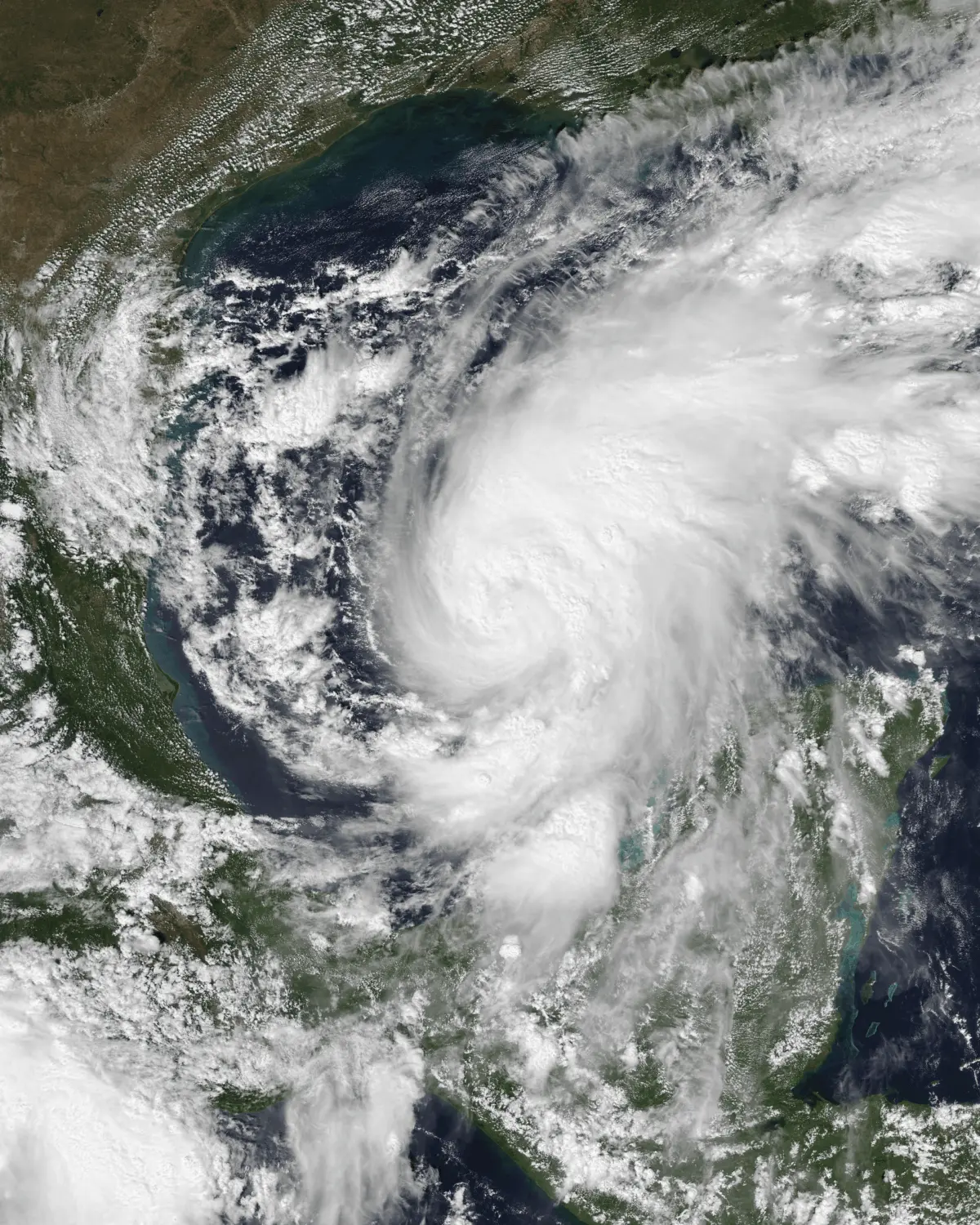
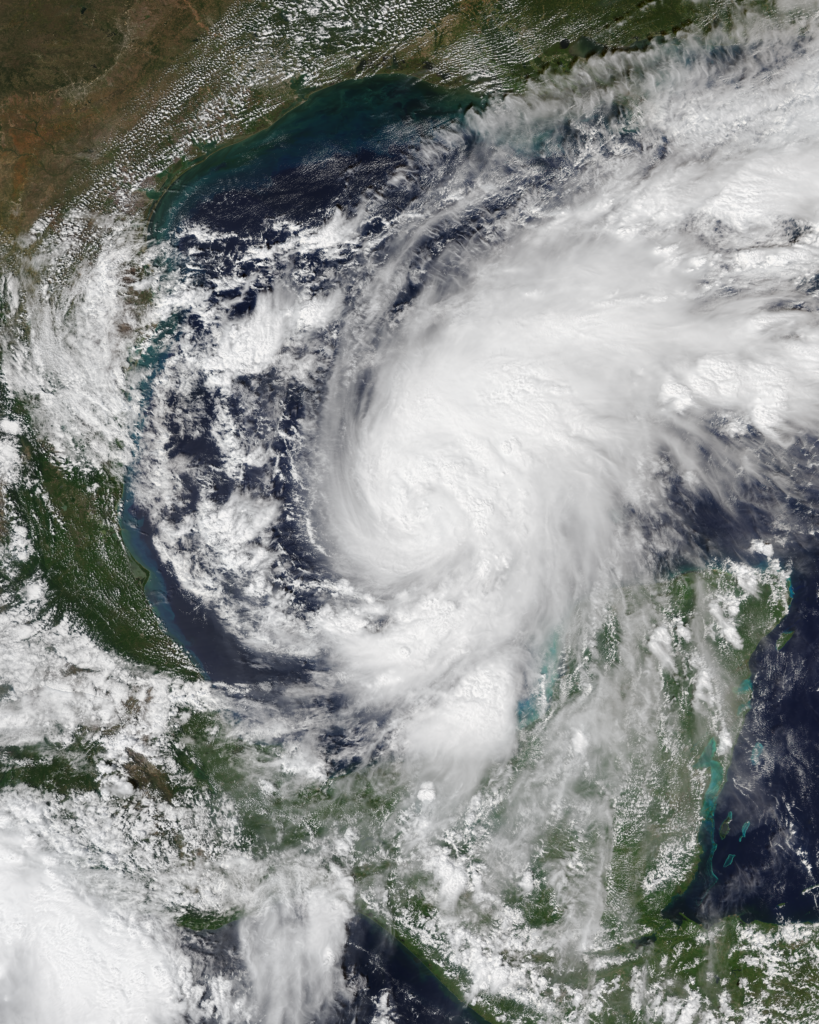
As the southeastern United States braces for the impending impact of severe weather, state agricultural authorities are taking swift, proactive measures to safeguard the region’s vital agricultural economy and animal populations. The Alabama Department of Agriculture and Industries (ADAI), operating in close coordination with regional emergency response partners, has officially activated a comprehensive livestock evacuation and sheltering protocol ahead of Tropical Storm Isaias. The storm is projected to make landfall along the Gulf Coast and move inland toward Alabama on Friday evening, bringing torrential rainfall, destructive winds, and significant flood risks.
Recognizing the immense logistical challenges that agricultural producers and animal owners face during severe weather events, the ADAI has instituted critical regulatory waivers. Most notably, livestock fleeing the path of the storm will be temporarily exempt from standard Certificate of Veterinary Inspection (CVI) requirements, removing a major administrative bottleneck that could otherwise delay rapid evacuation.
To accommodate displaced animals, multiple emergency sheltering facilities have been designated across strategic regions of the state, including the Pike County Cattlemen’s Association, the Houston County Farm Center, and the R.H. Kirkpatrick Agricultural Pavilion. However, state officials emphasize that evacuation requires rigorous personal preparation. Livestock owners are being urged to pack essential supplies, maintain detailed records of ownership and veterinary care, and bring adequate feed, water, and handling equipment.
This report provides an in-depth examination of Alabama’s emergency response infrastructure, logistical guidelines for animal owners, the broader economic and biosecurity implications of storm evacuations, and long-term resilience strategies for the state’s agricultural sector.
Detailed Chronology: The Approach and Activation Phase
The mobilization of Alabama’s agricultural emergency network did not happen overnight; it is the culmination of continuous meteorological monitoring and pre-season planning designed to mitigate the destructive potential of tropical systems.
Early Meteorological Tracking and Threat Identification
Earlier in the week, tracking models from the National Hurricane Center (NHC) and regional meteorological agencies identified a developing tropical system—subsequently named Isaias—moving through the warm waters of the Atlantic and Caribbean basin before charting a potential course toward the Gulf Coast. As confidence grew regarding the storm’s trajectory toward Alabama and neighboring states, state agricultural leadership elevated its preparedness posture.
By mid-week, weather forecasts solidified the timeline: Tropical Storm Isaias was projected to intensify or maintain its organizational structure before making landfall on Friday evening. Anticipating severe storm surges, widespread power outages, and riverine flooding across low-lying agricultural zones, the ADAI initiated direct communications with county extension offices, regional livestock associations, and emergency management agencies.
Activation of the Emergency Evacuation Protocol
With the storm’s arrival imminent, the ADAI issued a formal emergency declaration and press release to streamline the evacuation process. Understanding that every hour counts when moving large animals out of harm’s way, the department announced the immediate suspension of standard interstate and intrastate movement restrictions concerning health documentation.
Simultaneously, regional agricultural facilities were placed on active standby to receive displaced livestock. ADAI coordinators worked around the clock to verify facility capacities, ensure adequate biosecurity measures were in place, and coordinate logistics with local transport volunteers and agricultural extension agents.
Pre-Landfall Operational Window
By Friday morning, the operational window for safe evacuation began to narrow rapidly as outer rainbands and gale-force winds began affecting coastal and southern counties. Producers across the targeted evacuation zones utilized the waiver provisions to load and transport cattle, horses, small ruminants, and other livestock to the designated inland shelters. State and local authorities continue to monitor road conditions, bridge clearances, and shelter capacities to ensure a smooth, orderly transition for all evacuated herds and flocks.
Supporting Context & Metrics: Alabama’s Agricultural Vulnerability
To understand the urgency of these emergency measures, one must examine the sheer scale and economic footprint of Alabama’s livestock industry. Agriculture remains a cornerstone of the state’s economy, contributing billions of dollars annually and supporting tens of thousands of jobs.
The Economic Footprint of Alabama Livestock
Alabama is home to a robust and diverse agricultural sector. While poultry production dominates the state’s gross agricultural receipts, cattle, calves, horses, swine, and small ruminants represent a substantial capital investment for generational family farms and commercial operations alike.
- Cattle and Calves: Alabama boasts hundreds of thousands of beef cattle distributed across thousands of farms, with significant cow-calf operations concentrated in the southern and wiregrass regions of the state—areas frequently vulnerable to tropical weather impacts.
- Equine Industry: The state’s vibrant equine population, spanning recreational riding, breeding, and working livestock operations, represents both significant economic value and high emotional investment for owners who must secure specialized transport and housing during emergencies.
The Vulnerability of Rural Infrastructure to Tropical Systems
Tropical storms and hurricanes present a multi-faceted threat to agricultural operations:
- Catastrophic Flooding: Heavy rainfall leads to overflowing rivers, creeks, and localized flash flooding, inundating low-lying pastures and trapping animals.
- Wind Damage: High-velocity winds frequently destroy barns, outbuildings, fencing, and feed silos, exposing livestock to flying debris and subsequent weather elements.
- Infrastructure Failures: Extended power outages cripple automated water systems, milking parlors, and climate-controlled housing for confined livestock, creating immediate health and welfare crises.
- Supply Chain Disruption: Flooded roads and downed trees sever transportation routes, cutting off access to feed deliveries, veterinary care, and fuel supplies for days or even weeks.
By establishing pre-designated emergency shelters and cutting bureaucratic red tape, the ADAI aims to mitigate these systemic vulnerabilities, preventing preventable livestock mortality and reducing long-term economic recovery costs for producers.
Official Statements and Directive Analysis
The coordinated response to Tropical Storm Isaias highlights the critical partnership between state regulatory bodies, agricultural associations, and livestock owners.
The ADAI Directive on Veterinary Inspections
In its official advisory, the Alabama Department of Agriculture and Industries underscored the necessity of removing administrative roadblocks during a crisis:
"The ADAI has been in contact with our partners to provide temporary sheltering facilities for evacuated livestock. Animals moving in response to Tropical Storm Isaias will be exempt from a certificate of veterinary inspection."
While Certificates of Veterinary Inspection (CVIs) are vital tools for maintaining disease traceability and safeguarding biosecurity during normal times, their enforcement during a rapid mass evacuation can create fatal delays. By temporarily lifting this requirement for storm evacuees, the state has balanced animal welfare imperatives with practical emergency management. However, agricultural biosecurity experts stress that while paperwork is waived, animal owners must still remain vigilant regarding disease control, keeping separated herds distinct within shelters wherever possible to prevent the spread of infectious conditions.
Designated Emergency Shelter Network
To accommodate displaced animals, the state highlighted three primary regional facilities equipped to handle large livestock:
- Pike County Cattlemen’s Association: Located in Brundidge/Troy area, offering robust infrastructure for cattle and large animals managed by experienced agricultural community leaders.
- Houston County Farm Center: Situated in Dothan, serving as a primary hub for southeastern Alabama evacuees with extensive acreage and covered holding areas.
- R.H. Kirkpatrick Agricultural Pavilion: Providing specialized agricultural event and sheltering infrastructure capable of housing livestock under secure, weather-resistant conditions.
Comprehensive Evacuation Checklist for Livestock Owners
Beyond identifying shelter locations, the ADAI issued a stern warning regarding personal responsibility during evacuations. State officials stressed that shelter facilities provide space and basic infrastructure, but owners are solely responsible for the daily care, feeding, and management of their animals.
The official preparedness checklist includes:
- Identification and Documentation: A current, comprehensive list of all evacuated animals, complete with up-to-date records of vaccinations, medical histories, and diagnostic tests.
- Proof of Ownership: Clear legal documentation (such as bills of sale, brand registrations, or registration papers) to prevent ownership disputes or confusion in crowded emergency facilities.
- Temporary Identification Tools: Supplies to apply temporary, secure identification (such as neck bands, paint markers, or halter tags) to animals in case they become separated from their primary handlers.
- Handling and Restraint Equipment: Appropriate halters, lead ropes, sorting poles, and specialized tools tailored to each specific species to ensure safe handling in high-stress environments.
- Consumable Supplies: Ample reserves of fresh water, specialized feed, feeding buckets, cleaning tools, and sanitation supplies to maintain animal health and facility hygiene throughout the duration of the displacement.
Future Outlook: Building Long-Term Agricultural Resilience
As Tropical Storm Isaias prepares to make landfall and test Alabama’s emergency management frameworks, agricultural leaders and policymakers are already looking beyond the immediate crisis. The frequency and intensity of severe weather events underscore the urgent need for long-term resilience planning within the agricultural sector.
Enhancing Rural Infrastructure and Hardening Facilities
Future mitigation efforts must focus on hardening rural agricultural infrastructure against extreme weather. Grant programs and low-interest loans aimed at retrofitting barns, installing backup generator systems for water wells, and constructing wind-resistant storage facilities will be crucial. Expanding the geographical distribution of designated livestock shelters can also reduce transit times during evacuations, minimizing stress on animals and fuel consumption for producers.
Streamlining Inter-Agency Coordination
The successful waiver of veterinary inspection protocols during the Isaias event serves as a model for future emergency responses. Building upon this framework, state and federal agencies can develop digital clearinghouses and pre-approved evacuation registries that allow for instantaneous documentation verification during crises. Enhanced communication channels between meteorological services, departments of transportation, and agricultural extension offices will further refine evacuation windows and resource allocation.
Climate Adaptation and Producer Education
Ultimately, the resilience of Alabama’s agricultural community rests on continuous education and preparedness training. Extension services play a pivotal role in training producers to develop robust, localized farm emergency plans well before hurricane season begins. By conducting routine drills, maintaining updated animal inventories, and fostering strong community mutual-aid networks, farmers can better insulate their operations against the growing unpredictability of regional weather patterns.
As Tropical Storm Isaias moves across the state, the immediate focus remains on life safety, animal welfare, and rapid recovery. Through proactive governance, community solidarity, and meticulous preparation, Alabama’s agricultural sector stands ready to weather the storm and rebuild in its wake.

0 Comments