

Executive Overview
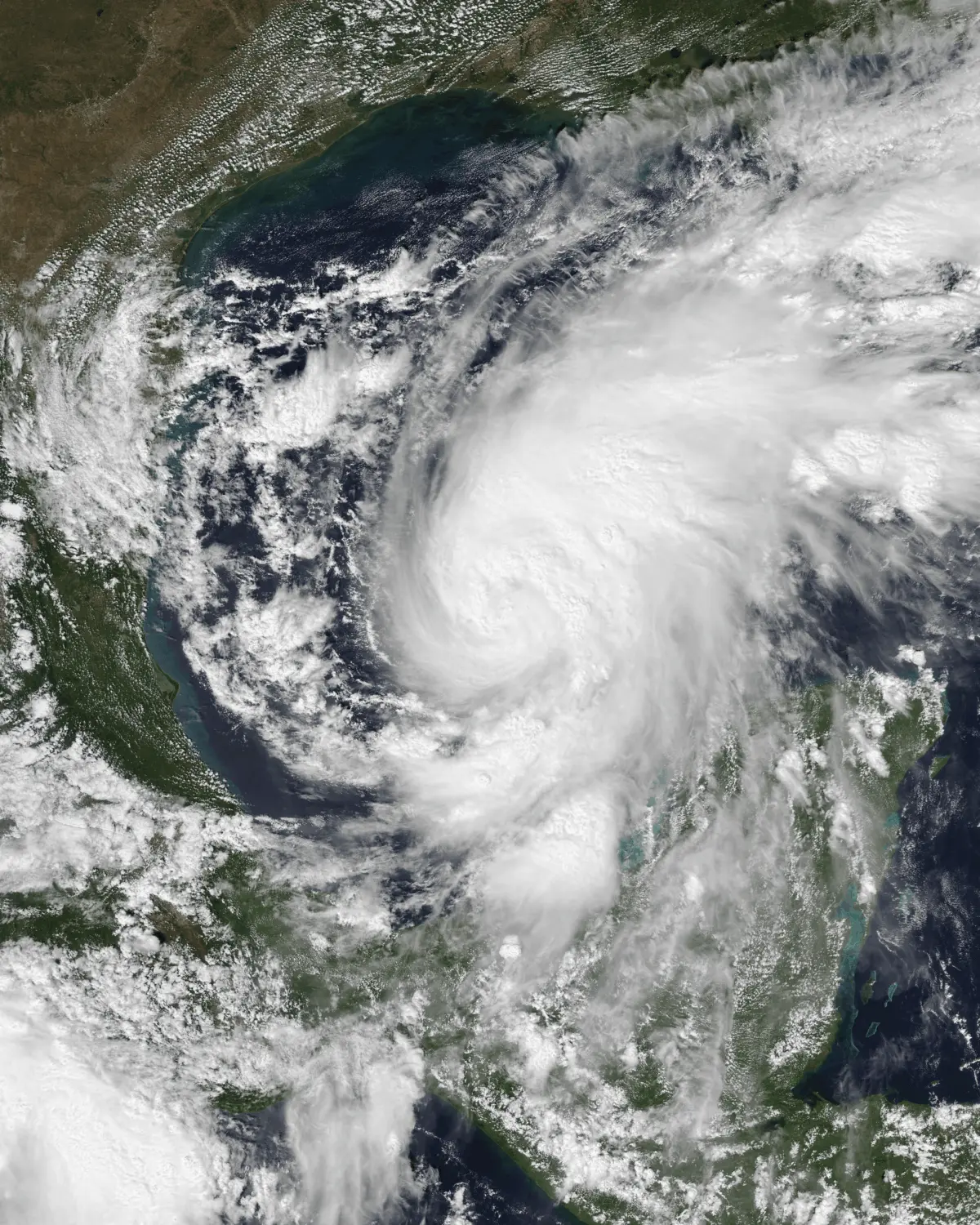
As the southeastern United States braces for severe weather impacts, the Alabama Department of Agriculture and Industries (ADAI) has mobilized emergency response protocols ahead of the anticipated landfall of Tropical Storm Isaias. Scheduled to strike the Alabama coastline on Friday evening, the storm has prompted state agricultural authorities, regional emergency management agencies, and local agricultural associations to coordinate immediate relief measures. Foremost among these interventions is the establishment of a robust network of temporary emergency livestock shelters designed to accommodate large animals, horses, and cattle evacuated from low-lying and vulnerable zones.
In a decisive move to streamline the evacuation process and eliminate administrative bottlenecks that could endanger animal lives, the ADAI announced a temporary waiver of standard interstate and intrastate transit requirements. Specifically, livestock being relocated in direct response to Tropical Storm Isaias are officially exempt from the mandatory Certificate of Veterinary Inspection (CVI). While this regulatory relaxation accelerates transport, state officials emphasize that emergency preparedness at the farm level remains critical. Livestock owners have been urged to act swiftly, utilizing pre-designated regional facilities—including the Pike County Cattlemen’s Association arena, the Houston County Farm Center, and the R.H. Kirkpatrick Agricultural Pavilion—while adhering strictly to best practices for animal husbandry during displacement.
This comprehensive report examines the multi-agency response to Tropical Storm Isaias, detailing the logistics of emergency livestock sheltering, regulatory exemptions, vital preparation checklists for agricultural producers, and the broader implications of climate-driven severe weather events on regional agricultural supply chains and livestock management.
Detailed Chronology of the Emergency Response
The Approach of Tropical Storm Isaias
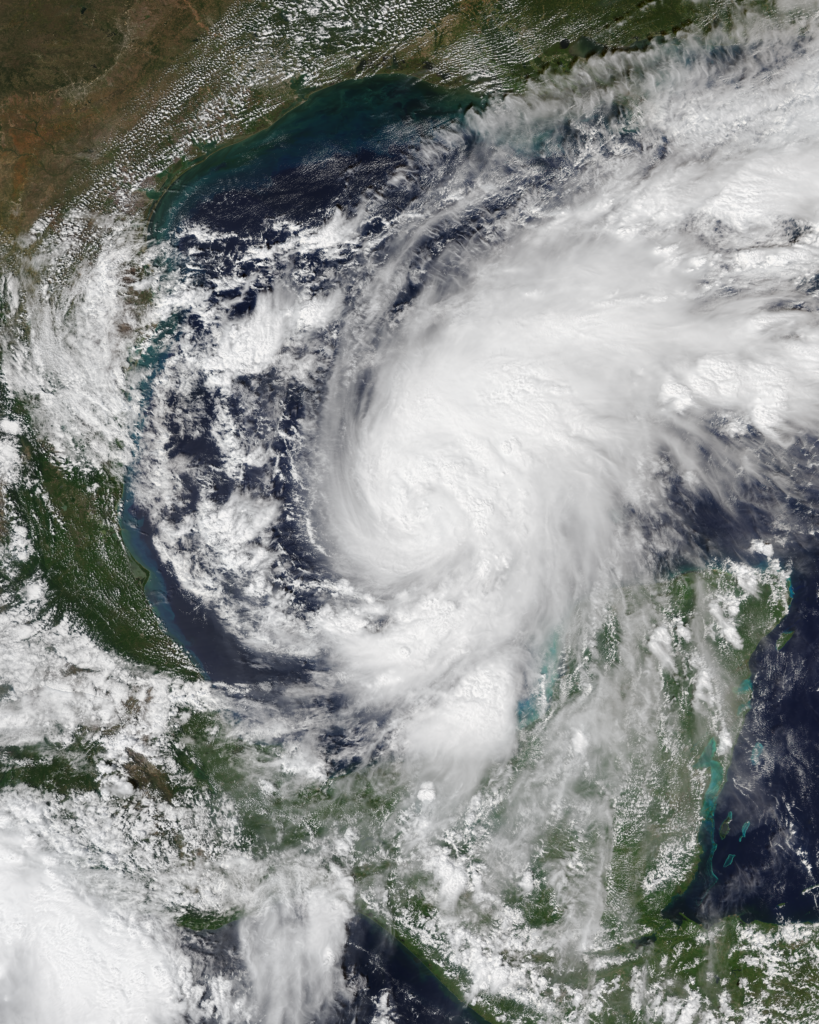
Meteorological advisories tracking Tropical Storm Isaias indicated a steady intensification trajectory as the system churned across warm Gulf of Mexico waters. Projected to make landfall along the Gulf Coast on Friday evening, the storm brings heavy rainfall, destructive wind gusts, and a significant threat of localized storm surge and flash flooding. Recognizing the unique vulnerabilities of agricultural communities—where livestock cannot simply be sheltered in standard residential emergency facilities—state agricultural officials initiated preparatory protocols well in advance of the projected impact window.
Mobilization of the ADAI and Partner Agencies
As early as Wednesday, the Alabama Department of Agriculture and Industries established a command center to coordinate with state and local emergency management networks. Recognizing that agricultural evacuations require specialized infrastructure, the ADAI partnered with county extension offices, regional livestock associations, and agricultural pavilion boards to identify, inspect, and open secure holding facilities.
By Thursday afternoon, formal agreements were finalized with primary host facilities across the southern and southeastern tiers of the state. These designated safe havens—strategic nodes positioned outside the primary surge zones yet accessible via major evacuation corridors—were placed on high alert to receive incoming herds. Concurrently, the ADAI issued emergency administrative orders waiving traditional veterinary documentation requirements, recognizing that the time-sensitive nature of severe weather evacuations rendered pre-movement veterinary inspections impractical and potentially hazardous to livestock safety.
On-Site Activation of Shelters
By Friday morning, operations managers, volunteers, and agricultural extension agents were stationed at the Pike County Cattlemen’s Association facility, the Houston County Farm Center, and the R.H. Kirkpatrick Agricultural Pavilion. Intake procedures, designed to balance rapid offloading with necessary biosecurity and identification tracking, were deployed across all sites. Local agricultural community networks mobilized feed donations, water trucks, and handling equipment to ensure that the influx of displaced animals could be managed safely and humanely throughout the duration of the storm event.
Supporting Context & Metrics: Livestock Logistics and Regulatory Exemptions
Understanding the Certificate of Veterinary Inspection (CVI) Waiver
Under normal operating conditions, the interstate and intrastate movement of livestock in Alabama is strictly regulated to prevent the spread of infectious diseases such as vesicular stomatitis, equine viral arteritis, and various bovine respiratory pathogens. The cornerstone of this biosecurity framework is the Certificate of Veterinary Inspection—commonly known as a health paper—issued by an accredited veterinarian following a physical examination of the animals.
However, during catastrophic weather events like Tropical Storm Isaias, enforcing standard CVI protocols can create catastrophic delays. Producers facing imminent flooding or hurricane-force winds cannot always schedule pre-movement veterinary appointments. By officially exempting animals moving in response to the storm from CVI requirements, the ADAI balanced epidemiological risk against immediate welfare and life-safety priorities. This regulatory flexibility ensures that producers can load and transport livestock immediately upon issuance of evacuation orders without fear of administrative penalties or transit blockades.
Strategic Infrastructure: Designated Emergency Shelters
Managing large animals during a natural disaster requires specialized facilities equipped with secure fencing, sturdy structural shelters, ample water access, and waste management capabilities. The three primary facilities activated for the Isaias response represent critical pillars of Alabama’s agricultural infrastructure:
- Pike County Cattlemen’s Association Facility: Located in Troy, Alabama, this venue offers extensive arena space, secure holding pens, and robust loading and unloading chutes designed specifically for cattle and equine management. Its geographic location provides a strategic inland refuge for livestock evacuated from coastal and low-lying river basins.
- Houston County Farm Center: Situated in Dothan, the Farm Center is a premier agricultural exhibition and event complex. Featuring expansive covered barns, reliable utility infrastructure, and deep-well water supply systems, it serves as a primary hub for livestock displaced across the Wiregrass region.
- R.H. Kirkpatrick Agricultural Pavilion: Known for its capacity to host large-scale agricultural events, the pavilion provides critical shelter infrastructure equipped with adequate lighting, ventilation, and holding capabilities to support animals through extended periods of confinement during severe weather.
Official Statements and Producer Directives
Directives from the Alabama Department of Agriculture and Industries
In its official emergency press release, leadership at the ADAI underscored the collaborative nature of the response, stating:
"The ADAI has been in contact with our partners to provide temporary sheltering facilities for evacuated livestock. Animals moving in response to Tropical Storm Isaias will be exempt from a certificate of veterinary inspection."
Beyond logistical provisions, state agricultural extension specialists emphasized that evacuation does not absolve owners of their duty of care. Moving livestock into communal or temporary facilities introduces unique stressors, biosecurity challenges, and supply chain dependencies. To mitigate these risks, the ADAI issued a comprehensive preparedness mandate outlining the exact inventory, equipment, and supplies producers must bring when utilizing designated shelters.
The Livestock Disaster Preparedness Checklist
The ADAI stressed that when evacuating livestock, producers must be fully prepared to independently manage, feed, and care for their animals for the duration of their displacement. The official state checklist mandates the following items:
- Comprehensive Animal Records: A current, detailed inventory of all evacuated animals, complete with comprehensive records of recent vaccinations, medical treatments, feeding regimens, and diagnostic test results.
- Proof of Ownership: Unambiguous documentation proving legal ownership of all transported livestock (e.g., bills of sale, registration papers, brand inspection certificates, or clear photographs of unique markings).
- Temporary Identification Supplies: Materials necessary for immediate, reliable secondary identification (such as livestock crayons, non-toxic markers, temporary neck chains, or halter tags) to prevent commingling or loss in crowded shelter environments.
- Handling and Restraint Equipment: Appropriate working tools, including halters, lead ropes, sorting sticks, and species-specific handling gear necessary to manage animals safely in unfamiliar and high-stress environments.
- Sustenance and Sanitation Supplies: An adequate, self-sufficient supply of feed, clean drinking water, feed troughs, water buckets, manure forks, and basic sanitation tools to maintain pen hygiene and animal health throughout the sheltering period.
Future Outlook: Building Climate Resilience in Regional Agriculture
The Growing Frequency of Extreme Weather Events
The deployment of emergency livestock shelters for Tropical Storm Isaias highlights an increasingly critical challenge facing modern agriculture: the escalating frequency and intensity of climate-driven severe weather events. As sea surface temperatures rise and atmospheric moisture content increases, tropical systems threatening the Gulf and Atlantic coasts are exhibiting rapid intensification patterns and higher precipitation volumes. For agricultural producers across the Southeast, severe weather preparedness has transitioned from a seasonal precaution to a year-round operational necessity.
Enhancing State-Level Agricultural Infrastructure
Looking beyond the immediate recovery from Tropical Storm Isaias, agricultural economists and emergency management planners are advocating for increased capital investment in rural disaster resilience. Key areas for future development include:
- Microgrid Integration: Equipping agricultural pavilions and livestock holding facilities with independent solar and generator-backed power microgrids to ensure continuous water pumping and ventilation during extended grid failures.
- Expanded Biosecurity Quarantine Zones: Designing modular quarantine additions within existing regional shelters to safely isolate animals showing signs of communicable illness during emergency intake.
- Digital Inventory Systems: Developing centralized, cloud-based livestock tracking registries that allow producers to register their herds digitally prior to evacuation, streamlining check-in processes at state-approved shelters and accelerating post-storm reunification.
Conclusion
As Tropical Storm Isaias bears down on Alabama, the proactive measures executed by the Alabama Department of Agriculture and Industries, coupled with the cooperation of regional agricultural associations and livestock producers, exemplify a mature and responsive emergency management framework. By waiving administrative burdens such as the Certificate of Veterinary Inspection and opening specialized facilities like the Pike County Cattlemen’s Association arena, the Houston County Farm Center, and the R.H. Kirkpatrick Agricultural Pavilion, the state has prioritized the preservation of livestock life and the long-term economic viability of its agricultural sector. As storms grow more severe in an evolving climate, these collaborative operational models will serve as the cornerstone of agricultural resilience across the American Southeast.

0 Comments