

Executive Overview
Georgia’s robust agricultural sector is facing a new and formidable adversary. In a joint announcement issued by Georgia Agriculture Commissioner Tyler J. Harper, state and federal agricultural authorities confirmed the first-ever detection of the pasture mealybug (Heliococcus summervillei) within the state borders. Verified by the United States Department of Agriculture (USDA) on August 5, the initial discovery was made on weeds and turfgrass at a commercial business in Decatur County.
This invasive insect—notoriously difficult to eradicate once established—primarily targets annual and perennial warm-season grasses that form the backbone of Georgia’s livestock feed, hay production, and turf industries. By feeding on plant sap and simultaneously injecting toxic saliva, the pasture mealybug can devastate pastures in remarkably short windows of time, leaving producers facing severe economic shortfalls.
With the pest’s ability to hitchhike on farm equipment, vehicles, and livestock, state officials are sounding the alarm. Commissioners, entomologists, and agricultural extension agents are urging immediate vigilance, rigorous biosecurity implementation, and active field monitoring across every county in the state. As agricultural economists begin to weigh the potential economic fallout, the containment of Heliococcus summervillei has instantly vaulted to the forefront of Georgia’s biosecurity priorities.
Detailed Chronology of the Discovery
The timeline leading up to the official confirmation underscores the rapid response and collaborative network shared between the Georgia Department of Agriculture (GDA), academic researchers at the University of Georgia (UGA), and federal regulatory bodies.
The Initial Find: Late July 2026
The chain of events began on July 27, 2026. Routine scouting and localized observation at a turfgrass business located in Decatur County, situated in the southwestern corner of the state, flagged an unusual and concerning insect population. Observers noted symptoms uncharacteristic of standard turf diseases or routine nutritional deficiencies. Recognizing the potential severity of the find, local agricultural workers preserved samples and promptly forwarded them to entomology partners at the University of Georgia for preliminary analysis.
Academic Triage and Escalation
Upon receiving the samples, UGA entomologists conducted preliminary morphological examinations. Recognizing structural characteristics associated with invasive scale and mealybug species that pose significant agricultural risks, UGA researchers immediately alerted the GDA’s Plant Protection Division (PPD). Understanding that time is of the essence when dealing with invasive species, the PPD bypassed standard preliminary holds and fast-tracked the physical samples to the highest authority for definitive identification.
Federal Confirmation: August 5, 2026
The samples were dispatched to the USDA’s Systematic Entomology Laboratory—the premier federal facility responsible for insect identification and taxonomy. Following rigorous diagnostic evaluations, federal experts officially confirmed on August 5, 2026, that the pest was indeed Heliococcus summervillei, commonly known as the pasture mealybug. This marked the official, first-ever recorded instance of the pest within the state of Georgia, shifting state agricultural agencies from a posture of surveillance to active emergency response and containment.
Understanding the Pest: Biology, Damage Symptoms, and Threat Metrics
To effectively combat the pasture mealybug, agricultural producers must understand its biological mechanisms and the specific physiological damage it inflicts on warm-season grasses.
What is the Pasture Mealybug (Heliococcus summervillei)?
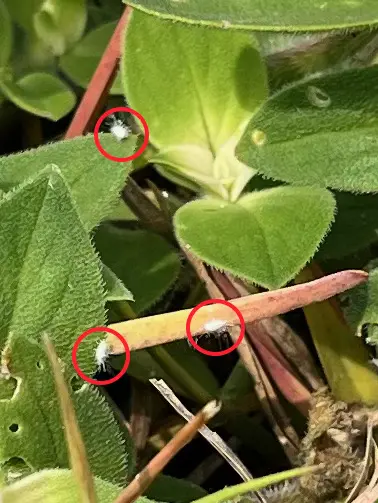
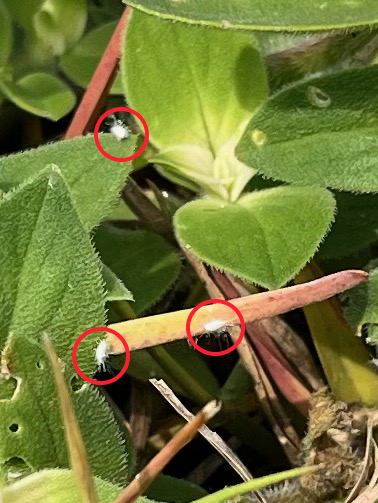
Heliococcus summervillei is a small, soft-bodied insect belonging to the family Pseudococcidae. Often covered in a protective, powdery, or waxy white secretion that shields them from environmental stressors and certain topical insecticides, these insects thrive in warm, humid climates—making the American Southeast an ideal environment for their proliferation. They reproduce rapidly, with multiple generations capable of emerging within a single growing season.
Physiological Impact on Host Plants
The pasture mealybug damages its host plants through a two-pronged attack:
- Sap Depletion: The insect possesses piercing-sucking mouthparts that it inserts directly into the vascular tissue of the grass. By feeding continuously on nutrient-rich plant sap, it drains the grass of essential carbohydrates, amino acids, and water.
- Salivary Toxicity: Perhaps more destructive than the physical feeding is the introduction of toxic saliva injected by the mealybug while it feeds. This saliva disrupts the plant’s internal physiological processes, triggering rapid and severe systemic decline.
Visual Symptoms in the Field
For farmers and livestock producers walking their lands, recognizing the early-stage symptoms of a pasture mealybug infestation is critical for preventing widespread pasture die-off. Symptoms typically manifest within a single week of active infestation and include:
- Foliar Discoloration: Leaves initially exhibit an atypical yellowing, which quickly progresses to deep purple or red hues as the plant’s vascular system fails.
- Stunted Growth and Drought Stress: Infested areas often mimic severe drought stress—exhibiting wilting, curling, and stunted growth—even immediately following substantial rainfall or regular irrigation.
- Root System Deterioration: Below-ground development is severely impaired, resulting in poorly anchored plants with abbreviated, fragile root systems.
- Tip-to-Base Dieback: Plant decline characteristically begins at the tips of older leaves and works its way down toward the crown.
- Premature Senescence and Death: Without intervention, the cumulative toll of sap depletion and salivary toxicity leads to premature senescence (aging), extensive patches of dead turf, and total plant mortality.
Supporting Context, Vectors, and Biosecurity Measures
Because the pasture mealybug lacks wings for long-distance independent flight, its spread across geographic regions and individual farm properties relies almost entirely on passive transport—often aided by human activity and agricultural operations.
Primary Vectors of Spread
The mobility of Heliococcus summervillei is heavily tied to standard agricultural logistics. Key vectors include:
- Farm Machinery and Equipment: Mowers, tillers, tractors, and hay-baling equipment can easily pick up mealybugs or egg masses in infested fields and transfer them to clean pastures.
- Vehicles and All-Terrain Vehicles (ATVs): Trucks, utility vehicles, and farm ATVs driven through infested weed patches or grass can transfer crawling nymphs or detached plant debris.
- Livestock and Animals: Animals moving through pastures can brush against infested vegetation, inadvertently carrying the insects on their coats or hooves.
- Hay and Forage Transport: Moving harvested hay or sod from an infested area to a clean operation represents one of the highest-risk pathways for long-distance dissemination.
Implementing Rigorous Farm Biosecurity
Given the ease with which the pasture mealybug spreads, proactive biosecurity is the first line of defense for Georgia producers. Agricultural authorities recommend the following operational protocols:
- Equipment Sanitation: Power-wash and thoroughly disinfect all harvesting, mowing, and tillage equipment—particularly when moving machinery between different farms or isolated parcels of land.
- Vehicle Restrictions: Limit non-essential vehicle traffic in productive pastures and hayfields. Establish designated parking zones away from primary grazing areas.
- Forage Sourcing Verification: Verify the origin of all purchased hay, sod, or grass sprigs to ensure they do not originate from known quarantine zones or counties with confirmed detections.
- Quarantine of New Equipment: Inspect any used agricultural machinery brought onto the farm thoroughly before integrating it into daily operations.
Official Statements and Leadership Response
The gravity of the Decatur County detection has prompted immediate, high-level engagement from agricultural leaders across the state, emphasizing a unified front between government oversight and grassroots farming communities.
Georgia Agriculture Commissioner Tyler J. Harper did not mince words regarding the urgency of the situation.
"Pasture mealybug is a serious threat to Georgia agriculture, and we’re asking Georgia farmers and producers to stay vigilant in order to protect their operations," Commissioner Harper stated during the emergency briefing. "This pest can spread quickly and kill grass, potentially causing significant losses for our farmers and making biosecurity more important than ever."
Harper placed special emphasis on the role of individual stewardship, calling on the state’s agricultural workforce to take boots-on-the-ground action.
"I encourage everyone to walk their pastures and hayfields often to check for the pest. If you suspect you have the pasture mealybug, please contact your local County Extension Agent immediately."
This sentiment is echoed by extension specialists and researchers across the state, who stress that early detection is the single most effective variable in preventing localized infestations from escalating into a statewide ecological and economic crisis.
Future Outlook, Resources, and Action Plan for Producers
As the Georgia Department of Agriculture and the University of Georgia coordinate ongoing monitoring efforts, the success of containment efforts will depend heavily on the active participation of the state’s agricultural community. State agencies have deployed an array of digital tools, tracking resources, and expert networks to assist producers in navigating this new threat.
How Producers Can Take Action
- Regular Field Scouting: Farmers, ranchers, and turf managers are urged to implement routine scouting schedules, paying close attention to warm-season grasses along field borders, irrigation pivots, and high-traffic entry points.
- Utilize Extension Networks: Anyone suspecting an infestation on their property should immediately contact their local County Extension Agent for professional assistance with sampling, identification, and confirmation protocols.
- Contribute to State Tracking via Surveys: Producers are strongly encouraged to complete the online Suspected Cases of Pasture Mealybug (PMB) Survey. Data collected through this initiative directly aids researchers at the University of Georgia in mapping the distribution and density of the pest.
- Monitor the Statewide Distribution Map: To keep the public and agricultural stakeholders fully informed, the University of Georgia has developed an interactive Pasture Mealybug Detections Map. This resource is continuously updated as new cases are officially identified and verified, offering a real-time visualization of the pest’s footprint across Georgia.
Looking Ahead
The confirmation of Heliococcus summervillei in Decatur County serves as a sobering reminder of the constant, evolving pressures invasive species place on modern agriculture. While the immediate focus remains on containment, delimiting surveys, and public education, researchers are already looking toward long-term management strategies, including potential biological controls, chemical efficacy trials, and resilient grass breeding programs.
For now, the defense of Georgia’s multi-million-dollar forage and turf industries rests in the hands of the producers in the field. Through heightened biosecurity, frequent scouting, and swift reporting, Georgia’s agricultural community aims to contain this invasive threat before it can secure a permanent, devastating foothold in the Peach State.

0 Comments