

Executive Overview
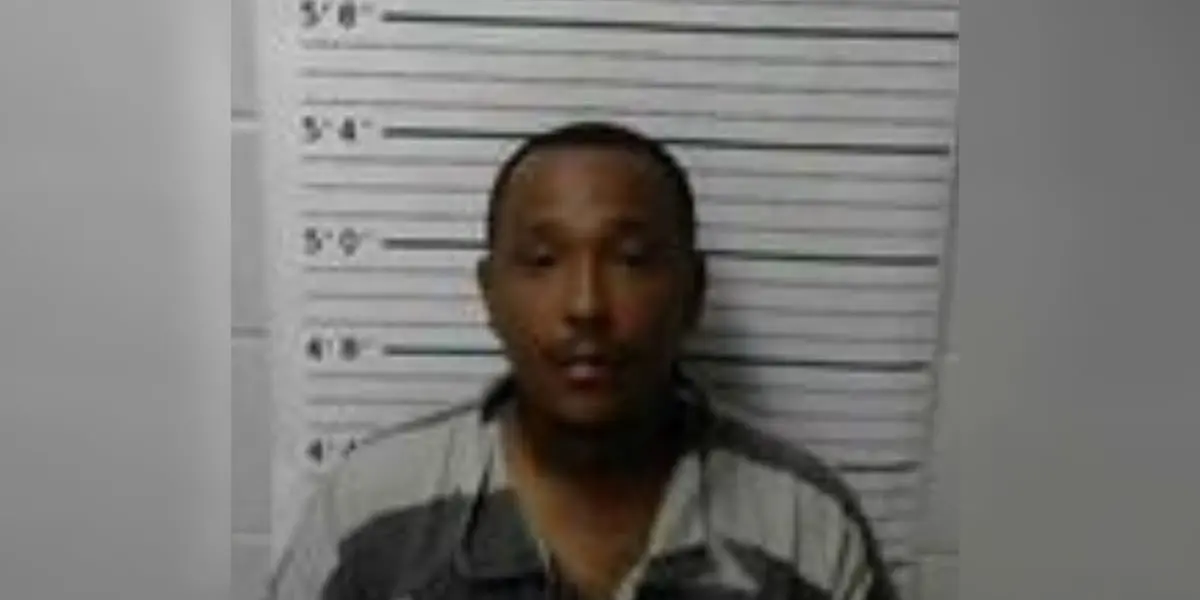
OAKDALE, La. — In a stunning breach of public trust that has sent shockwaves through the local community and law enforcement circles alike, a central Louisiana police officer finds himself behind bars facing severe felony charges. Jalen Melbert, a 33-year-old patrolman serving with the Oakdale Police Department, was taken into custody on Monday following a comprehensive and rapid multi-agency investigation. Melbert now faces multiple counts of abuse of office and malfeasance in office, stemming from allegations that he weaponized his badge to terrorize vulnerable citizens, coerce sexual favors, and orchestrate the framing of an innocent person through the planting of illegal narcotics.
The arrest highlights the harrowing potential for institutional corruption when safeguards fail and individuals entrusted with public safety abuse their authority for personal gratification or malicious intent. According to investigative findings released by detectives, Melbert allegedly attempted to leverage his official capacity as a law enforcement officer to manipulate a victim into engaging in non-consensual sexual activity. In a separate yet equally disturbing criminal enterprise, investigators revealed that Melbert conspired with an unnamed accomplice to orchestrate a fraudulent drug bust, deliberately planting illegal substances inside a residential property. This calculated setup directly resulted in the wrongful arrest and detention of an entirely innocent individual.
The allegations against Melbert have prompted swift condemnation from top-tier municipal leadership and state law enforcement agencies. Oakdale Police Chief Kevin Johnson issued a resolute statement emphasizing the department’s commitment to accountability, noting that local authorities are cooperating transparently with the Louisiana State Police. As the legal proceedings unfold, the case serves as a grim reminder of the vital importance of external oversight, internal accountability, and the relentless pursuit of justice when those who wear the uniform cross the line from protectors to perpetrators.
Detailed Chronology of Events and Investigation
The Unraveling of a Corrupt Officer
The sequence of events leading to the dramatic Monday arrest of Jalen Melbert began weeks prior, as whispers and formal complaints regarding suspicious police conduct began to aggregate within the jurisdiction of Allen Parish. Law enforcement oversight mechanisms—frequently initiated by internal whistleblowers, civilian complaints, or anomalies flagged during routine procedural reviews—began scrutinizing Melbert’s professional interactions.
While the exact timeline of the internal affairs inquiry remains partially confidential to protect the integrity of the ongoing probe, state and local investigators pieced together a pattern of behavior that pointed directly to systemic corruption. Detectives focusing on Melbert’s recent casework uncovered glaring discrepancies between field reports and physical evidence, particularly surrounding a residential narcotics search that ultimately triggered the intervention of state investigators.
The Coercion Scheme: Exploiting the Badge for Sexual Favors
The first major pillar of the criminal complaint against Melbert involves allegations of sexual extortion and coercion under the color of authority. Investigators assert that Melbert targeted a civilian victim, utilizing the inherent power dynamic of his position to demand sexual favors.
In the landscape of law enforcement accountability, coercive acts committed by officers under the threat of arrest, harassment, or the fabrication of legal troubles represent one of the most egregious violations of civil rights. Prosecutors argue that Melbert intentionally exploited his status, implying that compliance would prevent legal repercussions or that resistance would result in punitive state action. This calculated manipulation forms the foundational basis for the abuse of office charges filed against him, capturing the predatory nature of an officer who viewed his jurisdiction as a personal hunting ground rather than a public service.
The Setup: Planting Evidence and Wrongful Arrest
Perhaps even more alarming than the extortion attempt is the physical fabrication of criminal charges. According to detectives spearheading the case, Melbert orchestrated a conspiracy involving at least one outside accomplice to plant illegal narcotics inside a residential home.
The mechanics of this scheme reveal a chilling disregard for the rule of law and the constitutional rights of citizens. By introducing illicit substances into an unsuspecting individual’s living space, Melbert and his co-conspirator manufactured probable cause out of thin air. This manufactured evidence was subsequently used to justify a search, seizure, and the subsequent arrest of an innocent resident.
The victim of this fabricated sting suffered immediate and profound harms, including wrongful incarceration, reputational damage, the trauma of the criminal justice system, and the immediate jeopardy of severe felony prosecution. It was only through subsequent investigative diligence—likely sparked by inconsistencies in the arresting officer’s narrative or cooperative testimony from secondary participants—that the setup was brought to light, clearing the innocent target and turning the crosshairs of justice squarely onto Melbert.
Supporting Context & Metrics: Police Misconduct and Systemic Accountability
The Reality of Malfeasance in Modern Policing
While the vast majority of law enforcement officers execute their sworn duties with honor, integrity, and personal sacrifice, high-profile incidents of malfeasance like the Oakdale case underscore a persistent national challenge: the containment and eradication of toxic corruption.
Criminological studies and data compiled by oversight watchdogs indicate that offenses involving the abuse of office—such as evidence tampering, false reporting, and extortion—rarely occur in isolation. Instead, they are often the culmination of a progressive slide in ethical boundaries where officers believe their authority shields them from internal scrutiny.
When an officer plants evidence, it not only destroys the life of the immediate victim but also infests the broader judicial system with poisoned evidence, potentially jeopardizing dozens of other legitimate prosecutions associated with that officer’s casework. Defense attorneys across the region are now expected to scrutinize every past arrest, search warrant, and traffic stop executed by Melbert during his tenure with the Oakdale Police Department.
The Allen Parish and Oakdale Landscape
Oakdale, situated in Allen Parish, Louisiana, is a tight-knit community where law enforcement personnel maintain high visibility and close interactions with the populace. In smaller municipal departments, the local police force serves as the immediate face of government authority.
When a trusted officer is revealed to be engaging in criminal conspiracies, the institutional fallout is uniquely corrosive. Community trust—a delicate commodity earned over decades and lost in a single news cycle—suffers an immediate blow. The involvement of the Louisiana State Police as an independent investigative body was a necessary procedural step to insulate the local agency from accusations of internal bias, ensuring that the probe into Melbert’s activities remains airtight, objective, and beyond reproach.
Official Statements and Institutional Response
Leadership Condemns Allegations
The leadership of the Oakdale Police Department moved quickly to distance the institution from Melbert’s alleged criminal actions, projecting a posture of absolute transparency and zero tolerance for misconduct.
Oakdale Police Chief Kevin Johnson released a strongly worded official statement following the announcement of the arrest:
"The Oakdale Police Department is fully cooperating with Louisiana State Police to ensure a thorough and impartial investigation. We take all allegations of misconduct seriously, and the alleged actions do not reflect the standards we expect of our officers."
Chief Johnson’s statement underscores a critical strategy utilized by progressive law enforcement executives facing institutional crises: swift cooperation with state-level investigators, public acknowledgment of the gravity of the charges, and a reaffirmation of the core ethical standards governing the department. By inviting external scrutiny from the State Police, the Oakdale administration sought to reassure the public that no attempt would be made to shield a rogue officer from accountability.
Legal and Prosecutorial Next Steps
As Jalen Melbert sits behind bars awaiting formal arraignment and bond hearings, the local District Attorney’s office is preparing an expansive prosecution strategy. The charges of abuse of office and malfeasance in office carry significant potential prison sentences under Louisiana law, particularly when compounded by the severity of evidence tampering, conspiracy, and sexual coercion.
Legal analysts following the case note that federal civil rights violations could also be evaluated by federal prosecutors, given that Melbert utilized the power of the state to violate the constitutional rights of citizens. The involvement of co-conspirators in the drug-planting scheme also opens the door for additional federal and state indictments as the scope of the investigation widens.
Future Outlook: Restoring Trust and Systemic Reform
Rebuilding Community Trust in Oakdale
The arrest of Jalen Melbert marks the conclusion of an emergency intervention, but it represents only the beginning of a long road toward institutional recovery for the Oakdale Police Department. Restoring public confidence will require more than public relations statements; it will necessitate proactive measures, including:
- Comprehensive internal audits of all active and recent cases handled by Melbert to identify any additional miscarriages of justice.
- Enhanced psychological and ethical screening protocols during recruitment and promotional cycles.
- The implementation of anonymous whistleblower reporting mechanisms that protect officers who step forward to report corrupt peers.
- Mandatory body-worn camera and dash-camera compliance audits to ensure field transparency cannot be easily subverted.
The Broader Judicial Impact
Furthermore, the Allen Parish judicial system faces an immediate backlog of administrative reviews. Prosecutors must systematically evaluate every pending criminal matter in which Melbert served as the primary arresting officer or a critical witness. Under the legal principles established by Brady v. Maryland and related case law, any dishonesty, fabrication of evidence, or official misconduct by a police witness constitutes crucial exculpatory material that must be disclosed to defense counsel. Consequently, Melbert’s actions threaten to unravel past convictions, creating a cascading ripple effect across the local criminal justice ecosystem.
Conclusion
As the investigation continues to evolve, the case of Jalen Melbert stands as a stark testament to the vigilance required to maintain the integrity of the badge. While the betrayal committed by the disgraced Oakdale officer has left a deep scar on the community, the decisive intervention of state and local investigators demonstrates that the mechanisms of justice remain active, capable, and determined to hold even the guardians of the law accountable to the highest standards of truth and constitutional integrity.

0 Comments