

Executive Overview
The American cattle industry stands at a precarious crossroads, balancing the pressures of generational consolidation, shifting consumer demands, and volatile global supply chains. In response to the U.S. Department of Agriculture’s (USDA) newly unveiled Ranchers First Initiative, the leadership of the National Farmers Union (NFU)—representing hundreds of thousands of family farmers, ranchers, and rural communities across the United States—has issued a measured yet resolute response.
While the NFU has welcomed the administration’s targeted interventions, including enhanced risk management tools, expanded access to credit, and crucial financing for independent meat processing facilities, union leadership warns that these measures alone are insufficient. According to NFU President Rob Larew, achieving true market resilience requires systemic reform. Specifically, independent cattle producers continue to face an uneven playing field dominated by a handful of corporate conglomerates, while lacking the market transparency afforded by mandatory Country of Origin Labeling (COOL).
This comprehensive report examines the nuances of the USDA’s Ranchers First Initiative, analyzes the institutional hurdles facing independent livestock producers, and outlines the legislative and structural changes union advocates argue are vital to the long-term survival of America’s beef sector.
Detailed Chronology: The Evolution of Market Pressures and Policy Responses
To understand the weight of the Ranchers First Initiative, it is necessary to examine the historical trajectory that led the American cattle market to its current state of consolidation and vulnerability.
The Rise of Corporate Consolidation (Late 20th Century to 2010s)
For decades, the American cattle market has undergone a steady wave of vertical integration and horizontal consolidation. What was once a decentralized, highly competitive marketplace featuring thousands of independent regional buyers and sellers gradually transformed into an oligopoly. Today, four major multinational meatpacking corporations—often referred to as the "Big Four"—control upwards of 80% of the fed cattle processing capacity in the United States.
This dramatic concentration of market power created a structural imbalance. While independent cow-calf operators, stockers, and feedlot owners bear the immense capital costs, labor, and biological risks of raising livestock, they have historically had very little leverage when negotiating prices with the few buyers dominating their region.
The Supply Chain Shocks of the Pandemic Era (2020–2022)
The systemic fragility of this consolidated model was laid bare during the COVID-19 pandemic. When labor shortages and plant shutdowns temporarily crippled major packing facilities, wholesale beef prices skyrocketed for consumers, yet the price paid to live-cattle producers plummeted. Ranchers were left holding animals they could not process, forcing some to cull herds at a profound financial loss, while major meatpackers posted record-breaking profit margins.
This stark divergence galvanized agricultural advocacy groups, including the NFU, to ramp up pressure on federal regulators and lawmakers to investigate potential anti-competitive behavior and antitrust violations within the meatpacking sector.
Legislative and Executive Interventions (2021–Present)
Over the past several years, the federal government has faced mounting pressure to restore fairness to agricultural markets. Executive Order 14036 ("Promoting Competition in the American Economy"), signed in July 2021, directed the USDA and the Department of Justice to take a hard look at consolidation in agriculture, particularly in meat processing.
Subsequent bipartisan legislative pushes, coupled with USDA grant programs aimed at expanding independent processing capacity, laid the groundwork for broader administrative actions. The rollout of the Ranchers First Initiative represents the latest evolution in this multi-year federal strategy to support domestic producers and decentralize the meat supply chain.
Supporting Context & Metrics: The State of the U.S. Beef Cattle Industry
To fully grasp why farm advocacy groups emphasize structural reform alongside financial aid, one must analyze the prevailing economic and structural metrics defining the modern beef sector.
Herd Inventories at Multi-Decade Lows
Persistent, severe droughts across major cattle-producing regions in the Great Plains, Southwest, and Western United States over the past several years have severely strained forage and feed supplies. Coupled with high operational costs and unpredictable market returns, these environmental pressures have driven the U.S. cattle inventory down to multi-decade lows. Rebuilding national herds is not a short-term endeavor; biological realities mean it can take years for a cow-calf producer to expand breeding stock and bring marketable animals to the supply chain.
The Processing Bottleneck
The consolidation of processing facilities creates localized monopolies where independent ranchers often have access to only one or two viable buyers within a reasonable trucking radius. When a single plant experiences a disruption—whether from a cyberattack, severe weather, labor disputes, or equipment failure—entire regional markets can freeze overnight.
While the USDA has funneled hundreds of millions of dollars into independent, regional processing grants to foster competition, the timeline for these new facilities to reach commercial scale and significantly impact market dynamics remains a long-term project.
The Transparency Gap: Imported vs. Domestic Beef
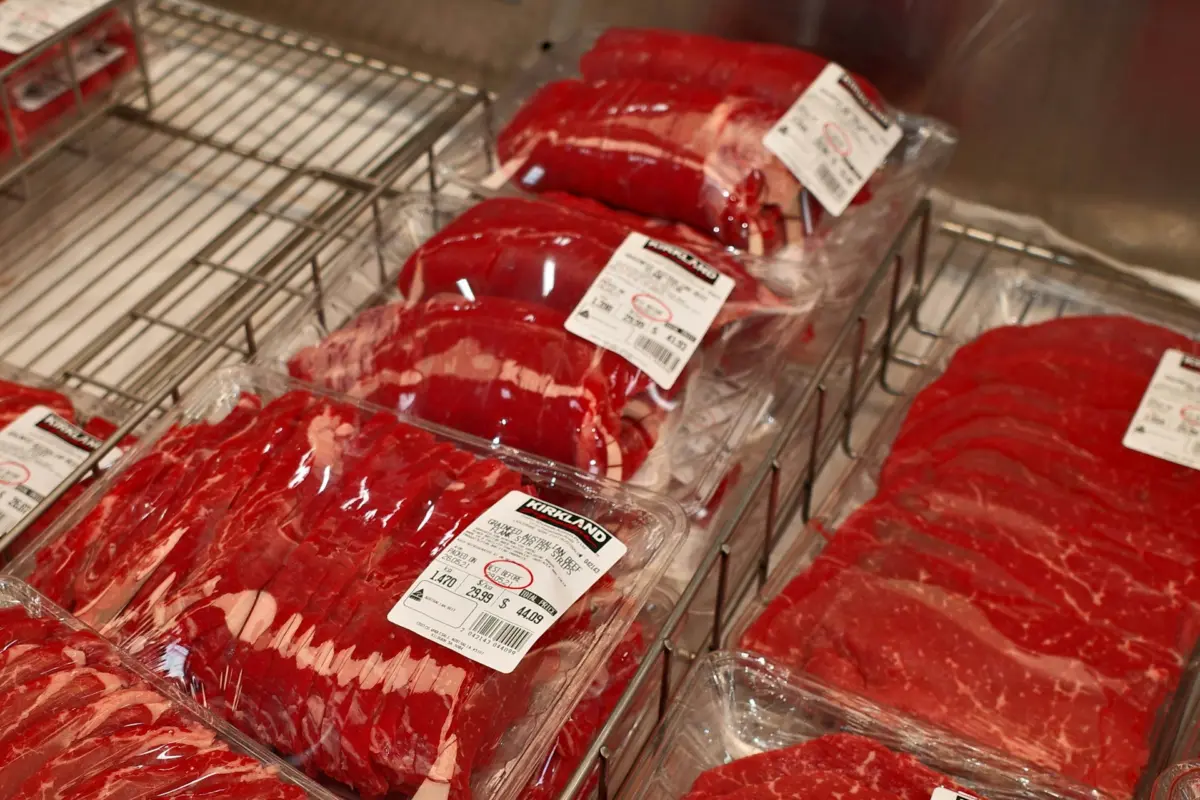
American consumers increasingly voice a preference for locally raised, high-quality, sustainably produced food. However, current regulatory frameworks allow imported beef—often processed under different standards—to be repackaged and labeled as a "Product of the U.S.A." as long as it undergoes minimal processing or repackaging within domestic facilities.
This loophole disadvantages domestic producers who invest heavily in meeting strict U.S. safety, environmental, and animal welfare standards, while simultaneously misleading consumers who believe their purchasing dollars directly support American family farmers and ranchers.
Official Statements & Stakeholder Perspectives
The debate surrounding the Ranchers First Initiative highlights differing viewpoints on how best to structure federal intervention in agricultural markets.
National Farmers Union: Cautious Optimism Meets Demands for Bold Action
In his formal response to the USDA initiative, NFU President Rob Larew acknowledged the positive elements of the administration’s plan while drawing a sharp line regarding its limitations:
“We’re glad to see the administration focus on the U.S. beef market and several pieces of this plan are steps in the right direction. Better risk protection tools, expanded credit, and new processing loans will help, but they aren’t enough on their own. Farmers and ranchers need a durable, long-term commitment to rebuild their herds and compete in a fairer playing field against the corporate monopolies that dominate the cattle market.”
Larew further emphasized the critical missing link in current federal policy:
“We’re ready to work with the administration to get there. One piece is still missing, where the beef comes from. Our farmers and ranchers produce the safest, highest quality beef in the world, but without mandatory country of origin labeling, meatpackers can blend imported beef into products marketed as American, leaving both consumers and those who raise that beef shortchanged.”
The Push for Legislative Action on COOL
Reiterating the union’s legislative priorities, Larew called upon both the executive branch and Capitol Hill to act decisively:
“We urge the administration to build on this plan by backing mandatory country of origin labeling, and we urge Congress to move COOL legislation forward without further delay.”
Industry Counterpoints and Packer Perspectives
Conversely, representatives of major meatpacking associations and corporate agribusiness have historically argued against mandatory Country of Origin Labeling, citing potential compliance costs, logistical complexities within integrated North American supply chains, and the risk of retaliatory trade disputes from international partners under World Trade Organization (WTO) frameworks. Proponents of corporate processing models contend that globalized supply chains and efficient, large-scale operations are necessary to maintain affordable consumer prices and meet global export demands.
However, independent producer groups counter that these efficiency arguments prioritize corporate profit margins at the direct expense of family farm viability and long-term national food security.
Future Outlook: What Lies Ahead for the American Livestock Sector
As the USDA begins rolling out the components of the Ranchers First Initiative, the spotlight turns to implementation, legislative follow-through, and the broader economic resilience of rural America.
1. Evaluating the Impact of Financial and Risk Management Tools
Over the coming months and years, agricultural economists will closely monitor the uptake of expanded credit lines and risk protection tools provided under the initiative. For financially strained operations navigating high input costs and herd rebuilding cycles, these tools will serve as an immediate economic buffer. However, their ultimate success will depend on whether they address cash-flow volatility without encouraging further long-term debt dependency.
2. The Ongoing Battle for Mandatory COOL
The legislative front remains the ultimate battleground for structural reform. Reintroducing mandatory Country of Origin Labeling will face intense lobbying from international trade partners and domestic meatpacking giants. Yet, grassroots momentum among consumer advocacy groups and independent farming organizations continues to pressure lawmakers to champion transparency in the retail meat aisle.
3. Fostering Independent Processing Infrastructure
The long-term viability of the cattle market hinges heavily on the successful scaling of independent, regional meat processing facilities funded through federal grants and loans. If these regional plants can successfully capture a meaningful share of the market, they will provide independent ranchers with alternative marketing channels, thereby mitigating the systemic risks posed by a heavily concentrated processing sector.
Conclusion
The USDA’s Ranchers First Initiative represents a meaningful acknowledgment of the structural challenges confronting America’s livestock sector. Yet, as the National Farmers Union has underscored, financial Band-Aids and processing grants cannot substitute for fundamental market fairness. To secure a sustainable future for the American cattle rancher—and to guarantee absolute transparency for the American consumer—policymakers must pair these administrative efforts with enduring legislative commitments, chief among them the reinstatement of mandatory Country of Origin Labeling.

0 Comments