By Stephanie Hunt | Special to the Chronicle Published: October/November 2026
Executive Overview
For generations, the name Whaley has stood as an indomitable pillar of Southern horticulture, synonymous with the meticulously curated, formal green spaces of historic Charleston, South Carolina. Yet, horticultural history is not merely written in the rigid boxwood hedges and structured parterres of the Lowcountry; it is also carried across state lines, evolving through personal reinvention, family legacy, and the wild, embracing topography of the Blue Ridge Mountains.
This comprehensive feature explores the remarkable journey of artist and horticulturist Marty Whaley Adams Cornwell, who traded the blistering heat of Charleston’s 58 Church Street for the cooler, rolling elevations of Flat Rock, North Carolina. Alongside her legendary mother, Emily Whaley—author of the celebrated memoir Mrs. Whaley and Her Charleston Garden—Marty transformed a 12-acre Victorian mountain retreat into an exuberant, organic floral utopia.
This piece examines the deep familial roots binding these two iconic Southern landscapes, the emotional and physical labor required to transition from a formal urban garden to a mountain sanctuary, and how the interplay of art, lineage, and nature continues to shape the Whaley family legacy well into the twenty-first century.
Detailed Chronology: From Lowcountry Roots to Mountain Heights
The Genesis of a Mountain Sanctuary (1984)
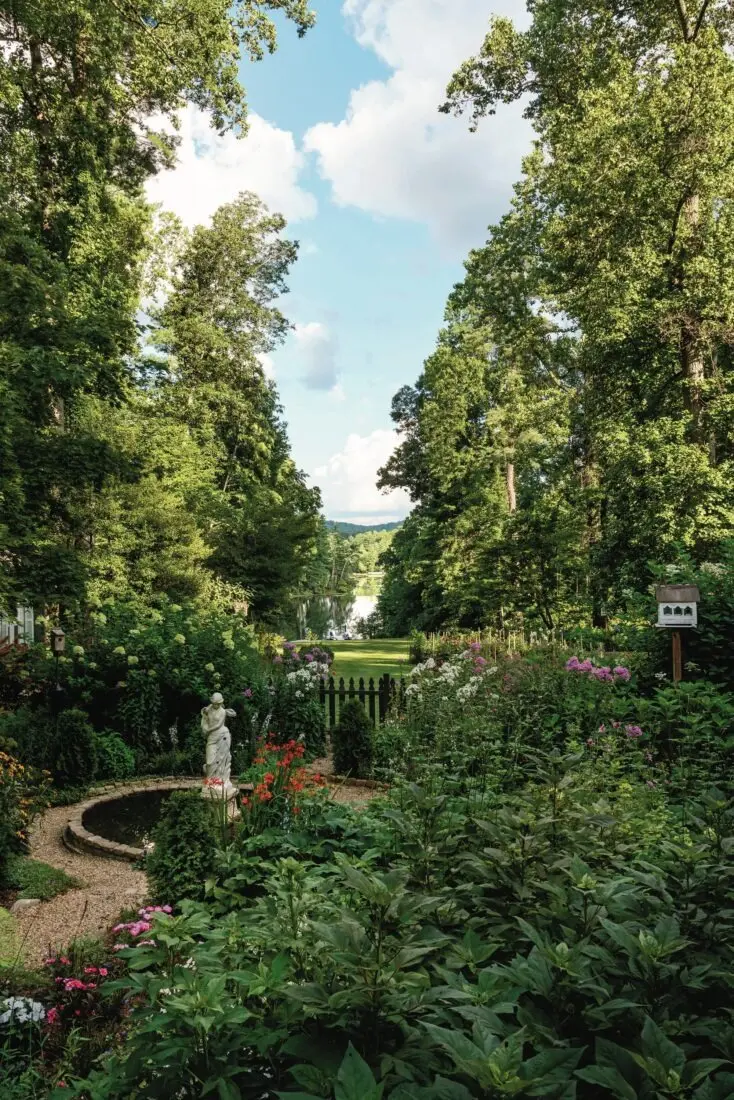
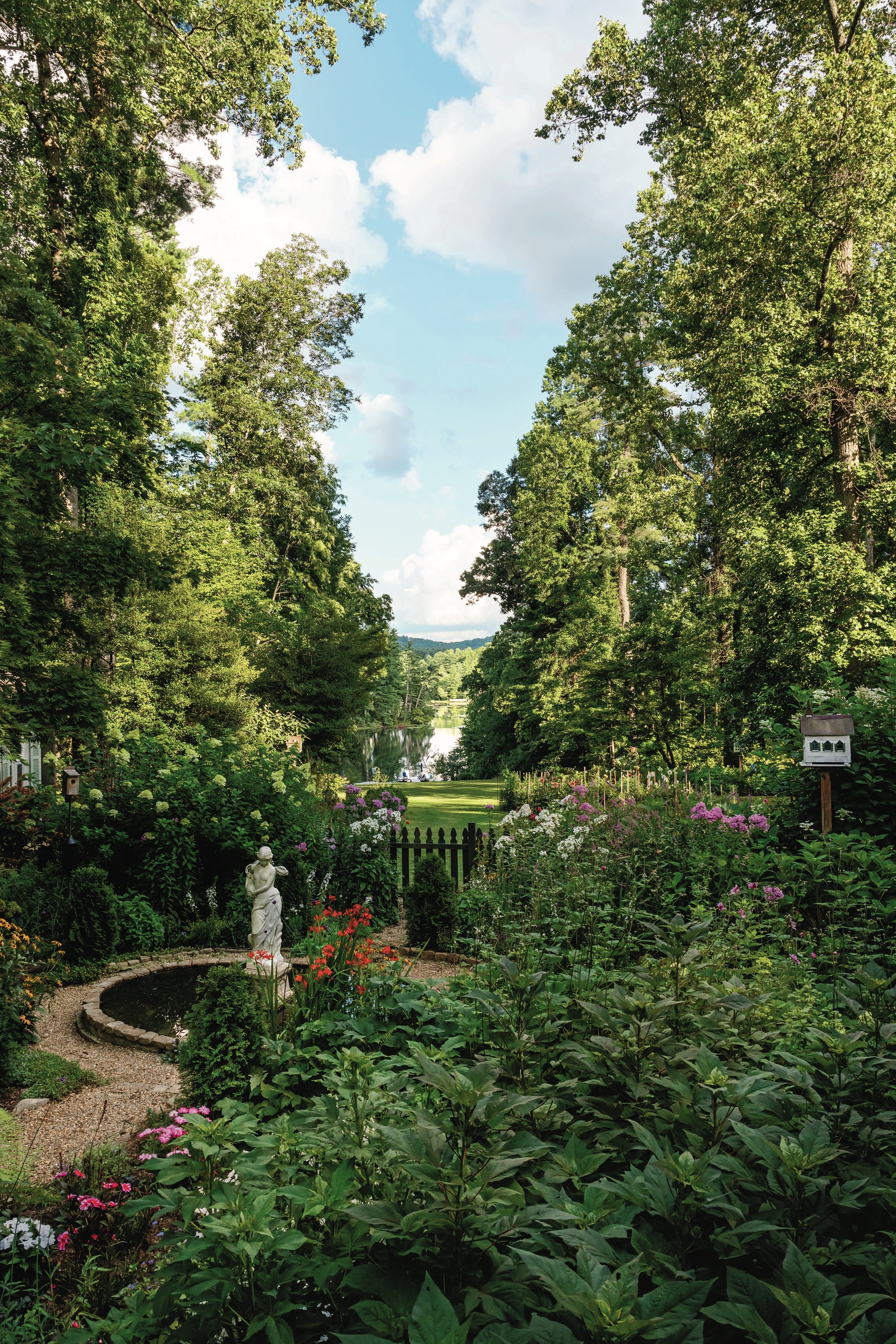
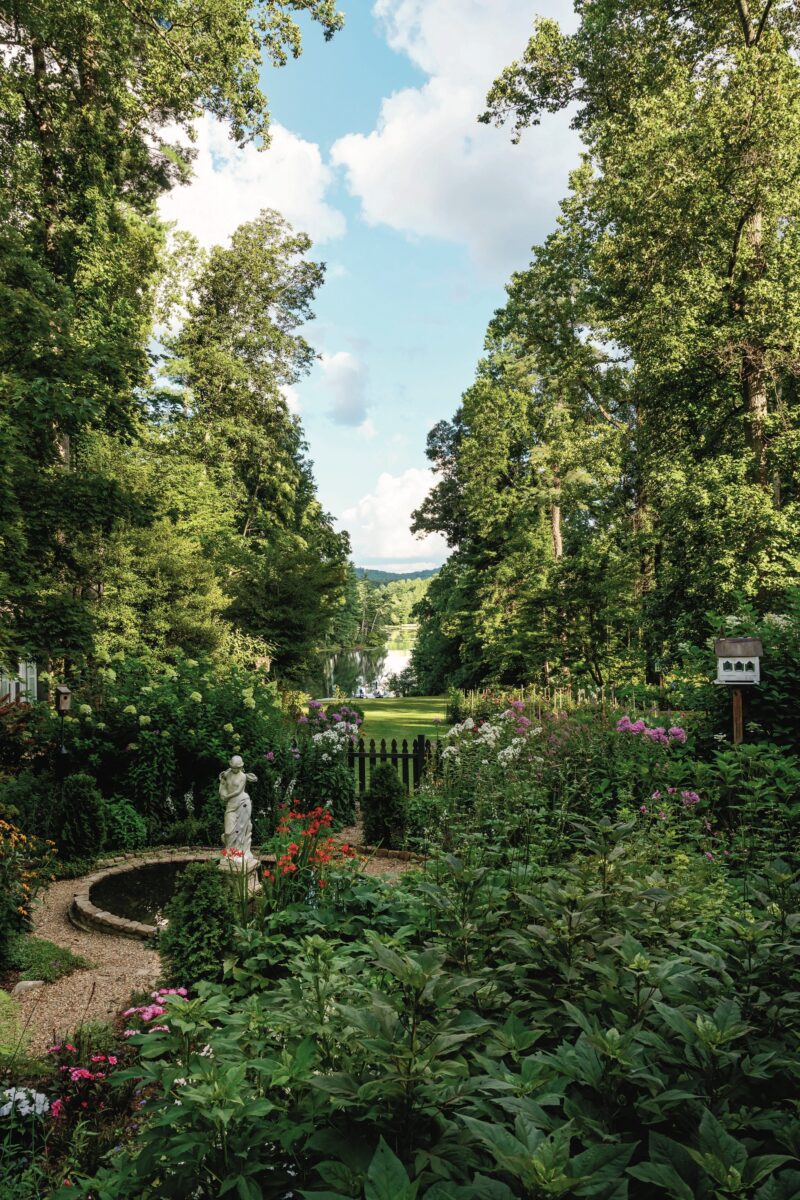
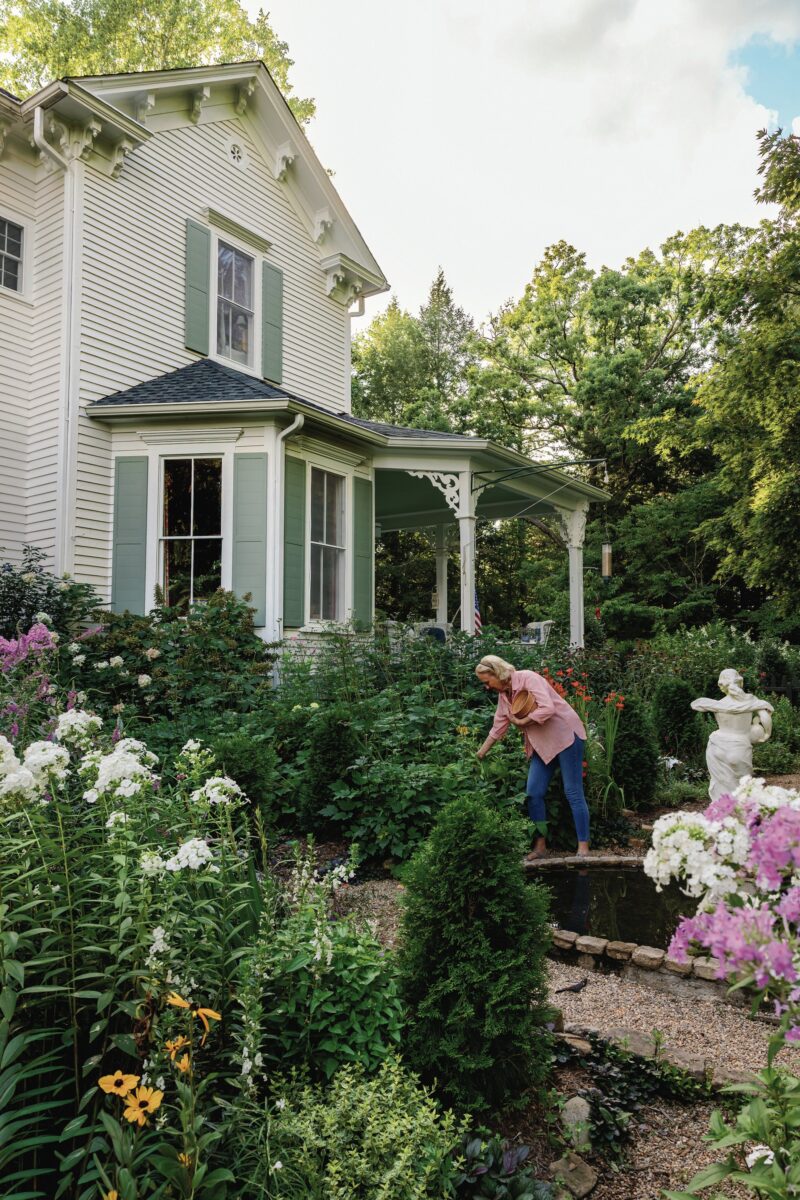
The story of the Flat Rock estate begins long before Marty Whaley Adams Cornwell made it her permanent year-round haven. Perched at the end of an avenue of towering hemlocks and ancient pines, an 1876 white clapboard Victorian cottage commands panoramic views of the serene Highland Lake. With its wide, welcoming porch, marble nymph sculpture, and perimeter of hydrangeas and pink roses, the property evokes a timeless, painterly aesthetic.
For Marty, a Charleston native and accomplished artist, the estate was woven into the fabric of her childhood. Years prior, her great-grandfather had constructed an Arts and Crafts-style home directly across the water. It was in these cool mountain waters that Marty learned to swim under her father’s watchful eye.
When the 1876 Victorian property and its surrounding twelve acres came on the market in 1984, Marty—then married to her first husband—saw an opportunity to escape the scorching Lowcountry summers. She immediately purchased the estate. "It felt like coming home," she reflects, her connection to the landscape anchored by decades of cherished family memories.
The Mother-Daughter Partnership (1988–1998)
In 1988, following her divorce, Marty found an ideal co-owner and coconspirator in her mother, the legendary Emily Whaley. Descending from a long lineage of master gardeners, Emily brought decades of horticultural wisdom to the North Carolina plot. Emily’s own reputation had been permanently cemented at 58 Church Street in downtown Charleston, a formal green space designed by celebrated landscape architect Loutrel Briggs and immortalized in her literary memoir, Mrs. Whaley and Her Charleston Garden.
For a young Marty, gardening had been an immersive education, leafing through stacks of seed catalogues—the primary lifeline for sourcing plants before the era of commercial garden centers—to help her mother order violas, stock, and snapdragons. Later visits to her grandparents in Pinopolis, South Carolina, further ingrained a deep appreciation for botanical beauty, from her grandfather’s meticulously nurtured camellias to her grandmother’s towering walls of sweet peas climbing rickety wooden fences.
Between 1988 and Mrs. Whaley’s passing in 1998, the mother-daughter duo converted the Flat Rock property into a dual-purpose creative colony. While Emily painted and wrote from the back porch, Marty set up her easel on the front porch. Despite being in her seventies, Emily actively shaped the landscape, digging up volunteers from a century-old maple tree and replanting them along the lawn’s edge toward the lake. These trees today mingle harmoniously with blue hydrangeas propagated directly from Marty’s older sister’s 1950s wedding bouquet.
The Transformation and Full-Time Migration (2002–2022)
Over the span of three decades, Marty systematically evolved the garden from a seasonal retreat into an abundant, thriving ecosystem. Nature itself forced a redesign when two massive pines flanking the property were struck by lightning while Emily and her bridge-playing companions sat safely on the porch—an event Marty recalls as having nearly blown the hair off her mother’s head.
In place of the fallen trees, Marty engineered a centerpiece oval pond adorned with elegant statuary salvaged from her great-aunt’s historic garden near Charleston. This water feature serves as a direct homage to the serene pool at 58 Church Street, immortalized on the cover of Garden & Gun’s debut issue in 2007, where renowned author Pat Conroy famously stood.
By 2022, the pull of the mountains proved absolute, prompting Marty to make Flat Rock her permanent, full-time home. Escaping the heavy Lowcountry humidity, she found profound solace in the auditory and visual richness of the Blue Ridge landscape. "When I sit on this porch and look out at the lilies, at the bees drunk on the monarda, it soothes about any problem," Marty notes. "Just listen to that woodlark; it’s like church."
Closing a Chapter, Opening Another (2023–Present)
In 2023, facing the declining health of her second husband, Charles Cornwell, Marty made the agonizing decision to sell her historic Charleston home and the original "Mrs. Whaley’s Garden." Describing the process as emotionally taxing—stating it took two years of inner work to muster the strength—she relocated full-time to Flat Rock to care for Charles until his passing the following year.
Upon learning that the new owners of 58 Church Street were committed to lovingly restoring both the eighteenth-century house and its historic garden, Marty found immense peace. Reflecting on the cyclical nature of life and land, she observes: "Gardening reminds you that everything has a season. As Mama would say, ‘A storm blowing through makes room for something new.’"
Supporting Context & Metrics: Horticultural and Artistic Synergy
To fully appreciate the scope of the Whaley-Cornwell estate, one must examine the intersection of fine art and high horticulture that defines the property today. Now in her sixth decade as a prolific painter, Marty discovered that the sweeping mountain vistas provided an ideal backdrop for her floral still lifes and landscape works.
Architectural Integration: Marty constructed a dedicated framing studio just beyond the property’s grand maple tree, utilizing three striking salvaged windows acquired from a local antique store.
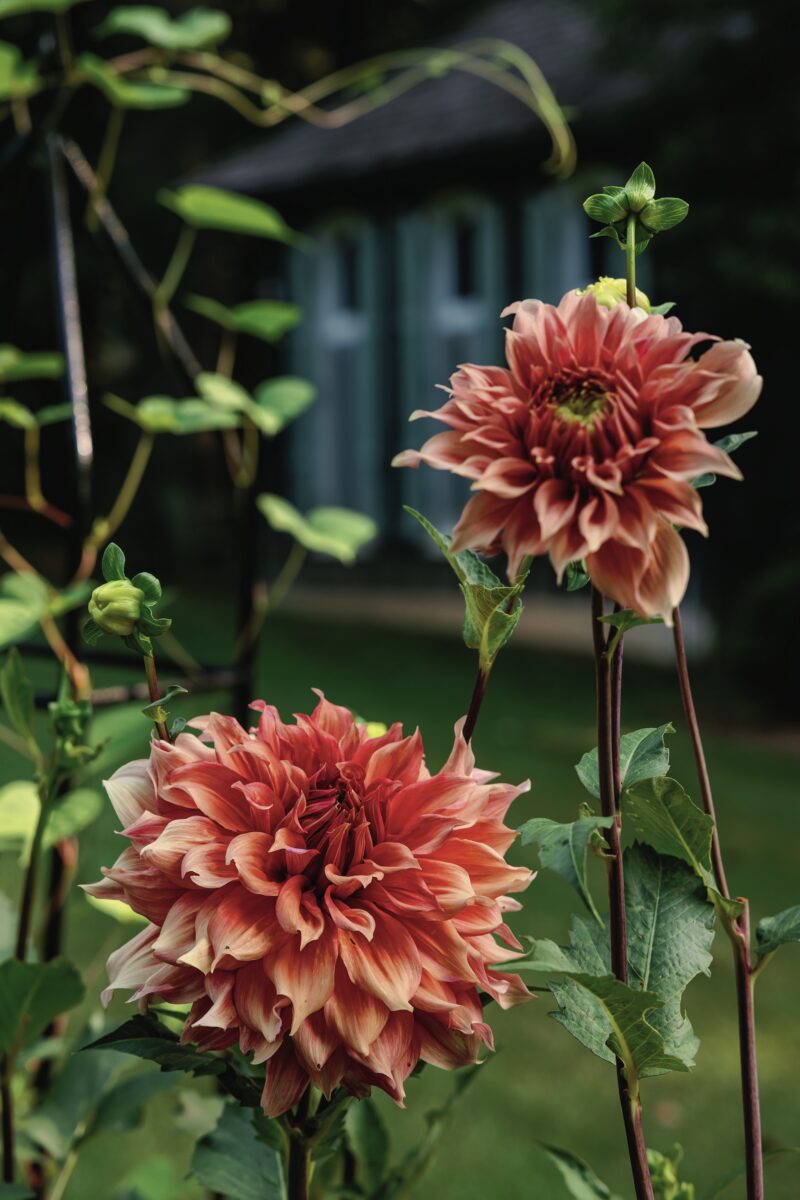
Botanical Diversity: The grounds boast an eclectic mix of perennials and annuals, including David phlox, Angelonia, Strawberry Sundae hydrangeas, Sierra Glow dahlias, monarda, variegated Solomon’s seal, fall-blooming anemones, and robust patches of ruby bee balm.
Multi-Generational Floristry: The tradition of working with cut flowers extends to Marty’s family circle; her son’s partner, professional florist Kylie Ammerman, regularly utilizes the estate’s robust dahlia crops to craft sophisticated floral arrangements.
Exhibition Milestone: Marty’s time in the mountain studio has culminated in preparations for a major solo art exhibition, scheduled to open in October at Flat Rock’s Marsha Hammel Studio.
Official Statements and Personal Reflections
The philosophy guiding the Whaley family’s approach to land stewardship bridges the gap between structured southern elegance and untamed mountain vitality. Unlike the tightly controlled geometries of downtown Charleston, the Flat Rock property operates on a rhythm of natural abundance.
"A garden is like a painting: Stir a little here, mix a little color there," Marty Whaley Adams Cornwell explains, gesturing toward a flourishing bed of moonflowers grown directly from seed. "Things practically grow themselves here. They just take off. It’s just so miraculous… I mean, how could I not be a gardener?"
Reflecting on the psychological and spiritual dimensions of her craft, Marty emphasizes the therapeutic resonance of the soil:
"Gardening reminds you that everything has a season. A storm blowing through makes room for something new."
While the wrought-iron gate at 58 Church Street in Charleston historically welcomed visitors with a sign reading, "Invite your soul to rest," the Flat Rock estate requires no such signage. The natural cadence of bluebirds landing on feeders, hummingbirds darting among zinnias, and butterflies navigating the perennial borders provides an organic sanctuary for both the imagination and the soul.
Future Outlook
As the historic 58 Church Street property in Charleston enters a new era under appreciative new stewards, the spirit of Mrs. Whaley lives on with undiminished vigor in the mountains of North Carolina. Marty Whaley Adams Cornwell’s transition from a guardian of Lowcountry formalism to a cultivator of mountain utopia demonstrates that true horticultural legacy is not anchored by geographical coordinates alone. Instead, it is sustained by resilience, artistic vision, and an enduring respect for the natural cycles of growth, decay, and renewal.
With her upcoming solo exhibition at the Marsha Hammel Studio, Marty continues to bridge the tangible beauty of her gardens with the permanence of canvas. For future generations of Southern gardeners and artists, the North Carolina estate stands as proof that when classic heritage meets the untamed grace of the Blue Ridge, the result is nothing short of miraculous.



0 Comments