
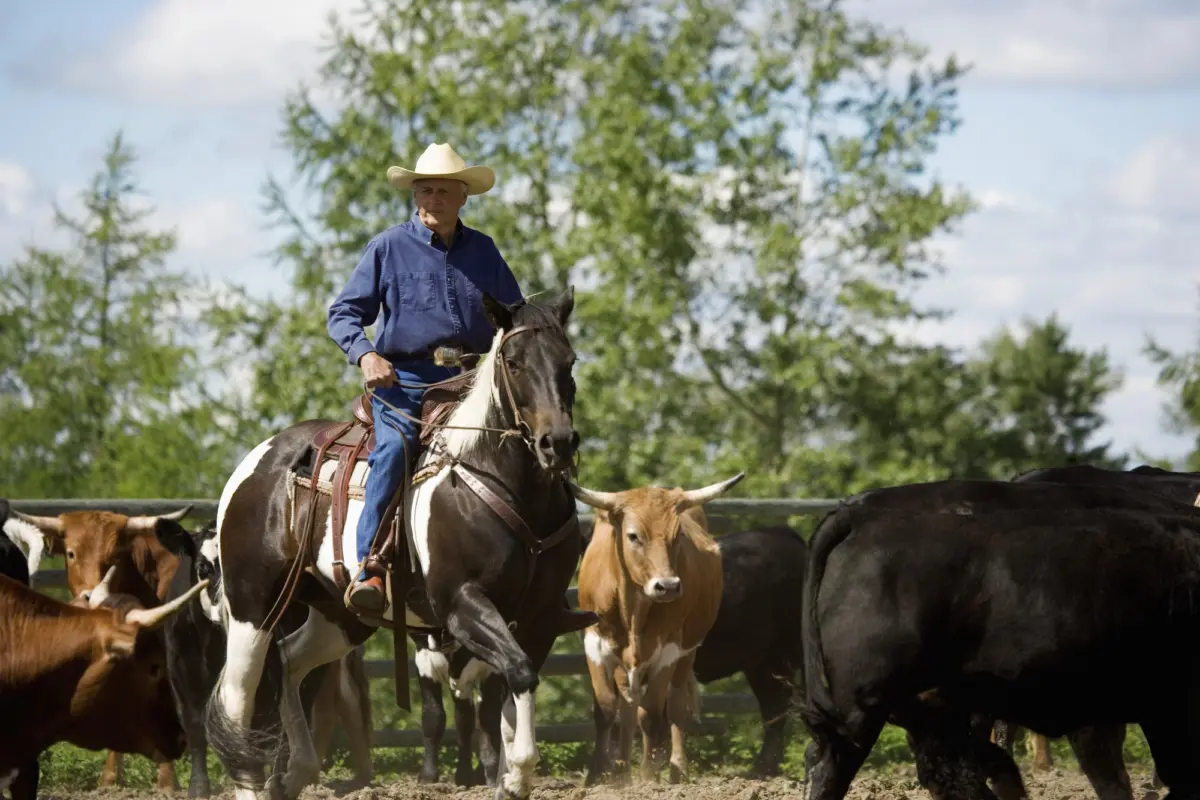

WASHINGTON — In a decisive move aimed at safeguarding the future of the nation’s livestock sector, Secretary of Agriculture Brooke Rollins has introduced a comprehensive, multi-pronged federal strategy dubbed the "Ranchers First Initiative." Designed to fortify the American beef industry against mounting economic pressures, climate-related challenges, and supply chain vulnerabilities, the ambitious plan seeks to reverse years of herd contraction and restore stability to cattle producers across the country.
The initiative builds significantly upon the U.S. Department of Agriculture’s (USDA) broader 2026 strategic framework. By targeting critical pain points—ranging from heifer retention and grazing land availability to local processing infrastructure and federal procurement policies—the Rollins administration aims to secure the long-term viability of the Great American beef herd.
Executive Overview
The American cattle industry has long served as an economic engine for rural communities, a vital pillar of the agricultural economy, and a cornerstone of domestic food security. However, years of persistent drought across key grazing regions, escalating operational costs, and consolidation within the processing sector have taken a heavy toll. The national cattle inventory has dwindled to historic lows, raising concerns among producers, economists, and policymakers alike.
The Ranchers First Initiative represents a direct, federal intervention designed to inject resilience back into the cattle pipeline. Rather than offering a one-size-fits-all band-aid, the initiative deploys a four-pillar approach that addresses the entire lifecycle of beef production:
- Financial Risk Mitigation: Introducing fast-tracked insurance tools to encourage heifer retention for herd rebuilding.
- Land and Infrastructure Enhancement: Leveraging emergency conservation programs and expanding grassland enrollment to secure adequate grazing acreage.
- Processing Capacity Expansion: Establishing dedicated loan guarantees for small and regional processors to alleviate bottlenecks.
- Domestic Procurement Priority: Directing federal food purchasing power toward locally sourced American beef to support domestic producers and feed vulnerable populations.
Detailed Breakdown of the Four Pillars
Secretary Rollins outlined the core components of the initiative during a series of producer roundtables, most notably in Nebraska—a heartland state deeply impacted by fluctuating market conditions and weather extremes. Below is an in-depth examination of the four foundational pillars that comprise the Ranchers First Initiative.
1. The Beef Retention and National Development Endorsement
The foundational challenge in rebuilding a depleted cattle herd is the temptation—and sometimes the economic necessity—for producers to liquidate breeding stock rather than holding them back for expansion. When cattle prices peak or feed costs soar, short-term financial pressures often force ranchers to send heifers to market instead of retaining them to produce the next generation of calves.
To counteract this, the USDA is rolling out a specialized mechanism under its traditional Livestock Risk Protection (LRP) program: the Beef Retention and National Development Endorsement.
"In Nebraska, we talked about the new effort to retain heifers under the Beef Retention and National Development Endorsement brand," Secretary Rollins explained. "This is a fast-tracked new heifer retention endorsement for our traditional livestock risk protection programs in LRP, allowing producers to insure the economic value of retaining a heifer for breeding over a two-, three-, four-, or five-year period."
By providing federally backed insurance that covers the deferred economic value of retained heifers, the program shields ranchers from the market volatility that typically makes herd rebuilding a high-risk gamble. Producers can now commit to long-term herd growth with greater financial security.
2. Unleashing Conservation and Expanding Grassland Access
Land availability and pasture health are inextricably linked to the size and health of the national herd. Consecutive years of drought have severely degraded grazing lands, forcing many ranchers to cull their herds prematurely due to a lack of forage.
The Ranchers First Initiative tackles this crisis on two distinct fronts: disaster recovery and long-term acreage expansion.
- Emergency Conservation Program (ECP) Activation: The USDA is actively deploying ECP resources to the Grassland Conservation Reserve Program (CRP). This move enables producers to quickly repair and rebuild critical infrastructure—such as fencing, watering facilities, and erosion control measures—damaged by natural disasters or overuse.
- Prioritizing Grassland CRP Expansion: In addition to disaster recovery, the initiative prioritizes the inclusion of an additional 1 million acres of grasslands into the CRP framework.
"That was number one. But also, number two, unleashing the Emergency Conservation Program on our Grassland Conservation Reserve Program to help rebuild critical infrastructure when it’s needed. And then also to prioritize an additional 1 million grasslands in the CRP program to provide more space to grow our great American beef herd," Rollins noted.
This expansion ensures that ranchers have access to stable, sustainable grazing lands, reducing the pressure on overgrazed pastures and providing the physical acreage necessary to support herd expansion.
3. Fortifying Small and Regional Processing Capacity
For decades, structural bottlenecks within the meatpacking sector have posed a significant hurdle for independent cattle producers. With a small number of multinational processing conglomerates controlling the vast majority of processing capacity, independent ranchers often find themselves subject to wide margins between wholesale beef prices and what they receive at the farm gate.
To foster a more competitive marketplace, the Ranchers First Initiative introduces targeted financial instruments aimed at the decentralized processing sector.
"Number three is a new guaranteed loan program to continue building on the small and regional beef, sheep, and lamb processors that can purchase excess capacity," Rollins stated.
By providing federal loan guarantees, the USDA aims to make capital more accessible for independent, regional processing facilities. Expanding these localized operations not only absorbs excess livestock production capacity but also shortens supply chains, reduces transportation stress on animals, and creates robust local market alternatives for independent ranchers.
4. Prioritizing Domestic Procurement and Public Nutrition
The final pillar of the initiative bridges the gap between agricultural production and public welfare by redirecting federal food procurement strategies toward domestic, locally produced beef.
"Number four is prioritizing the procurement of great American beef to buy locally to get more healthy nutritious food on the plates of our kiddos, of our veterans, of our soldiers," Rollins emphasized.
Through federal nutrition assistance programs, school lunch initiatives, and military supply chains, the USDA is streamlining pathways to purchase beef directly from domestic producers. This dual-purpose strategy guarantees a steady, reliable market for American ranchers while supplying high-quality, nutrient-dense protein to schools, military installations, and veteran facilities.
Supporting Context & Industry Metrics
The urgency behind the Ranchers First Initiative is underscored by recent data from the USDA National Agricultural Statistics Service (NASS).
- Inventory Declines: Total cattle and calves in the United States have fallen to multi-decade lows. Lingering drought conditions across the Southern Plains, Western states, and parts of the Midwest forced accelerated liquidation cycles starting in 2021 and continuing through subsequent years.
- Input Costs: While cattle prices have experienced periods of strength, surging input costs—including feed, fertilizer, veterinary care, and machinery—have squeezed profit margins, making expansion financially precarious without risk-management tools like the new LRP enhancements.
- Processing Consolidation: Despite previous federal investments in local processing infrastructure, independent producers have continued to grapple with localized slaughter bottlenecks, making regional loan guarantees a critical priority for market access.
Agricultural economists and industry associations, including the National Cattlemen’s Beef Association (NCBA) and state-level livestock groups, have closely monitored these trends. Many have welcomed the USDA’s targeted focus on risk management and regional processing as vital steps toward restoring balance to the supply chain.
Official Statements and Stakeholder Reactions
Reaction from the agricultural community has been largely positive, with producers praising the administration’s willingness to address both immediate disaster recovery and long-term structural reform.
During her rollout events, Secretary Rollins emphasized that the policies were crafted after extensive listening sessions with producers on the ground.
"In Nebraska and across the country, we heard loud and clear from the men and women who wake up every day to feed America," Rollins stated during her address. "They didn’t want bureaucratic red tape; they wanted practical tools. They wanted insurance products that make sense for multi-year herd building, they wanted access to their grazing lands, they wanted independent processing options that keep value in rural communities, and they wanted their government to proudly buy American beef for American heroes and school children."
State agricultural departments and local extension offices are already preparing to disseminate guidance on how producers can access the newly fast-tracked LRP endorsements and ECP grassland funding.
Future Outlook: What Lies Ahead for America’s Cattle Ranchers
The rollout of the Ranchers First Initiative marks a defining moment for agricultural policy in 2026. However, the true measure of its success will lie in its implementation and the willingness of agricultural lenders, insurance providers, and producers to adopt the new tools.
Over the coming months, the USDA’s Risk Management Agency (RMA) and Farm Service Agency (FSA) are expected to release detailed regulatory guidelines regarding the rollout of the Beef Retention and National Development Endorsement and the prioritization of the 1 million new CRP grassland acres. Regional processors seeking assistance under the new guaranteed loan program will also begin navigating application portals through local USDA service centers.
As these programs take effect, industry analysts will be watching closely to see whether the incentives are sufficient to prompt a meaningful shift from liquidation to herd retention. If successful, the Ranchers First Initiative could serve as a blueprint for long-term agricultural resilience, ensuring that the Great American beef herd remains a global standard of quality, sustainability, and economic strength for generations to come.
Reporting by Elizabeth Sanders, with additional reporting from agricultural trade desks in Washington and Nebraska.

0 Comments