

Executive Overview
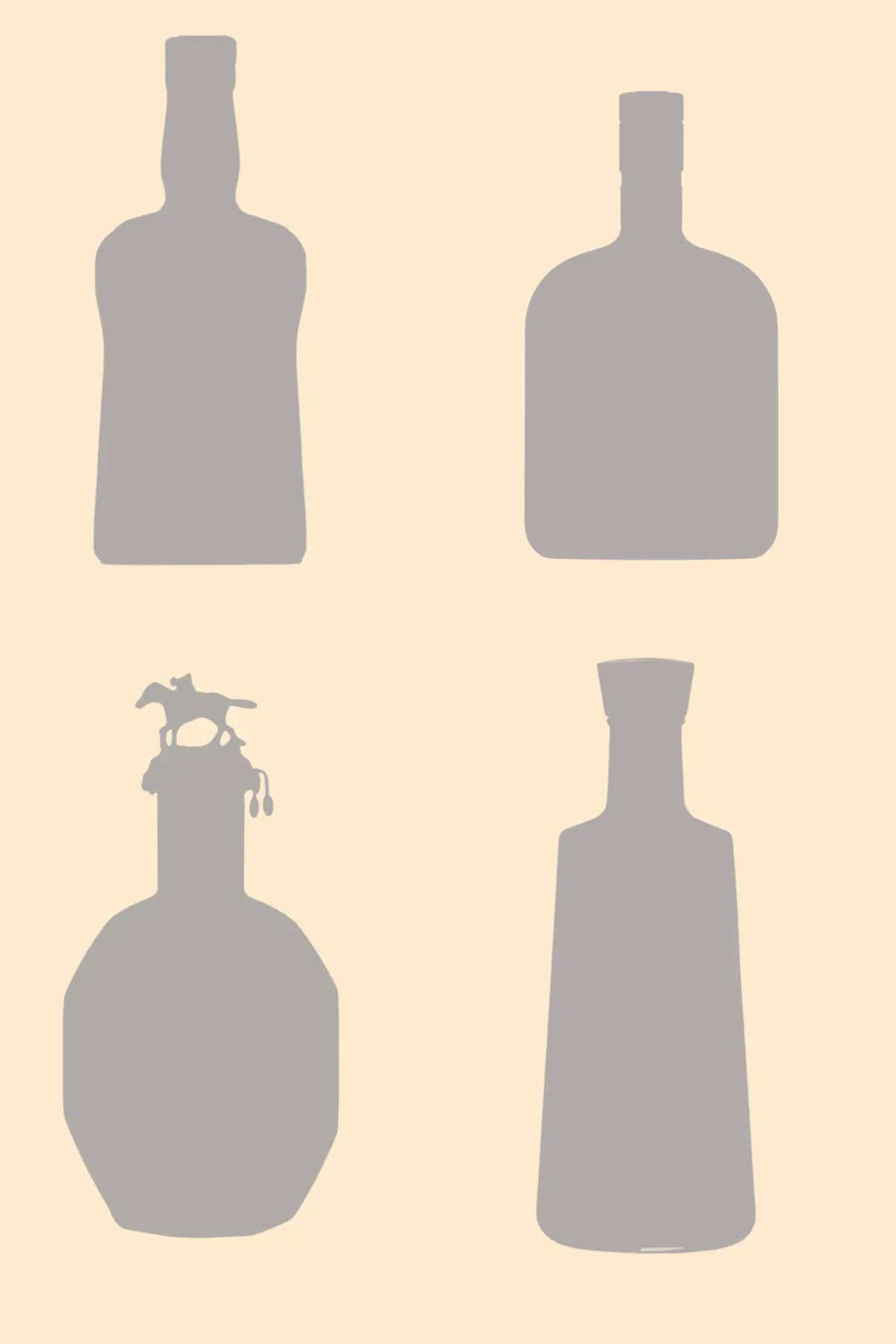
Walk down the aisle of any well-stocked modern liquor store, and you will bear witness to a silent evolution. Beyond the amber hues, the high-proof declarations, and the age statements lies a masterclass in industrial design. Today’s bourbon market is characterized by an astounding variety of container forms, ranging from utilitarian, minimalist flasks to ornate, showstopping decanters that command attention from across the room.
Bottle architecture has transcended its primary function of mere containment; it is now a primary vehicle for brand storytelling, consumer loyalty, and psychological seduction.
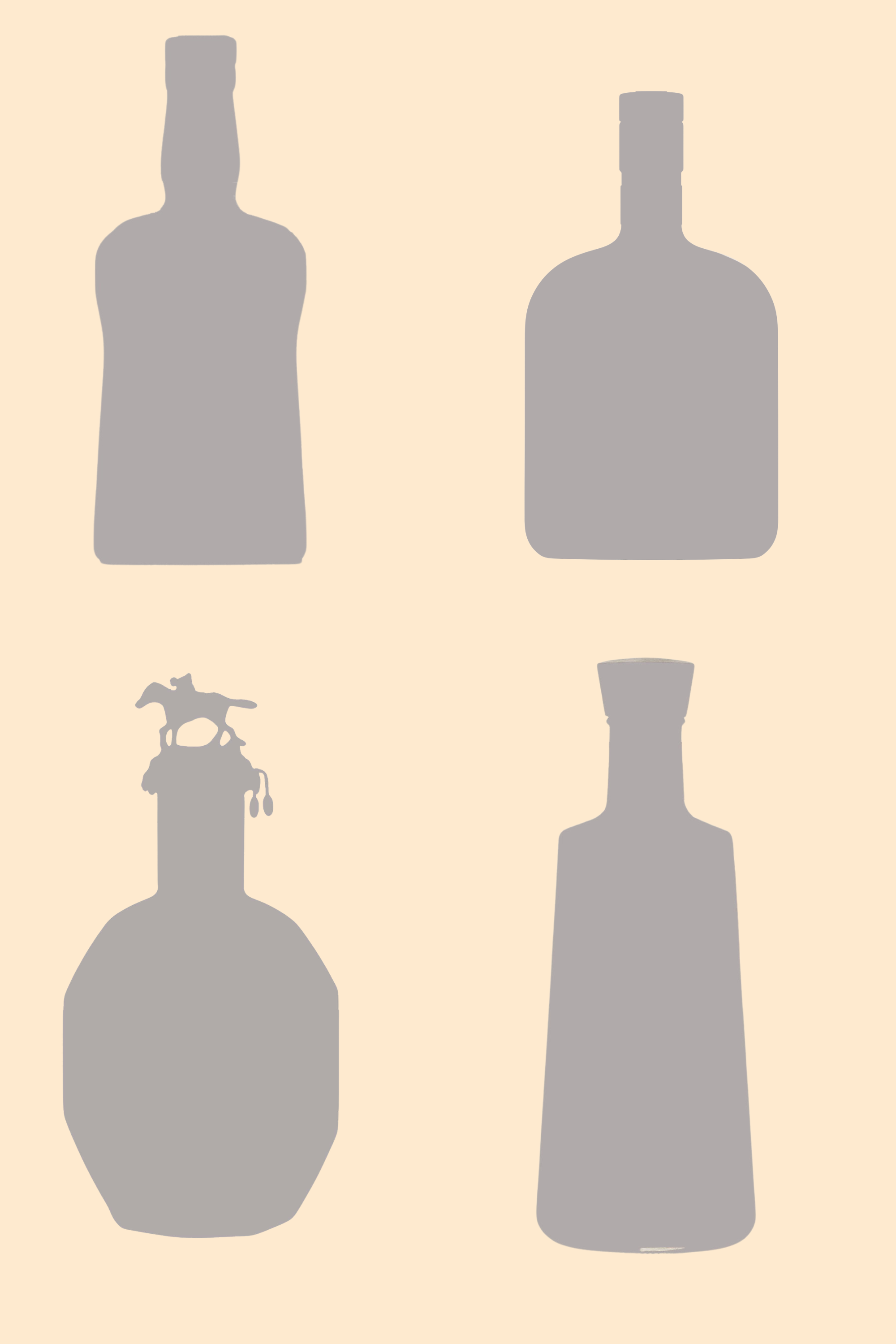
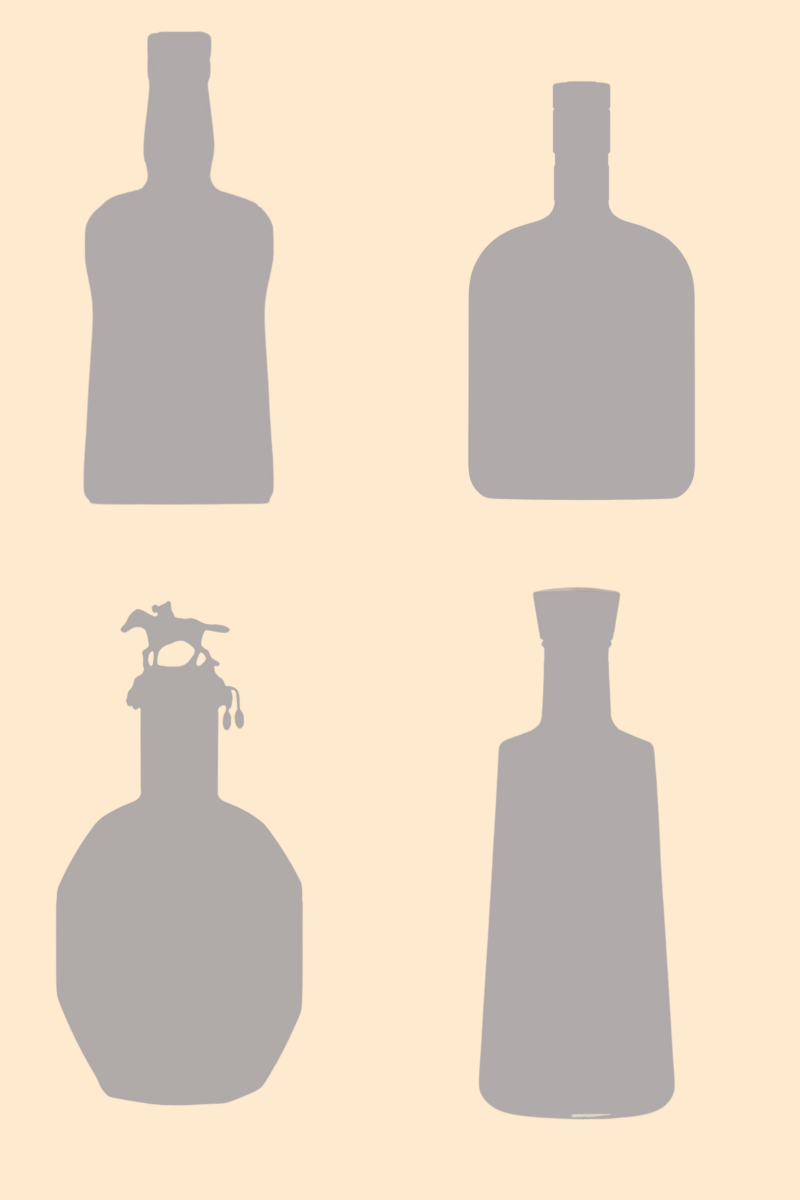
To explore this phenomenon, whiskey culture enthusiasts and connoisseurs are increasingly turning to visual literacy tests. A prime example is the newly launched silhouette challenge by Garden & Gun, penned by spirits writer Steve Russell. By stripping away labels, foil wrappers, wax details, and branding typography, this interactive quiz asks a deceptively simple question: Can you identify a legendary bourbon by its shape alone?
This deep dive examines the intersection of industrial design, consumer psychology, and whiskey heritage, exploring why the silhouette of a bourbon bottle has become as iconic as the spirit it holds.
Detailed Chronology: The Evolution of Bourbon Packaging
To understand why modern bourbon bottles look the way they do, one must look backward through the history of American distilling. The containers holding America’s native spirit have undergone a radical transformation over the centuries, mirroring shifts in technology, industrial capacity, and marketing sophistication.
The Era of Utility (Late 18th to Late 19th Century)
In the pioneering days of American whiskey, bourbon was rarely sold in individual, branded glass bottles. Distillers shipped their product in heavy oak barrels down the Kentucky River and Ohio River toward New Orleans. Local merchants and taverns would dispense the whiskey directly into personal jugs brought by patrons. When glass bottles did begin to appear in the mid-19th century, they were purely functional. Hand-blown and mold-cast vessels varied wildly in thickness, color, and capacity. Imperfections were standard, and uniformity was non-existent.

The Rise of Standardization and Proprietary Glass (Early to Mid-20th Century)
As industrial glass manufacturing matured following the Industrial Revolution, distilleries began realizing the value of proprietary bottle shapes. This evolution accelerated drastically after the repeal of Prohibition in 1933. Distillers sought to distinguish their products on crowded back-bars and retail shelves. Companies introduced embossed lettering, ribbed glass designs, and distinct neck profiles. However, mass production constraints still forced a certain level of conformity, leading to the ubiquitous "historical flask" and standard round-bottom styles that dominated post-war America.
The Artisanal and Collector Boom (Late 20th Century to Present)
The modern era of bourbon packaging kicked off in earnest with the craft distilling movement and the premiumization of luxury spirits. Distillers realized that high-net-worth collectors and aficionados judged a whiskey’s quality—even subconsciously—by the tactile experience of holding the bottle. Heavy glass bases, custom cork closures, hand-dipped wax seals, and laser-engraved details became standard tools of the trade. Today, legendary labels invest millions of dollars into custom mold designs, ensuring that a bottle’s silhouette is instantly recognizable from across a dimly lit room, even before a single drop is poured.
Supporting Context & Metrics: The Psychology of Whiskey Silhouettes
Why do certain bottle shapes evoke immediate recognition while others fade into the background? The answer lies in the cognitive science of visual branding and industrial ergonomics.
Ergonomics Meets Aesthetics
A bourbon bottle must satisfy two competing demands: it must look striking on a shelf, and it must feel balanced in the hand of a bartender or host pouring a neat glass. The weight distribution, the diameter of the neck, and the placement of shoulder breaks all contribute to the haptic feedback of the experience.

- The Wax Seal Profile: Often associated with heritage and hand-crafted patience, a tapering neck crowned with heavy wax creates an unmistakable silhouette that hints at small-batch production.
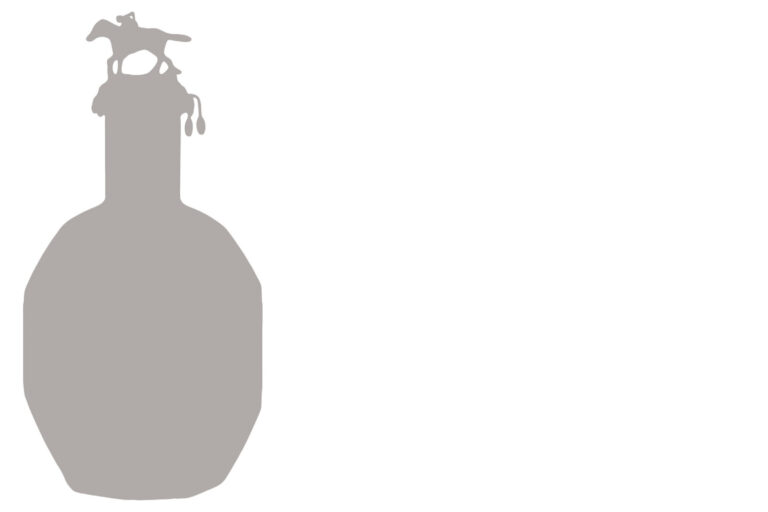
- The Equestrian and Heritage Caps: Bottle designs featuring custom stoppers—such as cast metal horses or intricate crests—add a vertical anchor to the silhouette, drawing the eye upward and signaling ultra-premium status.
- The Heavy-Shouldered Flask: Broad, angular shoulders project strength, ruggedness, and a connection to frontier tradition, appealing to consumers looking for bold, high-proof profiles.
Market Metrics and Consumer Engagement
According to recent market research within the luxury spirits sector, packaging accounts for nearly 40% of a consumer’s initial purchasing decision when encountering an unfamiliar brand. Furthermore, interactive digital engagement tools—such as label-free identification quizzes—have seen a massive surge in popularity.
Data from enthusiast platforms indicates that visual-based spirits quizzes achieve completion rates over 35% higher than traditional trivia formats. By removing textual prompts, these challenges tap into deep-seated brand familiarity and visual memory, turning passive drinkers into active connoisseurs.

Official Statements and Industry Perspectives
Designers, master distillers, and spirits historians increasingly view the outer shell of a bourbon bottle as an art form equal to the liquid resting inside.
Katy Henderson, a leading industrial packaging designer specializing in beverage alcohol, emphasizes the deliberate nature of these contours:

"When you design a bourbon bottle without labels, you are relying entirely on primary and secondary geometry. The human brain processes silhouettes faster than it processes text. If a bottle doesn’t have a distinct profile, it gets lost in the visual noise of the modern back-bar. Every curve, taper, and indentation must tell a story before the customer even reads the brand name."
Meanwhile, veteran distillers note that the choice of glass mold is often one of the most expensive investments a new brand can make.

"A custom glass mold can cost upwards of six figures and take nearly a year to develop," notes a Kentucky-based master blender who requested anonymity. "You don’t make that kind of investment unless you believe the silhouette is going to become iconic. The bottle is the ambassador of the brand."
Spirits educators also praise interactive visualization challenges like the Garden & Gun bottle quiz for elevating consumer appreciation. By encouraging drinkers to study the subtle nuances of wax lines, shoulder angles, and base widths, these exercises foster a deeper connection to the craftsmanship of the entire distilling industry.

Future Outlook: The Next Wave of Bottle Innovation
As the American whiskey landscape continues to expand—with craft distilleries opening in all fifty states and global demand reaching unprecedented heights—the future of bourbon bottle design is poised for further innovation.
Sustainability Meets Luxury
One of the most significant challenges facing modern distillers is balancing the desire for heavy, luxurious glass bottles with growing environmental and sustainability mandates. Consumers and regulatory bodies are increasingly pushing back against excessively heavy packaging that inflates carbon footprints during shipping.

In response, forward-thinking glass manufacturers are pioneering advanced blowing techniques that maintain iconic, dramatic silhouettes while drastically reducing overall glass weight. This allows heritage brands to retain their visual identity without compromising on eco-friendly corporate goals.
The Integration of Smart Tech and Tactile Design
Looking ahead, we can expect to see an intriguing synthesis of classic silhouettes and modern technology. While purists will always favor the tactile elegance of traditional glass, augmented reality (AR) and near-field communication (NFC) chips embedded in custom bottle caps and seals are beginning to bridge the gap between physical shapes and digital storytelling.

Yet, as interactive quizzes and visual challenges prove, the core appeal remains fundamentally analog. Whether it’s a slender, elongated neck, an assertive wax-dipped crown, or a dramatic hourglass waist, the silhouette of a great bourbon bottle remains a work of art.
For the modern whiskey enthusiast, mastering the art of silhouette recognition is no longer just a fun parlor game—it is the ultimate badge of honor in a booming golden age of American spirits.

0 Comments