

Executive Overview
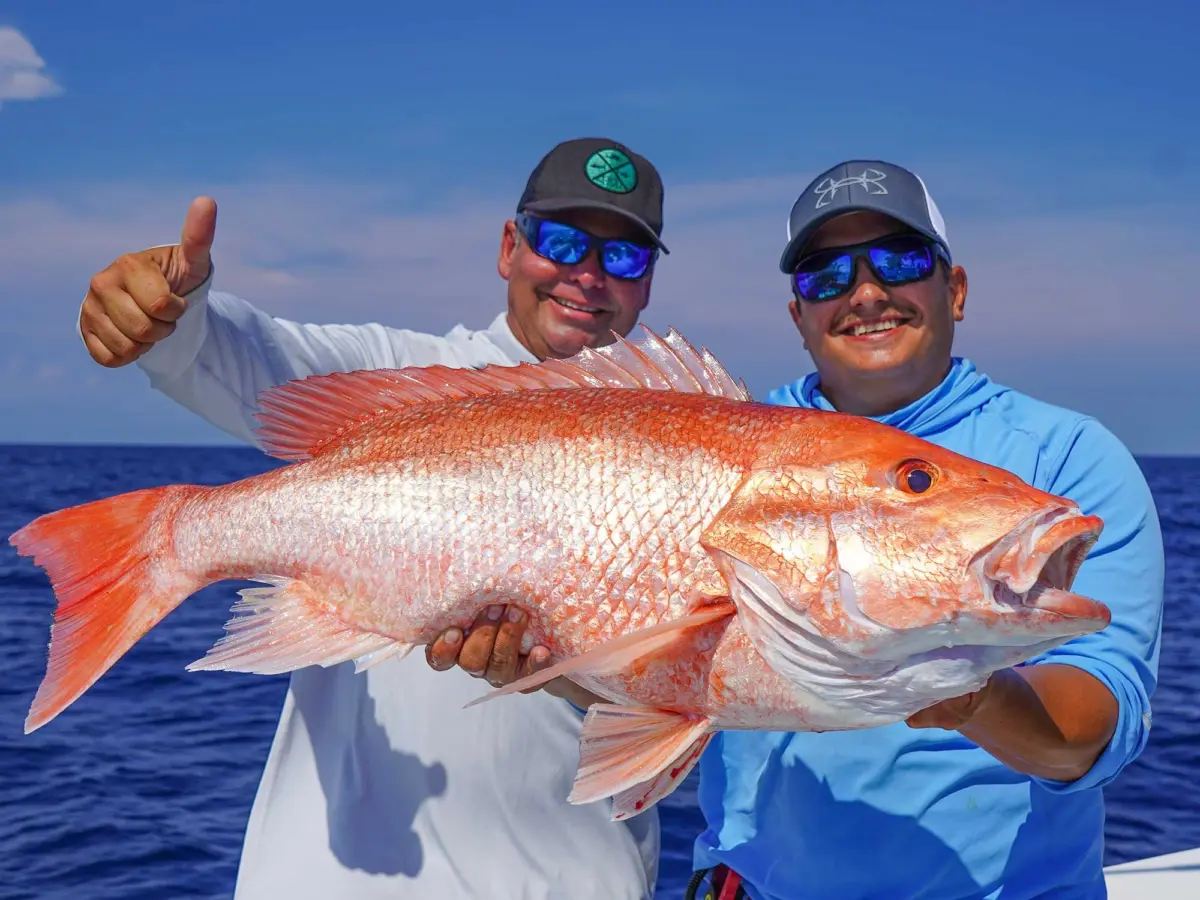
The ongoing struggle over recreational access to South Atlantic red snapper (Lutjanus campechanus) has entered a critical new phase. Following a crushing legal blow earlier this year that halted a heavily anticipated summer fishing season, the states of Florida, Georgia, and South Carolina are fighting back. Through a coordinated push, these state wildlife agencies have proposed a strictly monitored, month-long recreational red snapper season scheduled for October 1–31, with potential extensions into December.
This proposed fall season is designed to salvage what remains of the 2026 fishing calendar for recreational anglers who have faced decades of federal restrictions. However, the path to opening these waters is fraught with bureaucratic hurdles, intense friction between commercial and recreational fishing sectors, and lingering questions regarding data integrity under federal management.
At the heart of this initiative are Exempted Fishing Permits (EFPs) granted by NOAA Fisheries. These permits allow the states to implement innovative, high-accuracy data collection frameworks, bypassing the notoriously flawed Marine Recreational Information Program (MRIP). While the proposal offers a glimmer of hope to millions of saltwater anglers, time is running out. NOAA Fisheries has set a strict public comment deadline of August 25, making immediate grassroots support crucial for the survival of the fall season. Anglers and conservation advocates can submit their public comments directly through the official NOAA Fisheries regulations portal.
Detailed Chronology: From Summer Hopes to Autumn Revisions
To understand the significance of the current fall proposals, one must trace the timeline of events that led to the collapse of the 2026 summer season. The journey toward localized management of South Atlantic red snapper has been defined by federal friction, state-led innovation, and last-minute courtroom drama.
The Rise of the Exempted Fishing Permits (EFPs)
For over fifteen years, recreational red snapper harvest in the South Atlantic has been crippled by federal mandates. Regulators operating under the Marine Recreational Information Program (MRIP) routinely restricted anglers to chaotic, 24- to 48-hour "derby" seasons. These brief windows created dangerous overcrowding on the water, unsafe boating conditions, and an overwhelming volume of discarded fish, all while failing to accurately capture true fishing mortality.
Frustrated by booming anecdotal populations of red snapper and inadequate federal data systems, the states of North Carolina, South Carolina, Georgia, and Florida took matters into their own hands. They submitted formal proposals to NOAA Fisheries for Exempted Fishing Permits (EFPs). The core objective of these EFPs was revolutionary: to test state-run data collection systems designed to be exponentially more accurate than MRIP, while simultaneously granting recreational anglers meaningful access to a fishery experiencing unprecedented growth.
NOAA Approval and Commercial Backlash
In early 2026, NOAA Fisheries officially approved the EFP proposals submitted by all four states, clearing the path for pilot-program summer seasons. Charter captains immediately began booking trips, and private boaters invested time and money preparing for what promised to be a return to normalcy.
The jubilation was short-lived. Sensing a threat to commercial quotas and market dominance, commercial fishing interests—spearheaded by the Southeastern Fisheries Association—filed a federal lawsuit challenging the legality of the EFPs.
The May 21 Injunction
The legal challenge came to a head on May 21, mere hours before the Florida summer red snapper season was scheduled to open. A federal judge in Washington, D.C., issued a sweeping injunction halting the 2026 recreational seasons across all four participating states. The sudden ruling effectively grounded charter fleets and shattered the expectations of the recreational angling community.
The Pivot to Fall 2026
Rather than abandoning the fight, Florida, Georgia, and South Carolina went back to the drawing board. (North Carolina ultimately chose not to submit an EFP proposal for the fall cycle). The states modified their original EFP frameworks to directly address and mitigate the legal vulnerabilities cited in the federal judge’s injunction. The result is the newly proposed October 1–31 harvest window, which relies on rigorous, verifiable state-level reporting to satisfy federal oversight while finally delivering fish to the docks.
Supporting Context & Metrics: Seasons, Limits, and Conservation Gear
The newly proposed fall red snapper seasons are not a free-for-all; they are governed by strict, science-backed management protocols designed to prevent overfishing while capturing precise catch-and-effort data. Each participating state has outlined specific frameworks for bag limits, size restrictions, and gear requirements.
Proposed Dates and Bag Limits
- Primary Season: October 1 – October 31, 2026.
- Potential Extensions: Additional harvest dates in December are under consideration, dependent on mid-season catch evaluations.
- Bag Limit: One red snapper per person, per day, across all three participating states.
- For-Hire Restrictions: Captains and crew members operating on charter or for-hire vessels are strictly prohibited from retaining bag limits during the season.
State-Specific Regulations
While the bag limit remains uniform, size limits and structural integration into existing bag limits vary slightly by jurisdiction:
- South Carolina: Has proposed a strict 20-inch minimum length limit for retained red snapper.
- Georgia and Florida: Have proposed no minimum size limits, meaning any legal-limit fish caught may be retained, reducing the discard mortality associated with sizing errors.
- Florida’s Aggregate Integration: In the Florida management plan, the single red snapper per person will count directly toward a strict 10-fish snapper-grouper aggregate limit. Once an angler’s aggregate limit of ten fish is reached, all bottomfishing activity must cease for that individual.
Mandatory Gear Requirements
To ensure the highest possible survival rate for released fish, all three states will mandate specific conservation tackle:
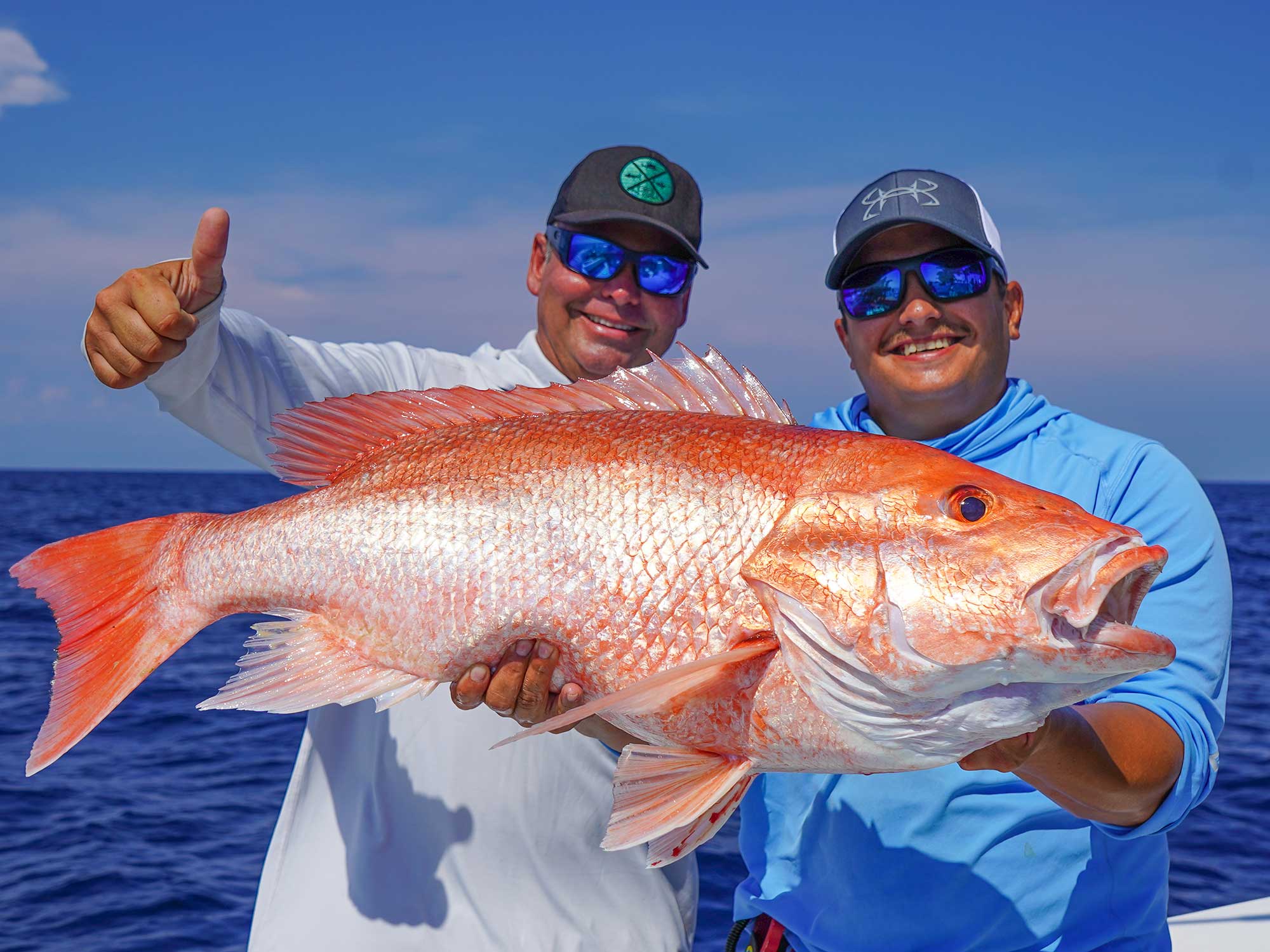
- Non-offset circle hooks: Required when fishing with natural bait to prevent gut-hooking and improve external lip-hooking rates.
- Descending devices: Mandatory on board all participating vessels to rapidly re-pressurize and safely release barotrauma-affected reef fish back to the depths.
Mandatory Reporting and Data Verification Protocols
The linchpin of the proposed fall EFP seasons is data transparency. Federal regulators have long argued that recreational fisheries cannot be reliably managed due to self-reporting biases and high uncertainty in catch estimates. Florida, Georgia, and South Carolina are dismantling this argument by deploying advanced, mandatory electronic reporting systems.
+-----------------------------------------------------------------+
                    STATE DATA REPORTING SYSTEMS
+----------------------------------+------------------------------+
| GEORGIA & SOUTH CAROLINA         | FLORIDA                      |
+----------------------------------+------------------------------+
| • Mandatory use of VESL App      | • State Reef Fish Survey     |
| • Pre-departure trip declaration | • Free, mandatory for all    |
| • 24-hour post-trip submission   |   bottomfishing anglers      |
| • Detailed harvest/discard logs  | • Dockside intercepts        |
+----------------------------------+------------------------------+
Private Anglers in Georgia and South Carolina
Private boaters operating in Georgia and South Carolina waters must utilize the VESL app (accessible via digital registration platforms).
- Pre-Departure Declaration: Anglers must officially register and declare their red snapper fishing trip before leaving the dock.
- Post-Trip Reporting: Within 24 hours of returning to port, anglers must submit a comprehensive trip report documenting total harvest, number of discards, and total hours fished.
Florida’s Data Collection Framework
Florida will leverage its existing, highly regarded State Reef Fish Survey (SRFS). This survey is already mandatory and free for anglers targeting reef fish species in state and federal waters, making compliance seamless for local fishermen.
Ground-Truthing and Dockside Intercepts
To ensure that self-reported data is accurate, state wildlife agencies will deploy enforcement officers and fisheries biologists to conduct targeted dockside intercepts. These physical checks will verify proper licensing, inspect catches, and cross-reference self-reported logs against actual landings, ensuring absolute scientific credibility.
Official Perspectives and Future Outlook
The broader implications of the South Atlantic EFP proposals extend far beyond a single month of fishing. At stake is the future of federal fisheries management and whether state-led, localized data systems can permanently replace archaic federal methodologies.
The Flawed Legacy of MRIP
For over a decade and a half, the Marine Recreational Information Program (MRIP) has served as the primary statistical survey used by NOAA Fisheries to estimate recreational catch. However, fisheries scientists, state agencies, and recreational organizations have repeatedly criticized MRIP for producing wildly inaccurate estimates—often characterized by erratic leaps and bounds that do not reflect reality on the water.
Because recreational seasons have been systematically truncated to mere days, MRIP has been starved of consistent, high-quality empirical data. This creates a vicious cycle: short seasons prevent good data collection, and poor data collection is used to justify keeping seasons short.
Breaking the Cycle Through EFPs
The Exempted Fishing Permits represent a direct challenge to this cycle. By placing the onus of data collection on modern, app-based reporting systems and mandatory state surveys, Florida, Georgia, and South Carolina are attempting to prove that recreational anglers can be trusted stewards of the marine environment. If these pilot programs succeed, they could serve as a national model for managing reef fish fisheries across the United States.
The Stakes for Anglers: Why Action is Required Now
The legal opposition from commercial fishing sectors demonstrates that the status quo is fiercely defended. Commercial interests benefit from stable, predictable access while recreational sectors are repeatedly sidelined by federal red tape.
If the recreational fishing community wants to secure the October 1–31 red snapper season, passive support is not enough. Anglers, charter captains, tackle manufacturers, and conservationists must make their voices heard.
Call to Action:
Public comments submitted to NOAA Fisheries play a decisive role in agency determinations. Every angler with a stake in the South Atlantic fishery must submit a comment in support of the proposed fall red snapper EFPs before the August 25 deadline.
- Action Item: Visit the Official NOAA Regulations Docket today to submit your comment in favor of the Florida, Georgia, and South Carolina fall red snapper seasons.
The outcome of this regulatory review will determine not only whether anglers get on the water this October, but whether grassroots advocacy and state-led science can finally reform South Atlantic fisheries management for good.

0 Comments