

By Elliott Harrell
Published October 1, 2026
Executive Overview
For over a century, the Michelin Guide has served as the undisputed global compass for culinary excellence, steering discerning travelers toward the world’s most celebrated tables. In 2024, the century-old institution expanded its rigorous evaluation framework by introducing the Michelin Key distinction. Designed to recognize hotels that significantly contribute to the hospitality landscape, the Michelin Key honors properties that excel not merely through operational efficiency, but through profound character, distinctive design, authentic charm, and uncompromising service.
While the inaugural wave of Michelin Keys focused heavily on traditional metropolitan hubs and international capitals, the latest distribution of accolades highlights a compelling shift: the American South has emerged as a powerhouse of world-class hospitality. From historic urban mansions meticulously restored to sprawling rural wilderness sanctuaries and whimsical coastal icons, Southern hoteliers are proving that luxury in the twenty-first century is defined by a deep connection to place.
This comprehensive report examines seven extraordinary properties across the region that have earned the coveted Michelin Key. These destinations span North Carolina, Georgia, Virginia, Louisiana, South Carolina, Florida, and Texas, each offering a unique lens through which to view modern Southern hospitality. Through meticulous architectural preservation, farm-to-table culinary innovation, and highly personalized guest services, these establishments are not simply places to sleep—they are immersive cultural destinations that redefine what it means to check in and truly check out.
Detailed Chronology: The Evolution of the Michelin Key in the South
To understand the weight of these recent accolades, one must examine the timeline of how the Michelin Guide adapted its century-old evaluation rubric for accommodations, and how the South cultivated the distinct properties now earning its highest praises.
The Foundation and Expansion (2024–2026)
- The 2024 Launch: When Michelin introduced the Key rating system, inspectors applied the same anonymous, independent evaluation criteria used for restaurants. Hotels were judged across five universal pillars: architecture and interior design, quality and consistency of service, overall personality and character, value for the price, and a significant contribution to the guest’s experience in the surrounding setting.
- The Southern Ascendancy (2025–2026): As inspectors quietly traversed the back roads, coastal arteries, and historic urban cores of the American South, they uncovered a hospitality renaissance. Properties that blended deep-rooted local history with hyper-modern amenities rose to the top. By late 2026, a select group of boutique hotels, wilderness retreats, and urban sanctuaries had secured Michelin Keys, signaling a formal acknowledgment of the South’s maturing luxury market.
Spotlight on the Seven Key-Holding Destinations
1. Heights House Hotel — Raleigh, North Carolina
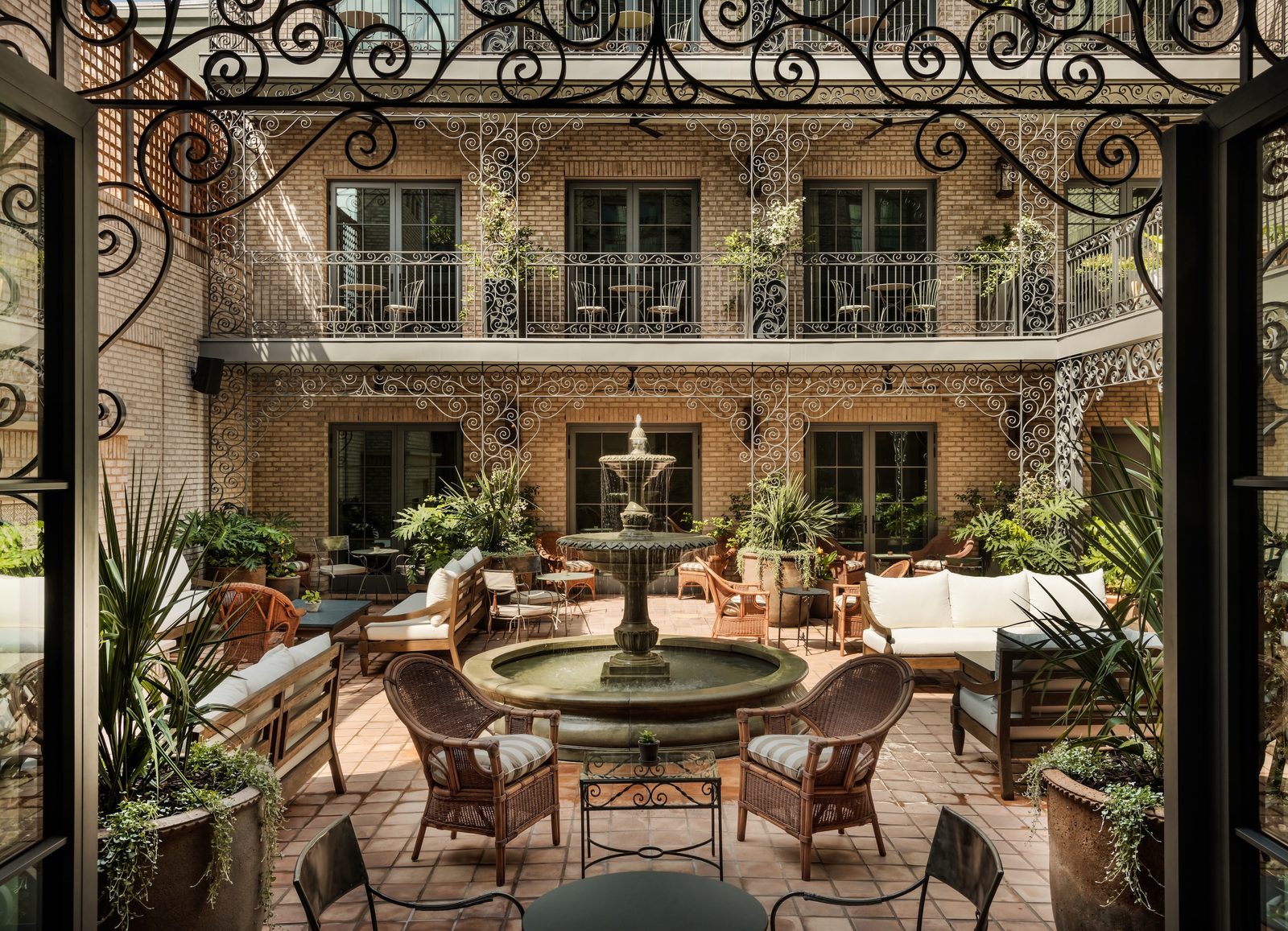
Opened in 2021 within Raleigh’s historic Boylan Heights neighborhood, Heights House Hotel represents a masterclass in adaptive reuse. Housed in a grand Italianate-style historic mansion just steps from downtown, the property features soaring fifteen-foot ceilings that impart a dramatic, light-filled air to its nine meticulously designed guest rooms.
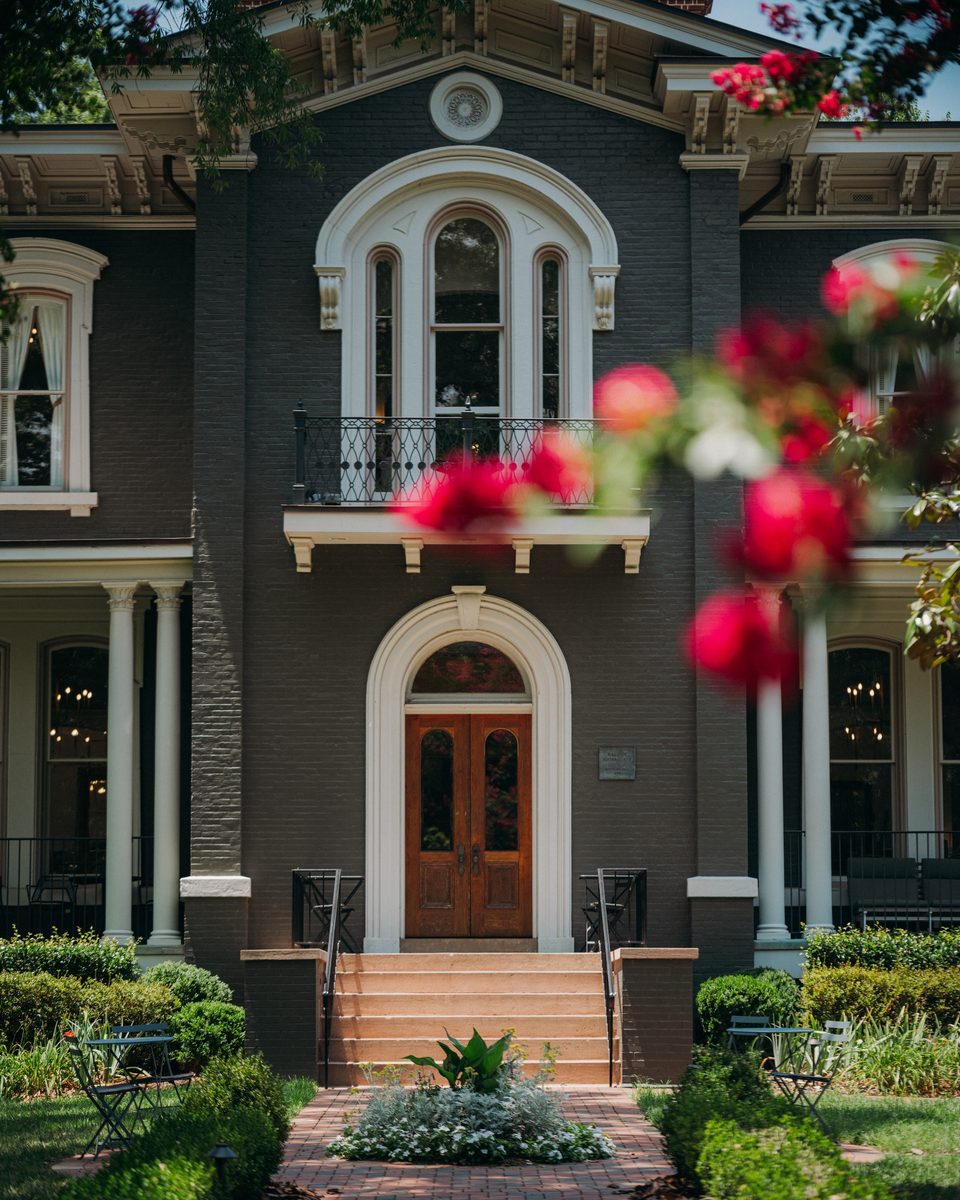
- The Experience: While the architecture speaks of nineteenth-century grandeur, working fireplaces throughout anchor the spaces in modern coziness. Guests can settle in for an extended stay or simply drop by the parlor for an expertly crafted cocktail.
- Philosophical Anchor: Owner Sarah Shepherd notes the profound validation of the Michelin honor: "Earning a Michelin Key is recognition not just of the design or the details, but of every guest who felt at home here."
2. Quercus — Gay, Georgia
Located a mere hour’s drive outside of Atlanta, Quercus offers an aggressive counter-narrative to hyper-connected modern life. Set across 4,000 sprawling acres, this all-inclusive property features just four private cabins, engineered specifically for total disconnection.
- The Amenities: Each cabin is equipped with a dedicated red-light therapy room, a private sauna, an outdoor ice bath, and—most notably—a physical WiFi kill switch designed to sever digital tethers entirely.
- Sustainability & Adventure: Beyond wellness, Quercus offers traditional rural pursuits such as clay shooting and horseback riding. Its culinary program operates on a strict zero-mile, zero-waste philosophy, ensuring that over 90 percent of all produce consumed on-site is either harvested from the property’s own acreage or sourced within a five-mile radius.
3. The Lodge at Primland — Meadows of Dan, Virginia
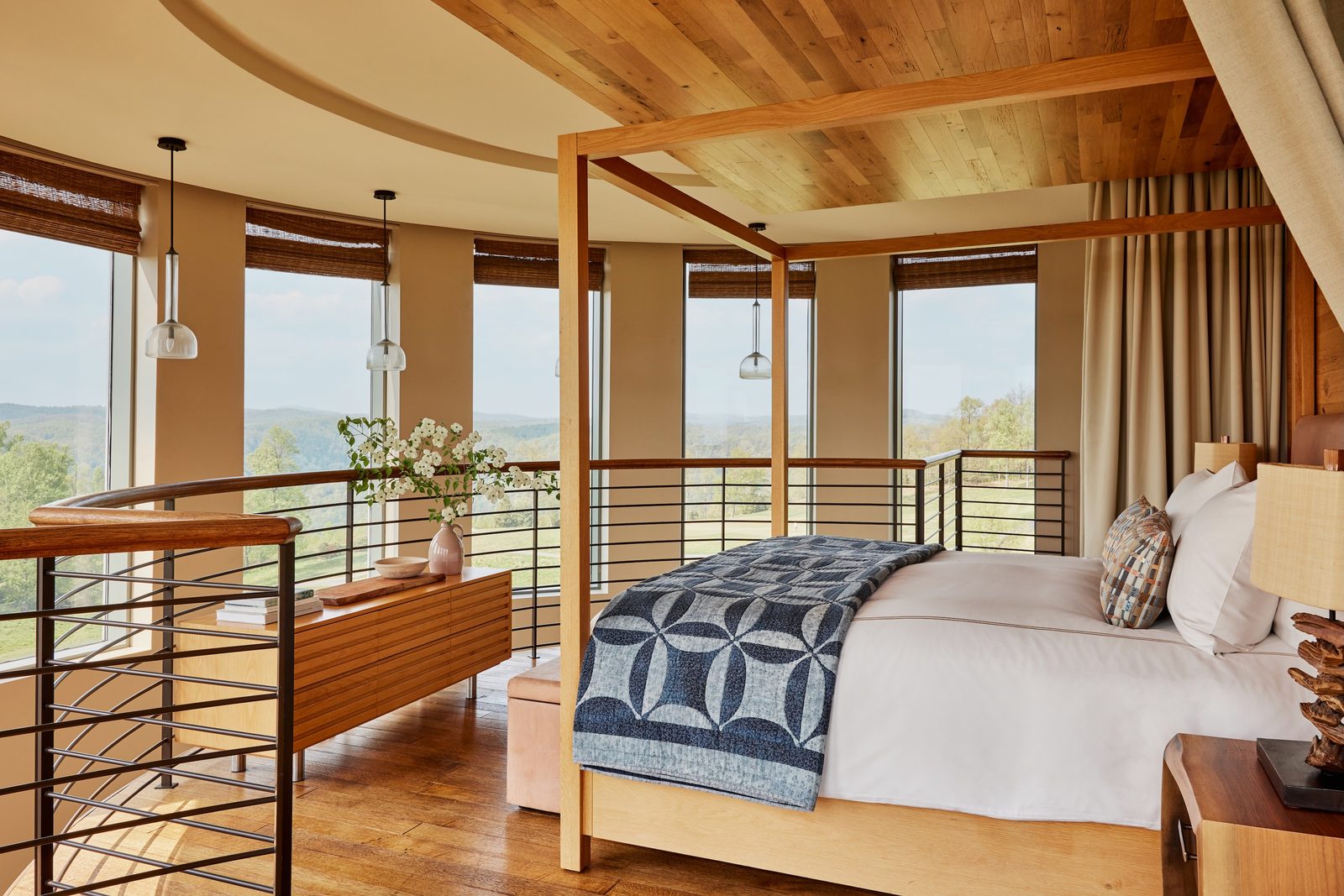
Perched majestically across 12,000 acres of private land in rural Southwest Virginia, The Lodge at Primland feels entirely detached from the velocity of the modern world.
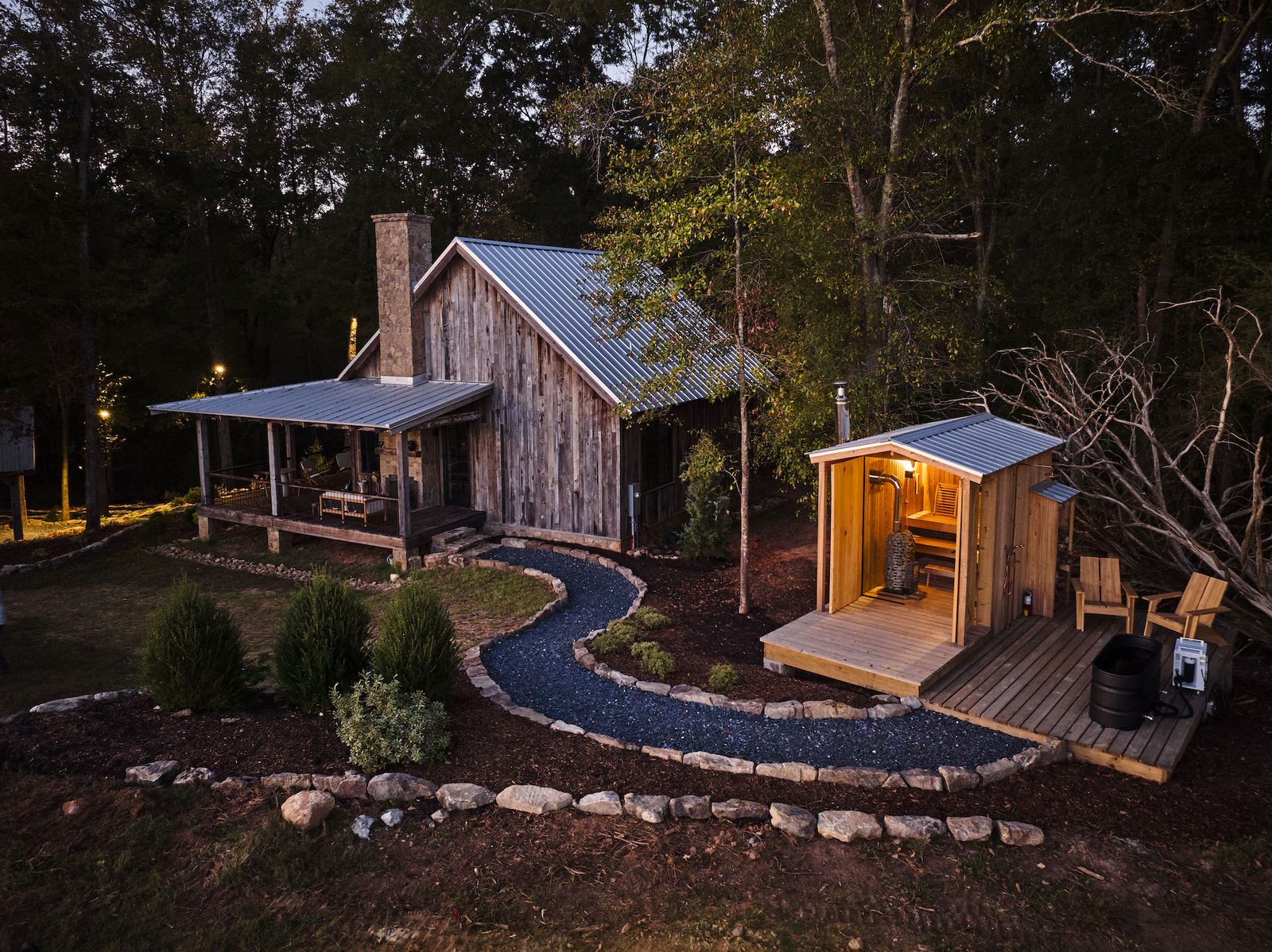
- The Landscape: Surrounded by the sweeping, misty vistas of the Blue Ridge Mountains, the resort leverages its immense geographic footprint to offer seclusion on a grand scale. General Manager Will Rentschler observes: "The breathtaking mountain landscape, sense of seclusion, and unique blend of adventure, well-being, and hospitality create an experience unlike any other."
- Curated Pursuits: Guest itineraries are remarkably diverse. Visitors can transition seamlessly from a morning spa treatment or a traditional game of mahjong to a pheasant-hunting expedition, complete with a borrowed Barbour jacket for exploring the highland woods.
4. The Windsor Court — New Orleans, Louisiana
Situated at the intersection of New Orleans’ historic French Quarter and the vibrant, contemporary Warehouse District, The Windsor Court proves that scale does not preclude intimacy. Despite housing more than three hundred rooms, the property consistently delivers the hyper-personalized attentiveness associated with intimate boutique inns.
- Cultural Fusion: The hotel famously marries Louisiana’s spirited joie de vivre with refined British sensibilities. Guests partake in a legendary afternoon tea service, while the property’s Polo Club bar—featuring dark wood paneling, overstuffed leather club chairs, and equestrian art—serves as an atmospheric sanctuary from the bustling Crescent City streets.
5. The Nickel Hotel — Charleston, South Carolina
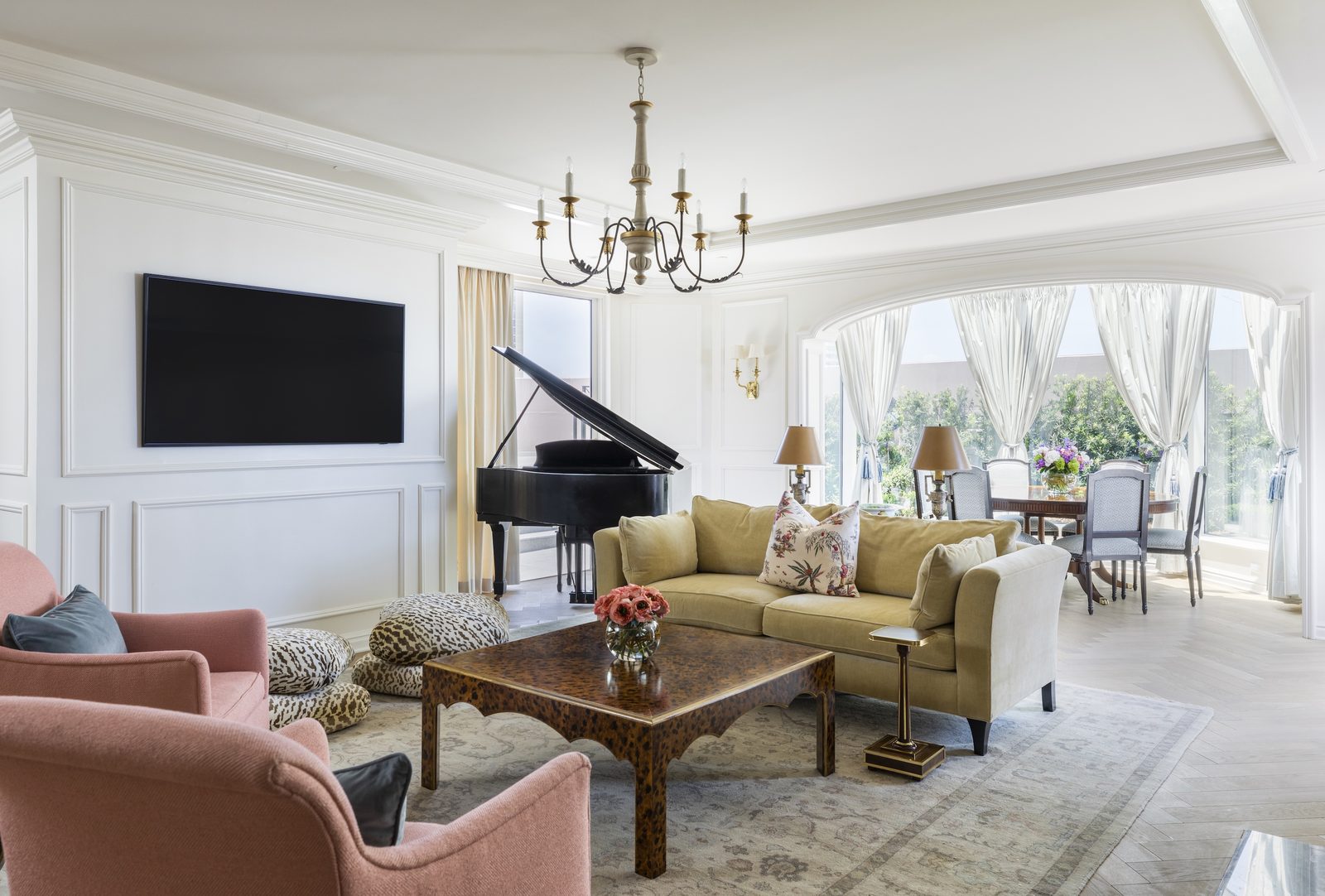
Balancing historic architectural charm with frictionless modern convenience is notoriously difficult, yet Charleston’s Nickel Hotel achieves this equilibrium effortlessly. Located on the quieter, residential-feeling western side of King Street, the property comprises fifty thoughtfully appointed rooms.
- Residential Luxury: Every accommodation features integrated in-room washing machines, dryers, and fully equipped kitchens. Yet, the property maintains a vibrant social energy through its sleek cocktail bar and lush rooftop patio.
- Neighborhood Integration: Positioned just around the corner from the cult-favorite neighborhood watering hole Babas on Cannon and a short ten-minute walk from the Michelin-recommended seafood institution Chubby Fish, The Nickel anchors guests directly in the fabric of local Charleston life.
6. The Colony Hotel — Palm Beach, Florida
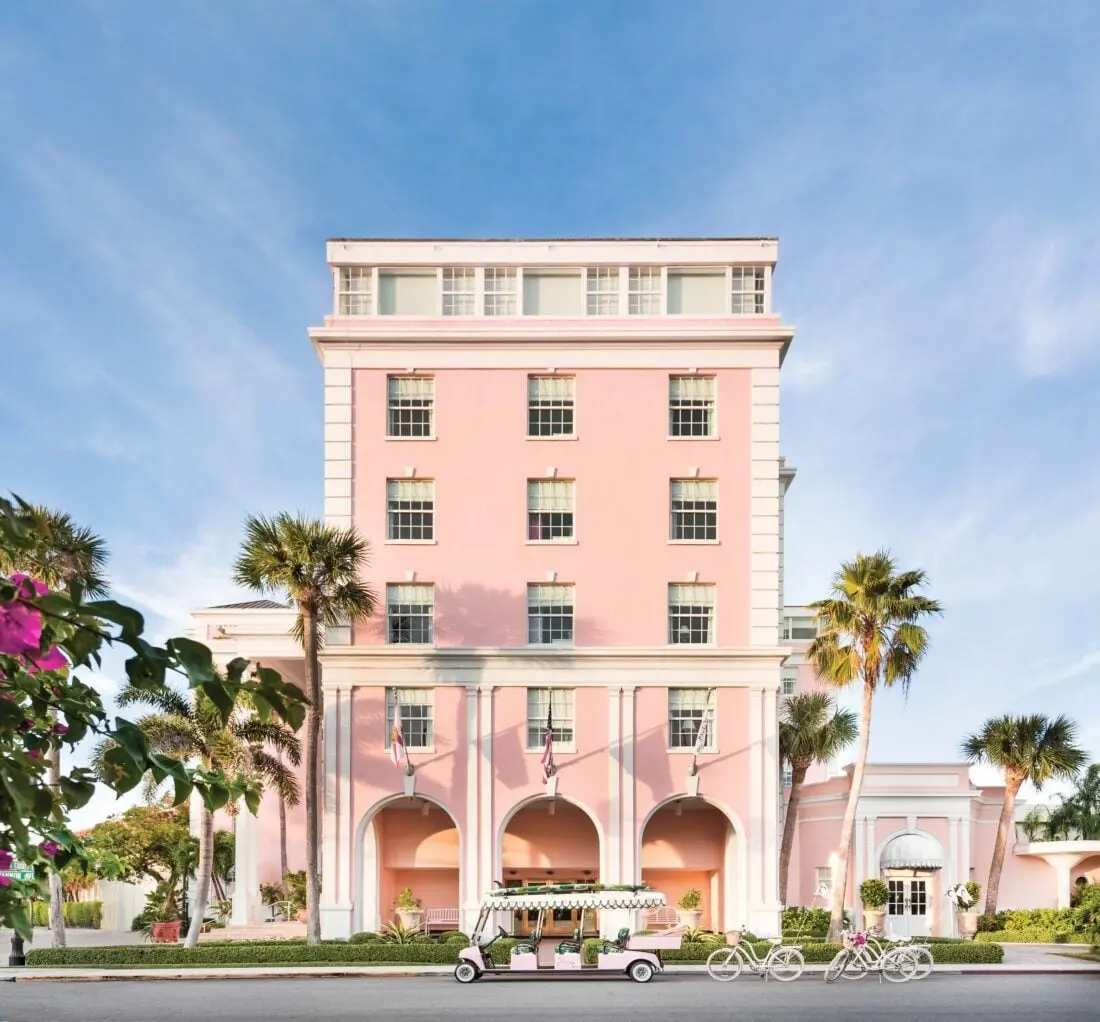
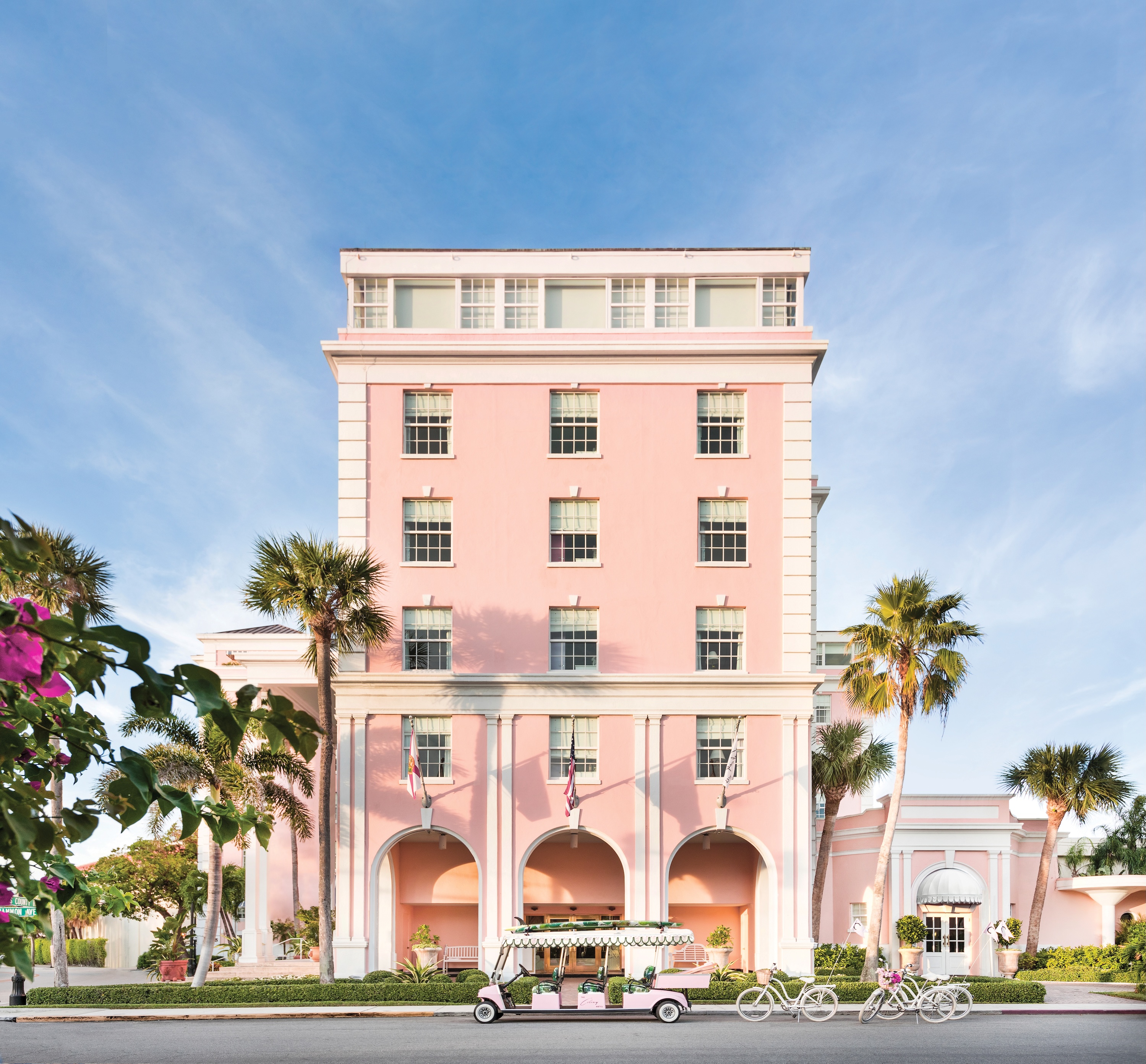
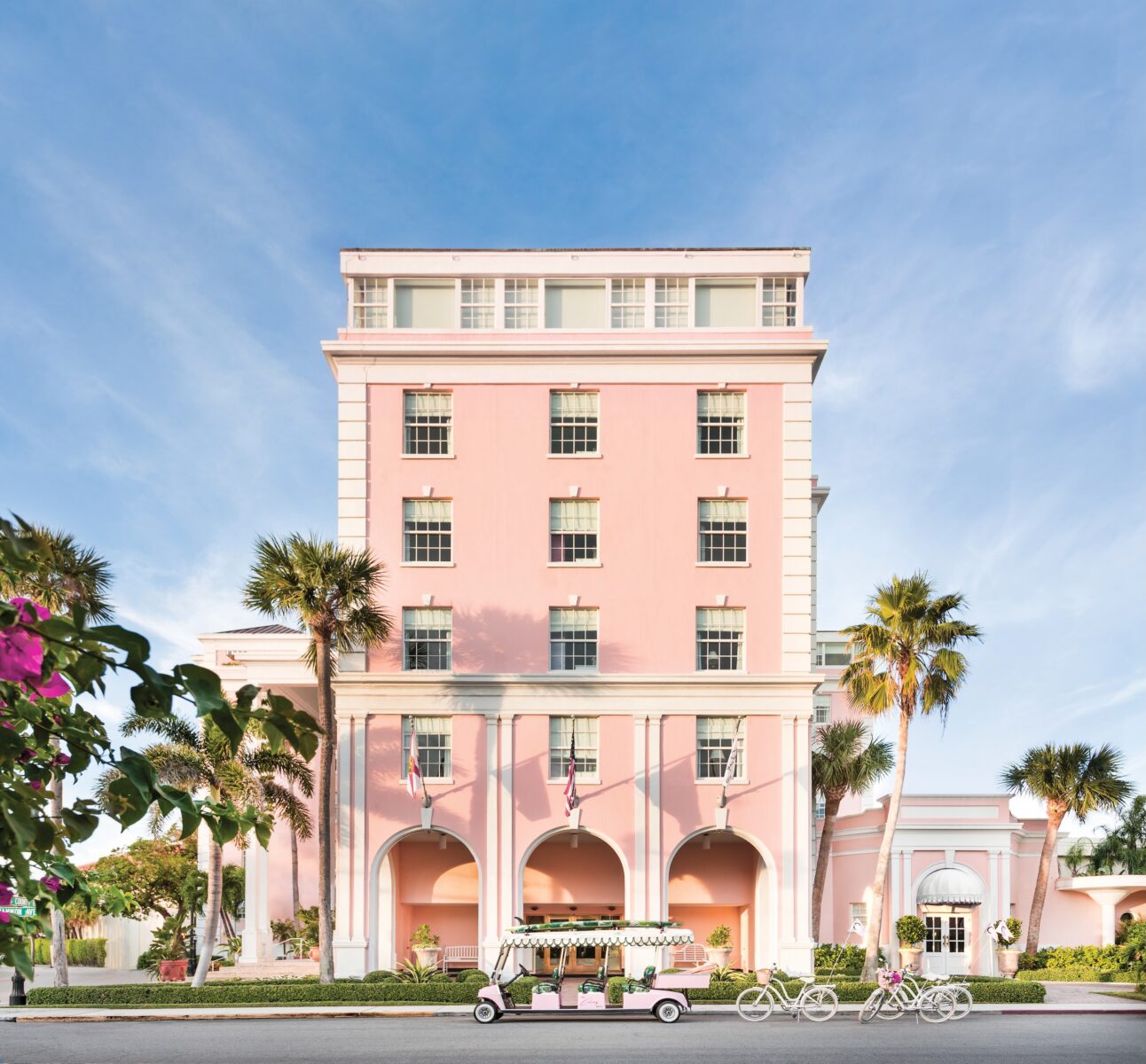
Instantly recognizable by its iconic bubblegum-pink exterior, The Colony Hotel in the heart of Palm Beach is a masterclass in balancing high-end luxury with unbridled whimsy and playful nostalgia.
- Active Exploration: Guests are encouraged to explore the manicured palm-lined streets using complimentary beach cruisers, or to hail the hotel’s signature pink vintage Land Rover for a stylish, head-turning transfer.
- Curated Leisure: On-site programming leans into joyful community experiences, highlighted by weekly Sunday Bingo nights. For pool-bound relaxation, guests who happen to forget reading material can browse a fully stocked, curated magazine newsstand designed to outfit them for an afternoon in the Florida sun.
7. Missing Hotel — Marble Falls, Texas
For travelers who appreciate the aesthetics of the wilderness without the friction of traditional camping, the Missing Hotel in Marble Falls, Texas, provides an ideal resolution.
- Architectural Seclusion: Comprising eleven private villas and geodesic domes scattered across the rugged Texas Hill Country terrain, the property is engineered so that guests cannot see their neighbors from any vantage point.
- Comfort in the Wild: Accommodations feature climate-controlled air conditioning, private hot tubs, and high-thread-count linens. Yet, at night, lying in bed beneath the panoramic glass views of the star-drenched Texas sky creates an unmistakable sense of a remote, frontier escapade—all while remaining less than an hour’s drive from downtown Austin.
Supporting Context & Metrics: The Shift in Luxury Travel Demographics
To fully appreciate the significance of these seven properties earning Michelin Keys, one must examine broader economic and consumer data shifts within the luxury travel sector over the past half-decade.
- The Rise of Experiential Authenticity: According to recent hospitality industry analyses, luxury travelers are shifting their spending away from standardized, corporate five-star mega-resorts in favor of hyper-localized, design-forward boutique properties. Properties that celebrate regional architecture, indigenous flora, and local culinary sourcing have seen a 34% increase in ADR (Average Daily Rate) resilience compared to traditional urban inventory.
- The Wellness and Digital Detox Economy: The inclusion of properties like Quercus and Missing Hotel underscores a massive surge in demand for wellness-centric, secluded travel. Market research indicates that over 60% of affluent travelers now actively seek out accommodations that offer integrated mental decompression tools, digital detox capabilities, or zero-waste dining models.
- Geographic Diversification: Historically, Michelin-recognized establishments were concentrated in primary global gateways (New York, San Francisco, Chicago). The systematic expansion into secondary and tertiary Southern markets—such as Meadows of Dan, Virginia, and Gay, Georgia—demonstrates that the American South has matured into a premier destination for high-net-worth cultural tourism.
Official Statements and Industry Perspectives
The awarding of the Michelin Key is not merely a marketing triumph; it represents validation from one of the most stringent independent bodies in the global travel industry. Key stakeholders across the region have reflected on what this recognition means for their teams and the broader Southern tourism economy.
-
Sarah Shepherd (Owner, Heights House Hotel):
"Earning a Michelin Key is recognition not just of the design or the details, but of every guest who felt at home here. When you restore a historic structure like ours, you take on a custodianship. You aren’t just managing rooms; you are curating an emotional connection between the traveler and the history of Raleigh." -
Will Rentschler (General Manager, The Lodge at Primland):
"The breathtaking mountain landscape, sense of seclusion, and unique blend of adventure, well-being, and hospitality create an experience unlike any other. Our goal has always been to leverage the vastness of the Blue Ridge to offer our guests a profound sense of restoration. This recognition affirms that wild, untamed nature, when paired with world-class service, is the ultimate luxury."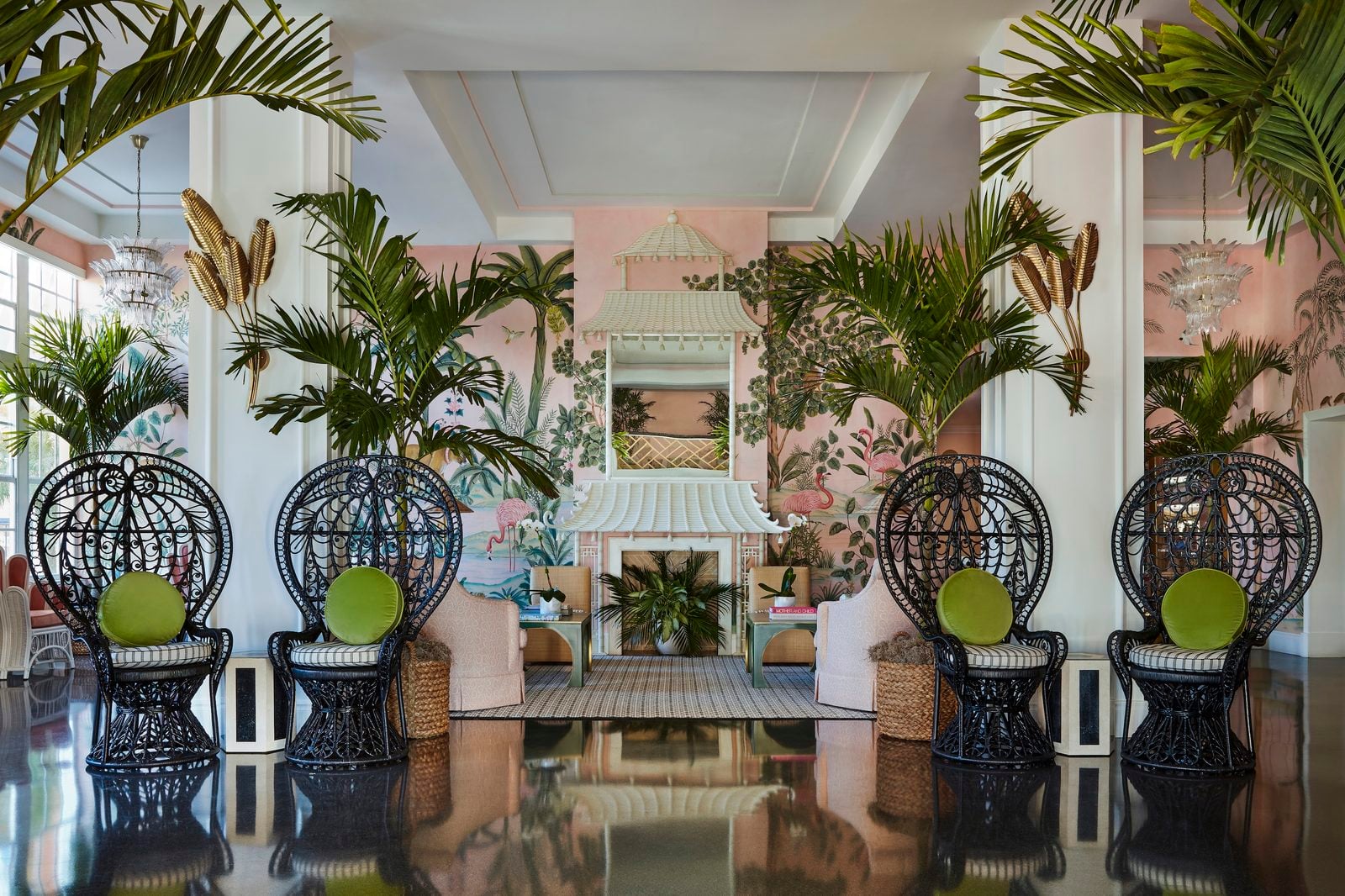
Future Outlook: What Lies Ahead for Southern Hospitality
As the Michelin Guide continues to expand its domestic footprint across the United States, industry analysts project that the southern United States will capture an even larger share of international and domestic luxury travel spend in the years leading toward 2030.
- Increased Demand for Sustainable Tourism: Properties that champion zero-mile agriculture—such as Quercus—are establishing a new benchmark. Future developments in the region will likely face increased consumer pressure to adopt rigorous sustainability practices, moving beyond mere marketing buzzwords to verified ecological stewardship.
- The Blending of Urban and Rural Escapes: The success of properties like The Nickel Hotel in Charleston and Heights House in Raleigh demonstrates that modern travelers desire porous boundaries between urban cultural amenities and quiet residential retreats. Hoteliers across the South are increasingly investing in neighborhood-integrated models rather than insular resort compounds.
- The Ongoing Evolution of Service Standards: As exemplified by The Windsor Court, the future of grand-scale luxury does not lie in cold corporate detachment, but in the scaling of boutique warmth. Training programs across the region are increasingly prioritizing emotional intelligence, intuitive storytelling, and hyper-personalized local curation.
Ultimately, the arrival of the Michelin Key in the American South marks the formal maturation of a region that has long understood the art of welcoming guests. By honoring these seven distinct properties, the Michelin Guide has not only mapped out exceptional places to stay—it has illuminated a vibrant, evolving cultural landscape where history, design, and unpretentious Southern grace meet at the highest possible level.

0 Comments