

By Steve Russell
Published: September 30, 2026
Executive Overview
Walk into any modern, well-stocked package store or high-end spirits lounge, and you will immediately notice a profound aesthetic evolution. Gone are the days when American whiskey was uniformly packaged in standardized, utilitarian amber glass. Today, the shelves of the spirits world resemble an architectural gallery. From sleek, minimalist modernism to ornate, heavy-bottomed decanters wrapped in wax, leather, and metal, bourbon bottle design has become an art form in its own right.
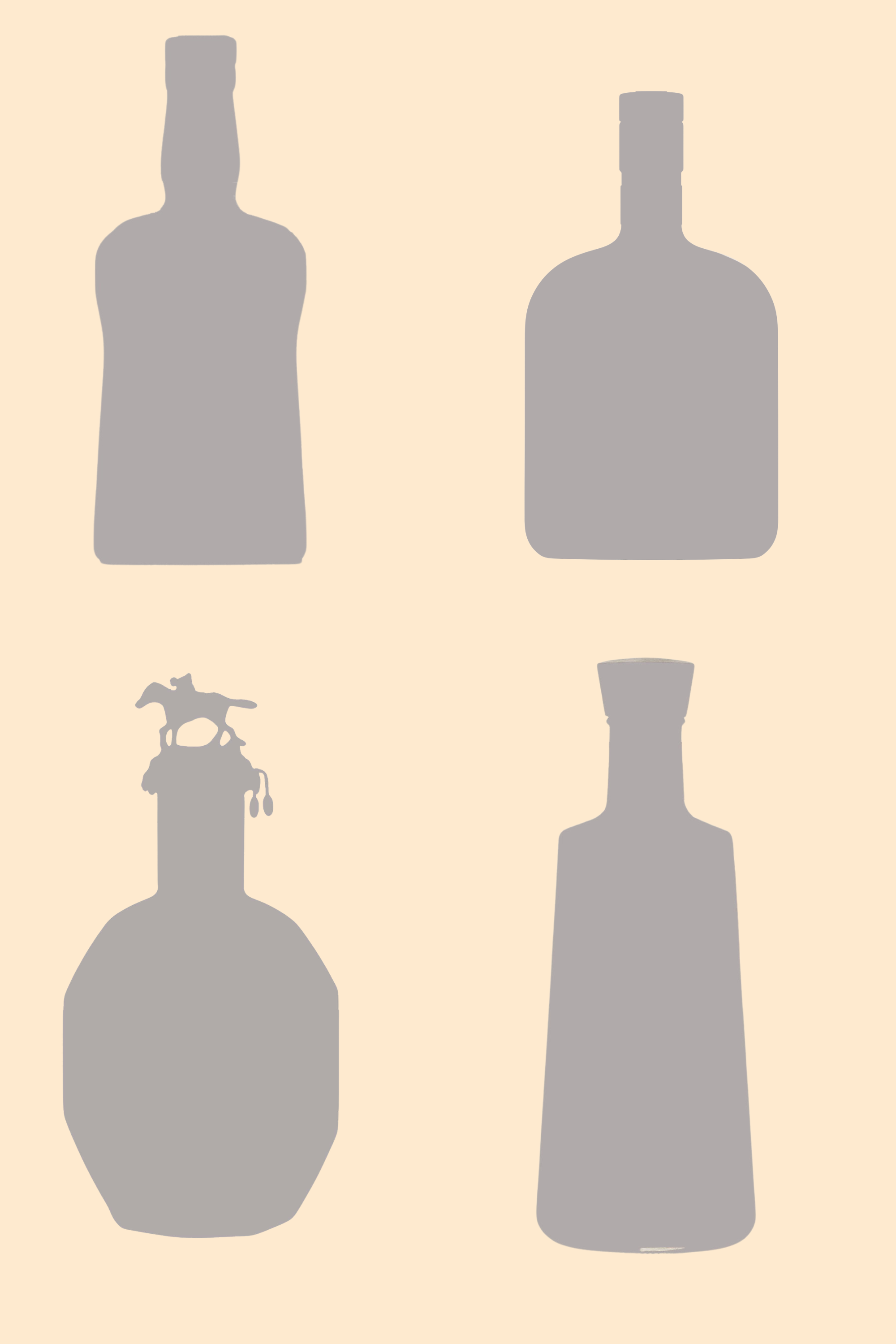
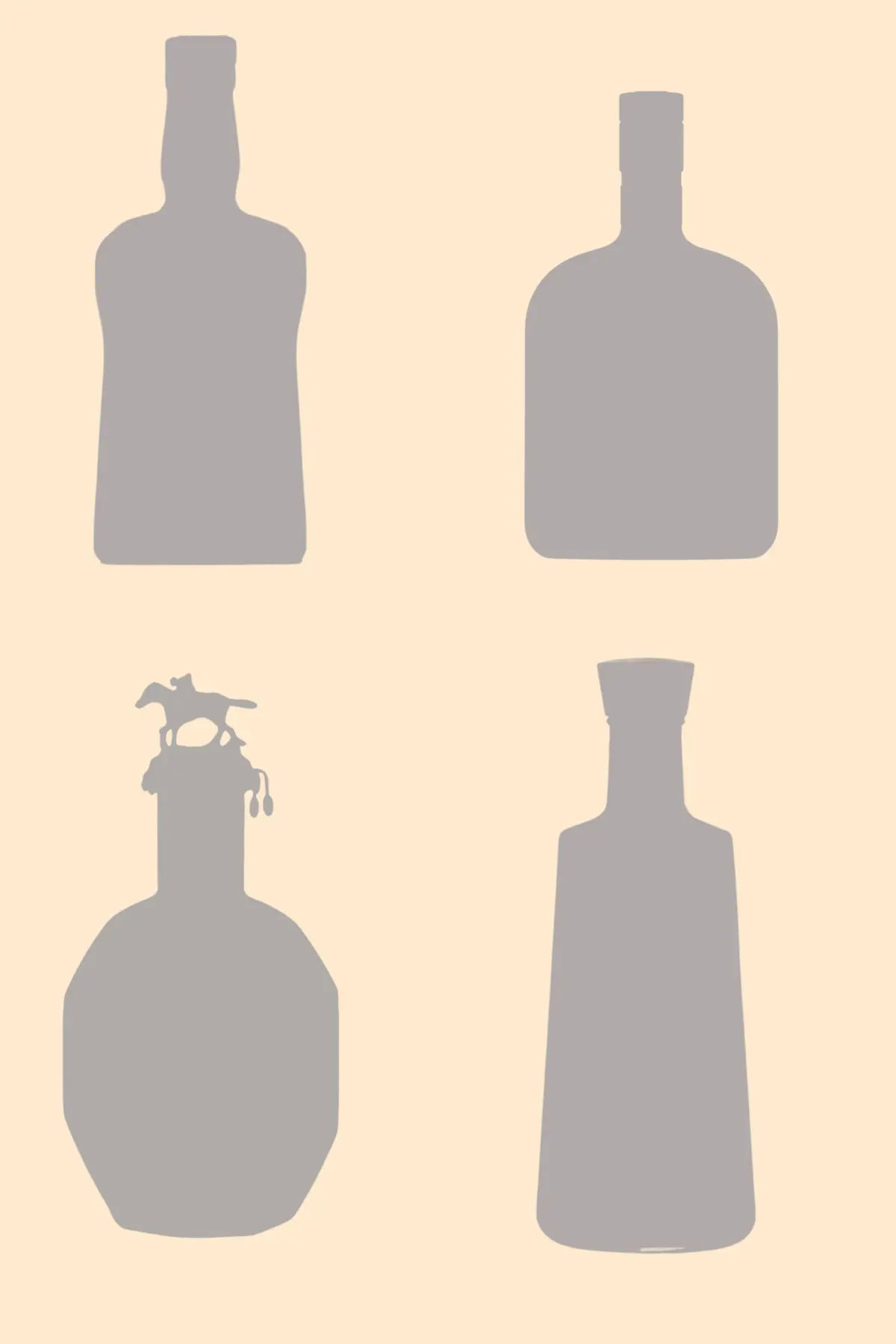
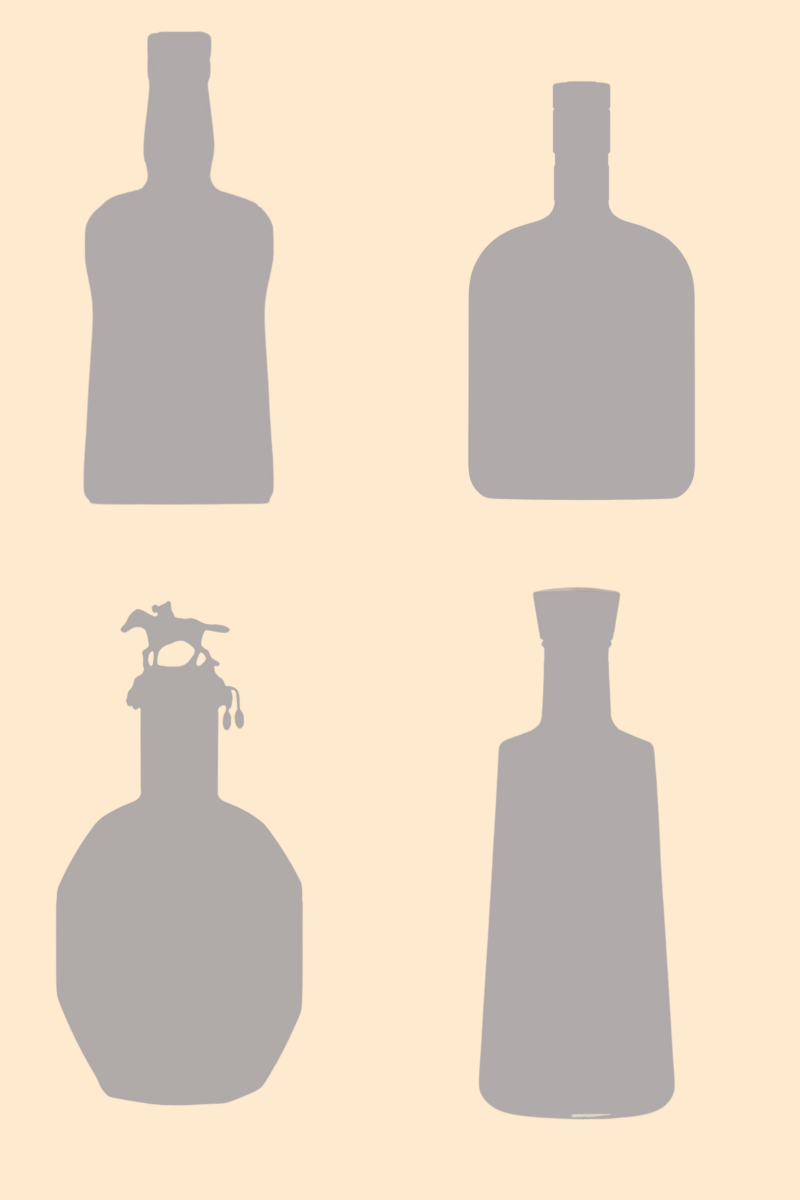
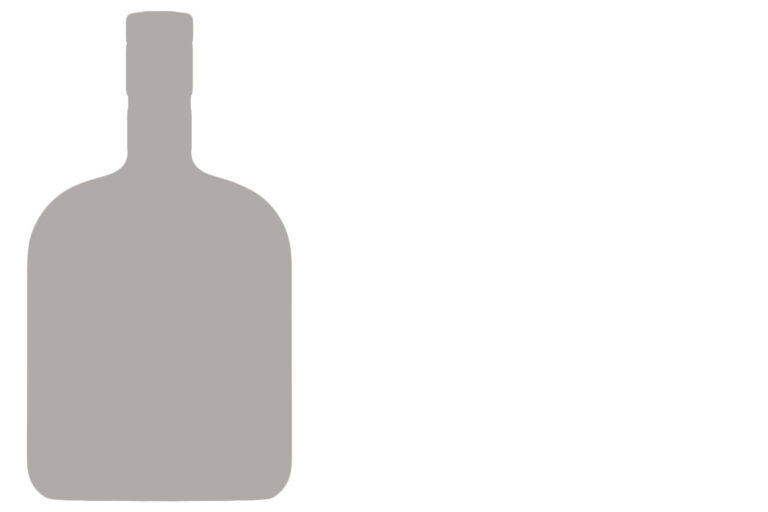
To explore this phenomenon, Garden & Gun has introduced a premier visual challenge for enthusiasts: a twelve-part silhouette test designed to evaluate how deeply ingrained your whiskey knowledge truly is. Stripped of their familiar labels, foil wraps, and colorful typography, can you identify some of the most iconic bourbon bottles in the world based strictly on their physical contours?
This article explores the burgeoning intersection of industrial design, brand identity, and whiskey culture. We dive into why bottle shapes have become crucial marketing differentiators, examine the psychology of tactile whiskey branding, and provide an analytical breakdown of the twelve distinct silhouettes featured in our quiz. Pour yourself a finger of your favorite pour, put your home bar to the test, and discover why the shape of the vessel matters just as much as the spirit inside.
Detailed Chronology: The Evolution of Bourbon Packaging
To understand why modern bourbon bottles look the way they do, we must journey through the history of American glassmaking and whiskey distribution. The evolution of the bourbon bottle is a fascinating timeline of regulatory changes, technological advancements, and marketing revolutions.
The Pre-Prohibition Era: Utility and Bulk (Late 19th Century)
In the early days of American whiskey, bourbon was rarely sold in the individualized, branded glass bottles we recognize today. Instead, distilleries shipped whiskey in charred oak barrels to wholesalers, saloons, and general stores, where it was dispensed directly into jugs, flasks, or whatever containers customers brought with them. When bottles did begin appearing on shelves in the late 1800s, they were largely generic—chosen for durability and cost-effectiveness rather than brand distinction. Glass was blown by hand or via early semi-automatic machines, resulting in thick, uneven walls and minimal ornamentation.

The Bottled-in-Bond Act of 1897 and Standardization
The landscape shifted dramatically with the passage of the Bottled-in-Bond Act of 1897. Spearheaded by Treasury Secretary John G. Carlisle at the urging of Colonel E.H. Taylor Jr., this landmark legislation was designed to guarantee whiskey purity and authenticity. To qualify as "bottled-in-bond," the spirit had to be the product of one distillation season from one distillery, aged in a federally bonded warehouse for at least four years, and bottled at exactly 100 proof.
While this act created a gold standard for quality, it also instituted strict regulatory oversight regarding labeling. Distilleries began to standardize their packaging to comply with government green stamps, yet crafty distillers quickly realized that unique bottle embossings and custom molds were an effective way to stand out in a crowded market.
The Post-Prohibition Renaissance (1933–1980s)
Following the repeal of Prohibition in 1933, the American spirits industry underwent a massive industrial modernization. Glass manufacturing became fully automated, allowing for precise, repeatable container designs. During the mid-20th century, distilleries began leaning heavily into proprietary glassware. Brands like Maker’s Mark introduced signature elements—most notably their iconic hand-dipped red wax seal—transforming the bottle neck from a mere opening into a distinct brand signature.
However, for much of the late 20th century, bourbon marketing remained relatively restrained. The focus was largely on heritage, age statements, and the liquid itself, while bottle shapes remained somewhat uniform due to production costs.

The Modern Craft Boom and Architectural Glass (2000–Present)
The twenty-first-century bourbon boom changed everything. As consumer demand skyrocketed and the market expanded to include millions of new, design-conscious enthusiasts, distilleries recognized that packaging was the primary visual touchpoint for brand storytelling.
Today, industrial designers spend years crafting custom molds. Every detail—from the weight of the glass at the base (the "punt") to the ergonomic curve of the neck—is engineered to evoke a specific emotional response. A heavy, broad-shouldered bottle communicates rugged tradition and high value, while a slender, minimalist silhouette suggests modern luxury and artisanal craft.

Supporting Context & Metrics: The Anatomy of the Bottle Quiz
Our newly launched silhouette quiz challenges readers to look past the branding and rely purely on spatial recognition and tactile familiarity. The test features twelve distinct bottle shapes, each representing a celebrated expression in the American whiskey pantheon.
To provide context for your quiz-taking journey, let us break down the categories of silhouettes evaluated in the test:
1. The Wax-Sealed Icon (Question 1)
- Visual Cue: A tapered neck encased in a cascade of colored wax, flowing down the shoulders.
- Context: Wax dipping is one of the most labor-intensive yet iconic finishing touches in the industry. It not only seals the cork against oxidation but creates a completely unique, hand-finished look for every single bottle.
2. The Equestrian Tribute (Question 2)
- Visual Cue: A distinct topper or neck structure celebrating Kentucky’s legendary equine heritage.
- Context: Given the deep cultural ties between thoroughbred racing and bourbon country, several heritage brands incorporate horse imagery directly into their closures and glass molds.
3. The Tall, Slender Silhouette (Question 3)
- Visual Cue: An elongated, soaring neck that tapers smoothly into a graceful body.
- Context: Tall bottles are often utilized for high-end, limited-release bourbons. They command attention on a crowded back bar due to their vertical presence.
4. The Ornate Decanter (Question 4)
- Visual Cue: Intricate geometric ridges, heavy glass etching, or multi-sided paneling.
- Context: Reminiscent of crystal barware from the mid-century, these bottles are designed to be kept and reused long after the whiskey is gone.
5. The "Heavy-Shouldered" Workhorse (Question 5)
- Visual Cue: A wide, robust body with a stout frame—affectionately nicknamed by enthusiasts for its rugged build.
- Context: This silhouette conveys strength, high proof, and unfiltered boldness. It feels substantial in the hand, signaling a robust cask-strength or small-batch offering.
6. The Top-Heavy Sculptural Form (Question 6)
- Visual Cue: Flaring upper shoulders that taper sharply toward a heavy base.
- Context: Breaking away from traditional cylindrical designs, these modern architectural marvels challenge glassblowers to maintain structural integrity while creating striking visual asymmetry.
7. The Notched Classic (Question 7)
- Visual Cue: Subtle indentations or grip-grooves carved into the glass perimeter.
- Context: Historically engineered to ensure a secure grip for bartenders working in fast-paced environments, these notches have evolved into hallmark design aesthetics.
8. The Classic Hourglass (Question 8)
- Visual Cue: A pinched waist that flares gently at both the base and the shoulders.
- Context: The hourglass figure is a masterclass in ergonomics, fitting comfortably into the palm while offering a timeless, elegant profile.
9. The Dripping-Wax Pillar (Question 9)
- Visual Cue: A straight-sided cylindrical column topped with heavy, dripping wax or an elongated stopper.
- Context: Often associated with artisanal, small-batch craft distilleries where individuality is prized over mass production.
10. The Long-Snouted Elegance (Question 10)
- Visual Cue: An exceptionally long, thin neck disproportionate to a compact, sturdy base.
- Context: This dramatic proportions game allows for maximum aeration space upon opening and provides a theatrical pour.
11. The Bottom-Heavy Stunner (Question 11)
- Visual Cue: A wide, low-slung base that grounds the entire vessel with an exceptionally thick glass bottom.
- Context: A thick glass base—known in the industry as a heavy punt—prevents tipping and gives the whiskey a sense of gravity and permanence.
12. The Heritage Jug Form (Question 12)
- Visual Cue: A rounded, organic body reminiscent of historical stoneware moonshine jugs translated into clear or amber glass.
- Context: A nod to the agrarian roots of American distilling, honoring the pioneers who stored their corn whiskey in earthenware crocks.
Industry Insights & Official Statements
The psychological impact of bottle design on consumer perception is well-documented in the fields of neuromarketing and industrial design.
"When a consumer picks up a bottle of bourbon, their tactile experience begins long before they taste the liquid," notes master glass designer Elena Vance. "The weight of the glass, the texture of the embossing, and the visual geometry of the silhouette tell a story of craftsmanship. Stripping away the label, as Garden & Gun has done in this quiz, proves whether a brand’s design truly has a distinct soul."

Distillery brand directors frequently emphasize that bottle shape is the ultimate silent salesperson. In an era where digital advertising for alcohol faces strict platform regulations, the physical bottle sitting on a retail shelf or restaurant back bar is the primary marketing vehicle.
"We spent eighteen months perfecting the mold for our flagship release," shares Thomas H., a Kentucky-based master distiller. "We wanted something that looked at home on a rustic barn table in Bardstown as well as a sleek rooftop lounge in Manhattan. The silhouette had to be unmistakable from across the room."

Future Outlook: The Next Generation of Sustainable and Artistic Packaging
As the bourbon industry looks toward the horizon, bottle design is facing new frontiers, driven by environmental consciousness and technological innovation.
1. Eco-Friendly Lightweighting
While heavy glass bottles have long been associated with luxury, rising environmental awareness and carbon-reduction goals are pushing distilleries to explore "lightweighting"—re-engineering bottles to use less glass without sacrificing structural integrity or aesthetic appeal. The challenge for designers in the coming decade will be maintaining a premium, distinctive silhouette while significantly reducing the carbon footprint of shipping heavy glass across the globe.

2. Smart Glass and Interactive Silhouettes
With the rise of augmented reality (AR) and near-field communication (NFC) chips embedded in closures, future bottle silhouettes are expected to serve as interactive portals. Consumers will scan the unique contours of a bottle with their smartphones to unlock virtual distillery tours, blending notes, and authentication certificates.
3. The Enduring Appeal of Analog Craft
Despite digital integration, the core appreciation for tactile, beautifully proportioned glass remains stronger than ever. As evidenced by the enthusiastic response to silhouette identification quizzes among collectors, the true aficionado does not just love bourbon for its flavor profile—they love it as a complete sensory artifact.

Ready to put your expertise to the test? Return to the top of the page, review the twelve silhouette images without peeking into your personal collection, and see if you can claim true bourbon insider status. Cheers!

0 Comments