

Executive Overview
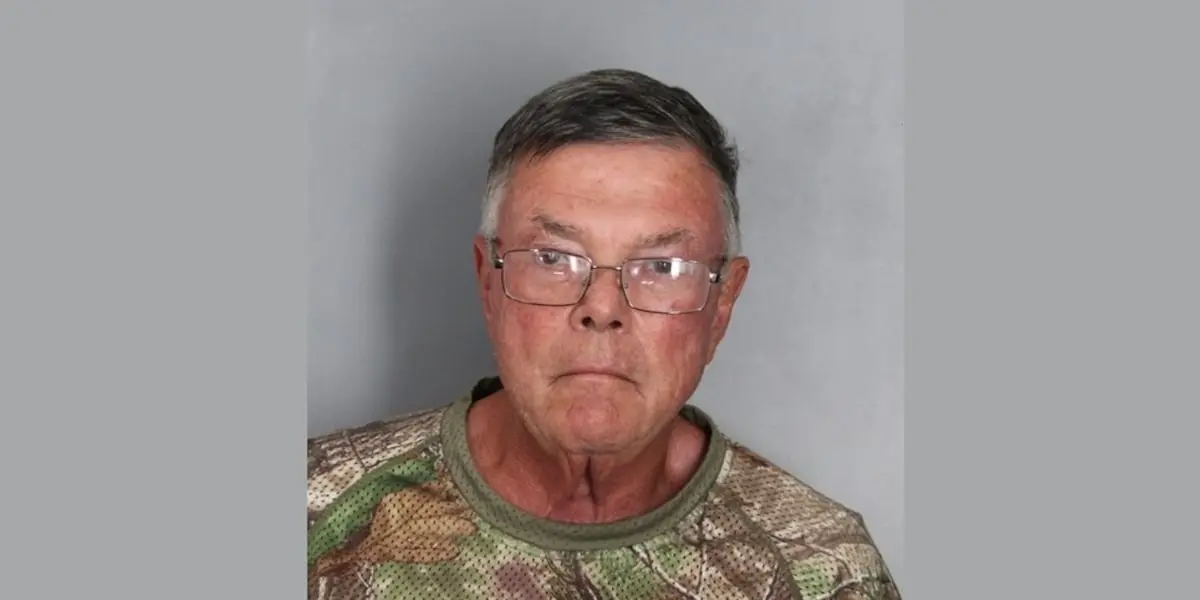
ELLENDALE, Del. — In an incident that has reignited urgent conversations surrounding hunting safety, firearm regulations, and situational awareness, a 74-year-old Maryland man has been formally charged with manslaughter following a fatal shooting in rural Delaware. Authorities with the Delaware State Police arrested Walter Moorhead of Maryland after he allegedly opened fire on what he believed to be a deer, only to strike and kill a 39-year-old woman walking through an open field with her family.
The tragedy, which unfolded during the early evening hours on a Friday in the small community of Ellendale, has sent shockwaves through the region. The victim has been identified as 39-year-old Santos Maria Chilel Soto. According to preliminary investigative findings released by law enforcement, Chilel Soto was traversing an agricultural field accompanied by an adult male companion and two young children when she was struck by a single rifle round fired from a nearby ground blind.
Moorhead now faces a battery of severe felony counts, including manslaughter, multiple counts of first-degree reckless endangering, and possession of a firearm during the commission of a felony. Despite the gravity of the charges, he was subsequently released after posting a $43,000 cash bond, a decision that has prompted local discussions regarding pretrial release parameters in violent, non-intentional felony cases.
This comprehensive report examines the chronological sequence of events, the precise legal charges leveled against the accused, the broader safety protocols governing the sport of hunting, and the systemic implications of firearm-related recreational accidents in rural American landscapes.
Detailed Chronology of Events
The Approach of Evening Dusk
The events leading up to the fatal shooting transpired on a Friday evening in the rural expanse of Ellendale, a quiet community located in Sussex County, Delaware. As daylight began to wane, visibility across open agricultural fields and woodlines typically transitions into challenging conditions for outdoor enthusiasts and hunters.
At approximately 7:40 p.m., emergency dispatchers received a frantic call reporting that a woman had been shot in an open field off a rural stretch of the community. Delaware State Police troopers, alongside local emergency medical services, were dispatched to the location immediately.
First Responder Intervention and Medical Response
Upon arrival at the scene, law enforcement and emergency medical personnel located Chilel Soto, who had sustained a critical gunshot wound. Recognizing the severity of her condition, troopers immediately initiated life-saving medical measures, applying emergency trauma care in an effort to stabilize her vital signs.
Chilel Soto was transported swiftly via ambulance to a nearby regional hospital. Despite the rapid response and medical intervention attempted by first responders and attending physicians, she succumbed to her injuries shortly after arrival. She was officially pronounced dead at the hospital.
The Scene Investigation and Arrest
While emergency personnel focused on rendering aid to the victim, remaining troopers secured the perimeter and initiated a preliminary investigation into the origin of the gunfire. Investigators quickly identified Walter Moorhead as the individual who had discharged the weapon.
According to state police reports, Moorhead was taken into custody at the scene without incident. Detectives recovered the firearm used in the incident and secured the surrounding area for forensic examination.
Investigators established that at the time of the shooting, Moorhead was positioned inside a ground blind—a concealed structure erected at ground level designed to allow hunters to remain hidden from wildlife while waiting to harvest game. Simultaneously, Chilel Soto, her companion, and two children were walking across the open tract of land. From his concealed vantage point, Moorhead allegedly perceived movement, mistook the 39-year-old woman for a deer, and fired his rifle, bringing an abrupt and catastrophic end to a family outing.
Legal Architecture and Charges
Following the conclusion of the preliminary investigation and consultation with the Department of Justice, the Delaware State Police formally charged Walter Moorhead with multiple serious offenses. The legal framework of the charges reflects both the fatal outcome of the suspect’s actions and the perceived risk posed to the other individuals present in the field.
Comprehensive Breakdown of Charges
- Manslaughter: Under Delaware criminal code, manslaughter is classified as a felony offense charged when a perpetrator recklessly causes the death of another person. In hunting-related incidents, this charge frequently applies when a shooter fails to exercise the standard of care required of a reasonable person, such as failing to positively identify a target beyond a shadow of a doubt before discharging a firearm.
- Reckless Endangering in the First Degree (Three Counts): Moorhead has been charged with three separate counts of first-degree reckless endangering. This charge corresponds directly to the presence of Chilel Soto’s adult companion and the two children who were accompanying her in the field at the time of the shooting. Under the law, a person is guilty of reckless endangering in the first degree when they recklessly engage in conduct which creates a substantial risk of death to another person. The presence of multiple bystanders elevates the charges to individual counts per person endangered.
- Possession of a Firearm During the Commission of a Felony: This charge addresses the utilization of a deadly weapon while perpetrating an underlying felony offense (in this case, manslaughter). Conviction on this count carries mandatory minimum prison sentences under Delaware law, serving to underscore the state’s stringent stance on firearm use during criminal acts, regardless of whether the primary offense was premeditated.
Judicial Proceedings and Prebond Release
Following his arrest and booking, Moorhead appeared before a judicial officer for an arraignment and bail hearing. The magistrate set his cash bail at $43,000. Court records indicate that Moorhead subsequently posted the required financial surety and was released from custody pending further court appearances.
The decision to grant bond in cases involving accidental fatalities often sparks public debate. Legal experts note that bail determinations are guided primarily by considerations of flight risk, community safety, and the defendant’s criminal history or ties to the area, rather than the emotional weight of the tragedy itself. Nevertheless, the release of the accused has heightened sensitivity surrounding the case as it moves toward the formal indictment and trial phases.
Supporting Context & Metrics: Hunting Safety and Mistaken-Identity Incidents
To fully contextualize the Ellendale tragedy, it is necessary to examine broader statistical trends regarding hunting safety, the mechanics of visibility during dusk hours, and the rigid ethical codes taught to hunters across North America.
The Phenomenon of "Mistaken for Game" Shootings
Wildlife agencies and conservation police officers categorize shooting incidents into two primary classifications: self-inflicted accidents and incidents involving other persons. Within the latter category, "mistaken for game" incidents represent some of the most tragic and entirely preventable loss of life in outdoor recreation.
According to data compiled by organizations such as the International Hunter Education Association (IHEA) and various state departments of natural resources, the primary causes of hunting-related shooting incidents consistently include:
- Target Misidentification: Firing before clearly and definitively identifying the target.
- Low-Light Conditions: Attempting to hunt during dawn, dusk, or twilight hours when human silhouettes can easily be misconstrued as animal shapes.
- Failure to Check Beyond the Target: Discharging a firearm without verifying what lies directly in front of and behind the intended target.
- Alcohol or Substance Impairment: Though not alleged in all cases, impairment remains a historical contributor to diminished judgment in the field.
Target Identification Rules: The Core Tenet of Hunter Education
Every certified hunter education program in the United States emphasizes the cardinal rules of firearm safety. Among these, the most heavily stressed is: "Be sure of your target and what lies beyond it."
Hunter safety instructors routinely instruct participants that a target must never be fired upon based solely on movement, color, sound, or a generalized shape. Modern hunting ethics demand absolute visual confirmation of antlers, body lines, and biological features before a trigger is ever pulled. Furthermore, ground blinds—while offering excellent concealment from wildlife—can inadvertently restrict a hunter’s peripheral vision, narrowing their field of view and making it more difficult to sweep an area for unexpected human presence.
Demographic Risk Factors in Outdoor Recreation
The demographics of this specific incident—involving a 74-year-old hunter and a 39-year-old victim accompanied by children—highlight the shared spaces utilized in rural communities. Agricultural lands in states like Delaware frequently double as active hunting leases, private properties, and thoroughfares for local residents. The intersection of recreational hunting grounds with family foot traffic underscores the necessity for rigorous spatial awareness and property demarcation.
Official Statements and Institutional Response
The Delaware State Police have maintained an active role in managing public communication while the investigation remains ongoing. Because judicial proceedings are still in their early stages, official commentary has focused on procedural updates and reinforcing community safety.
In official press releases distributed via their media portal, state troopers emphasized the cooperative nature of the ongoing investigation, noting that detectives from the Troop 4 Criminal Investigations Unit are meticulously examining forensic evidence, ballistic trajectories, and witness statements.
Local community leaders and advocacy groups have also expressed grief over the loss of Santos Maria Chilel Soto, emphasizing the profound impact the tragedy has had on her surviving family members, particularly the children who witnessed the horrific event. While formal statements from victim advocacy organizations are pending as the family navigates their immediate mourning, local clergy and community support networks have mobilized to offer grief counseling and assistance to those affected.
Future Outlook and Systemic Implications
As the legal process unfolds in the Delaware court system, several critical questions and systemic considerations remain at the forefront:
1. The Judicial Pathway
Walter Moorhead’s case will next proceed through the Sussex County Superior Court system, where prosecutors will present the evidence gathered by state police to a grand jury to secure a formal indictment. Defense counsel is expected to scrutinize the precise visibility conditions at the time of the shooting, the exact positioning of the ground blind relative to the walking path, and whether the elements of "recklessness" can be legally sustained beyond a reasonable doubt, or if the incident will be argued as a tragic, non-criminal misadventure.
2. Policy and Legislative Scrutiny
Incidents of this magnitude frequently prompt lawmakers and state wildlife management agencies to review existing regulations. Potential areas of legislative or regulatory focus could include:
- Stricter mandatory safety buffer zones between hunting blinds and property lines, public pathways, or agricultural work areas.
- Enhanced visibility requirements for individuals walking through active hunting zones during legal hunting hours.
- Re-evaluating mandatory reporting or refresher safety courses for senior licensed hunters.
3. A Lasting Community Impact
For the residents of Ellendale and the broader Sussex County agricultural community, the tragedy serves as a grim reminder of the immense responsibility tied to firearm ownership and outdoor recreation. As hunting seasons progress across the region, state agencies are expected to amplify public awareness campaigns urging heightened vigilance, absolute target verification, and mutual respect for all individuals sharing rural landscapes.
The investigation into the shooting remains active. Authorities urge anyone with additional information regarding the incident to contact the Delaware State Police Troop 4 Criminal Investigations Unit.

0 Comments