

Executive Overview
CLATSOP COUNTY, Ore. — A catastrophic late-night multi-vehicle collision along a darkened stretch of Oregon Highway 30 has left a community in mourning and triggered a massive emergency response. The Saturday night crash, which occurred just before 9:00 p.m. near Milepost 85, involved four distinct vehicles and resulted in a declared "mass-casualty incident." The accident claimed the life of one local motorist and injured 16 other individuals, a significant portion of whom were active-duty Oregon National Guard members returning to base after a weekend of rigorous tactical training.
The incident unfolded when a westbound Ford Ranger pickup truck drifted across the centerline, initiating a chain-reaction collision that ultimately involved a Ram 1500 pickup, a specialized passenger van transporting 11 National Guard personnel, and a fourth trailing vehicle that was unable to avoid the wreckage. The driver of the initial vehicle, identified as 65-year-old Markham Marshall Stangland of Warrenton, was pronounced dead at the scene by responding medical personnel. State investigators have since indicated that a lack of seatbelt usage contributed to the severity of the fatality.
The crash resulted in an overwhelming influx of regional emergency resources, transforming the remote highway corridor into a chaotic triage center. First responders from multiple municipal, county, and state jurisdictions rushed to the scene, establishing landing zones for medical evacuation helicopters and shutting down Highway 30 for approximately four hours.
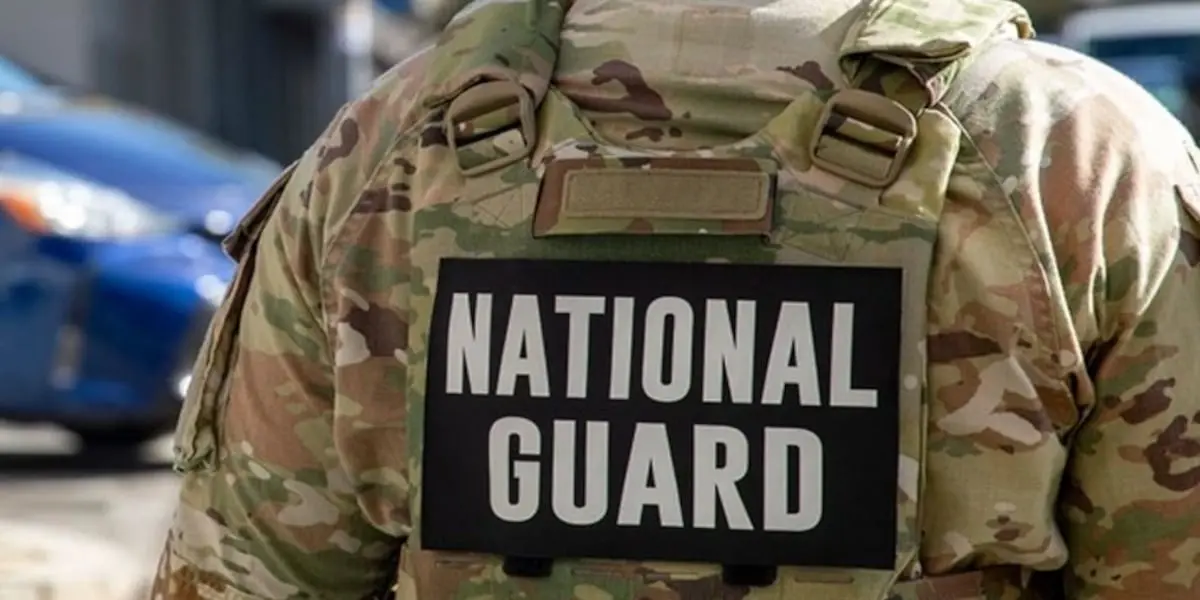
The human toll of the collision disproportionately impacted the Oregon military community. Thirteen members of the Oregon National Guard—who had spent the weekend sharpening their operational readiness at the nearby Camp Rilea Armed Forces Training Center—sustained injuries ranging from minor contusions to severe, life-altering trauma. As families, military leadership, and local authorities grapple with the aftermath, the incident has reignited urgent conversations surrounding highway safety, rural transit vulnerabilities, and the inherent risks faced by service members even when operating within domestic borders.
Detailed Chronology of Events
The Approach and Pre-Incident Timeline
The sequence of events leading up to the tragedy began late Saturday afternoon, September 14, as military units at Camp Rilea wrapped up a standard weekend training cycle. Situated near Warrenton, Oregon, the military installation regularly hosts National Guard units from across the state for field exercises, weapon qualifications, and leadership development.
Among those stationed at the camp over the weekend was a contingent of soldiers assigned to units based in the Clackamas area. As evening fell, preparations were made for the transit back inland. A passenger van, carrying 11 Guard members and operated by 21-year-old Spc. Haiden Cunningham of Milwaukie, was dispatched as part of the convoy. Traveling closely behind or alongside them were other personal and military-associated vehicles navigating the winding, unlit corridors of Clatsop County’s coastal highways.
At approximately 8:56 p.m., conditions along Highway 30 near Milepost 85 were typical for a Pacific Northwest September evening—dark, damp, and requiring heightened vigilance from motorists.
The Collision Chain Reaction
According to preliminary reconstructions released by the Oregon State Police (OSP), the catalyst for the tragedy occurred when a westbound Ford Ranger pickup truck, operated by Markham Marshall Stangland, drifted out of its designated lane. For reasons still under active investigation by traffic safety crash teams, the Ranger crossed the double-yellow lines into the eastbound lane of travel.
- The Initial Sideswipe: As the Ford Ranger veered into oncoming traffic, it made a glancing, high-impact sideswipe against an eastbound Ram 1500 pickup truck. This initial contact destabilized both vehicles, though the driver of the Ram managed to maintain some degree of directional control before coming to a stop.
- The Primary Impact: Immediately following the sideswipe, the out-of-control Ford Ranger collided head-on with the eastbound passenger van driven by Spc. Cunningham. The van, loaded with 11 National Guard members, absorbed a devastating amount of kinetic energy, causing catastrophic structural damage to the front end and passenger compartment.
- The Secondary Pileup: A fourth vehicle—a second pickup truck traveling behind the military van—was unable to stop in time to avoid the escalating chaos. This trailing vehicle slammed into the accumulating wreckage, striking both the damaged van and the disabled Ford Ranger, further compounding the severity of the pileup.
The Emergency Response and Triage
Within minutes of the collision, 911 dispatch centers in Clatsop County were flooded with frantic calls reporting a multi-vehicle wreck with multiple trapped and injured occupants. Recognizing the sheer volume of potential casualties, local dispatchers immediately escalated the response to a multi-agency mass-casualty incident.
Fire rescue units, emergency medical services (EMS), and law enforcement officers from multiple regional agencies converged on Milepost 85. First responders faced a harrowing scene: mangled metal, leaking automotive fluids, and scores of injured individuals scattered across the highway lanes.
Paramedics established an on-site triage area, rapidly assessing the 17 total individuals involved in the crash. The severely injured, including Spc. Cunningham and several other Guard members, required extrication from the wreckage using hydraulic rescue tools ("Jaws of Life"). Due to the critical nature of multiple injuries, mutual aid agreements were activated, bringing in advanced life support units and air ambulance services from surrounding counties to airlift the most critical patients to trauma centers.
Highway 30 was completely sealed off to through-traffic in both directions, stranding dozens of civilian motorists for hours as crash reconstruction experts mapped skid marks, documented debris fields, and gathered forensic evidence. The thoroughfare remained closed for approximately four hours before the wreckage was cleared, towed, and the roadway was deemed safe for reopening in the early hours of Sunday morning.
Supporting Context & Metrics
Casualties and Medical Status Breakdown
The numerical footprint of the collision underscores the devastating efficiency with which a single traffic infraction can disrupt dozens of lives. A comprehensive breakdown of the incident’s metrics reveals the following:
- Total Individuals Involved: 17 people across four vehicles.
- Fatalities: 1 death (Markham Marshall Stangland, 65, of Warrenton). Investigators noted that Stangland was not wearing a seatbelt at the time of the impact—a factor that forensic pathologists and crash analysts confirm dramatically increases the likelihood of fatal ejection or blunt-force trauma during high-speed collisions.
- Total Injured: 16 individuals sustained injuries requiring medical intervention, ranging from minor outpatient treatment to intensive inpatient surgical care.
- National Guard Involvement: 13 of the injured individuals were active service members of the Oregon National Guard.
- Hospitalized Personnel: As of Monday afternoon, three Guard members remained hospitalized, receiving ongoing medical treatment for complex orthopedic and internal injuries.
The Vehicles Involved
The mechanical toll of the crash highlights the vulnerability of passenger transport vehicles when subjected to cross-traffic kinetic forces.
- Vehicle 1: Ford Ranger pickup (Westbound, crossed centerline; total loss; driver deceased).
- Vehicle 2: Ram 1500 pickup (Eastbound, sideswiped; moderate damage; driver sustained minor injuries).
- Vehicle 3: Passenger Van (Eastbound, carrying 11 Guard members; catastrophic front-end and cabin damage; driver seriously injured).
- Vehicle 4: Trailing Pickup Truck (Eastbound, unable to stop; rear-ended primary wreckage; driver sustained minor injuries and was hospitalized).
Camp Rilea and Military Transit Protocols
The involvement of Oregon National Guard members returning from Camp Rilea brings operational logistics into focus. Camp Rilea Armed Forces Training Center is a vital regional hub for military readiness, situated on more than 1,800 acres of coastal terrain in Clatsop County. Thousands of service members cycle through the base annually for specialized training regimens.
The transit of troops between training facilities and home stations is a routine yet hazardous aspect of military service. While military convoys and transport vans adhere to strict Department of Defense safety regulations, they remain vulnerable to the unpredictable nature of civilian infrastructure. The Clackamas-bound personnel involved in Saturday night’s crash were concluding a standard weekend drill—a vital component of maintaining the operational capability of the state’s citizen-soldiers.
Official Statements
The gravity of the incident prompted immediate responses from state police, military public affairs offices, and emergency management officials.
Lieutenant Colonel Stephen Bomar, Public Affairs Director for the Oregon Military Department:
In an official briefing held on Monday, Lt. Col. Bomar addressed the media to confirm the status of the service members and express the military’s collective grief.
"This was a horrible accident resulting in an individual’s death and multiple injuries to all involved, including 13 Oregon National Guard members," Bomar stated.
Bomar provided crucial context regarding the movements of the soldiers, noting that they were traveling back to the Clackamas area following routine weekend training exercises at Camp Rilea. Addressing the condition of the wounded, Bomar confirmed that Spc. Haiden Cunningham, the 21-year-old Milwaukie resident who was driving the transport van, sustained serious injuries and was immediately transported to a regional medical facility. Furthermore, Bomar updated the public on the ongoing medical care required by the unit, confirming that as of Monday afternoon, three Guard members remained hospitalized under observation and treatment.
Oregon State Police Crash Investigators:
While formal investigative reports remain pending, lead crash reconstructionists released preliminary findings regarding the mechanics of the collision. Officials emphasized that driver behavior and environmental factors are being meticulously analyzed.
In public disclosures, OSP reiterated the critical importance of passive safety systems, specifically highlighting that the fatality suffered by the Ford Ranger driver could potentially have been mitigated had a seatbelt been utilized. State police continue to urge motorists across Oregon’s rural highways to maintain strict lane discipline, eliminate distractions, and ensure all occupants are properly restrained.
Future Outlook and Ongoing Investigations
As the immediate emergency response transitions into a phase of long-term recovery and investigation, several key storylines and institutional priorities loom on the horizon.
The Forensic Investigation
The Oregon State Police, in collaboration with Clatsop County investigators, is continuing its comprehensive reconstruction of the Highway 30 crash. Toxicology reports for the deceased driver are standard procedure in fatal collisions of this nature and are expected to take several weeks to process. Investigators are also examining vehicle black-box data from the surviving trucks, weather logs, and potential eyewitness accounts to determine whether mechanical failure, medical emergencies, driver fatigue, or environmental distractions played a role in the Ford Ranger’s sudden drift across the centerline.
Medical Recovery and Rehabilitation
For the 16 injured survivors, the road ahead will be defined by physical and psychological rehabilitation. The three National Guard members who remain hospitalized as of Monday afternoon face extended recovery timelines, requiring specialized orthopedic and trauma care. The Oregon National Guard has mobilized its internal family support networks, chaplain corps, and health-service teams to assist the affected soldiers and their families through the arduous rehabilitation process. Spc. Haiden Cunningham, who suffered serious injuries while operating the transport van, is similarly expected to undergo prolonged medical care.
Military Safety Reviews and Community Impact
Incidents involving mass casualties among citizen-soldiers invariably prompt internal reviews within the Oregon Military Department regarding transit safety protocols, convoy spacing, and defensive driving standards during off-base movements. While the accident was initiated by an external civilian vehicle crossing into oncoming traffic, military leadership continuously evaluates risk-mitigation strategies for personnel traveling on high-speed rural corridors.
Locally, the community of Clatsop County and the broader region served by the Oregon National Guard are left to process the emotional fallout of the tragedy. Memorial arrangements for Markham Marshall Stangland are expected to be coordinated privately by his family, while tributes and support mechanisms are mobilized within military circles to honor the resilience of the wounded guardsmen. As Highway 30 returns to its usual rhythm of daily traffic, the scars of Saturday night serve as a somber reminder of the fragility of life on the state’s roadways and the profound sacrifices made by those who serve in uniform both at home and abroad.

0 Comments